Key takeaways:
Liletta (levonorgestrel) is a very effective form of long-term birth control. It’s an intrauterine device (IUD) that can prevent pregnancy for up to 8 years.
Vaginal infections, changes to your periods, and acne are common Liletta side effects. Headaches, abdominal pain, and cramping are also common. These Liletta side effects are usually mild and get better or resolve with time.
Serious Liletta side effects are rare, but they include IUD movement and pelvic infections. If you have symptoms of these side effects, contact a healthcare professional immediately.
Save on related medications
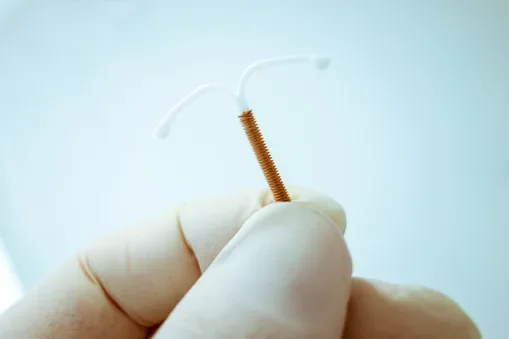
There are several long-acting birth control (contraception) options available. The Liletta (levonorgestrel) intrauterine device (IUD) is a popular choice. Liletta is a very effective contraceptive that works for up to 8 years after it’s placed. It can also help manage heavy menstrual bleeding for up to 5 years.
This IUD works well, but it’s not without risks. So what Liletta side effects should you know about? And how do you manage them if they happen to you?
Liletta IUD side effects at a glance
Liletta has both common and serious side effects to know about. Common Liletta side effects are generally mild and tend to resolve after your body adjusts to the IUD. Serious issues are rare.
Common or mild Liletta side effects include:
Fungal (yeast) infections in or around the vagina
Vaginal bacterial infections
Acne
Nausea or vomiting
Headache
Changes to menstruation (period)
Breast pain or tenderness
Pain during sex
Mood swings or anxiety
Pelvic pain or discomfort
Menstrual cramps
Temporary ovarian cysts that cause no symptoms or complications
Back pain
Weight gain
Changes to vaginal discharge
Rare but serious Liletta side effects can also happen. These may include:
IUD movement or expulsion (when your body pushes the IUD out of your uterus)
Depression
Ectopic pregnancy
Pelvic inflammatory disease (PID)
Endometritis (inflammation of the lining of the uterus)
IUD perforation (when the IUD moves through or tears the walls of your uterus)
Ovarian cysts that cause symptoms or are persistent
These aren’t the only possible Liletta IUD side effects. Tell your healthcare team about unusual or bothersome side effects — even if they’re not listed here.
Below is more information about eight Liletta side effects and some suggestions for how to manage them.
1. Vaginal infections
Vaginal infections are the most common Liletta side effect. These include bacterial vaginosis (BV) and yeast infections.
Vaginal infections are typically mild and easy to treat. Symptoms include changes to the look or smell of your vaginal discharge and vaginal burning or itching. It can be hard to tell BV and yeast infections apart on your own. If you have symptoms of either, contact your healthcare team. They can determine which one you have and the best way to treat it.
Treatments for BV include oral and vaginal antibiotics. These are prescription-only medications. Yeast infection treatments include oral and vaginal antifungal medications. Some antifungals are available over the counter (OTC), while others require a prescription.
Quiz: Bacterial Vaginosis (BV) or Yeast Infection
2. Acne
Acne is another common Liletta side effect. But worsening acne is a possible side effect with many forms of hormonal birth control. This side effect happens because of the progestin in Liletta (levonorgestrel).
Levonorgestrel is an androgenic progestin. This means it shares some qualities with the hormone testosterone. And testosterone can increase oil production in your pores, which can cause acne.
You can typically manage mild acne at home with OTC treatments. Common options include benzoyl peroxide, salicylic acid, and adapalene (Differin). If OTC treatments don’t seem to help after 3 months, tell your healthcare team. They may recommend a prescription acne medication.
3. Headaches
Headaches are also a common Liletta side effect. Changes in hormone levels can trigger headaches or migraines for some people. But this side effect is generally mild. It’s also likely to get better or go away after your body adjusts to the hormones in Liletta.
Consider these tips to help manage headaches at home:
Increase your water or fluid intake.
Rest in a dark room if possible when headaches happen.
Avoid alcohol, and limit caffeine.
Ask a healthcare professional if you can safely take OTC headache medications, such as ibuprofen (Advil, Motrin).
Make sure your healthcare team knows if you have a history of migraines before they place Liletta. Tell your healthcare team if headaches are severe or persistent after Liletta is in place. This isn’t a typical side effect.
4. Stomach pain and menstrual cramps
Liletta also commonly causes stomach pain and menstrual cramps. This is especially the case during or shortly after having the IUD inserted. In fact, you may experience cramping for up to 6 months after having Liletta placed. Pain is also possible for a few days after Liletta is removed. In both cases, pain should be mild.
Taking ibuprofen 1 to 2 hours before your appointment can help lessen pain during and after insertion or removal. You can also ask your healthcare team if they can numb the area. OTC pain relievers can help relieve cramps that happen afterward. You can also try using heating pads and performing low-intensity exercises, such as walking.
If your pain or cramps seem severe or continue for more than 6 months after Liletta’s insertion, tell your healthcare team. This isn’t typical and could point to a more serious side effect, such as IUD movement.
5. Period changes
It’s common for Liletta to make your periods lighter. It’s also possible that you may stop getting your period altogether. This may be a reason why you’ve chosen Liletta.
But this IUD can also cause spotting, breakthrough bleeding, and unpredictable periods. This can be frustrating, but it’s generally not harmful. This Liletta side effect is most common during the first 6 months after having the IUD inserted. Over time, periods typically get lighter.
You may want to wear darker-colored underwear and pants when you first have Liletta inserted. Keeping a panty liner, maxi pad, or tampon with you when you’re on-the-go is also a good idea.
Tell your healthcare team if Liletta’s period changes are bothersome. They can discuss other birth control options with you. Once Liletta is removed, your periods should return to the way they were before it was inserted.
6. Ovarian cysts
Some people develop ovarian cysts while using Liletta. In most cases, it causes no symptoms. And most cysts resolve on their own within 2 to 3 months.
Less commonly, Liletta can cause ovarian cysts that cause symptoms, such as pelvic pain or pain during sex. In rare cases, it could require surgery to treat.
If you experience severe or persistent pelvic or stomach pain, tell your healthcare team. They can evaluate you for ovarian cysts.
7. IUD movement or expulsion
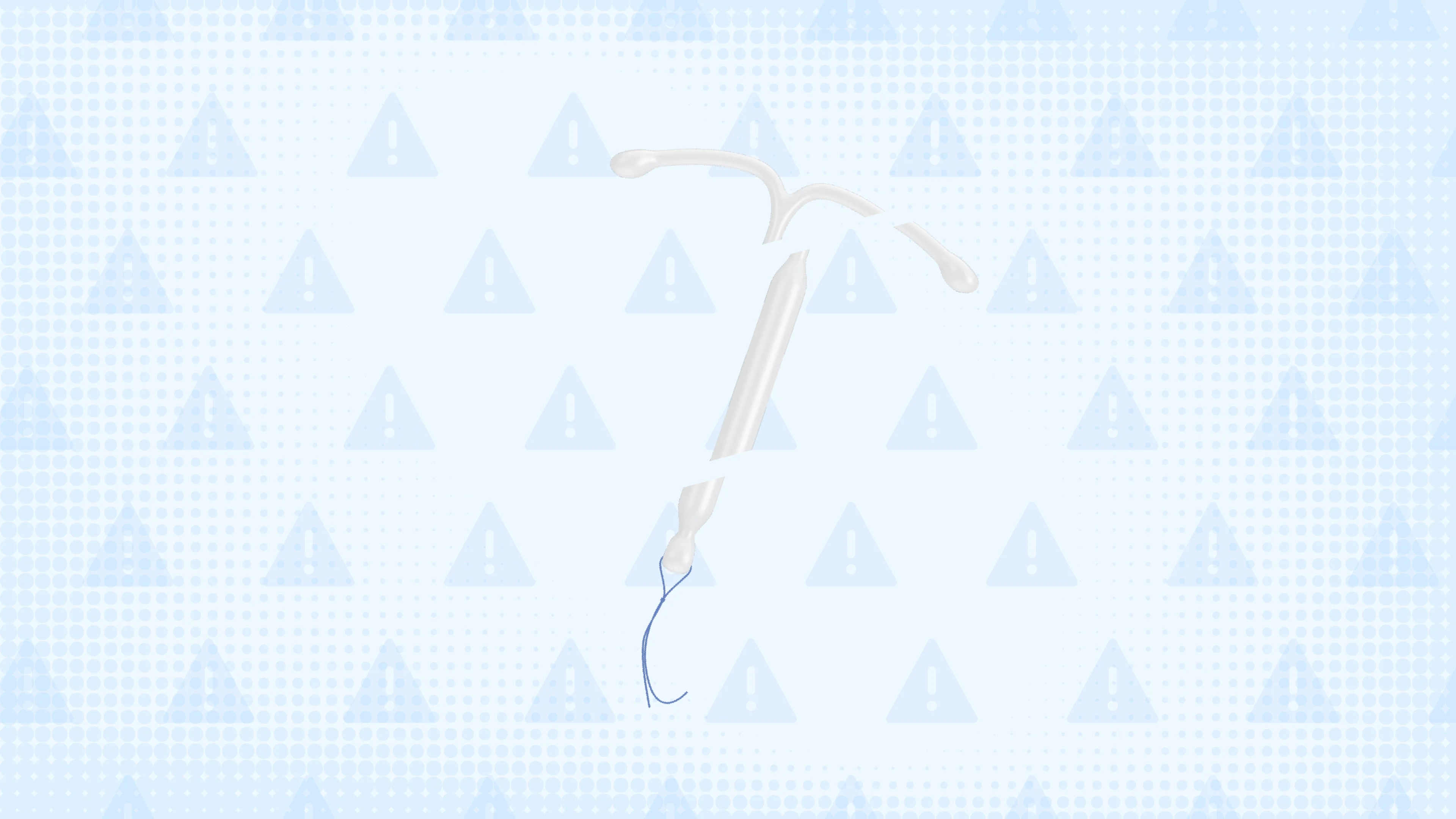
IUD movement or expulsion are serious Liletta side effects. Rarely, an IUD may move from where a healthcare professional placed it. It’s also possible for your body to push Liletta out of the uterus (expulsion). And in severe cases, the IUD could become embedded in or tear through the walls of your uterus.
If Liletta moves out of place, it won’t be as effective as it should be. This could lead to unintended pregnancies. In the case of Liletta becoming embedded or tearing through the uterus, you may have pain and nonstop vaginal bleeding. Surgery may be needed to manage these complications.
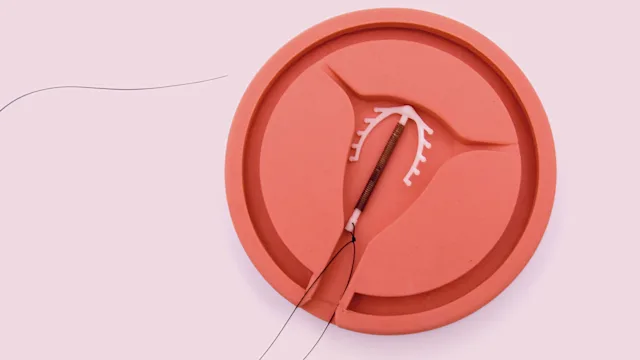
After Liletta is placed, there are two threads that hang out of your cervix and into your vagina. Once a month using clean fingers, check for these threads. If they feel longer or shorter than you remember or you can’t feel them, call your prescriber immediately. They’ll check to make sure Liletta is placed correctly.
8. Pelvic inflammatory disease (PID) and endometritis
Other rare Liletta side effects include pelvic inflammatory disease (PID) and endometritis. These are infections of the vagina, cervix, or uterus. PID can sometimes also affect the fallopian tubes or ovaries. These infections are serious and require medical attention.
PID and endometritis are most likely to happen during the first 3 weeks after Liletta is inserted. You also have a greater risk of these infections if Liletta is placed and you have certain untreated sexually transmitted infections. Your healthcare team should screen for these infections before placing your IUD.
Symptoms of these serious Liletta side effects include lower stomach pain, unusual vaginal bleeding, or fever. Contact your healthcare team right away if you have any of these symptoms. If not treated, PID and endometritis can cause permanent problems, such as infertility.
The bottom line
Liletta (levonorgestrel) is an intrauterine device (IUD) used for long-term birth control. Common Liletta side effects include vaginal infections, acne, and headaches. Cramps and period changes are also common. Rare but serious Liletta side effects include IUD movement and pelvic infections. If you have symptoms of serious side effects, tell your healthcare team right away.

Why trust our experts?




References
Allergan. (2023). Liletta- levonorgestrel intrauterine device [package insert].
American College of Obstetricians and Gynecologists. (2025). ACOG releases new recommendations on pain management for IUD insertions, other in-office gynecologic procedures.
Centers for Disease Control and Prevention. (2023). About pelvic inflammatory disease (PID).
Chao, L., et al. (2017). Perforated IUDs: Diagnosis and management. American Journal of Obstetrics & Gynecology.
Del Rosso, J. Q., et al. (2024). The cutaneous effects of androgens and androgen-mediated sebum production and their pathophysiologic and therapeutic importance in acne vulgaris. Journal of Dermatological Treatment.
MedlinePlus. (2023). Endometritis.
Planned Parenthood. (n.d.). How safe is the IUD?