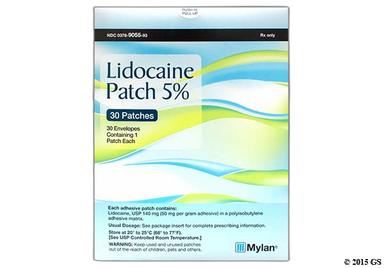
lidocaine 5% patch
Lidocaine 5% patch (Lidoderm) is a prescription medication used to relieve nerve pain caused by a shingles infection, also called postherpetic neuralgia (PHN). It's a local anesthetic that works by numbing your nerves to help reduce pain. You apply the patch directly to the painful area of your skin once a day, and it can be worn for up to 12 hours in a 24-hour period. Common side effects include temporary skin irritation, redness, and a mild burning sensation where the patch is applied.


What is Lidocaine 5% patch (Lidoderm)?
What is Lidocaine 5% patch (Lidoderm) used for?
- Nerve pain caused by shingles (postherpetic neuralgia)
How Lidocaine 5% patch (Lidoderm) works
Lidocaine 5% patch (Lidoderm) is a local anesthetic, which means it works by numbing the area where it’s applied. It blocks pain signals from the nerves in your skin so they don’t reach your brain. This helps relieve pain in a specific spot without affecting the rest of your body.
Drug facts
More on Lidocaine 5% patch (Lidoderm) essentials



Side effects of Lidocaine 5% patch (Lidoderm)
The following side effects may get better over time as your body gets used to the medication. Let your healthcare provider know immediately if you continue to experience these symptoms or if they worsen over time.
Common Side Effects
- Blisters
- Bruising
- Burning sensation
- Changes in skin color
- Rash or redness
- Swelling
- Peeling or flaking skin
- Itching
- Small bumps or spots
- Tiny red or purple dots under the skin
- Tingling or numbness in the area
Less Common Side Effects
- Confusion
- Dizziness
- Headache
- Feeling faint
- Weakness or low energy
- Tingling or numbness in the skin
- Nausea
- Vomiting
- Changes in taste
- Blurred vision
- Ringing in the ears
- Tremors
Lidocaine 5% patch (Lidoderm) serious side effects
Contact your healthcare provider immediately if you experience any of the following.
- Blood problems (methemoglobinemia): pale, gray, or blue-colored skin, headache, fast heartbeat, shortness of breath, lightheadedness, tiredness, seizures, coma
- Too much lidocaine: numbness around the mouth, tingling in the tongue, dizziness, ringing in the ears, blurred vision
- Serious allergic reactions: Swelling of the face, difficulty breathing, trouble speaking, throat tightening up, red and itchy rash, lightheadedness, clammy skin
The following Lidocaine 5% patch (Lidoderm) side effects have also been reported
Along with its needed effects, a medicine may cause some unwanted effects. Although not all of these side effects may occur, if they do occur they may need medical attention.
Check with your doctor or nurse immediately if any of the following side effects occur:
More common
Blurred vision or other changes in vision
burning feeling at site of application
redness of the white part of eyes or inside of eyelids
Some side effects may occur that usually do not need medical attention. These side effects may go away during treatment as your body adjusts to the medicine. Also, your health care professional may be able to tell you about ways to prevent or reduce some of these side effects. Check with your health care professional if any of the following side effects continue or are bothersome or if you have any questions about them:
More common
Headache
Other side effects not listed may also occur in some patients. If you notice any other effects, check with your healthcare professional.
Call your doctor for medical advice about side effects. You may report side effects to the FDA at 1-800-FDA-1088.

Get your GoodRx coupon

Pros and cons of Lidocaine 5% patch (Lidoderm)
Pros
- Works directly on the skin
- Generally well-tolerated with few side effects
- Can cut patches to fit the area of pain
Cons
- Commonly causes skin irritation
- Must avoid contact with water wearing the patch
- Might interact with many medications

Pharmacist tips for Lidocaine 5% patch (Lidoderm)

- Always wash your hands after applying lidocaine 5% patch (Lidoderm). This gets rid of any medication left on your fingers and helps prevent it from getting in your eyes, which can cause burning or irritation.
- Don't apply lidocaine 5% patch (Lidoderm) to areas of your skin with open cuts or wounds. This might affect how your skin absorbs the medication and can lead to more side effects.
- Lidocaine 5% patch (Lidoderm) might not stick to skin well if it gets wet. Avoid bathing, showering, or swimming while wearing the patch.
- You can cut lidocaine 5% patch (Lidoderm) into smaller pieces to fit the painful area. This won't affect how the medication works.
- Don't use heat over lidocaine 5% patch (Lidoderm), like heating pads or electric blankets. This can cause your body to absorb too much medication, but regular clothing is okay to wear over it.
- Avoid using other products with lidocaine (like OTC patches or creams, ointments, and gels) while using lidocaine 5% patch (Lidoderm) at the same time. Doing so raises your risk of side effects.
- Lidocaine 5% patch (Lidoderm) can interact with certain medications and raise your risk of methemoglobinemia, a rare condition that affects oxygen in your blood. Tell your prescriber if you notice symptoms like pale or gray skin, shortness of breath, fast heartbeat, or dizziness. Share a full list of your medications with your prescriber before using this patch.
- Mild skin irritation is common with lidocaine 5% patch (Lidoderm) and generally goes away within a few minutes to hours. If you feel itching, burning, or dryness, remove the patch and wait for the symptoms to go away before using it again. Tell your prescriber if the irritation doesn’t go away or gets worse.
- Throw away each lidocaine 5% patch (Lidoderm) after one use. Fold it in half with the sticky sides together before throwing it away to keep others — especially kids or pets — from getting exposed to leftover medication.
- Store lidocaine 5% patch (Lidoderm) safely out of reach of children. If you think a child has touched or had contact with a patch, call Poison Control at 1-800-222-1222 right away.

Common questions about Lidocaine 5% patch (Lidoderm)
Lidocaine 5% patch (Lidoderm) usually starts to numb the area within 30 minutes after you apply the patch. But it might take a little longer for some people to feel full pain relief. If you don’t feel any relief after a few uses, talk to your prescriber to see if something else might work better for you.
If you leave lidocaine 5% patch (Lidoderm) on for more than 12 hours, your body might absorb too much of the medication. This can irritate your skin and, though rare, could lead to more serious side effects like numbness around the mouth, tingling in the tongue, and dizziness. Some people might also notice ringing in the ears or blurred vision. To stay safe, always remove the patch after 12 hours and follow the directions from your prescriber.
No, lidocaine 5% patch (Lidoderm) is only available with a prescription from a healthcare professional. But there are over-the-counter patches that contain 4% lidocaine, which might help with minor pain. Talk to your prescriber or pharmacist to see how they compare.
Yes! Lidocaine 5% patch (Lidoderm) can be cut into smaller pieces to cover the painful areas on your body. Cut the patch with scissors before removing the liner, and don’t save any leftover pieces. Each patch should be used right away after opening the pouch.
No, don't use lidocaine 5% patch (Lidoderm) if it's expired. Always check the expiration date before using your medication. Expired patches might not work well for your pain. If your patch is expired, throw it away safely and ask your healthcare team for a new prescription.
No, lidocaine 5% patch (Lidoderm) isn't a controlled substance.
Possibly, but only if your prescriber decides the benefits of using lidocaine 5% patch (Lidoderm) outweigh the risks. There haven’t been enough studies in pregnant people, but animal studies haven’t shown harm to the baby. If you’re pregnant or planning to become pregnant, talk to your prescriber to make sure that it's safe for you.

How to save using GoodRx




Risks and warnings for Lidocaine 5% patch (Lidoderm)
Lidocaine 5% patch (Lidoderm) can cause some serious health issues. This risk may be even higher for certain groups. If this worries you, talk to your doctor or pharmacist about other options.
Blood problem (methemoglobinemia)
- *Risk factors: History of methemoglobinemia | History of low glucose-6-phosphate dehydrogenase (G6PD) | Heart or lung problems | Age 6 months or younger | Exposure to other oxidizing agents, such as chlorine and hydrogen peroxide | Taking other medications that raise the risk for methemoglobinemia *
While rare, local anesthetics like lidocaine 5% patch (Lidoderm) can cause methemoglobinemia, a serious blood problem where your red blood cells can't carry enough oxygen throughout your body. The risk is higher in people with glucose-6-phosphate dehydrogenase (G6PD) deficiency, a history of methemoglobinemia, heart or lung problems, and in infants under 6 months. Be careful using lidocaine 5% patch (Lidoderm) patches if you're around oxidizing chemicals like chlorine or hydrogen peroxide, which might be present in cleaning supplies or hair dye.
Symptoms can show up right away or a few hours later, and can include gray, blue, or pale-colored skin. If not treated quickly, methemoglobinemia can lead to seizures, irregular heartbeat, coma, or even death. If you notice any of these symptoms, stop using lidocaine 5% patch (Lidoderm) and get emergency medical help right away.
Absorbing too much medication
- Risk factors: Using heating pad or electric blanket on skin | Applying the patch to red, irritated, or broken skin | Leaving the patch on for more than 12 hours | Using more patches than recommended | Liver problems | Kidney problems
Your body can absorb too much lidocaine from lidocaine 5% patch (Lidoderm) if you use more patches than recommended or leave them on too long. This can also happen if you put the patches on broken skin or use a heating pad over them. Absorbing too much lidocaine is dangerous and can cause serious side effects. If you notice numbness around your mouth, tingling in your tongue, dizziness, ringing in your ears, or blurred vision, remove the patch and get medical help immediately.
Accidental poisoning in children or pets
- Risk factors: Not storing or throwing away lidocaine 5% patch (Lidoderm) patches correctly
When you’re done using a lidocaine 5% patch (Lidoderm), fold it in half with the sticky sides together before throwing it away. This helps keep the medication from getting on a child or pet if they find it. Even a used patch can still contain a lot of lidocaine, and if a child or pet chews or swallows it, it could cause serious harm. Always store and throw the patches away safely and out of reach. If you think a child or pet has chewed or eaten a patch, call 911 or Poison Control at 1-800-222-1222 right away.

Lidocaine 5% patch (Lidoderm) dosage
 Patch
Patch| Dosage | Quantity | Price as low as | Price per unit |
|---|---|---|---|
| 5% | 30 patches | $26.48 | $0.88 |
Typical dosage for Lidocaine 5% patch (Lidoderm)
The typical dose is to apply up to 3 patches to the painful area of skin once a day for 12 hours during a 24-hour period. This means you can leave the patch(es) on for up to 12 hours, but you should take a 12-hour break before applying on a new patch.

Lidocaine 5% patch (Lidoderm) reviews
GoodRx has partnered with to provide reviews on the different aspects of Lidocaine 5% patch (Lidoderm).
Effectiveness
Learn more about the effectiveness of Lidocaine 5% patch (Lidoderm) based on real life experiences.
Overall Rating
Based on 12 people taking this medication
3.4
Effectiveness by condition:
fibromyalgia6 reviews
3.1
chronic pain syndrome2 reviews
1.9
myofascial pain syndrome2 reviews
3.1
Parkinson's disease1 reviews
3.8
Sjogren's syndrome1 reviews
5.0
Severity of side effects
Based on 132 people taking this medication
0%
50%
100%
Top side effects
Rash or skin problems
4%
Application site itching
2%
Burning sensation in skin
2%
Bruising
1%
Elevated blood pressure
1%
Reasons people stopped taking Lidocaine 5% patch (Lidoderm)
Based on 108 people who have taken this medication
Did not seem to work
41%
Expense
17%
Course of treatment ended
16%
Other
11%
Change in health plan coverage
7%
Doctor's advice
4%
Side effects too severe
4%
Personal research
3%
How long people take Lidocaine 5% patch (Lidoderm)
Based on 388 people who have taken this medication
0%
50%
100%

Interactions between Lidocaine 5% patch (Lidoderm) and other drugs
Although certain medicines should not be used together at all, in other cases two different medicines may be used together even if an interaction might occur. In these cases, your doctor may want to change the dose, or other precautions may be necessary. When you are receiving this medicine, it is especially important that your healthcare professional know if you are taking any of the medicines listed below. The following interactions have been selected on the basis of their potential significance and are not necessarily all-inclusive.
Using this medicine with any of the following medicines is not recommended. Your doctor may decide not to treat you with this medication or change some of the other medicines you take.
- Dihydroergotamine
- Dronedarone
- Saquinavir
- Vernakalant
Using this medicine with any of the following medicines is usually not recommended, but may be required in some cases. If both medicines are prescribed together, your doctor may change the dose or how often you use one or both of the medicines.
- Amifampridine
- Amiodarone
- Amprenavir
- Arbutamine
- Atazanavir
- Bupivacaine Liposome
- Bupropion
- Cobicistat
- Dasabuvir
- Delavirdine
- Disopyramide
- Donepezil
- Encainide
- Etravirine
- Flecainide
- Fosamprenavir
- Fosphenytoin
- Hyaluronidase
- Lopinavir
- Metoprolol
- Mexiletine
- Moricizine
- Nadolol
- Phenytoin
- Procainamide
- Propafenone
- Quinidine
- Sotalol
- Succinylcholine
- Telaprevir
- Tocainide
Using this medicine with any of the following medicines may cause an increased risk of certain side effects, but using both drugs may be the best treatment for you. If both medicines are prescribed together, your doctor may change the dose or how often you use one or both of the medicines.

How much does Lidocaine 5% patch (Lidoderm) cost?

What are alternatives to Lidocaine 5% patch (Lidoderm)?

News about Lidocaine 5% patch (Lidoderm)








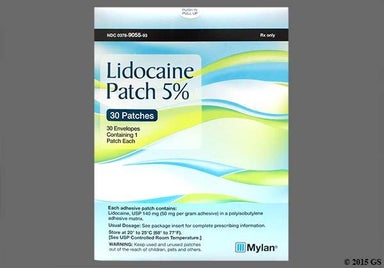
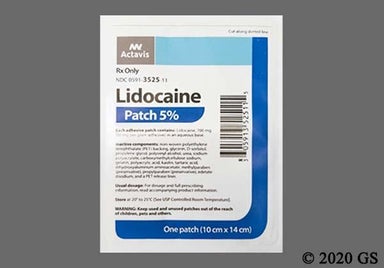
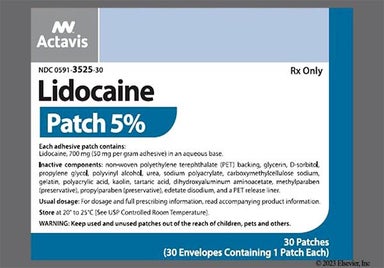
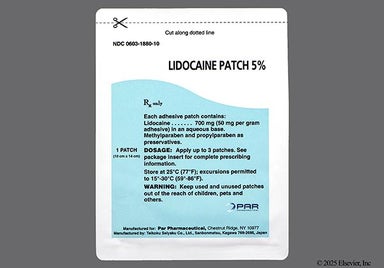
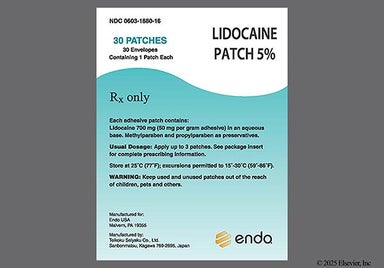
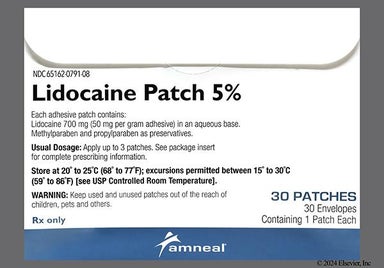
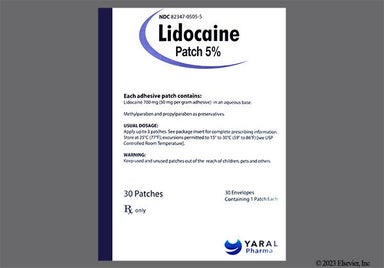
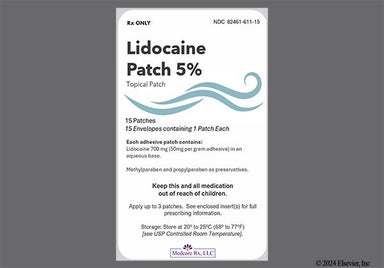
Lidocaine 5% patch (Lidoderm) images