



What Are Lidocaine Patches and How Are They Used?
Lidocaine patches are used to treat a range of pains and ailments. Here's a guide to how lidocaine patches work, their benefits, and potential side effects.
Topical lidocaine products are applied to the surface of the skin. They're commonly used for temporary relief of pain, itching, and burning from certain conditions, such as sunburns, scrapes, and minor cuts or skin irritations. They're also used to ease pain and discomfort in medical or skin procedures. Topical lidocaine come in many different forms, such as topical creams, ointment, gels, and foaming soaps, and most are available over the counter. If used as directed, topical lidocaine shouldn't cause many side effects. But if you apply more than recommended, topical lidocaine can cause dizziness, headache, and confusion.

Topical lidocaine products come in many forms and strengths. Each can be used for different conditions.
In general, they're used for temporary relief of pain, itching, burning, or discomfort from:
Topical lidocaine products ease pain and skin irritation by numbing the nerves and making them less sensitive to pain or irritation. Lidocaine is a local anesthetic, meaning it only lowers pain in the area of skin closely around or directly in contact with the medication.
| Common Brands | LiDORx, BLUE-EMU Numbing Pain Relief Cream, Aspercreme, Icy Hot Max |
|---|---|
| Drug Class | Local anesthetic |
| Controlled Substance Classification | Not a controlled medication |
| Generic Status | Lower-cost generic available |
| Availability | Prescription or over-the-counter |

The following side effects may get better over time as your body gets used to the medication. Let your healthcare provider know immediately if you continue to experience these symptoms or if they worsen over time.
The side effects below only apply to lidocaine 5% ointment and LiDORx (lidocaine) 3% gel:
The side effects below only apply to lidocaine 5% ointment and LiDORx (lidocaine) 3% gel:
Contact your healthcare provider immediately if you experience any of the following.
The side effects below only apply to lidocaine 5% ointment and LiDORx (lidocaine) 3% gel:
Along with its needed effects, a medicine may cause some unwanted effects. Although not all of these side effects may occur, if they do occur they may need medical attention.
Check with your doctor immediately if any of the following side effects occur:
Rare
Blistering, crusting, irritation, itching, or reddening of the skin
cracked, dry, or scaly skin
fast heartbeat
hives or welts, itching, skin rash
hoarseness
irritation
joint pain, stiffness, or swelling
large, hive-like swelling on the face, eyelids, lips, tongue, throat, hands, legs, feet, or genitals
noisy breathing
swelling of the eyelids, face, lips, hands, or feet
tightness in the chest
trouble breathing or swallowing
Incidence not known
Blistering, bruising, burning, discoloration, itching, redness, or swelling at the application site
bluish-colored lips, fingernails, or palms
blurred vision
chest pain or discomfort
cold, clammy, or pale skin
confusion
dark urine
dizziness, faintness, or lightheadedness when getting up suddenly from a lying or sitting position
drowsiness or dizziness
false or unusual sense of well-being
fear or nervousness
headache
irregular, fast or slow, or shallow breathing
loss of consciousness
no blood pressure or pulse
pale or blue lips, fingernails, or skin
puffiness or swelling of the eyelids or around the eyes, face, lips, or tongue
rapid heart rate
seizures
shakiness in the legs, arms, hands, or feet
slow or irregular heartbeat
stopping of the heart
trembling or shaking of the hands or feet
twitching
unusual bleeding or bruising
unusual drowsiness, dullness, tiredness, weakness, or feeling of sluggishness
Some side effects may occur that usually do not need medical attention. These side effects may go away during treatment as your body adjusts to the medicine. Also, your health care professional may be able to tell you about ways to prevent or reduce some of these side effects. Check with your health care professional if any of the following side effects continue or are bothersome or if you have any questions about them:
Incidence not known
Bad, unusual, or unpleasant (after) taste
change in taste
cold or numbness
confusion about identity, place, and time
continuing ringing or buzzing or other unexplained noise in the ears
double vision
hearing loss
heat sensation
lack or loss of strength
metallic taste
sleepiness or unusual drowsiness
Other side effects not listed may also occur in some patients. If you notice any other effects, check with your healthcare professional.
Call your doctor for medical advice about side effects. You may report side effects to the FDA at 1-800-FDA-1088.




Topical lidocaine can cause some serious health issues. This risk may be even higher for certain groups. If this worries you, talk to your doctor or pharmacist about other options.
Use topical lidocaine only as directed by your healthcare provider. Using it more often or at a higher dose than recommended can cause this medication to build up in your body. Contact your doctor before you apply topical lidocaine on infected wounds or severely damaged skin. These conditions can cause your body to absorb high amounts of lidocaine. Too much lidocaine can lead to serious side effects, such as seizures, trouble breathing, low blood pressure, slow heart rate, and your heart suddenly stopping. Get medical help right away if you experience these symptoms while using topical lidocaine.
Lidocaine 5% ointment and LiDORx (lidocaine) 3% gel can cause methemoglobinemia, a serious blood problem where your red blood cells cannot bring enough oxygen to your body. Your risk is higher if you have low G6PD, a condition passed down from parent to child, where your red blood cells tend to burst or break apart. Be careful using topical lidocaine if you're around oxidizing chemicals, such as chlorine and hydrogen peroxide. These chemicals might be present in common household products like cleaning supplies and hair dye. Methemoglobinemia can occur immediately or within hours of using topical lidocaine. Earliest signs include headache, tiredness, and your skin turning blue. Get medical help right away to avoid more serious and life-threatening side effects like seizures, loss of consciousness, and heart rhythm problems (fast heart beat, dizziness, shortness of breath).

 Bottle of spray
| Dosage | Quantity | Price as low as | Price per unit |
|---|---|---|---|
| 127g of 0.5% | 1 bottle | $12.56 | $12.56 |
 Carton
| Dosage | Quantity | Price as low as | Price per unit |
|---|---|---|---|
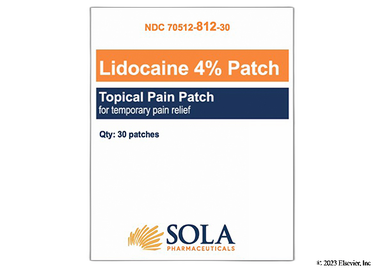
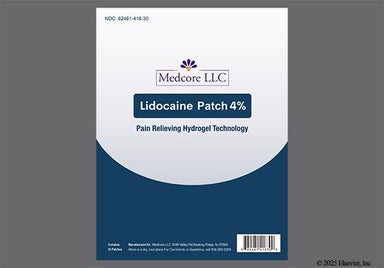
| 5 patches of 4% | 6 cartons | $22.91 | $3.82 |
| 30 patches of 4% | 1 carton | $21.28 | $21.28 |
| 15 patches of 4% | 1 carton | $15.33 | $15.33 |
| 6 patches of 4% | 5 cartons | $24.70 | $4.94 |
| 10 patches of 4% | 1 carton | $11.72 | $11.72 |

Although certain medicines should not be used together at all, in other cases two different medicines may be used together even if an interaction might occur. In these cases, your doctor may want to change the dose, or other precautions may be necessary. When you are taking this medicine, it is especially important that your healthcare professional know if you are taking any of the medicines listed below. The following interactions have been selected on the basis of their potential significance and are not necessarily all-inclusive.
Using this medicine with any of the following medicines is not recommended. Your doctor may decide not to treat you with this medication or change some of the other medicines you take.
Using this medicine with any of the following medicines is usually not recommended, but may be required in some cases. If both medicines are prescribed together, your doctor may change the dose or how often you use one or both of the medicines.
Using this medicine with any of the following medicines may cause an increased risk of certain side effects, but using both drugs may be the best treatment for you. If both medicines are prescribed together, your doctor may change the dose or how often you use one or both of the medicines.


Topical lidocaine products come in many forms and strengths. Each can be used for different conditions.
In general, they're used for temporary relief of pain, itching, burning, or discomfort from:







Prescription savings
Stop paying too much for your prescriptions. Compare prices, get pharmacy coupons, and save up to 80%. Find expert answers to your health questions so you can make the best decisions for yourself and your family.
Health conditions
Medications & treatment
Access & affordability
 Our monthly healthcare membership can help you save thousands on your prescription costs.
Resources

How long it takes for Lidocaine OTC to relieve pain can differ depending on what kind of product you use (e.g., cream, ointment, or gel) and where you apply the medication. A couple of studies looking at how well a particular lidocaine 4% gel worked in easing pain from cosmetic skin procedure showed that many people experienced pain relief in about 25 to 40 minutes.
How long Lidocaine OTC relieves pain can differ depending on what kind of product you use (e.g., cream, ointment, or gel) and where you apply the medication. Many over-the-counter Lidocaine OTC products instruct you to apply them 3 to 4 times daily. Make sure to follow the manufacturer's instructions from your particular product in order to use the product safely. Apply too much Lidocaine OTC or applying it more often than recommended can lead to serious side effects like drowsiness or confusion.
When possible, first clean your injuries with mild soap and water, and pat dry before applying Lidocaine OTC products. This will not only help remove dirt from your wounds, but also help prevent infection. After cleaning your injuries, you can apply this medication directly to your skin.
No, Lidocaine OTC products are for external use only. This means they should only be used outside the body. They shouldn't be applied in areas such as the inside of the mouth, the eyes, and inside the anus. Lidocaine viscous is the only Lidocaine OTC product approved for use inside the mouth, but it's only available with a prescription. If you have pain inside your body, talk with your healthcare provider to see what are some good treatment options for you.
Lidocaine OTC products come in different strengths and forms. Depending on what you're using this medication for or depending on personal preference, certain strengths and forms may work better or be more appropriate for you. For example, the lidocaine 4% cream can be used to treat hemorrhoids. The lidocaine 4% foaming soap can be used to both clean and numb the skin during procedures like tattooing or piercing. The lidocaine spray might be more convenient to use if you want to avoid getting the medication on your hands. Each product has specific instructions for use. To make sure you’re using Lidocaine OTC products correctly, refer to the product’s administration directions and talk to your provider or pharmacist.
Most Lidocaine OTC topical products are available over the counter (OTC). Although there are products that require a prescription, such as LiDORx (lidocaine) gel 3% and Ziloval kit 5%.
Lidocaine OTC products haven't been well-studied in human pregnancies. But limited reports suggest that they don't raise the risk for birth defects or miscarriages if used during pregnancy. Ask your provider if you've more questions about whether or not you can use Lidocaine OTC during pregnancy.
