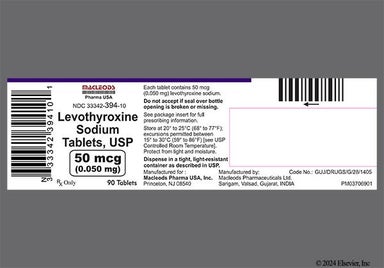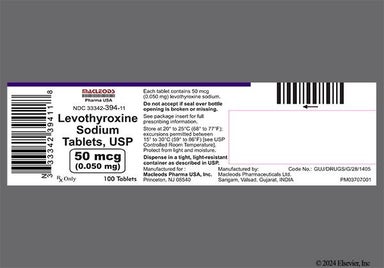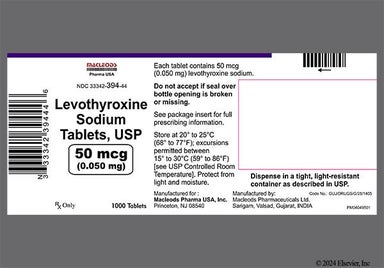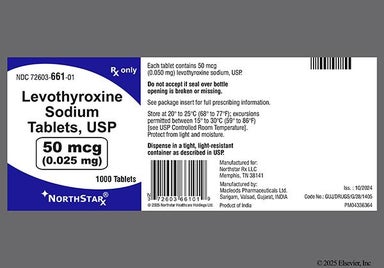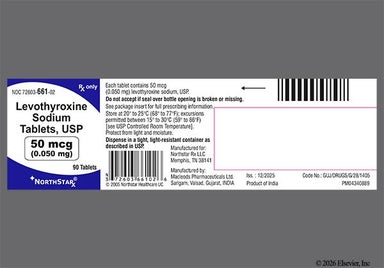




Euthyrox Coupon - Euthyrox 30 tablets of 50mcg package

Euthyrox

levothyroxine
Used for Hypothyroidism, Thyroid Cancer

Levothyroxine is a thyroid hormone used to treat low thyroid hormone levels (hypothyroidism) in people of all ages. It's also approved to help treat thyroid cancer along with radioactive iodine and surgery. The medication is available in tablet and liquid forms and is taken once daily, usually on an empty stomach in the morning. Regular blood tests are needed to keep your dose in the right range. Common side effects happen when the dose is too high and can include fast heartbeat, anxiety, and weight loss.

Reviewed by:Last reviewed on August 21, 2025
basics-icon

What is Levothyroxine?

What is Levothyroxine used for?

How Levothyroxine works

Levothyroxine is a lab-made version of thyroxine (T4), a natural hormone made by your thyroid. It works by replacing or adding to the T4 your body isn’t making. This helps keep your metabolism, energy, heart rate, and body temperature working properly.

In people with thyroid cancer, levothyroxine is used to keep thyroid-stimulating hormone (TSH) levels low. Lowering TSH might help prevent cancer from coming back after treatment.

When does Levothyroxine start working?Time passed since treatment started:
HOURS
DAYS
WEEKS
Full effect
MONTHS

Drug facts

Drug ClassThyroxine (T4)
Controlled Substance ClassificationNot a controlled medication
Generic StatusLower-cost generic available
AvailabilityPrescription only
side-effects-icon

Side effects of Levothyroxine

The following side effects may get better over time as your body gets used to the medication. Let your healthcare provider know immediately if you continue to experience these symptoms or if they worsen over time.

Common Side Effects

Signs of having too much thyroid hormones in the body, such as:

  • Irregular heartbeat
  • Chest pain
  • Shortness of breath
  • Leg cramps
  • Headache
  • Nervousness
  • Hives or skin rash
  • Irritability
  • Trouble sleeping
  • Tremors
  • Muscle weakness
  • Change in appetite
  • Weight loss
  • Vomiting
  • Diarrhea
  • Sweating a lot
  • Sensitivity to heat
  • Fever
  • Changes in menstrual period

Less Common Side Effects

  • Tiredness
  • Anxiety
  • Muscle spasm
  • Fast heart rate
  • Stomach cramps
  • Hair loss
  • Flushing
  • Rash

Levothyroxine serious side effects

Contact your healthcare provider immediately if you experience any of the following.

  • Heart problems: chest pain, shortness of breath, fast or pounding heartbeat
When do Levothyroxine possible side effects begin and end?
Time passed since treatment started:
H
D
W
M
Symptoms of too much thyroid hormone
Seek immediate medical care if you experience this side effect.
If a line continues to the right, you'll likely keep experiencing this side effect once it starts.

Source: DailyMed

The following Levothyroxine side effects have also been reported

Along with its needed effects, a medicine may cause some unwanted effects. Although not all of these side effects may occur, if they do occur they may need medical attention.

Check with your doctor immediately if any of the following side effects occur:

Less common

Chest pain or discomfort

decreased urine output

difficult or labored breathing

difficulty with swallowing

dilated neck veins

extreme fatigue

fainting

fast, slow, irregular, pounding, or racing heartbeat or pulse

fever

heat intolerance

hives or welts, skin itching, rash, or redness

irregular breathing

irritability

menstrual changes

nausea

pain or discomfort in the arms, jaw, back, or neck

sweating

swelling of the eyes, face, lips, throat, or tongue

tightness in the chest

tremors

Rare

Blurred or double vision

dizziness

eye pain

lack or slowing of normal growth in children

limp or walk favoring one leg

pain in the hip or knee

seizures

severe headache

Get emergency help immediately if any of the following symptoms of overdose occur:

Symptoms of overdose

Change in consciousness

cold, clammy skin

confusion

disorientation

fast or weak pulse

lightheadedness

loss of consciousness

sudden headache

sudden loss of coordination

sudden slurring of speech

Some side effects may occur that usually do not need medical attention. These side effects may go away during treatment as your body adjusts to the medicine. Also, your health care professional may be able to tell you about ways to prevent or reduce some of these side effects. Check with your health care professional if any of the following side effects continue or are bothersome or if you have any questions about them:

Less common

Abdominal or stomach cramps

change in appetite

crying

diarrhea

false or unusual sense of well-being

fear or nervousness

feeling not well or unhappy

feeling of discomfort

feeling of warmth

feeling things are not real

feelings of suspicion and distrust

hair loss

headache

increased appetite

mental depression

muscle weakness

quick to react or overreact emotionally

rapidly changing moods

redness of the face, neck, arms, and occasionally, upper chest

restlessness

trouble getting pregnant

trouble sitting still

unusual tiredness or weakness

vomiting

weight gain or loss

Other side effects not listed may also occur in some patients. If you notice any other effects, check with your healthcare professional.

Call your doctor for medical advice about side effects. You may report side effects to the FDA at 1-800-FDA-1088.

prices-container

Get your GoodRx coupon

Avg retail price
$4.000
GoodRx discount
$4.00
See prices
pros-and-cons-icon

Pros and cons of Levothyroxine

Pros

Cons

  • Must be taken on an empty stomach
  • Might take several weeks to find the right dose
  • Requires regular blood tests
  • Interacts with many foods, medications, and supplements
pharmacist-tips-icon

Pharmacist tips for Levothyroxine

pharmacist
  • Take levothyroxine 30 minutes to 1 hour before breakfast on an empty stomach. This helps your body absorb the full amount of the medication.
  • It's important to keep all of your follow-up lab appointments while taking levothyroxine. Your prescriber will use thyroid blood tests to check your hormone levels and adjust your dose if needed.
  • It can take several weeks to find the right dose of levothyroxine that works best for you.
  • Don’t take levothyroxine within 4 hours of iron or calcium supplements, antacids, or other products that might reduce how well it works. These can block your body from absorbing the medication properly.
  • Share a list of your medications with your prescriber before starting levothyroxine. This helps them check for interactions and guide you on when to take your other medications.
  • Soybean flour, walnuts, cottonseed meal, high-fiber foods, and grapefruit juice might reduce how much levothyroxine your body absorbs. Let your prescriber know if you eat these foods often so they can help you adjust your diet if needed.
  • Most side effects of levothyroxine happen when your dose is too high. If you feel anxious, have a fast heart rate, have trouble sleeping, or have other signs of too much thyroid hormone, let your prescriber know.
  • Some people may have temporary hair loss during the first few months of levothyroxine treatment. This side effect is usually mild and goes away over time.
  • Tell your prescriber if you're pregnant, breastfeeding, or planning to become pregnant while taking levothyroxine. Your dose might need to be adjusted to keep you and your baby healthy.

Tips for the liquid solutions:

  • Tirosint Sol: You can squeeze the solution directly into your mouth or onto a spoon and drink it immediately. You can also mix it in a small cup of water, drink it right away, then rinse the cup with more water and drink that too. Don't mix it with any other liquid besides water.
  • Thyquidity or Ermeza liquid solution: Measure your doses with the syringe provided by the pharmacy. Don't use household or kitchen measuring spoons since they might give you the wrong dose.
  • Store the medication at room temperature, away from heat and light. Ermeza and Tirosint Sol should be thrown away 3 months after opening, while Thyquidity should be thrown away 2 months after opening.
faq-icon

Common questions about Levothyroxine

Levothyroxine isn't known to cause weight gain as a side effect. But it’s still possible for you to gain weight while taking it. In most cases, this happens because your dose might be too low. This means your thyroid hormone levels haven't reached the target range. If you notice unexpected or concerning weight gain, talk to your prescriber. They might check your hormone levels and adjust your dose if needed.

It can take about 4 to 6 weeks after starting levothyroxine to feel the full benefits of the medication. Some people might notice their symptoms begin to improve sooner, but results can vary. In the beginning, it might take several weeks to find the dose that works best for you. Your prescriber will check your thyroid hormone levels from time to time. They might also raise your dose slowly to help avoid side effects like headache and nausea. If you’re not sure whether the medication is working, ask your prescriber for guidance.

Levothyroxine is usually taken in the morning, at least 30 minutes before breakfast. This helps your body absorb the medication better because your stomach is empty. But some research shows that taking it at night can work just as well, as long as you separate it from food and other medications.

You might need to take levothyroxine and your other medications at different times to avoid interactions. How long you should wait depends on the medication. For example, take antacids like Tums, wait at least 4 hours before or after taking levothyroxine. Some medications can lessen how much levothyroxine gets absorbed into the body, making it work less well. Others might increase how much levothyroxine stays in your body, which can lead to symptoms of hyperthyroidism. Ask your pharmacist or prescriber if you need to separate your medications.

You might experience some hair loss during the first few months of starting levothyroxine. This side effect is usually temporary and tends to get better with time. Talk to your prescriber if you're concerned about hair loss or if it doesn't improve.

Make sure to take levothyroxine at least 4 hours after your last meal. Eating too soon after taking your dose can affect how well your body can absorb the medication. Foods that are high in fiber, soy products, and walnuts can reduce how much of the medication your body takes in. That’s why it’s generally recommended to take levothyroxine 30 minutes to 1 hour before food, on an empty stomach.

If you stop taking levothyroxine, your low thyroid symptoms will likely return and might even get worse over time. This happens because your body is no longer getting the thyroid hormones it needs to function properly. Don't stop taking levothyroxine without first speaking with your prescriber.

Yes, you can crush levothyroxine tablets. This might be helpful for infants or anyone who has trouble swallowing pills. After crushing the tablet, mix the powder with 1 to 2 teaspoonfuls of water, then give the mixture with a spoon or dropper.

educational-icon

How to save using GoodRx

Compare Prices
1. Compare PricesSpecify your dosage and quantity to find out exactly how much you can save.
Select your free coupon
2. Select your free couponYou can use the displayed coupon, or compare prices at other pharmacies near you.
Show coupon to your pharmacist
3. Show coupon to your pharmacistPresent your printed or electronic coupon when you pick up your prescription.
Get free couponLearn more
warnings-icon

Risks and warnings for Levothyroxine

Levothyroxine can cause some serious health issues. This risk may be even higher for certain groups. If this worries you, talk to your doctor or pharmacist about other options.

Not for weight loss

  • Risk factors: Taking other medications for weight loss

Black Box Warning Levothyroxine shouldn't be used for weight loss. It’s not recommended, safe, or effective for that purpose. Taking high doses of levothyroxine can cause serious or even life-threatening effects, especially if taken with other medications for weight loss.

Heart problems

  • Risk factors: Heart disease | Older adults

Taking too much levothyroxine can cause heart problems, especially if you have heart disease or are an older adult. If you develop new heart symptoms or your current ones get worse, your prescriber might lower your dose or pause treatment for a week before restarting it at a lower dose. Always tell your prescriber if you feel chest pain, a racing heartbeat, or other heart-related symptoms.

Adrenal crisis in people with adrenal insufficiency

  • Risk factors: Adrenal insufficiency

If you have adrenal insufficiency (a condition where your adrenal glands don’t make enough hormones), starting levothyroxine too soon can lead to a serious condition called adrenal crisis. This can happen because thyroid hormone speeds up how your body breaks down steroid hormones, which help you manage stress. To help prevent this, your prescriber will likely treat you with replacement steroids before beginning levothyroxine. If you feel very tired, have stomach pain, feel dizzy or weak, or start vomiting while taking this medication, get medical help right away.

Worsening diabetes

If you have diabetes, starting levothyroxine can make it harder to keep your blood sugar levels under control. You might need to adjust your diabetes medications or insulin after starting, stopping, or changing your dose of levothyroxine. Your prescriber will likely monitor your blood sugar more closely during this time to keep you safe and avoid complications. Let them know if you notice changes in your blood sugar readings or symptoms like increased thirst, frequent urination, or tiredness.

Bone loss

  • Risk factors: Postmenopausal women | Higher doses

Taking levothyroxine can weaken your bones over time, especially if your dose is too high. The risk is greater for women after menopause. This happens because high thyroid hormone levels can make your body break down bone faster than it can rebuild it.

To lower this risk, your prescriber will give you the lowest dose possible that still keeps your thyroid levels in a healthy range. Be sure to attend all follow-up appointments and get regular lab tests to check your hormone levels and bone health.

dosage-icon

Levothyroxine dosage

The average cost for 1 package of 30 tablets of 50mcg of Levothyroxine is $7.19 with a free GoodRx coupon. This is 73.55% off the average retail price of $27.18.
packagePackage
DosageQuantityPrice as low asPrice per unit
30 tablets of 25mcg1 package$6.85$6.85
30 tablets of 50mcg1 package$7.19$7.19
30 tablets of 75mcg3 packages$8.45$2.82
30 tablets of 88mcg1 package$7.44$7.44
30 tablets of 100mcg3 packages$16.25$5.42
30 tablets of 112mcg1 package$8.04$8.04
30 tablets of 125mcg3 packages$16.93$5.64
30 tablets of 137mcg1 package$7.71$7.71
30 tablets of 150mcg3 packages$17.11$5.70
30 tablets of 175mcg3 packages$10.13$3.38
30 tablets of 200mcg1 package$11.63$11.63
90 tablets of 25mcg1 package$15.23$15.23
90 tablets of 50mcg1 package$16.23$16.23
90 tablets of 75mcg1 package$8.48$8.48
90 tablets of 88mcg1 package$16.47$16.47
90 tablets of 100mcg1 package$16.62$16.62
90 tablets of 112mcg1 package$16.99$16.99
90 tablets of 125mcg1 package$17.29$17.29
90 tablets of 137mcg1 package$16.63$16.63
90 tablets of 150mcg1 package$16.94$16.94
90 tablets of 175mcg1 package$18.66$18.66
90 tablets of 200mcg1 package$18.28$18.28

Typical dosage for Levothyroxine

Hypothyroidism:

  • Adults: The typical starting dose is 1.6 mcg/kg of body weight, taken by mouth once a day. After 4 to 6 weeks, your dose might be adjusted based on your thyroid hormone levels.
    • Your dose might be lower if you have heart problems or are an older adult.
  • Children: The typical starting dose ranges from 1.6 mcg/kg to 10-15 mcg/kg per day, based on your child's age and body weight. After 2 weeks, the dose might be adjusted based on their thyroid hormone levels.
    • Your child's dose might be lower if they have heart problems.

Thyroid cancer:

  • Your dose will depend on your thyroid hormone levels and the stage of cancer.
interactions-icon

Interactions between Levothyroxine and other drugs

Levothyroxine may interact with certain medications or supplements. Always let your doctor and pharmacist know about any other medications or supplements (including prescribed and over-the-counter medications, vitamins, and dietary or herbal supplements) that you are currently taking. The list below does not include all possible drug interactions with Levothyroxine. Please note that only the generic name of each medication is listed below.

Although certain medicines should not be used together at all, in other cases two different medicines may be used together even if an interaction might occur. In these cases, your doctor may want to change the dose, or other precautions may be necessary. When you are taking this medicine, it is especially important that your healthcare professional know if you are taking any of the medicines listed below. The following interactions have been selected on the basis of their potential significance and are not necessarily all-inclusive.

Using this medicine with any of the following medicines is usually not recommended, but may be required in some cases. If both medicines are prescribed together, your doctor may change the dose or how often you use one or both of the medicines.

Using this medicine with any of the following medicines may cause an increased risk of certain side effects, but using both drugs may be the best treatment for you. If both medicines are prescribed together, your doctor may change the dose or how often you use one or both of the medicines.

cost-icon

How much does Levothyroxine cost?

To access savings, use a GoodRx coupon and pay just a fraction of the retail price.
contraindications-icon

Levothyroxine contraindications

Contraindications are specific health conditions or situations in which a person should not take a medication due to safety concerns. If you have any of the following conditions or if any of the following apply to you, let your healthcare provider know because Levothyroxine will not be safe for you to take.

  • Untreated adrenal gland problems
alternatives-icon

What are alternatives to Levothyroxine?

There are a number of medications that your doctor can prescribe in place of Levothyroxine. Compare a few possible alternatives below.
Levothyroxine
Used for:
$4.00Lowest GoodRx priceView prices
Used for:
$4.00Lowest GoodRx priceView prices
Used for:
$47.40Lowest GoodRx priceView prices
latest-news-icon

News about Levothyroxine

Armour Thyroid and levothyroxine are both medications used to treat hypothyroidism. But how are they different?
Armour Thyroid vs. Levothyroxine for Hypothyroidism: 7 Differences to Know
Armour Thyroid and levothyroxine are both medications used to treat hypothyroidism. But how are they different?
Levothyroxine is a synthetic hormone that treats hypothyroidism. The cost of levothyroxine without insurance varies depending on several factors.
How Much Is Levothyroxine Without Insurance?
Levothyroxine is a synthetic hormone that treats hypothyroidism. The cost of levothyroxine without insurance varies depending on several factors.
Loss of smell or taste is a nuisance. While it may happen after COVID-19, there are other causes too. Here’s what can cause loss of taste and smell.
10 Causes of Loss of Smell and Taste Besides COVID
Loss of smell or taste is a nuisance. While it may happen after COVID-19, there are other causes too. Here’s what can cause loss of taste and smell.
Learn about natural thyroid medications and why they might not always be the right choice over newer, FDA-approved thyroid medications.
Natural vs. Synthetic: Natural Thyroid Medications Sound Better, But Are They Really?
Learn about natural thyroid medications and why they might not always be the right choice over newer, FDA-approved thyroid medications.
Here are 10 things you should know before taking levothyroxine, including what it’s for, side effects, brands, cost, and more.
What Is Levothyroxine for? Plus 9 Things You May Not Know About Taking It
Here are 10 things you should know before taking levothyroxine, including what it’s for, side effects, brands, cost, and more.
Levothyroxine interactions can prevent your medication from working as intended. Did you know some foods and OTC medicines you consume daily can interfere with your thyroid medication? Learn how levothyroxine interacts with coffee, alcohol, and other medications with GoodRx.
From Prilosec to Coffee, 9 Levothyroxine Interactions to Know About
Levothyroxine interactions can prevent your medication from working as intended. Did you know some foods and OTC medicines you consume daily can interfere with your thyroid medication? Learn how levothyroxine interacts with coffee, alcohol, and other medications with GoodRx.
Untreated hypothyroidism can cause mental health issues, heart disease, and fertility problems. Here’s how to spot and treat hypothyroidism in the early stages.
What Happens If You Leave Hypothyroidism Untreated?
Untreated hypothyroidism can cause mental health issues, heart disease, and fertility problems. Here’s how to spot and treat hypothyroidism in the early stages.
There are some signs that your thyroid medication is working. Discover what these key indicators are and learn what may be interfering with your thyroid health.
8 Signs Your Thyroid Medication Is Working
There are some signs that your thyroid medication is working. Discover what these key indicators are and learn what may be interfering with your thyroid health.
Women are 10 times more likely to have symptoms of hypothyroidism than men. Here are the signs and symptoms to look out for.
Hypothyroidism in Women: 10 Signs and Symptoms to Know
Women are 10 times more likely to have symptoms of hypothyroidism than men. Here are the signs and symptoms to look out for.
Taking thyroid medication at the same time every day is important to prevent hypothyroidism symptoms. Learn what happens if you forget a dose and more.
What Happens If You Miss a Dose of Thyroid Hormone Medication?
Taking thyroid medication at the same time every day is important to prevent hypothyroidism symptoms. Learn what happens if you forget a dose and more.
images-icon

Levothyroxine images

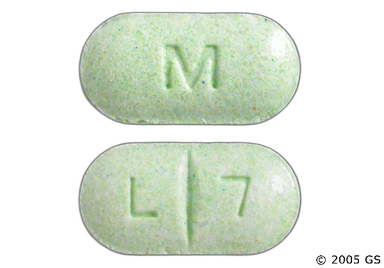
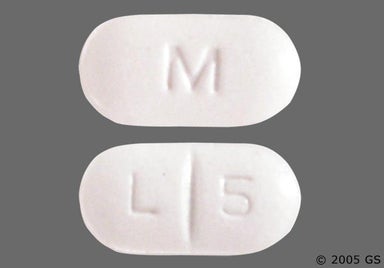
White Oblong M And L 5 - Levothyroxine Sodium 50mcg Tablet
This medicine is White, Oblong, Scored Tablet Imprinted With "M" And "L 5".White Oblong M And L 5 - Levothyroxine Sodium 50mcg Tablet
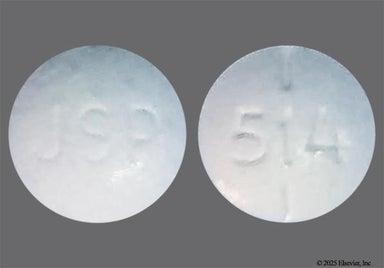
White Round Jsp And 514 - Levothyroxine Sodium 50mcg Tablet
This medicine is White, Round, Notched Tablet Imprinted With "Jsp" And "514".White Round Jsp And 514 - Levothyroxine Sodium 50mcg Tablet
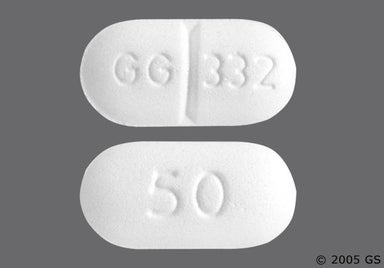
White Oblong Gg 332 And 50 - Levothyroxine Sodium 50mcg Tablet
This medicine is White, Oblong, Scored Tablet Imprinted With "Gg 332" And "50".White Oblong Gg 332 And 50 - Levothyroxine Sodium 50mcg Tablet
White Round M57 - Levothyroxine Sodium 50mcg Tablet
This medicine is White, Round, Scored Tablet Imprinted With "M57".White Round M57 - Levothyroxine Sodium 50mcg Tablet
White Round M57 - Levothyroxine Sodium 50mcg Tablet
This medicine is White, Round, Scored Tablet Imprinted With "M57".White Round M57 - Levothyroxine Sodium 50mcg Tablet
White Round M57 - Levothyroxine Sodium 50mcg Tablet
This medicine is White, Round, Scored Tablet Imprinted With "M57".White Round M57 - Levothyroxine Sodium 50mcg Tablet
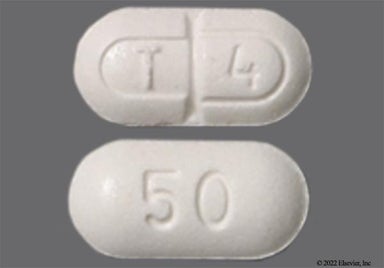
White Oblong T 4 And 50 - Levothyroxine Sodium 50mcg Tablet
This medicine is White, Oblong, Scored Tablet Imprinted With "50" And "T 4".White Oblong T 4 And 50 - Levothyroxine Sodium 50mcg Tablet
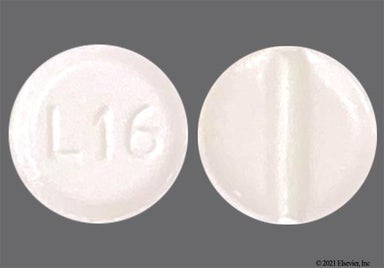
White Round L16 - Levothyroxine Sodium 50mcg Tablet
This medicine is White, Round, Scored Tablet Imprinted With "L16".White Round L16 - Levothyroxine Sodium 50mcg Tablet
White Round M57 - Levothyroxine Sodium 50mcg Tablet
This medicine is White, Round, Scored Tablet Imprinted With "M57".White Round M57 - Levothyroxine Sodium 50mcg Tablet

Get savings updates for Levothyroxine

Receive price alerts, news, and other messages from GoodRx about Levothyroxine and other healthcare topics and relevant savings offers.

By providing your email, you consent to receive marketing communications from GoodRx, which may include content and/or data related to men's health, women's health, reproductive care, or sexual health. You agree to the GoodRx Terms of Use and acknowledge the Privacy Policy. You can unsubscribe at any time.

References

Best studies we found

American Cancer Society. (2024). Radioactive Iodine (Radioiodine) Therapy for Thyroid Cancer.

American Cancer Society. (2024). Thyroid Hormone Therapy.

Azurity Pharmaceuticals, Inc. (2025). THYQUIDITY- levothyroxine sodium solution [package insert]. DailyMed.

GoodRx Health has strict sourcing policies and relies on primary sources such as medical organizations, governmental agencies, academic institutions, and peer-reviewed scientific journals. Learn more about how we ensure our content is accurate, thorough, and unbiased by reading our editorial guidelines.

Was this page helpful?