






How Much Is Keppra Without Insurance?
Your Keppra prescription will likely cost more without insurance. Learn how much your Keppra medication could cost without insurance.
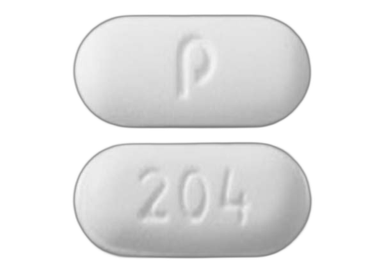
Extended-release levetiracetam (Keppra XR) is an antiepileptic medication that’s used to manage seizures for dogs and for cats. It’s an extended-release (ER) tablet that pets take by mouth. Levetiracetam ER is available at regular pharmacies with a prescription from the vet. Pets usually need to take their dose twice per day. Side effects of levetiracetam ER aren’t too common but can include sleepiness and trouble walking.

Levetiracetam ER is an antiepileptic medication, which means it helps with seizures.
It’s not clear how levetiracetam ER works to lessen how often seizures happen. But it’s thought to work by blocking certain chemicals in the brain to calm down brain activity. This helps prevent seizures.
| Common Brands | Keppra XR |
|---|---|
| Drug Class | Antiepileptic |
| Controlled Substance Classification | Not a controlled medication |
| Generic Status | Lower-cost generic available |
| Availability | Prescription only |

The following side effects might get better over time as your pet gets used to the medication. Let your veterinarian know immediately if your pet continues to experience these symptoms or if they worsen over time.
Contact your veterinarian immediately if your pet experiences any of the following.
Along with its needed effects, a medicine may cause some unwanted effects. Although not all of these side effects may occur, if they do occur they may need medical attention.
Check with your doctor immediately if any of the following side effects occur:
More common
Aggressive or angry
change in personality
chills
crying
deep or fast breathing with dizziness
delusions of persecution, mistrust, suspiciousness, or combativeness
false or unusual sense of well-being
feeling of unreality
general feeling of discomfort or illness
headache
hoarseness
irregular heartbeat
irritability
joint pain
loss of appetite
lower back or side pain
mental depression
muscle aches and pains
numbness of the feet, hands, and around the mouth
painful or difficult urination
quick to react or overreact emotionally
rapidly changing moods
restlessness
sense of detachment from self or body
shaking
shivering
sleepiness or unusual drowsiness
stuffy or runny nose
sweating
trouble sleeping
unusual tiredness or weakness
vomiting
Less common
Bloody nose
burning, crawling, itching, numbness, prickling, "pins and needles", or tingling feelings
clumsiness or unsteadiness
discouragement
dizziness or lightheadedness
double vision
feeling of constant movement of self or surroundings
feeling sad or empty
increase in body movements
loss of bladder control
loss of memory
mood or mental changes
outburst of anger
pain or tenderness around the eyes and cheekbones
problems with memory
redness or swelling in the ear
seizures
sensation of spinning
shakiness and unsteady walk
shakiness in the legs, arms, hands, or feet
tightness of the chest
trembling or shaking of the hands or feet
trouble concentrating
unsteadiness, trembling, or other problems with muscle control or coordination
Incidence not known
Attempts at killing oneself
being forgetful
bleeding gums
blistering, peeling, or loosening of the skin
blood in the urine or stools
bloody, black, or tarry stools
blurred vision
changes in vision
coma
confusion
dark urine
difficulty with moving
fast heartbeat
fever with or without chills
general feeling of tiredness or weakness
high fever
increased thirst
indigestion
large, hive-like swelling on the face, eyelids, lips, tongue, throat, hands, legs, feet, or sex organs
light-colored stools
muscle pains or stiffness
pains in the stomach, side, or abdomen, possibly radiating to the back
pale skin
pinpoint red spots on the skin
red skin lesions, often with a purple center
red, irritated eyes
skin rash, encrusted, scaly, and oozing
sores, ulcers, or white spots on the lips or in the mouth
stomach pain, continuing
swelling of the face, ankles, or hands
swollen glands
swollen joints
thoughts or attempts at killing oneself
trouble with balance
twitching, twisting, or uncontrolled repetitive movements of the tongue, lips, face, arms, or legs
uncontrolled jerking or twisting movements of the hands, arms, or legs
uncontrolled movements of the lips, tongue, or cheeks
unexplained bleeding or bruising
unusual bleeding or bruising
upper right abdominal or stomach pain
yellow eyes or skin
Some side effects may occur that usually do not need medical attention. These side effects may go away during treatment as your body adjusts to the medicine. Also, your health care professional may be able to tell you about ways to prevent or reduce some of these side effects. Check with your health care professional if any of the following side effects continue or are bothersome or if you have any questions about them:
More common
Loss of strength or energy
muscle pain or weakness
tender, swollen glands in the neck
trouble swallowing
unusual weak feeling
voice changes
Less common
Body aches or pain
burning, dry, or itching eyes
change in the color of the skin
congestion
cough increased
Incidence not known
Hair loss or thinning of the hair
Other side effects not listed may also occur in some patients. If you notice any other effects, check with your healthcare professional.
Call your doctor for medical advice about side effects. You may report side effects to the FDA at 1-800-FDA-1088.




Levetiracetam ER can cause some serious health issues. This risk might be even higher for certain pets. If this worries you, talk to your veterinarian about other options.
Talk to your vet before lowering your pet’s dose or stopping giving them levetiracetam ER. If you do this suddenly, your pet can be at risk of having seizures again. These withdrawal seizures might happen more often or be less controllable.
To lower the risk of withdrawal seizures, the vet will slowly lower the dose over time to see how your pet reacts. Make sure you know when you need to get refills so your pet doesn’t run out of medication.
Although uncommon, your dog or cat might behave differently while they’re taking levetiracetam ER.
In one study, some dogs that took immediate-release levetiracetam showed signs of anxiety, aggression, or depression. Others wandered around aimlessly or had more attention-seeking behavior. Some dogs that already had behavior problems also got worse. But other dogs in the same study were calmer or happier. In another study, some cats became more alert and had more energy after taking the medication.
Talk to your vet if you’re worried about any unusual behavior your pet shows after starting levetiracetam ER.
In a study, dogs with kidney problems had more side effects after taking immediate-release levetiracetam. These included being sleepy, having trouble walking, and having an upset stomach. Their blood tests also showed higher levels of creatinine and blood urea nitrogen (BUN). These test results might mean the medication made their kidney problems worse.
Let your vet know if your pet has kidney problems. Your vet might need to prescribe a lower dose of levetiracetam ER to be safe. Also, watch how much water your pet is drinking and be sure they’re staying hydrated. This medication can make pets feel sleepy, which might make them drink less water. Dehydration can lead to kidney problems or make them worse.

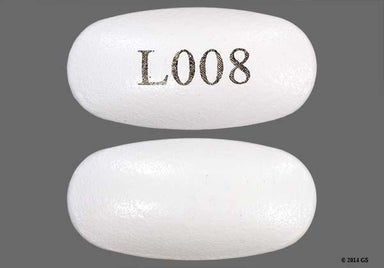
 Tablet
| Dosage | Quantity | Price as low as | Price per unit |
|---|---|---|---|
| 500mg | 60 tablets | $22.27 | $0.37 |
| 750mg | 60 tablets | $28.59 | $0.48 |

Although certain medicines should not be used together at all, in other cases two different medicines may be used together even if an interaction might occur. In these cases, your doctor may want to change the dose, or other precautions may be necessary. When you are taking this medicine, it is especially important that your healthcare professional know if you are taking any of the medicines listed below. The following interactions have been selected on the basis of their potential significance and are not necessarily all-inclusive.
Using this medicine with any of the following medicines is usually not recommended, but may be required in some cases. If both medicines are prescribed together, your doctor may change the dose or how often you use one or both of the medicines.
Using this medicine with any of the following medicines may cause an increased risk of certain side effects, but using both drugs may be the best treatment for you. If both medicines are prescribed together, your doctor may change the dose or how often you use one or both of the medicines.




Prescription savings
Stop paying too much for your prescriptions. Compare prices, get pharmacy coupons, and save up to 80%. Find expert answers to your health questions so you can make the best decisions for yourself and your family.
Health conditions
Medications & treatment
Access & affordability
 Our monthly healthcare membership can help you save thousands on your prescription costs.
Resources

With your vet’s help, your dog can switch between taking immediate-release levetiracetam (Keppra) and extended-release levetiracetam (Keppra XR). But you shouldn’t make the switch on your own. The vet can make sure your dog gets the right dose for whichever form of levetiracetam they’re switching to. The dose for immediate-release and extended-release tablets is different. Talk to your vet first if you want to switch your dog’s formulation of levetiracetam. Don’t try to make changes yourself, or you might give your dog too much or too little medication.
You can buy Levetiracetam ER for dogs at any pharmacy that accepts prescriptions. This includes regular pharmacies and online pet pharmacies. You need a valid prescription for Levetiracetam ER from a licensed veterinarian. This is because a vet can find a safe dose for your dog and monitor them during treatment. Ask a vet where you can buy Levetiracetam ER for your dog if you’re not sure.
It takes about 12 hours for Levetiracetam ER to reach the level in your dog’s body that can keep seizures minimal. But it might take a few days to see the full effects of the medication. Keep track of your dog’s seizures and talk to your vet about how well Levetiracetam ER is working. The vet can decide if they need to adjust your dog’s treatment.
Yes, your vet might prescribe both Levetiracetam ER and phenobarbital to control your dog’s seizures. They both help lower how many and how severe the seizures are. It’s important to follow your vet’s directions when giving these medications. Your dog might need a higher dose of Levetiracetam ER to help control seizures because phenobarbital can make it not work as well. Giving these two medications together might also raise the risk for side effects, like sleepiness. And, your dog might need blood tests to make sure the medications are safe and working well. Ask your vet if you have questions about giving your dog these two medications together.
Yes, a side effect of Levetiracetam ER that dogs could have is sleepiness. If you’re worried your dog is too sleepy after taking this medication, talk to your vet. Don’t stop giving Levetiracetam ER without asking the vet first, even if you’re worried about side effects. Stopping the medication too suddenly can cause your dog’s seizures to come back.
No, don’t cut Levetiracetam ER in half or crush the tablets. You also shouldn’t break them or let your dog chew them. These extended-release tablets have a coating that helps the medication come out slowly over several hours. If the coating breaks, too much medication can get into your dog’s body too fast. This might not be safe and might not help control seizures as long. If your dog has trouble swallowing the tablet whole, talk to your vet. They might suggest a different form of levetiracetam that might be easier for your dog to take, like the immediate-release liquid.
