ammonium lactate
Ammonium lactate is a medicated topical product that's used to treat dry, scaly, and itchy skin. It comes as lotions and creams that's rubbed into the affected skin twice a day. Ammonium lactate can cause few side effects, such as rash, burning, or stinging. It can also make your skin more sensitive to sunlight and burn more easily. Ammonium lactate is available as a generic by prescription. You can also find it over the counter as AmLactin brand-name products.


What is Ammonium lactate?
What is Ammonium lactate used for?
- Dry skin
- Ichthyosis vulgaris (a skin condition that causes dry, thick, scaly skin)
How Ammonium lactate works
Ammonium lactate is an alpha-hydroxy acid (AHA). Experts don't know exactly how it relieves dry and itchy skin. But it's thought to help boost healthy skin renewal through gentle skin exfoliation. It also appears to help keep the skin moisturized.
Drug facts
| Common Brands | AmLactin |
|---|---|
| Drug Class | Alpha-hydroxy acid |
| Controlled Substance Classification | Not a controlled medication |
| Generic Status | Lower-cost generic available |
| Availability | Prescription or over-the-counter |

Side effects of Ammonium lactate
The following side effects may get better over time as your body gets used to the medication. Let your healthcare provider know immediately if you continue to experience these symptoms or if they worsen over time.
Common Side Effects
- Rash, including skin redness or irritation (10-15%)
- Burning or stinging (10-15%)
Less Common Side Effects
- Itching
- Dry skin
Ammonium lactate serious side effects
Contact your healthcare provider immediately if you experience any of the following.
- Allergic reaction: hives, severe rash, swelling
The following Ammonium lactate side effects have also been reported
Side effects that you should report to your care team as soon as possible:
- Allergic reactions—skin rash, itching, hives, swelling of the face, lips, tongue, or throat
- Burning, itching, crusting, or peeling of treated skin
Side effects that usually do not require medical attention (report these to your care team if they continue or are bothersome):
- Change in skin color
- Mild skin irritation, redness, or dryness
- Skin reactions on sun-exposed areas

Pros and cons of Ammonium lactate
Pros
- Helps relieve and treat dry, flaky, or scaly skin
- Prescription versions can be used on children as young as 2 years old
- Also available over the counter
Cons
- Can make your skin more sensitive to sunlight and cause sunburn
- Can cause stinging, burning, or irritation where it's applied
- Might take a few weeks of regular use to see results

Pharmacist tips for Ammonium lactate

How to apply ammonium lactate:
- Wash your hands before and after using ammonium lactate, unless you're applying it to your hands.
- For the ammonium lactate lotion: Shake the bottle well before you apply it onto your skin.
- Rub ammonium lactate thoroughly into the affected area(s) of skin.
- Be careful if you need to use ammonium lactate on your face. This medication can cause irritation to sensitive areas. Avoid getting it near or in your eyes, lips, mouth, or nose.
- Avoid using ammonium lactate on cuts, scrapes, or freshly shaved skin. It can cause stinging or burning, especially on skin that's already irritated.
General tips:
- Use ammonium lactate every day as directed. It might take a few weeks to notice smoother skin. Tell your prescriber if your skin doesn't improve or gets worse.
- Protect your skin from the sun while using ammonium lactate. This medication can make your skin more sensitive to sunlight, so you can burn more easily. Limit your time in the sun, wear protective clothing, and use sunscreen with an SPF of 30 or higher. This is a good idea even during the winter and on overcast days.
- Ammonium lactate products, especially AmLactin, can have a natural smell that you might not like. The smell should fade after you apply the product. If it bothers you, ask a healthcare professional or pharmacist about other options.
- Store ammonium lactate at room temperature and away from light.
- If you're pregnant or breastfeeding: Talk to a healthcare professional before using ammonium lactate. There isn't enough information to know if it's safe during pregnancy or while breastfeeding. Your care team can help you decide if ammonium lactate is right for you or if another option is better.

Risks and warnings for Ammonium lactate
Ammonium lactate can cause some serious health issues. This risk may be even higher for certain groups. If this worries you, talk to your doctor or pharmacist about other options.
Sunburn
Ammonium lactate can make your skin more sensitive to sunlight, so you might get sunburned more easily. Limit sun exposure on areas where you apply the medication. Wear protective clothing and use sunscreen with an SPF of 30 or higher when you're outside, even on cloudy days or in the winter.
For use on skin only
Only use ammonium lactate on your skin. Avoid getting it in your eyes, mouth, nose, or genital area. If the medication gets into any of these areas, rinse well with water.

Ammonium lactate dosage


How much does Ammonium lactate cost?
$20.57

What are alternatives to Ammonium lactate?

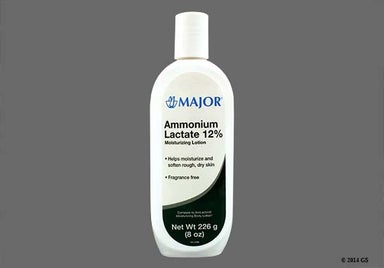
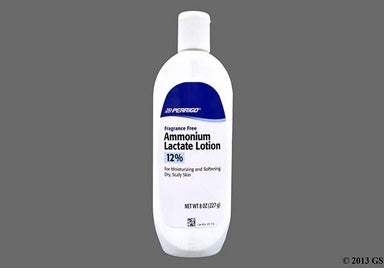
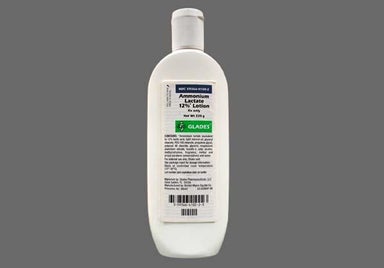
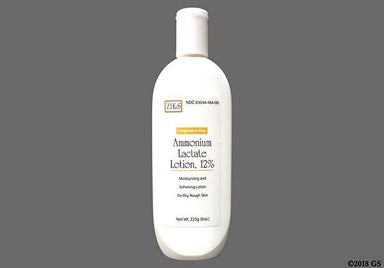
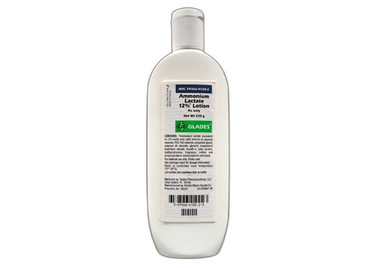
Ammonium lactate images