



Choosing ADHD Medication: A Guide for Adults and Children
How do you choose the best medication for attention-deficit hyperactivity disorder (ADHD)? Here’s what you need to know about ADHD medications, from how they work to the risks.
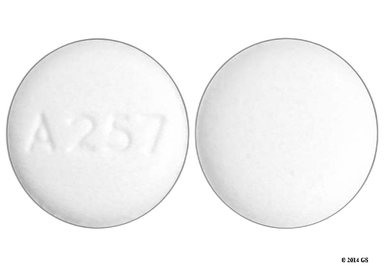
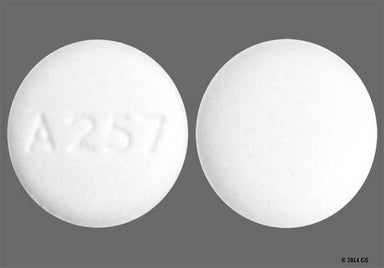
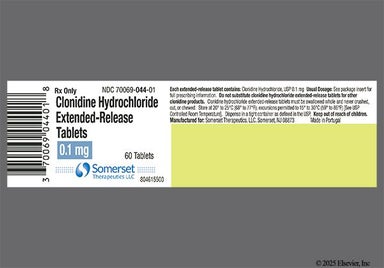
Extended-release clonidine (Kapvay) is an alpha-2 agonist. It's a non-stimulant medication used to treat attention deficit-hyperactivity disorder (ADHD) in adults and children. Clonidine ER (Kapvay) is taken by mouth, typically twice per day. Some of the more common side effects include sleepiness and headache. This medication rarely causes insomnia (trouble sleeping), and isn't known to cause weight gain. Brand name Kapvay has been discontinued; clonidine ER (Kapvay) is only available as a generic medication.

Clonidine ER (Kapvay) is an alpha-2 agonist. It's not exactly clear how clonidine ER (Kapvay) treats ADHD. But it's thought to work by binding (attaching) to alpha-2 receptors in the part of the brain that's involved in attention and focus.
| Common Brands | Kapvay |
|---|---|
| Drug Class | Alpha-2 adrenergic agonist |
| Controlled Substance Classification | Not a controlled medication |
| Generic Status | Lower-cost generic available |
| Availability | Prescription only |

The following side effects may get better over time as your body gets used to the medication. Let your healthcare provider know immediately if you continue to experience these symptoms or if they worsen over time.
Contact your healthcare provider immediately if you experience any of the following.
Along with its needed effects, a medicine may cause some unwanted effects. Although not all of these side effects may occur, if they do occur they may need medical attention.
Check with your doctor immediately if any of the following side effects occur:
Rare
blistering, burning, crusting, dryness, or flaking of the skin
chest pain or discomfort
confusion as to time, place, or person
decreased urine output
dilated neck veins
drowsiness
fast, pounding, or irregular heartbeat or pulse
general feeling of discomfort or illness
holding false beliefs that cannot be changed by fact
hyperventilation
irregular breathing
irritability
itching, scaling, severe redness, soreness, or swelling of the skin
large, hive-like swelling on the face, eyelids, lips, tongue, throat, hands, legs, feet, or sex organs
lightheadedness, dizziness, or fainting
mental depression
paleness or cold feeling in the fingertips and toes
pounding, slow heartbeat
problems in urination or increase in the amount of urine
raised red swellings on the skin, lips, tongue, or in the throat
restlessness
seeing or hearing things that are not there
shaking
shortness of breath
skin rash
swelling of the face, fingers, feet, or lower legs
tightness in the chest
tingling or pain in the fingers or toes when exposed to cold
trouble with sleeping
troubled breathing
unusual excitement, nervousness, or restlessness
unusual tiredness or weakness
vivid dreams or nightmares
Get emergency help immediately if any of the following symptoms of overdose occur:
Symptoms of overdose
Dizziness (extreme) or faintness
feeling cold
pinpoint pupils of the eyes
unusual tiredness or weakness (extreme)
Some side effects may occur that usually do not need medical attention. These side effects may go away during treatment as your body adjusts to the medicine. Also, your health care professional may be able to tell you about ways to prevent or reduce some of these side effects. Check with your health care professional if any of the following side effects continue or are bothersome or if you have any questions about them:
More common
Other side effects not listed may also occur in some patients. If you notice any other effects, check with your healthcare professional.
Call your doctor for medical advice about side effects. You may report side effects to the FDA at 1-800-FDA-1088.




Clonidine ER (Kapvay) can cause some serious health issues. This risk may be even higher for certain groups. If this worries you, talk to your doctor or pharmacist about other options.
Because clonidine ER (Kapvay) works by lowering norepinephrine, it can lower your blood pressure and slow your heart rate. Depending on your other medical conditions, your prescriber might recommend you measure and record your blood pressure at home. If you experience signs of low blood pressure like dizziness or lightheadedness, talk to your prescriber right away. They might need to lower your dose. But, if you've been taking clonidine ER (Kapvay) for a long time and suddenly stop it, you can experience a "rebound" effect and get suddenly high blood pressure. Some other rebound symptoms include headache, fast heart rate, nausea, chest tightness, or feeling nervous or anxious. Try not to miss any doses and don't stop taking clonidine ER (Kapvay) without talking to your healthcare professional first. They will help you get off this medication slowly and safely.
Clonidine ER (Kapvay) can also cause heart rhythm problems, like heart block. Your prescriber might order an EKG regularly throughout treatment to test you for an abnormal heart rhythm. If you experience signs of heart rate or rhythm problems like chest discomfort or fainting, go to the hospital right away because you might need emergency treatment.
To lower your risk for these heart-related side effects, your prescriber will start you on clonidine ER (Kapvay) at a low dose and slowly raise it based on how well you're tolerating the medication.
Clonidine ER (Kapvay) can cause extreme sleepiness and drowsiness, especially if you're taking higher doses. This can affect your ability to think, react, and focus. Your risk is higher if you're also taking other medications that can cause drowsiness, such as benzodiazepines, anxiety medications, muscle relaxants, and sleep medications. Make sure you know how this medication affects you before driving a car or doing activities that require your concentration. Talk to your healthcare team right away if you feel too sleepy from clonidine ER (Kapvay).
Let your healthcare team know if you've ever had a skin rash after using the clonidine patch. If so, you might also have an allergic reaction to clonidine ER (Kapvay). Depending on how serious your reaction was, they might ask you to consider other options.


Although certain medicines should not be used together at all, in other cases two different medicines may be used together even if an interaction might occur. In these cases, your doctor may want to change the dose, or other precautions may be necessary. When you are taking this medicine, it is especially important that your healthcare professional know if you are taking any of the medicines listed below. The following interactions have been selected on the basis of their potential significance and are not necessarily all-inclusive.
Using this medicine with any of the following medicines is usually not recommended, but may be required in some cases. If both medicines are prescribed together, your doctor may change the dose or how often you use one or both of the medicines.
Using this medicine with any of the following medicines may cause an increased risk of certain side effects, but using both drugs may be the best treatment for you. If both medicines are prescribed together, your doctor may change the dose or how often you use one or both of the medicines.


Contraindications are specific health conditions or situations in which a person should not take a medication due to safety concerns. If you have any of the following conditions or if any of the following apply to you, let your healthcare provider know because Clonidine ER (Kapvay) will not be safe for you to take.





Prescription savings
Stop paying too much for your prescriptions. Compare prices, get pharmacy coupons, and save up to 80%. Find expert answers to your health questions so you can make the best decisions for yourself and your family.
Health conditions
Medications & treatment
Access & affordability
Medication discounts


While studies show that Clonidine ER can help with symptoms of ADHD, it's not a first-choice option, even among other non-stimulant ADHD medications. Clonidine ER might be an option for people who can't or don't want to take stimulants. Or, it might be prescribed as an add-on medication for people already taking other ADHD medications. When you start Clonidine ER, your psychiatrist will raise your dose slowly over time. It can take several weeks before you experience the full effects of this medication. Talk to your psychiatrist if you have questions about how well Clonidine ER works.
The effects of Clonidine ER last for about 12 hours, which is why it's taken twice per day. Talk to your prescriber if you have concerns with how long Clonidine ER lasts for you.
No, weight gain isn't a typical side effect of Clonidine ER. If you notice unexplained changes in your weight, contact your primary care provider. They can help you figure out potential causes.
No, Clonidine ER isn't a controlled substance because it doesn't have a risk of addiction or dependence.
No, Clonidine ER is a non-stimulant option for treating ADHD. Stimulant medications are first-choice options for ADHD. But they might not be an appropriate choice for everyone because they can cause serious side effects, like trouble sleeping and poor appetite. In addition, stimulant medications for ADHD are also controlled substances because they have a risk of addiction and dependence. Clonidine ER might be an option for people who can't or don't want to take stimulant medications for ADHD.
Both Clonidine ER and clonidine (Catapres, Nexiclon XR) contain clonidine as the active ingredient. But they're FDA-approved to treat different conditions. Kapvay is used to treat ADHD, whereas Catapres and Nexiclon XR are used to treat high blood pressure. They also contain different doses of clonidine. Different forms of clonidine shouldn't be substituted for one another. Talk with your healthcare team if you have more questions about Clonidine ER or clonidine (Catapres, Nexiclon XR).
