


12 Medications That Can Be Dangerous to Take If You’re Pregnant
Did you know warfarin and some acne medications can harm a developing fetus? Review which medications are the most dangerous to take during pregnancy.
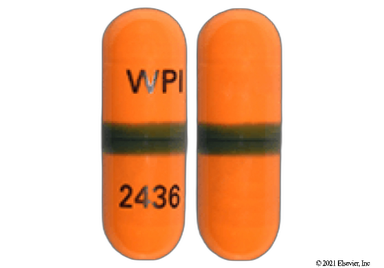
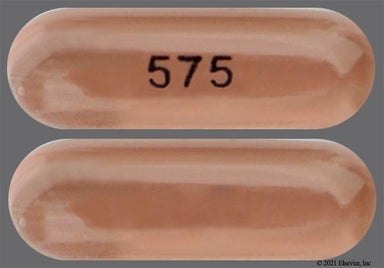
Absorica (isotretinoin) is a retinoid used to treat severe acne in people 12 years and older that can't be cleared up by other acne treatments, including antibiotics. It comes as a capsule that you take by mouth twice a day, typically for 4 to 5 months at a time. Absorica (isotretinoin) comes in both brand and generic versions, but it isn't interchangeable with the brand Accutane (isotretinoin). Common side effects include dry lips, dry skin, back pain, and dry eye.

Absorica (isotretinoin) is a retinoid, which is a type of vitamin A. It works by lowering the amount of oil your skin makes, which helps prevent clogged pores and clear acne. It also helps your skin renew itself more quickly and reduces inflammation.
| Common Brands | Absorica, Absorica LD |
|---|---|
| Drug Class | Retinoic acid derivative |
| Controlled Substance Classification | Not a controlled medication |
| Generic Status | Lower-cost generic available |
| Availability | Prescription only |

The following side effects may get better over time as your body gets used to the medication. Let your healthcare provider know immediately if you continue to experience these symptoms or if they worsen over time.
Contact your healthcare provider immediately if you experience any of the following.
Side effects that you should report to your care team as soon as possible:
Side effects that usually do not require medical attention (report to your care team if they continue or are bothersome):



Pregnancy prevention tips:

Absorica (isotretinoin) can cause some serious health issues. This risk may be even higher for certain groups. If this worries you, talk to your doctor or pharmacist about other options.
 Absorica (isotretinoin) can cause severe harm to unborn babies, including birth defects, miscarriage, and premature birth. Because of this risk, Absorica (isotretinoin) is only available through a special Risk Evaluation and Mitigation Strategies (REMS) program called iPLEDGE. You, your prescriber, and your pharmacy must all be enrolled in the program.
If you can get pregnant, you must use two forms of birth control for 1 month before starting treatment, during treatment, and for 1 month after your last dose. You'll also need regular pregnancy tests while taking the medication.
Don't donate blood while taking Absorica (isotretinoin) or for 1 month after your last dose. The medication could be passed to a pregnant person through a blood transfusion and harm their unborn baby.
Absorica (isotretinoin) might affect your mood, thoughts, or behavior. In rare cases, people taking this medication reported depression, delusions, hallucinations, aggressive behavior, and suicidal thoughts or behavior. Stop taking the medication and contact your prescriber right away if you or your loved ones notice depression, unusual mood changes, aggressive behavior, or thoughts of self-harm.
Absorica (isotretinoin) can cause high pressure in the brain. Your risk is higher if you take certain antibiotics called tetracyclines at the same time, so this combination should be avoided.
Tell your care team right away if you have symptoms like severe headache, nausea, vomiting, or changes in your vision while taking Absorica (isotretinoin). You might need to stop the medication and get medical care right away.
Absorica (isotretinoin) can rarely cause severe skin reactions that could be life-threatening, such as Stevens-Johnson syndrome (SJS). These reactions can cause a widespread rash, blisters, peeling skin, or sores in your mouth, eyes, or other areas.
Stop taking the medication and get medical help right away if you notice a severe rash, blistering, peeling skin, or other unusual skin changes. Your care team might tell you to stop the medication permanently.
Absorica (isotretinoin) can rarely cause pancreatitis, which is inflammation of the pancreas. Stop taking the medication and get medical help right away if you have severe stomach pain, nausea, or vomiting. These can be signs of pancreatitis and need prompt treatment.
Absorica (isotretinoin) can raise the amount of cholesterol and triglycerides. Tell your care team if you have diabetes, have a larger body size, or drink alcohol regularly, since these can increase your risk.
Your prescriber might order blood tests regularly to check your cholesterol and triglyceride levels. If your levels become too high, they might lower your dose or have you stop the medication.
Absorica (isotretinoin) can rarely cause hearing problems. In some cases, hearing loss has continued even after people stopped taking the medication.
Stop taking the medication and contact your care team right away if you notice ringing in your ears (tinnitus) or changes in your hearing. They might refer you to a hearing specialist for further testing.
Absorica (isotretinoin) can lead to liver problems. Your care team will likely order blood tests before and during treatment to check how well your liver is working. If your liver tests become too high or you develop signs of liver damage, your prescriber might lower your dose or stop
Tell your care team right away if you notice yellowing of your skin or eyes, dark urine, pain in the upper right side of your stomach, or unusual tiredness. These can be signs of liver problems.
Absorica (isotretinoin) has been linked to inflammatory bowel disease (IBD), even in people who have never had stomach or intestinal problems before. In some cases, symptoms continued after the medication was stopped.
Stop taking it and contact your care team right away if you have severe stomach pain, severe diarrhea, or bleeding from your rectum. These can be signs of a serious gut problem.
Absorica (isotretinoin) can affect your bones, joints, and muscles. Some people have had bone loss, broken bones, slower healing after a fracture, or changes in bone growth while taking this medication. The risk is higher if you have certain bone conditions, take steroid medications, or have taken multiple courses of the treatment.
Joint pain, muscle aches, and back pain are also common side effects. Tell your care team if you have ongoing back pain, joint pain, or trouble with physical activity while taking Absorica (isotretinoin). They might want to check for bone or joint problems.
If you play sports or do activities with repeated impact, let your care team know. In rare cases, the medication can increase the risk of certain bone and growth plate injuries in growing children and teens.
Absorica (isotretinoin) can cause vision changes. Tell your care team right away if you notice blurry vision, trouble seeing, or any other changes in your eyesight. You might need an eye exam and may need to stop the medication.
Absorica (isotretinoin) can also make it harder to see at night. In some cases, this problem has continued after treatment ended. Be extra careful when driving or doing other activities at night.
Dry eyes are a common side effect of the medication. If you wear contact lenses, they could feel uncomfortable during treatment.
It's rare, but Absorica (isotretinoin) can cause serious allergic reactions. These can include severe rash, bruising, red or purple spots on the skin, or swelling. Stop taking the medication and get help right away if you develop a severe rash, swelling, trouble breathing, or other signs of an allergic reaction.

 Capsule
| Dosage | Quantity | Price as low as | Price per unit |
|---|---|---|---|
| 10mg | 30 capsules | $56.30 | $1.88 |
| 20mg | 30 capsules | $50.00 | $1.67 |
| 25mg | 30 capsules | $211.22 | $7.04 |
| 30mg | 60 capsules | $86.81 | $1.45 |
| 35mg | 30 capsules | $211.22 | $7.04 |
| 40mg | 30 capsules | $56.30 | $1.88 |
Your dose of Absorica (isotretinoin) is based on your body weight.
If needed, your prescriber might recommend a second course of treatment, but not until at least 2 months after your first course ends.


Contraindications are specific health conditions or situations in which a person should not take a medication due to safety concerns. If you have any of the following conditions or if any of the following apply to you, let your healthcare provider know because Absorica (isotretinoin) will not be safe for you to take.

Doxycycline monohydrate is used to treat many different infections caused by bacteria. Some examples include:





Prescription savings
Stop paying too much for your prescriptions. Compare prices, get pharmacy coupons, and save up to 80%. Find expert answers to your health questions so you can make the best decisions for yourself and your family.
Health conditions
Medications & treatment
Access & affordability
Medication discounts

No. Absorica and Accutane both contain the same active ingredient, isotretinoin, but they aren't the same. Absorica is made with special technology that helps your body absorb the medication much better, so it can be taken with or without food. On the other hand, Accutane works best when taken with a high-fat meal. Additionally, Absorica comes in a lower-dose version called Absorica LD. Talk to your prescriber if you have questions about how these medications compare.
It takes about 4 days for most of Absorica to leave your system. This is based on the medication's half-life, which is how long it takes for half of the medication to leave your body. Keep in mind that this can vary from person to person.
Absorica and Absorica LD both contain isotretinoin and are used to treat severe acne, but Absorica LD is designed to be absorbed better by your body. Because of this, you can take a lower dose of Absorica LD compared to Absorica. The two products aren't interchangeable because their doses are different. Both can be taken with or without food, unlike some other isotretinoin products. Talk to your prescriber about which option is right for you.
It's best to limit drinking alcohol during your treatment course with Absorica in order to protect your liver. Both alcohol and Absorica can damage your liver. If you develop symptoms such as yellowing of your skin or eyes, stomach pain, and dark urine, get medical help right away because these might be signs of liver damage.
Weight gain isn't a common side effect of Absorica. If you notice changes in your weight that concern you, contact your prescriber so they can help you determine the cause.
Absorica doesn't work right away. You might notice improvements in your skin after about 4 weeks of treatment. During the first few weeks, your acne might temporarily get worse before it starts to get better. Over time, you should see fewer breakouts and clearer skin. If your acne hasn’t improved enough after a full treatment course, talk with your prescriber. They may recommend a second course of Absorica, usually at least 2 months after your first course ends.
Absorica doesn't cure acne, but it can provide long-lasting results and clearer skin. For some people, acne might not come back after treatment, while others might need another course later on. Your prescriber will check how your skin responds to the medication and help you decide on the best plan to keep your skin clear over time.
Depression is a possible side effect of Absorica. Contact your care team right away if you notice signs of depression, such as feeling sad or hopeless, losing interest in activities you usually enjoy, changes in sleep or appetite, feeling unusually tired, or having thoughts of self-harm.
