


Prescription-Strength Tylenol: What You Need to Know
Learn which forms of Tylenol (acetaminophen) need a prescription. We’ll also discuss maximum dosage recommendations and how much acetaminophen is in prescription and OTC products.
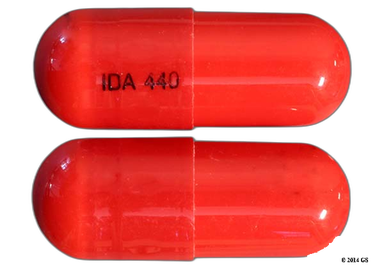
Midrin is a combination medication containing isometheptene, dichloralphenazone, and acetaminophen that's used to treat migraines and headaches, but it's no longer available in the U.S. because it was discontinued.

| Common Brands | Midrin |
|---|---|
| Drug Class | Sympathomimetic / Sedative / Analgesic |
| Controlled Substance Classification | Not a controlled medication |
| Generic Status | No lower-cost generic available |
| Availability | Discontinued |


Although certain medicines should not be used together at all, in other cases two different medicines may be used together even if an interaction might occur. In these cases, your doctor may want to change the dose, or other precautions may be necessary. When you are taking any of these medicines, it is especially important that your healthcare professional know if you are taking any of the medicines listed below. The following interactions have been selected on the basis of their potential significance and are not necessarily all-inclusive.
Using medicines in this class with any of the following medicines is not recommended. Your doctor may decide not to treat you with a medication in this class or change some of the other medicines you take.
Using medicines in this class with any of the following medicines is usually not recommended, but may be required in some cases. If both medicines are prescribed together, your doctor may change the dose or how often you use one or both of the medicines.


Prescription savings
Stop paying too much for your prescriptions. Compare prices, get pharmacy coupons, and save up to 80%. Find expert answers to your health questions so you can make the best decisions for yourself and your family.
Health conditions
Medications & treatment
Access & affordability
Medication discounts

Isometheptene/Dichloralphenazone/Acetaminophen is made up of three medications that work together to treat migraines and headaches. Isometheptene is a sympathomimetic that narrows the blood vessels to lower pain from headaches. Dichloralphenazone is a sedative that slows down the central nervous system (CNS) to help relieve pain and encourage relaxation. Acetaminophen is an analgesic that relieves pain and lowers fever by stopping the production of certain chemicals in the brain that cause both pain and fever.
No, Isometheptene/Dichloralphenazone/Acetaminophen has been discontinued and is no longer available in the U.S.
Isometheptene/Dichloralphenazone/Acetaminophen contains isometheptene, which has been on the market for a very long time, since the time when the FDA approved medications only based on safety, and not effectiveness. In 1962, the law was changed and new medications were only approved if they were found to be safe and effective. Because the isometheptene in Isometheptene/Dichloralphenazone/Acetaminophen was on the market prior to this change in the law, this medication was "grandfathered" in and allowed to stay on the market. But in 2017, the FDA notified manufacturers to stop distributing their medications that contained isometheptene, which includes Isometheptene/Dichloralphenazone/Acetaminophen. Manufacturers would need to have a new drug application approved if they want to re-distribute this medication.
