

9 Ingrezza Interactions to Be Aware Of
Ingrezza can interact with MAOIs, some SSRIs, and other medications. Read on to learn more about common Ingrezza interactions and their risks.
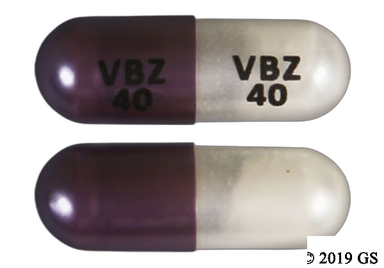
Ingrezza (valbenazine) is a VMAT2 inhibitor that treats tardive dyskinesia (TD) in adults. It can also treat chorea (random muscle movements) in adults with Huntington's disease. Ingrezza (valbenazine) is available as a capsule and the dose is taken by mouth once a day. But this medication can have side effects, like sleepiness and other movement problems (e.g., parkinsonism).

Ingrezza (valbenazine) is a vesicular monoamine transporter 2 (VMAT2) inhibitor. It's not exactly known how it helps with movement problems. But it's thought to block a protein in your brain called VMAT2. This lowers the release of chemicals like dopamine and serotonin into the brain and control signals that affect movement. It might help lessen involuntary movements over time.
| Common Brands | Ingrezza, Ingrezza Sprinkle |
|---|---|
| Drug Class | VMAT2 inhibitor |
| Controlled Substance Classification | Not a controlled medication |
| Generic Status | No lower-cost generic available |
| Availability | Prescription only |

The following side effects may get better over time as your body gets used to the medication. Let your healthcare provider know immediately if you continue to experience these symptoms or if they worsen over time.
Tardive dyskinesia:
Chorea from Huntington's disease:
Contact your healthcare provider immediately if you experience any of the following.
Side effects that you should report to your care team as soon as possible:
Side effects that usually do not require medical attention (report these to your care team if they continue or are bothersome):



More tips for Ingrezza (valbenazine) capsules:
More tips for Ingrezza Sprinkle (valbenazine) capsules:

Ingrezza (valbenazine) can cause some serious health issues. This risk may be even higher for certain groups. If this worries you, talk to your doctor or pharmacist about other options.
 Ingrezza (valbenazine) can raise the risk of depression and thoughts of suicide, especially in people with Huntington's disease. Your prescriber might check for depression and suicidal thoughts during treatment.
Watch for signs of depression or unusual behavior while taking Ingrezza (valbenazine). This includes anxiety, panic attacks, trouble sleeping, or feeling more angry or irritable. If you or a loved one notices changes in mood or behavior, tell your care team right away. And if you have thoughts about hurting yourself, call 911 as soon as possible.
Serious allergic reactions to Ingrezza (valbenazine) can happen. This can include swelling of the throat, tongue, lips, and eyelids. And it can sometimes be life-threatening.
Get medical help right away if you notice swelling in your face, lips, tongue, or around your eyes after you take Ingrezza (valbenazine). Also call 911 right away if you feel dizzy, nauseous, your throat closing up, or have trouble breathing. These can be signs of a serious allergic reaction.
Ingrezza (valbenazine) can make you feel sleepy. This can make it hard to focus, think clearly, or react quickly. This side effect is more likely to happen if you drink alcohol with Ingrezza (valbenazine). The risk is also higher if you take other medications that cause sleepiness, like opioids or benzodiazepines.
Don't drive or use heavy machines until you know how Ingrezza (valbenazine) affects you.
It's rare, but Ingrezza (valbenazine) can make your heart take longer to relax between beats. This is known as QT prolongation. It can affect your heart rhythm and can sometimes be life-threatening.
Tell your prescriber about your medical history. People born with QT prolongation or have had arrhythmias should avoid Ingrezza (valbenazine). Also tell your care team about all the medications you take, and don't start new ones without asking first. Your risk can be greater if you take other QT-prolonging medications or those that interact with Ingrezza (valbenazine). Your prescriber can make sure Ingrezza (valbenazine) is safe for you.
If you're at risk, your prescriber might check your heart with tests during treatment. Call 911 right away if you feel your chest pounding, short of breath, chest pain, faint, or lightheaded while taking Ingrezza (valbenazine). These can be signs of an abnormal heart rhythm.
It's rare, but some people taking Ingrezza (valbenazine) have had a serious problem called neuroleptic malignant syndrome (NMS). Signs can include a high fever, sweating, stiff muscles, confusion, or an uneven heartbeat. If you notice these symptoms, get medical help right away.
Ingrezza (valbenazine) can cause movement problems called parkinsonism. Signs include tremors, slow movement, stiff muscles, or trouble with balance. It can also sometimes lead to falls and walking issues. Severe cases have happened within the first 2 weeks after starting the medication or raising the dose.
Tell your care team if you notice these changes while taking Ingrezza (valbenazine). It's very important to mention stiff muscles if you have Huntington's disease. This is because it could mean your condition is getting worse. If Ingrezza (valbenazine) is causing these problems, your prescriber might lower your dose or stop it if needed.

 Dose pack
| Dosage | Quantity | Price as low as | Price per unit |
|---|---|---|---|
| 28 tablets of 40mg and 80mg | 1 dose pack | $8,715.37 | $8,715.37 |
The typical starting dose is 40 mg by mouth once a day. Your dose will be slowly raised to the recommended dose of 80 mg once a day. Your prescriber can adjust your dose based on how you tolerate and respond to the medication.
Your dose might differ if you have liver problems or certain genetics that affect the medication levels in your body.
Your dose might also be different if you take certain medications that interact with Ingrezza (valbenazine).









Prescription savings
Stop paying too much for your prescriptions. Compare prices, get pharmacy coupons, and save up to 80%. Find expert answers to your health questions so you can make the best decisions for yourself and your family.
Health conditions
Medications & treatment
Access & affordability
Medication discounts


Yes. Ingrezza is a specialty medication. This means it's not usually available at all local pharmacies. But instead, you get it from a specialty pharmacy most times. You'll often have the option of having your medication mailed directly to you. Talk to your prescriber if you have questions about how to get Ingrezza.
No, Ingrezza isn't a controlled substance. This medication doesn't have a risk of misuse or dependence.
In studies, some people taking Ingrezza for TD or chorea from Huntington's disease saw improvement in as little as 2 weeks. But for some people with TD, it can take up to 6 weeks to get the maximum benefit from the medication. And for some people with chorea from Huntington's disease, it can take up to 12 weeks. Remember, everyone can respond differently to Ingrezza. Try to be patient and take Ingrezza every day as prescribed, even if you don't see a difference right away. Talk to your prescriber if you're concerned about how well the medication is working for you.
It's not clear if you can open the regular Ingrezza capsules. But you can open the Ingrezza Sprinkle capsules. For the Ingrezza Sprinkle capsules, you can open it and pour all the granules inside into a bowl. Mix with about 1 tablespoon of soft food (like applesauce, yogurt, or pudding). Don't mix it with milk or drinking water. Stir and swallow the mixture right away. Then, drink a glass of water to make sure you've taken all the medication. Ask your prescriber about the Ingrezza Sprinkle capsules if you have trouble swallowing pills.
Weight gain is a possible side effect of Ingrezza, but it's not common. Only up to 1% of people who took this medication reported weight gain in studies. To help manage your weight, follow a balanced and nutritious diet and stay active. If you notice big changes in your weight or feel worried about your weight, talk to your primary care provider.
Yes, sleepiness is the most common side effect of Ingrezza. You might especially feel it when you first start and when you switch to a higher dose. Don't drive or do anything that needs your focus until you know how this medication affects you. If you feel too sleepy, try taking Ingrezza at night before bed. If this side effect makes it hard to go about your daily life, talk to your prescriber.
It's possible to switch from Ingrezza to Austedo if needed. Both work well to help with chorea from Huntington's disease and tardive dyskinesia. Ingrezza is taken once a day and has a sprinkle capsule form for people who have trouble taking pills whole. Austedo has both once-daily and twice-daily options, but the tablets are swallowed whole. Talk to your prescriber to compare and see which is right for you.
You can stop taking Ingrezza right away if your prescriber says it's okay. If you do stop, be aware that your TD or chorea symptoms might come back. That's why you should check with your prescriber before stopping to make sure it's the right choice for you.
