









7 Hydrocodone Interactions to Watch For
Hydrocodone (Hysingla ER) is an opioid medication prescribed for severe pain. Here are seven hydrocodone interactions to know to avoid complications.
Hydrocodone extended-release (ER) is a long-acting opioid medication. It's used for severe chronic pain that non-opioid options can't relieve. Once-daily tablets are available as brand name Hysingla ER and generics. Capsules are only available as generics and are taken every 12 hours. The dosage depends on the severity of your pain and your previous pain medications. Side effects include constipation, nausea, and sleepiness. Hydrocodone ER (Hysingla ER) is a controlled substance because it has a high risk for misuse and dependence.

Hydrocodone ER (Hysingla ER) is an opioid. It attaches to certain opioid receptors (signaling proteins) in the brain. This changes how you react to pain and helps lower how much pain you feel.
| Common Brands | Hysingla ER |
|---|---|
| Drug Class | Opioid |
| Controlled Substance Classification | Schedule II |
| Generic Status | Lower-cost generic available |
| Availability | Prescription only |

Hydrocodone ER (Hysingla ER) can cause some serious health issues. This risk may be even higher for certain groups. If this worries you, talk to your doctor or pharmacist about other options.
 Hydrocodone ER (Hysingla ER) is a controlled substance with a risk of addiction and misuse. Misusing the medication can lead to serious, life-threatening side effects, like dangerously slow breathing and overdose.
 To stay safe, take hydrocodone ER (Hysingla ER) exactly as prescribed. You'll get prescribed the lowest dose for the shortest amount of time needed to manage your pain. Don't change how much or how often you take it without talking to your pain specialist first.
Because of the risk of addiction and misuse, hydrocodone ER (Hysingla ER) is only available through a special Risk Evaluation and Mitigation Strategy (REMS) program. This program is called the Opioid Analgesic REMS program. Your prescriber and pharmacy must register with the program and get trained on safe medication use. They'll talk to you about how to safely take hydrocodone ER (Hysingla ER).
Hydrocodone ER (Hysingla ER) can cause dangerously slow breathing, which can be life-threatening. This can happen to anyone and at recommended doses of the medication. But the risk is highest when you first start the medication and when your dose goes up.
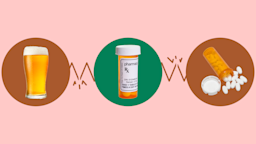
Don't drink alcohol while you're taking hydrocodone ER (Hysingla ER). Also, don't take it with medications that slow your body down, like benzodiazepines, other opioids, and muscle relaxants. This can raise the risk of dangerously slow breathing.
Your pain specialist will recommend keeping naloxone (Narcan) with you at all times. Naloxone can quickly reverse slowed breathing from opioids. Make sure you and your loved ones know how to use naloxone (Narcan) in case of an emergency. Give naloxone (Narcan) and call 911 right away if you have trouble breathing or notice bluish-colored lips, fingers, or toes.
Take hydrocodone ER (Hysingla ER) exactly as prescribed. Taking too much or taking it more often than prescribed can lead to an overdose. Keep it out of reach from children, visitors, and pets to prevent an accidental exposure or overdose.
Symptoms of an opioid overdose include not responding to sound or touch, very slowed breathing, slow heartbeat, extreme sleepiness, and cold or clammy skin. Be sure you and your loved ones know how to spot an overdose. Your pain specialist will recommend getting naloxone (Narcan), which can quickly treat an opioid overdose. Always carry naloxone and use it right away if an overdose happens. Call 911 right away after giving naloxone (Narcan).
Hydrocodone ER (Hysingla ER) can cause extreme sleepiness. It can also make it hard to think, react, and focus. Don't mix alcohol with hydrocodone ER (Hysingla ER). Also don't take it with other medications that can cause sleepiness or "brain fog." These include benzodiazepines, muscle relaxants, and sleep aids. Taking these medications together can make you even sleepier and slow your thinking.
Make sure you know how hydrocodone ER (Hysingla ER) affects you before driving a car or doing activities that need your full attention. Talk to your prescriber right away if the medication makes you too sleepy.
Hydrocodone ER (Hysingla ER) interacts with many medications. Tell your care team about all the medications you take to make sure they're safe together. Also, talk to them before making any changes to your medications because sudden adjustments can be harmful.
Some interactions can raise hydrocodone levels in the body. This can raise your risk of serious side effects, like dangerously slowed breathing and overdose. Examples include taking the opioid with erythromycin, ketoconazole, or ritonavir (Norvir).
Other interactions can lower hydrocodone levels in the body. This can make the opioid work less well for pain and possibly cause withdrawal symptoms. Examples include taking the opioid with rifampin (Rifadin) or carbamazepine (Tegretol).
Long-term use of hydrocodone ER (Hysingla ER) during pregnancy can make your unborn baby dependent on the medication. This happens because the opioid can pass through the placenta to your baby. Your baby can have withdrawal symptoms after they're born.
Signs of withdrawal in newborns include high-pitched crying, poor feeding, poor sucking, and trembling. In severe cases, it can lead to seizures.
Withdrawal can be life-threatening if not recognized and treated in time. Tell your care team if you've taken hydrocodone ER (Hysingla ER) during pregnancy. Specialized healthcare professionals will make sure your baby gets the care they need.
Taking hydrocodone ER (Hysingla ER) regularly for a long time can cause physical dependence. This means that your body relies on the medication to function. You might have withdrawal if you lower your dose or stop taking the medication too suddenly.
Withdrawal can make your pain come back. It can also cause unpleasant symptoms like anxiety, irritability, body aches, stomach upset, and chills.
Don't lower your dose or stop taking hydrocodone ER (Hysingla ER) suddenly without talking to your prescriber. If needed, they'll slowly lower your dose over time to prevent withdrawal. Talk to your prescriber if you're worried about dependence and withdrawal with hydrocodone ER (Hysingla ER).
Hydrocodone ER (Hysingla ER) can sometimes cause extremely low blood pressure. This can include a drop in blood pressure when you stand from a sitting or lying down position. Low blood pressure can lead to dizziness and fainting.
To avoid falling, get up slowly if you've been sitting or lying down. Talk to your prescriber if dizziness or lightheadedness doesn't go away.
Some people taking opioids like hydrocodone ER (Hysingla ER) have had low adrenal hormone levels. This is more likely if you've taken opioids for a month or longer. Tell your prescriber if you have symptoms of low adrenal hormone levels. These can include long-lasting tiredness, muscle weakness, low appetite, and nausea. If your adrenal hormone levels are too low, you might need to stop hydrocodone ER (Hysingla ER) and take corticosteroids for treatment.
Although rare, hydrocodone ER (Hysingla ER) can cause QT prolongation. This is when your heart takes longer to recharge between beats. It can affect your heart rhythm, which can be serious and life-threatening.
Before starting hydrocodone ER (Hysingla ER), tell your prescriber about your full medical history. Also let them know about all your medications. Your risk for QT prolongation is higher if you already have heart rhythm problems or abnormal electrolyte levels. The risk is also higher if you take medications that can affect heart rhythm, like amiodarone (Pacerone) or ciprofloxacin (Cipro).
Call your prescriber if you have a pounding heartbeat, trouble breathing, chest pain, or lightheadedness while taking hydrocodone ER (Hysingla ER). These could be signs of heart rhythm problems. Your prescriber might lower your dose or switch you to a different pain medication if needed.
If you've had a seizure before, opioids like hydrocodone ER (Hysingla ER) can raise the risk of having seizures more often. Opioids can also put you at risk of seizures in some situations. Get medical help right away if you have a seizure while you're taking hydrocodone ER (Hysingla ER).

The following side effects may get better over time as your body gets used to the medication. Let your healthcare provider know immediately if you continue to experience these symptoms or if they worsen over time.
Contact your healthcare provider immediately if you experience any of the following.
Along with its needed effects, a medicine may cause some unwanted effects. Although not all of these side effects may occur, if they do occur they may need medical attention.
Check with your doctor immediately if any of the following side effects occur:
Less common
Bladder pain
bloating or swelling of the face, arms, hands, lower legs, or feet
bloody or cloudy urine
body aches or pain
chills
difficult or labored breathing
difficult, burning, or painful urination
ear congestion
fear or nervousness
frequent urge to urinate
headache
loss of voice
lower back or side pain
rapid weight gain
tightness in the chest
tingling of the hands or feet
unusual tiredness or weakness
unusual weight gain or loss
Incidence not known
Agitation
darkening of the skin
difficulty swallowing
fast heartbeat
loss of appetite
mental depression
overactive reflexes
poor coordination
puffiness or swelling of the eyelids or around the eyes, face, lips, or tongue
restlessness
shivering
talking or acting with excitement you cannot control
trembling or shaking
twitching
vomiting
Get emergency help immediately if any of the following symptoms of overdose occur:
Symptoms of overdose
Blue lips and fingernails
blurred vision
change in consciousness
chest pain or discomfort
cold and clammy skin
confusion
constricted pupil (black part of the eye)
coughing that sometimes produces a pink frothy sputum
decreased awareness or responsiveness
dizziness, faintness, or lightheadedness when getting up suddenly from a lying or sitting position
increased sweating
irregular, fast or slow, or shallow breathing
lightheadedness, dizziness, or fainting
pale skin
sleepiness or unusual drowsiness
slow or irregular heartbeat
weak muscle tone
Some side effects may occur that usually do not need medical attention. These side effects may go away during treatment as your body adjusts to the medicine. Also, your health care professional may be able to tell you about ways to prevent or reduce some of these side effects. Check with your health care professional if any of the following side effects continue or are bothersome or if you have any questions about them:
More common
Difficulty having a bowel movement
Other side effects not listed may also occur in some patients. If you notice any other effects, check with your healthcare professional.
Call your doctor for medical advice about side effects. You may report side effects to the FDA at 1-800-FDA-1088.





Although certain medicines should not be used together at all, in other cases two different medicines may be used together even if an interaction might occur. In these cases, your doctor may want to change the dose, or other precautions may be necessary. When you are taking this medicine, it is especially important that your healthcare professional know if you are taking any of the medicines listed below. The following interactions have been selected on the basis of their potential significance and are not necessarily all-inclusive.
Using this medicine with any of the following medicines is not recommended. Your doctor may decide not to treat you with this medication or change some of the other medicines you take.
Using this medicine with any of the following medicines is usually not recommended, but may be required in some cases. If both medicines are prescribed together, your doctor may change the dose or how often you use one or both of the medicines.


Contraindications are specific health conditions or situations in which a person should not take a medication due to safety concerns. If you have any of the following conditions or if any of the following apply to you, let your healthcare provider know because Hydrocodone ER (Hysingla ER) will not be safe for you to take.


Prescription savings
Stop paying too much for your prescriptions. Compare prices, get pharmacy coupons, and save up to 80%.Resources
About GoodRx
 Find expert answers to your health questions so you can make the best decisions for yourself and your family.
Health conditions
Medications & treatment
Access & affordability
Well-being
Medication discounts

Yes, hydrocodone is an opioid. Hydrocodone ER is an extended-release, long-acting version of hydrocodone. It's used to help with severe chronic pain when non-opioid options don't work well. Opioids like Hydrocodone ER have serious risks. These include misuse, addiction, slowed breathing, and overdose. Talk to your pain specialist about the risks and benefits of Hydrocodone ER.
It takes about 3 days for most of Hydrocodone ER to leave your body after a single dose. Ask your prescriber if you have questions about how long the medication stays in your body.
Extended-release opioids, like Hydrocodone ER, are used for long-term pain management. Studies show that some people might need to take Hydrocodone ER for a few weeks to feel its full pain-relieving effects. Talk to your prescriber if you have concerns about how quickly this medication will work for you.
No. Don't cut, chew, crush, or break the Hydrocodone ER pill. Cutting or breaking it can cause too much medication to get absorbed by the body too quickly. This can possibly lead to a life-threatening overdose. Swallow the Hydrocodone ER pill whole with a glass of water. Talk to your prescriber about your options if you're having trouble swallowing the pill whole.
Yes, sleepiness is a usual side effect of opioids like Hydrocodone ER. Tell your care team if you take other medications that make you sleepy. They can include benzodiazepines and muscle relaxants. Also avoid alcohol. Taking Hydrocodone ER with alcohol or drowsy medications can make this side effect worse. Don't drive or do anything that needs your full attention until you know how Hydrocodone ER affects you.
Yes. The hydrocodone extended-release capsule is available as a generic only. The hydrocodone extended-release tablet is available as a generic as well as under the brand name Hysingla ER.
If it's part of your prescribed treatment plan, it's okay to take Hydrocodone ER with short-acting pain medications that also have hydrocodone. Hydrocodone ER is a long-acting pain medication for chronic pain. But some people still have breakthrough pain that needs quick relief. A short-acting opioid medication, like Norco (hydrocodone / acetaminophen), could help with this sudden pain. Ask your pain specialist if you're not sure which pain medication to take and when.
