hydrocortisone
Topical hydrocortisone is a steroid medication used to treat different skin conditions, such as eczema. It's available in many different formulations, including cream, ointment, lotion, and solution. Some strengths are found over the counter (e.g., hydrocortisone 1%), while you need a prescription for others (e.g., hydrocortisone 2.5%). In general, most people experience few to no side effects while using topical hydrocortisone as directed. Rarely, topical hydrocortisone might cause topical steroid withdrawal (TSW). Watch out for skin rashes and irritations that get worse after stopping this medication.


What is Topical hydrocortisone?
What is Topical hydrocortisone used for?
Short-term relief of skin irritations (e.g., itching) due to:
- Skin inflammation
- Skin rashes
- Eczema
- Psoriasis
- Insect bites
- Poison ivy or oak
- Skin allergies
- Dry scalp
- Genital or rectal irritation
How Topical hydrocortisone works
Topical hydrocortisone is a topical corticosteroid. When it’s used on the skin, it has 3 actions:
- It lowers the amount of inflammatory chemicals that cause redness, itching, and swelling. This helps to lower skin inflammation.
- It can also slow down how quickly new skin cells are being made, which can help minimize the amount of patches or scales in some skin problems (e.g., psoriasis).
- Finally, it lessens the immune response of your body, which can help get rid of certain skin problems that are caused by a sensitive immune system (e.g., eczema).
Drug facts
| Common Brands | Locoid, Pandel, Texacort, Cortizone-10 |
|---|---|
| Drug Class | Corticosteroid |
| Controlled Substance Classification | Not a controlled medication |
| Generic Status | Lower-cost generic available |
| Availability | Prescription or over-the-counter |
More on Topical hydrocortisone essentials



Side effects of Topical hydrocortisone
The following side effects may get better over time as your body gets used to the medication. Let your healthcare provider know immediately if you continue to experience these symptoms or if they worsen over time.
Common Side Effects
- Burning
- Itching
- Skin irritation
- Dry skin
- Inflamed hair follicles
Less Common Side Effects
- Acne-like bumps
- Changes in skin color
- Rash or heat rash
- Thinning skin
- Stretch marks
- Pruning or wrinkling of the skin
- Hair growth
More on Topical hydrocortisone side effects

The following Topical hydrocortisone side effects have also been reported
Along with its needed effects, a medicine may cause some unwanted effects. Although not all of these side effects may occur, if they do occur they may need medical attention.
Check with your doctor immediately if any of the following side effects occur:
Incidence not known
Backache
blistering, burning, crusting, dryness, or flaking of the skin
burning, itching, and pain in the hairy areas, pus at the root of the hair
burning and itching of the skin with pinhead-sized red blisters
darkening of the skin
blurred vision
dizziness
facial hair growth in females
fainting
fractures
fruit-like breath odor
full or round face, neck, or trunk
increased hunger or thirst
increase urination
increased hair growth on the forehead, back, arms, and legs
irritability
lightening of the normal skin color
lightening of treated areas of the dark skin
loss of appetite
loss of sexual desire or ability
menstrual irregularities
mental depression
muscle wasting
reddish purple lines on the arms, face, legs, trunk, or groin
redness and scaling around the mouth
severe redness, soreness, or swelling of the skin
softening of the skin
stomach pain
sweating
thinning of the skin with easy bruising, especially when used on the face or where the skin folds together (eg, between the fingers)
thinning, weakness, or wasting away of the skin
trouble breathing
unexplained weight loss
unusual tiredness or weakness
vomiting
Some side effects may occur that usually do not need medical attention. These side effects may go away during treatment as your body adjusts to the medicine. Also, your health care professional may be able to tell you about ways to prevent or reduce some of these side effects. Check with your health care professional if any of the following side effects continue or are bothersome or if you have any questions about them:
Less common
Flushing or redness of the skin
unusually warm skin
Other side effects not listed may also occur in some patients. If you notice any other effects, check with your healthcare professional.
Call your doctor for medical advice about side effects. You may report side effects to the FDA at 1-800-FDA-1088.

Get your GoodRx coupon

Pros and cons of Topical hydrocortisone
Pros
- Available as a lower-cost, generic medication
- Available over the counter
- Many formulations to choose from, such as ointment, cream, and solution
Cons
- Short-term use only, otherwise it might cause skin thinning and high blood sugar
- Applied multiple times a day
- Might affect your body's ability to fight off infections

Pharmacist tips for Topical hydrocortisone

- Topical hydrocortisone should only be used on the outside of your body on skin that's not broken. You shouldn’t use it on wounds, damaged skin, or inside the rectum (use Anusol-HC for rectal irritation instead). To avoid side effects, don't use topical hydrocortisone in your eyes, nose, or ears.
- Wash your hands before and after using topical hydrocortisone to help prevent getting the medication in your eyes. If it does get into your eyes, wash your eyes with water or saline and contact your provider if irritation doesn't go away.
- Don't cover the treated area with a bandage after applying topical hydrocortisone unless directed by your provider. If you're applying this medication around the diaper area, don't use tight fitting diapers or plastic pants on your toddler. Doing so might affect how much medication gets absorbed.
- Don't use these skin products on your face, underarms, or groin areas unless your provider tells you to do so. The skin in these areas are more sensitive and side effects are more likely to happen.
- If you're using a prescription-strength topical hydrocortisone, ask your provider how long you need to use it. Typically, you shouldn't use these skin products for longer than 2 weeks unless directed by your provider.
- If you're using other corticosteroid-containing products, check with your provider first before using these topical hydrocortisone skin products. Using multiple corticosteroids can raise your risk of side effects.
OTC topical hydrocortisone skin products
- Stop using topical hydrocortisone and talk with your provider if you've been using this medication for more than a week or if symptoms (e.g., rash, itching) come back after clearing up. There might be some other problem going on that your provider can help you with.
- Before using topical hydrocortisone, ask your provider if this medication is right for you. This is especially true if you experience the following: vaginal discharge, rectal bleeding, and diaper rash.
- Store topical hydrocortisone up and away and out of children's reach and sight. This prevents them from accidentally swallowing medicine that was left out. Always put medication away every time you use it. If you think that your child might’ve accidentally swallowed topical hydrocortisone, call your Poison Control Center at 1-800-222-1222 right away even if you aren't completely sure.

Risks and warnings for Topical hydrocortisone
Topical hydrocortisone can cause some serious health issues. This risk may be even higher for certain groups. If this worries you, talk to your doctor or pharmacist about other options.
Hormone problems and withdrawal
- Risk factors: Using topical hydrocortisone for a long period of time | Using more topical hydrocortisone than recommended| Covering applied area with a bandage | Young children
In some rare cases, using topical topical hydrocortisone for a long time and over a large skin area can cause a medical condition called adrenal suppression. This is when your body stops making its own steroid hormones because of the presence of the steroid medication. And if you suddenly stop the medication, it can lead to symptoms of withdrawal include skin swelling, rash, and burning. To prevent adrenal suppression from happening, your provider will prescribe the lowest possible dose of topical hydrocortisone that works well for you for the shortest amount of time. If you need to use topical hydrocortisone for a long period of time or for a large area, your provider might ask you to do some lab work to test how well your adrenal gland works. Don't suddenly stop using topical hydrocortisone without talking to your provider first.
High blood sugar
- Risk factors: Using topical hydrocortisone for a long period of time | Using more topical hydrocortisone than recommended
Using topical topical hydrocortisone for a long period of time or over large areas of the body can sometimes raise your blood sugar levels. If your blood sugar level isn't controlled, this can lead to diabetes. If you have diabetes, your provider might ask you to check your blood sugar level regularly to make sure this medication is safe for you. Let your provider know if you feel more thirsty or are urinating more than usual.
New or worsened skin infection
- Risk factors: Using topical hydrocortisone for more than 7 days
Using topical hydrocortisone long term can raise the risk of skin or mouth infections, such as fungal or bacterial infections. Don't use topical hydrocortisone if you have a skin infection because it can make your infection worse. Let your provider know if you have redness, swelling, pain, pus, or if your current symptoms don't improve after 7 days of treatment. These can be signs and symptoms of a new infection.
Skin problems
- Risk factors: Excessive and inappropriate use of topical hydrocortisone | Using a lot of topical hydrocortisone
Using topical hydrocortisone longer than directed by your provider can raise your risk of different skin reactions, including skin thinning, stretch marks, spider veins, burning, itching, irritation, dry skin, inflamed hair follicles, changes in skin color, or rash. To prevent severe skin reactions from happening, your provider will prescribe the lowest possible dose of topical hydrocortisone to treat your symptoms for the shortest amount of time. Let your provider know right away if you notice any new or worsening skin problems.

Topical hydrocortisone dosage
 Bottle of lotion
| Dosage | Quantity | Price as low as | Price per unit |
|---|---|---|---|
| 59ml of 0.1% | 1 bottle | $54.50 | $54.50 |
| 118ml of 0.1% | 1 bottle | $97.89 | $97.89 |
Bottle of topical solution| Dosage | Quantity | Price as low as | Price per unit |
|---|---|---|---|
| 60ml of 0.1% | 1 bottle | $62.64 | $62.64 |
| 20ml of 0.1% | 1 bottle | $23.88 | $23.88 |


Interactions between Topical hydrocortisone and other drugs
Although certain medicines should not be used together at all, in other cases two different medicines may be used together even if an interaction might occur. In these cases, your doctor may want to change the dose, or other precautions may be necessary. Tell your healthcare professional if you are taking any other prescription or nonprescription (over-the-counter [OTC]) medicine.

How much does Topical hydrocortisone cost?

What are alternatives to Topical hydrocortisone?
Short-term relief of skin irritations (e.g., itching) due to:

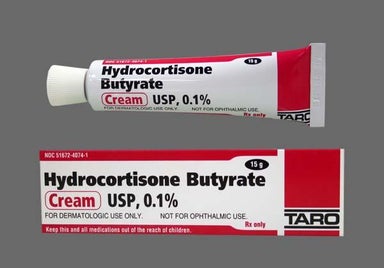
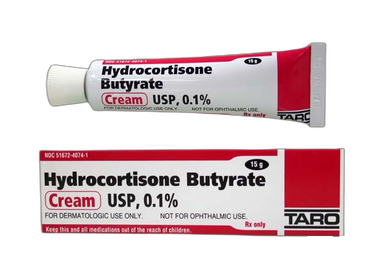
Topical hydrocortisone images