More than 16.8 million Black Americans live in counties with limited or no access to cardiology specialists. Over 2 million live in counties with no cardiologist at all (cardiology deserts).
Residents living in cardiology desert counties may have to commute well over 80 miles to reach the nearest cardiology clinic.
States with the highest number of cardiology desert counties with a sizable Black American population are Georgia, Mississippi, Virginia, Alabama, and Louisiana.
Cardiology desert counties with a sizable Black American community are in urgent need of cardiovascular care. These counties have higher rates of obesity, diabetes, smoking, excessive drinking, and physical inactivity than counties with a cardiologist.
With rates of heart disease climbing across the U.S., access to a cardiologist is more important than ever. But new research from GoodRx finds that a vast number of Black Americans (over 16.8 million) live in counties with limited or no access to cardiologists.
This adds to a growing body of research highlighting the pervasive challenge that racial and ethnic minorities — especially Black Americans — face in accessing high-quality cardiovascular care.
Heart disease (cardiovascular disease) is the leading cause of death in non-Hispanic Black men and women. Access to a cardiologist can lead to treatment for heart disease and reduce mortality rates.
But as with many medical specialties, cardiologists are in short supply. And the shortage is expected to grow, with more than 60% of cardiologists at or approaching the retirement age. This is alarming, especially as the rates of diabetes and obesity, both risk factors for cardiovascular disease, continue to climb in the U.S.
Below, we walk through our findings, point out states and counties most at risk for cardiovascular problems, and suggest how public health and government officials can tackle the number one killer of Black Americans in the U.S. — cardiovascular disease.
Nearly half of counties where Black Americans live are ‘cardiology deserts’
Our research identified more than 33,498 active cardiologists and 39,767 practice sites across the country. After mapping these cardiologists’ locations, we found that only 54% (1,689) of U.S. counties had a cardiology practice. This amounts to more than 21.9 million Americans with no cardiologists in their county — 2.46 million of whom are Black Americans. (We used data from HealthLink Dimensions, an authority in healthcare provider data that is more robust at identifying active healthcare providers than sources such as Google Maps.)
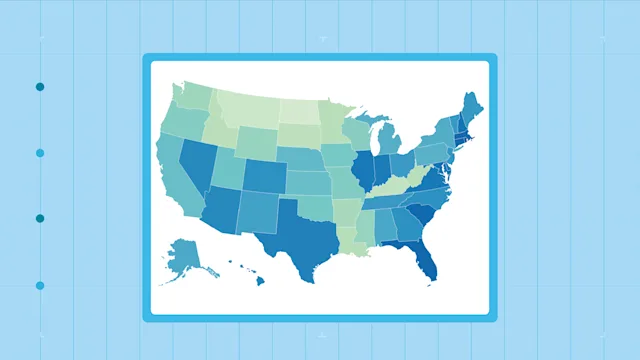
In the map below, counties in blue are cardiology deserts, meaning we didn’t identify a cardiology practice there. The blue shading represents the percentage of Black Americans living in those counties. Counties shaded in gray have at least one cardiology practice and no Black American residents.
We also determined that more than 167,000 Black Americans living in cardiology desert counties, will on average, have to travel at least 87 miles to the nearest cardiologist. This commute can be a real barrier to getting healthcare, especially for older adults.

Read more like this
Explore these related articles, suggested for readers like you.




These observations reveal a startling picture of the U.S. cardiovascular care landscape: Nearly half the country has no cardiology specialists. But the landscape is even more alarming when we consider counties with a higher percentage of Black Americans.
States with the highest number of counties that contain the greatest number of Black residents who lack a cardiologist are Mississippi (67%), Alabama (60%), Georgia (58%), Virginia (52%), and Louisiana (43%). Many residents in these states may need to travel far to reach the nearest cardiologist.
Most cardiology desert counties that have a sizable population of Black Americans are in Southern states. We’ll look at these areas next. We defined a sizable Black population as 14.2% of the county’s population, which is the national percent of Americans who identified as Black in the 2020 census.
More than 16.8 million Black Americans live in counties with limited or no access to a cardiologist, and most of these counties are in Southern states
We’ve established that nearly 2.5 million Black Americans live in counties with no cardiologist, which represents 5% of the total U.S. Black population. The remaining 95% (44.5 million) live in counties with at least one cardiologist. But having a cardiologist in the county doesn’t guarantee access to care — especially if a county has a high population-to-provider ratio.
A high population-to-provider ratio means it may be harder for residents to schedule an appointment with these specialists, particularly if cardiovascular disease is higher in these areas.
In fact, if we use the national population-to-provider ratio as a threshold for access (9,895 residents per cardiologist), we find that 14.4 million Black Americans live in a county where the ratio is higher than the national level. We defined these residents as having limited access to a cardiologist.
All told, 16.8 million Black Americans live in areas with limited or no access to a cardiologist.
Counties with sizable Black populations
When we focus on counties with at least 14.2% Black Americans, we find that nearly 72% of counties (492 out of 687) have limited or no access to a cardiologist. More than 10.5 million Black Americans live in these counties.
In the map below, we colored counties with at least 14.2% Black residents according to whether they had access to a cardiologist. Counties in orange have no cardiologist. Counties in earl’s green have a cardiologist but the population-to-provider ratio is higher than the national level (9,895 residents per cardiologist).
Finally, counties in dark green have a population-to-provider ratio that is at or below the national level. This means that in these areas, it may be easier to schedule an appointment with a specialist, especially if the risk of cardiovascular disease is lower there.
From the map above, we see that:
44% of counties are cardiology deserts (orange)
28% have a cardiologist but the population-to-provider ratio is higher than the national level (earl’s green)
28% have a population-to-provider ratio at or below the national level (dark green)
We can see that a vast majority of counties with a sizable Black population that are either cardiology deserts (orange) or have limited access to a cardiologist (earl’s green) are located in Southern states, a part of the country that has higher rates of chronic disease and poor health outcomes.
The states with the highest number of cardiology deserts that have a sizable Black population are Georgia (71 counties), Mississippi (51), Virginia (38), Alabama (27), and Louisiana (26). The states with the highest number of counties with limited access to a cardiologist are North Carolina (29 counties), Georgia (23), Louisiana (22), South Carolina (19), and Mississippi (17).
Taken together, we found that out of the 16 Southern states, the ones with the highest number of counties with a sizable Black population and either no access or limited access to a cardiologist were:
Georgia (94 out of 123 counties, 76%)
Mississippi (68 out of 76, 90%)
Virginia (54 out of 73, 74%)
Louisiana (48 out of 60, 80%)
North Carolina (43 out of 55, 78%)
So far, we’ve identified counties with limited or no access to a cardiologist, and many of these places are in the South. In the next section we’ll look at the risk for heart disease in these counties. This helps us determine which areas are in urgent need of cardiovascular care.
Cardiovascular disease risk factors are higher in areas with less access to cardiologist, especially predominantly Black counties
The CDC estimates that in 2020 alone, more than 140,000 Black Americans died of heart disease. In many of these cases, the deaths could have been prevented by reducing risk factors that contribute to poor heart health: diabetes, obesity, smoking, unhealthy diet, physical inactivity, and excessive alcohol consumption.
By using county-level data on these risk factors, we developed a cardiovascular risk index (CRI) that assigned a score for a county between 0 to 6 based on whether the rates of diabetes, obesity, smoking, physical inactivity, alcohol consumption, and unhealthy eating were worse than the national average.
A score of 0 means all these risk factors in a county were better than the national average, and residents in these counties may be at lower risk for cardiovascular disease. A score of 6 means all these risk factors in a county were worse than the national average, and residents in these counties may be at higher risk for cardiovascular disease.
The overall county cardiovascular risk index is mapped below to help highlight areas at low risk (light red) and high risk (dark red) for heart disease. Only counties with a sizable Black population are displayed.
By looking at the map, it’s clear that most counties are a darker shade of red, indicating higher risk for cardiovascular disease. In fact, we found that 51% (348 out of 687 counties) had a score of 5 or 6 in the cardiovascular risk index, which is well above the national average of 2.9. And the average cardiovascular risk index is even higher when we look at counties in this map that have at least 50% Black residents (4.6 out of 6) — suggesting that Black communities are at higher risk for heart disease.
We wanted to know if the cardiovascular risk index was higher in counties with more Black residents and lower in counties with cardiologists. So we compared the cardiovascular risk index for counties that either had or did not have a sizable Black population, based on access to a cardiologist (as seen in the table below).
We found that the lowest risk factor score, 2.3 out of 6, was in counties that had fewer Black Americans and access to a cardiologist that was at or better than the national level (based on the population-to-cardiologist ratio). For comparison, the risk index in these counties was even lower than the national average (2.9 out of 6). Conversely, the risk factor was highest (4.5 out of 6) in counties that had more Black residents (at or above 14.2%), and no cardiologist. This score was 2.3 higher than for counties that were more resourced and had less Black residents.
In short, these findings reveal that counties with no or limited access to a cardiologist are also counties where residents are most at risk of cardiovascular disease. And the risk is higher in counties where there are more Black residents.
These findings also point to an association between access to a cardiologist and a reduction in the cardiovascular risk index. This potential association is encouraging, as it indicates that increasing access to these medical specialists may help reduce heart disease, especially in counties with a sizable Black population.
Which Southern states need cardiologists the most?
Finally, to identify which Southern states are most in need of cardiologists, we calculated the average cardiovascular disease risk for all counties that had a sizable Black population and the average percent of Black Americans in those counties. We then created a scatter plot with these two estimates, and each point represents a state.
From the chart below, we see that the the top states with the highest average cardiovascular risk index for counties with a sizable Black population are Louisiana (5.3 out of 6 with 60 counties), Arkansas (4.9 out of 6, 31 counties), Mississippi (4.7 out of 6, 76 counties), Alabama (4.5 out of 6, 45 counties), Texas (4.4 out of 6, 40 counties), and Georgia (4 out of 6, 123 counties).
We also see from the scatter plot that Mississippi, Louisiana, and Arkansas not only have some of the highest average cardiovascular risk index scores and a high percentage of Black Americans, but also have a lower number of cardiologists (the size of each point corresponds to the number of unique cardiologists).
Taken together, these findings suggest these states are in urgent need of additional cardiovascular care.
In the next section we’ll focus on two states, Mississippi and Louisiana, which are home to more than a million Black Americans each. According to our research, both have some of the highest number of counties with cardiovascular risk index scores greater than the national average.
To make matters worse, more than 80% of counties in both Mississippi and Louisiana that have a sizable Black population are either cardiology deserts or have limited access to a cardiologist, making these areas a prime target for improved cardiovascular care.
More than 80% of counties in Mississippi with a sizable Black population are in urgent need of cardiovascular care
Mississippi is one of the states most in need of cardiology specialists. As illustrated in the state map below, more than 90% of its counties (76 out of 82) have a sizable Black population greater than 14.2%, and 63 of those 76 counties (83%) have a cardiovascular risk index of at least 5 out of 6.
That means that most counties in Mississippi have a higher percentage of adults with obesity, diabetes, less access to healthy foods, less physical activity, and more smokers than the national average.
What’s more, 67% (51 out of 76) of these counties are cardiology deserts, with no active cardiology practice. For residents in these counties, the average round trip by car to the nearest cardiologist is over an hour.
Some of these counties (33% or 25 out of 876) have access to a cardiologist. But the population-to-provider ratio in 17 of these counties is higher than the national level. So there may be more people per cardiologist, and this may make it harder for residents to schedule an appointment with a cardiologist.
The top 10 counties in Mississippi that have the highest percent of Black residents with limited or no access to a cardiologist, and the highest cardiovascular risk index scores (5 out of 6), are Claiborne (89% Black), Jefferson (87%), Holmes (85%), Humphreys (80%), Tunica (78%), Coahoma (78%), Leflore (75%), Quitman (75%), Washington (73%), and Sharkey (72%).
More than 120,000 Black Americans call these places home, and 8 out of these 10 counties are cardiology deserts.
Although no county in Mississippi had a cardiovascular risk index of 6 out of 6, it's clear that these counties have other factors that may limit their ability to access healthcare. For example:
The average percent of uninsured adults in these 10 counties is 15%, while the national average is 12%.
The average median household income ($25,420) for Black Americans in these counties is much lower than the average national median household income for not only the typical American ($57,456), but also Black Americans ($42,434). Residents in these counties are below the federal poverty guideline for a four-person household and may have trouble paying for any out-of-pocket medical expenses, let alone travel to get speciality care.
The average percentage of households with broadband (65%) is lower than the national average (79%), which would further limit their ability to speak with a specialist using telemedicine.
The average life expectancy for Black Americans in these counties is 67 years old, which is much lower than the national average life expectancy for Black Americans (74 years).
Taken together, the combination of cardiovascular risk factors and lower access to cardiology specialists in much of Mississippi may explain why heart disease is the leading cause of death in this state.
We focused on the 10 counties in Mississippi that had the highest cardiovascular risk index scores as well as the highest percent of Black Americans to highlight areas that could benefit from additional resources. But as the map illustrates, there are many counties in the state that are also in urgent need of better access to cardiologists, especially if we want to save lives.
More than 90% of counties in Louisiana with a sizable Black population are in urgent need of cardiovascular care
Louisiana is another state in need of access to cardiology specialists. As illustrated in the state map below, more than 94% of its parishes/counties (60 out of 64) have a Black population greater than 14.2%, and 52% of these counties (31 out of 60) have a cardiovascular risk index of 6 out of 6. Another 23 counties (38%) have a cardiovascular risk index of 5 out of 6.
These numbers suggest that a staggering 90% of Louisiana counties (54 out of 60) with a sizable Black population are at a high risk for cardiovascular disease. Residents in these counties, on average, have higher rates of obesity, diabetes, smoking, excessive drinking, and physical inactivity than the national average, and also have less access to healthy foods.
What’s more, 43% (26 out of 60) of these counties are cardiology deserts, with no active cardiology practice. Another 57% (34 out of 60) have a cardiologist, but the population-to-provider ratio in 22 of these counties is higher than the national level. This means that making an appointment to see a cardiologist in 4 out of 5 counties in Louisiana will be challenging.
And for those who live in cardiology deserts, the average round trip by car to the nearest cardiologist is over an hour.
The top 10 parishes in Louisiana with the highest percent of Black residents with limited or no access to a cardiologist and the highest cardiovascular risk index scores (6 out of 6) include St. John the Baptist (59% Black), Natchitoches (42%), Red River (41%), Richland (38%), De Soto (38%), Pointe (36%), Iberia (35%), St. Mary (32%), Tangipahoa (31%), and Avoyelles (29%).
More than 163,000 Black Americans call these places home, and 4 out of 10 of these parishes are cardiology deserts.
Unlike Mississippi, in Louisiana, more than half of counties with a sizable Black population (31 out of 60) had a cardiovascular risk index score of 6 out of 6, which is an alarming number of counties. The situation is more severe when considering other factors that may limit the ability of these residents to access healthcare.
For example, in Louisiana, the average median household income ($25,709) in the top 10 parishes with a sizable Black population and the highest cardiovascular risk index scores is much lower than the average national median household income for both the typical American ($57,456) and Black Americans ($42,434). That means residents in these counties live below the federal poverty line for a household of four. This poverty level would make it very difficult for residents to cover any out-of-pocket medical expenses or travel to get speciality care.
What’s more, the percentage of households in these parishes with broadband (73%) is below the national average (79%), which would limit the ability for many residents to use telemedicine to see cardiologists.
Finally, the average life expectancy for Black Americans in these counties is 71 years, which is lower than the national average life expectancy for Black Americans (74 years).
These counties do have a higher percent of insured residents (90%) than the national average (88%), however, which is good news considering the high risk for cardiovascular disease in these areas.
Summing it all up
We found that 16.8 million Black Americans live in counties that either have no cardiologist or have a higher population-to-provider ratio than the national level, which may make it harder to access care.
We also found that many of these counties have a high risk for heart disease. Rates of obesity, diabetes, smoking, physical inactivity, and excessive drinking are worse there than the national average, and many of these places also have limited access to healthy foods.
To prioritize equitable access to cardiologists in rural communities, especially in the South, we need to:
Expand access to office-based cardiology care in rural communities through the use of consultant clinics, which have been shown to increase access in rural areas.
Increase funding for programs that extend the reach of graduate medical training for rural residents, such as the Fully Integrated Readiness for Services Training (FIRST) in North Carolina. These programs provide a pathway for early career physicians to establish a rural practice.
Fund health research to better understand the unique health issues rural Americans face. An example is the RURAL program that is currently performing a study in Mississippi.
Promote health education through programs such as With Every Heartbeat Is Life, which uses trained community health workers to deliver life-saving information to Black Americans. Research into these programs suggests the education intervention positively influences some dietary factors that help reduce cardiovascular disease risks.
Co-contributors: Tori Marsh, MPH, Diane Li
Methodology
Healthlink provider data and analysis: The dataset on healthcare providers is licensed through HealthLink Dimensions. Based in Atlanta, HealthLink Dimensions is the authority in healthcare provider data, serving hospitals, life sciences, and health insurers with innovative managed data services and enterprise engagement solutions. Data is current as of January 2023. Providers were included if they (1) were a doctor of medicine (MD) or doctor of osteopathic medicine (DO); (2) had any of the following listed in specialty description: advanced heart failure and transplant, cardiac monitor, cardiac monitoring services, cardiac rehab center, cardiology, cardiovascular disease, clinical cardiac electrophysiology, electrocardiogram, interventional cardiology, nuclear cardiology, pediatric cardiology, surgery - cardiothoracic, surgery - cardiovascular, surgery - congenital cardiac, surgery - pediatric cardiac; (3) were located in one of the 50 U.S. states or the District of Columbia; and (4) had an accurate location mapped to them. A provider may have more than one specialty and/or more than one active location. Unique provider counts were used to estimate the total number of cardiologists per county. The total count of practicing, licensed cardiology providers may be higher than the number of providers we mapped and there may be discrepancies between Healthlink provider data and providers listed using online tools such as Google Maps.
Definitions of cardiology desert counties and limited access cardiology counties: A county with no active cardiologist according to the Heathlink dataset was defined as a cardiology desert. A county was defined as having limited access to a cardiologist if the population-to-provider ratio was above 9,895, which is the national estimate calculated from this dataset. The population-to-cardiologist ratio was calculated using the same methods used in the 2021 AAMC to estimate the number of people per active physician specialist. The county population-to-cardiologist ratio was compared to the national level and counties were categorized into three groups: 1) counties with no cardiologist (cardiology deserts), 2) counties with a cardiologist but the population-to-cardiologist ratio was higher than the national level, and 3) counties that had a ratio at or below the national level.
Population estimates and definition of sizable Black county: County-level population estimates were obtained from the 2020 Decennial Census Redistricting Data. The percent of African Americans includes counts for any individuals that identified as entirely or part African American. A county that contained at least 14.2% Black residents was considered to have a sizable Black population. This value is the national proportion of Black Americans calculated from the 2020 Census redistricting data.
County health rankings data: The 2022 county health rankings data was used to obtain county-level estimates for health outcomes and resource factors, and includes: the percentage of households with broadband access, the percentage of respondents that reported poor or fair health, the average number of days of respondents reported as physically unhealthy days, the percentage of adults with obesity, the percent of adults with diabetes, the percentage of adults that reported no leisure-time physical activity, the percentage of the population with access to places for physical activity, the percentage of uninsured, the average life expectancy, the median household income, the percentage of smokers, and the percentage of adults that reported excessive drinking. The county health rankings dataset included the FIPS code 2261 Valdez-Cordova Census Area, Alaska, which has since split into Chugach Census Area (2063) and Copper River Census Area (2066). Since these latter two counties were not present in the most recent county tract listings, county FIPS areas 2261, 2066, and 2063 were not included in the analysis.
Cardiovascular risk index: To estimate the average cardiovascular risk in a given county, we constructed a cardiovascular risk index that takes into account known risk factors for heart disease, such as diabetes, obesity, poor diet, physical inactivity, smoking, and alcohol consumption. The 2022 county health rankings data was used to obtain county-level estimates for these factors: percent adult obesity, percent adult diabetes, food environment index, percent smokers, percent excessive drinking, and percent physical inactivity. Each county was assigned a score of 0 or 1 based on whether the factor was worse than the national average. For example, the national adult obesity rate is 35.8%, so if a county’s obesity rate was higher than that value, then it would receive a score of 1 for that factor. A similar score was assigned for the other factors. The sum of the six scores was used as the cardiovascular risk index, and we used a range of values between 0 and 6; 0 suggested minimal risk, while 6 suggested high risk. Two counties in Alaska (Chugach Census Area and Copper River Census Area) were excluded from this analysis as they were not present in the community health rankings dataset. Analysis of Variance and Tukey-Kramer post hoc was performed to determine if the cardiovascular risk index between counties with sizable Black population and the level of access to cardiologist were significantly different.
Driving distance and drive time estimates: We defined driving distance and drive time for each census tract as driving distance and drive time between a tract’s center of population to the nearest cardiologist. The drive estimates were obtained for 99% of providers in the dataset. All location metrics (distance and drive times) were computed using the Google Distance Matrix API. The driving estimates we provide are likely conservative since it is possible that individuals may need to drive farther if the nearest provider has no availability or does not accept their insurance plan. The driving estimates were rolled up to the county-level by taking the average of driving distance and drive time across all tracts in a county.
References
Aboot LS, et al. (2019). Influencing cardiovascular health habits in the rural, deep South: Results of a cluster randomized trial. Health Education Research.
American College of Cardiology. (2022). Resigned to the ‘Great Resignation?’
American Heart Association. (2018). Access to care.
American Medical Association. (2022). Recipe for more rural physicians: More exposure in residency training.
Association of American Medical Colleges. (2021). Physician Specialty Data Report: Number of people per active physician by specialty, 2021.
Centers for Disease Control and Prevention. (2018). Preventing 1 million heart attacks and strokes.
Centers for Disease Control and Prevention. (2018). Stats of the state of Mississippi.
Centers for Disease Control and Prevention. (2019). Know your risk for heart disease.
Centers for Disease Control and Prevention. (2022). Adult obesity facts.
Centers for Disease Control and Prevention. (2022). Heart disease and stroke.
Centers for Disease Control and Prevention. (2022). Heart disease facts.
Centers for Disease Control and Prevention. (2022). Leading causes of death – Females – Non-Hispanic Black – United States, 2018.
Centers for Disease Control and Prevention. (2022). Leading causes of death – Males – Non-Hispanic Black – United States, 2018.
Cureus. (2022). Obesity and coronary artery disease: An updated systematic review 2022.
Groins et al., (2005). Perceived barriers to health care access among rural older adults: A qualitative study. Journal of Rural Health.
Mensah, G. (2018). Cardiovascular diseases in African Americans: Fostering community partnerships to stem the tide.
National Institutes of Health. (2020). With every heartbeat is life: A community health worker’s manual on heart disease for African Americans.
Office of the Assistant Secretary For Planning and Evaluation. (2023). U.S. federal poverty guidelines used to determine financial eligibility for certain programs: HHS poverty guidelines for 2023.
State Health Access Data Assistance Center. (2021). Per person state public health funding.
Statista. (2022). Number of active physicians in the U.S. in 2022, by specialty area.
U.S. Census Bureau. (2021). Decennial census P.L. 94-171 redistricting data
U.S. Census Bureau. (2022). Population estimates, July 1 2021, (V2021).

Why trust our experts?