Key takeaways:
Pelvic inflammatory disease (PID) is a common infection of the female reproductive organs. It can happen after sexually transmitted infections (STIs) or bacterial vaginosis.
Symptoms of PID can range from no symptoms at all to severe pelvic pain, vaginal discharge, and fever.
If not treated with antibiotics, PID can lead to infertility, chronic pelvic pain, and internal scarring.
If you’re sexually active, you may know about sexually transmitted infections (STIs) and their symptoms. But if you don’t have symptoms, you might not think to get tested. The problem is that it’s possible to have certain infections without knowing it.
One complication is pelvic inflammatory disease, or PID. If left untreated, PID can lead to health problems later on. Here’s what you need to know.
What is pelvic inflammatory disease (PID)?
Pelvic inflammatory disease (PID) is a bacterial infection of the female reproductive organs. It usually begins in the vagina and cervix (the opening of the uterus). Then it spreads into the uterus, fallopian tubes, and ovaries. PID is a serious complication of sexually transmitted infections (STIs), like chlamydia and gonorrhea.

PID is fairly common. In the U.S., more than 1 million women are diagnosed with PID each year. About 4.4% of women ages 18 to 44 have a history of PID.
What causes PID?
PID is usually caused by germs related to vaginal infections. Bacteria move from your vagina and cervix into your uterus, ovaries, or fallopian tubes. Once the bacteria spread, they can cause a full-blown infection. Inflammation from the infection causes scarring and other damage to your reproductive organs.
Gonorrhea and chlamydia were historically the biggest causes of PID. But newer research suggests that many different bacteria can cause PID, including:
Neisseria gonorrhoeae
Chlamydia trachomatis
Escherichia coli
Haemophilus influenza
Staphylococcus species
Streptococcus species
In many cases, a combination of bacteria is to blame. PID has also been linked to bacteria found in bacterial vaginosis (BV). BV isn’t technically an infection — it’s a condition caused by an overgrowth of bacteria in the vagina.
Who is most at risk for PID?
Certain factors can put you at a greater risk for PID. These include:
Having an STI
Being younger than 25 years old
Having more than one sexual partner
Having a sexual partner who has other sexual partners
Having PID in the past
Douching
What are the symptoms of PID?
Symptoms of PID can range from mild to severe. Some women have no symptoms at all. Even without symptoms, PID can still cause severe damage to your reproductive organs.
If you have any of the following symptoms of PID, it’s important to see a healthcare professional right away:
Mild ache or pain in your lower abdomen, pelvis, or right upper abdomen
Abnormal vaginal discharge or bleeding
Painful urination
Nausea and vomiting
Fever (100.4°F or higher) and chills

Read more like this
Explore these related articles, suggested for readers like you.



Can you still have PID even if you don’t have symptoms?
Yes, it’s possible to have PID without symptoms. If you’re sexually active, it’s important to speak with your healthcare team about getting tested for STIs.
How is pelvic inflammatory disease diagnosed?
There isn’t one specific test that can confirm PID. Instead, a healthcare professional will make the diagnosis based on your symptoms, health history, and physical examination.
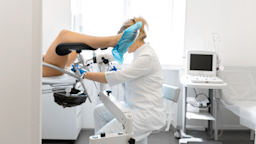
The most important part of diagnosing PID is a pelvic exam. This is to check for abnormal discharge and get vaginal swabs to test for infections such as chlamydia and gonorrhea. It’s also important to assess for any tenderness during a pelvic exam, because this can also indicate infection.
Additional tests can sometimes help figure out if you have PID or another condition. These tests may include:
A urine test to check for a urinary tract infection (UTI)
A urine or blood test to check for pregnancy
Imaging tests, such as ultrasound, CT, or MRI, to look at your internal organs and check for an abscess
An endometrial biopsy, which removes a sample of tissue from the lining of your uterus so it can be examined under a microscope
A diagnostic laparoscopy, which uses a small camera to look inside your pelvis
If your healthcare team thinks you could have PID, they may recommend treatment even if you’re still waiting for certain test results. This is because any delay in starting treatment increases your risk of complications.
How is PID treated?
The best treatment for PID is antibiotics, either at home or in the hospital. People who are pregnant, very ill, or have other medical complications may need intravenous (IV) antibiotic treatment in the hospital.
Outpatient (at-home) treatment involves taking 2 or 3 antibiotics by mouth, for at least 2 weeks. In some cases, you may receive a one-time injection of antibiotics into your muscle before starting oral antibiotics.
It’s important to take the full course of antibiotics, even if you start feeling better. This helps improve your chances of fully getting rid of the infection.
Here’s a typical at-home treatment plan for PID:
Doxycycline pills (100 mg) taken twice a day for 2 weeks
Metronidazole pills (500 mg) taken twice a day for 2 weeks
A one-time shot of a cephalosporin antibiotic, like ceftriaxone
Your sex partner(s) should also be treated to help prevent reinfection.
Does PID go away on its own?
No, PID won’t go away on its own. You’ll need to see a healthcare professional for a diagnosis and treatment. While it might sound inconvenient or make you nervous, remember that getting treated as soon as possible is the best way to avoid long-term health problems from PID.
How to get a prescription for pelvic inflammatory disease
All treatments for STIs and PID require a prescription. For many women, talking about their symptoms or sexual activities with a healthcare professional can be embarrassing or awkward. That’s understandable.
It may help to know that women’ s healthcare professionals are trained to handle even the most uncomfortable situations and provide care without judgement. Your health should be the priority.
That said, if you don’t feel comfortable with your current healthcare team, it’s OK to look for another one.
If you don’t have a primary care or women’s health specialist, you still have options. Consider other health centers like Planned Parenthood, your local family planning clinic, or your local health department.
What happens if PID isn’t treated?
Untreated PID is known to cause harmful inflammation and scarring. This can cause permanent problems, such as:
Chronic pelvic pain
Abdominal infections
Ectopic pregnancy (a pregnancy that develops outside your uterus)
Adhesions (scar tissue that can cause organs in your abdomen and pelvis to stick together)
A rare complication of PID is Fitz-Hugh-Curtis syndrome (FHCS), also called perihepatitis. This condition occurs when the infection leads to inflammation and adhesions in the tissues around your liver. It causes right upper abdominal pain, fever, and vomiting. FHCS is treated with antibiotics, but it may require hospitalization.
How to prevent PID
Not every single case of PID can be prevented because it’s not always caused by an STI. But there are ways you can help prevent PID.
You can take the following steps to decrease your risk of getting STIs and PID:
Use condoms every time you have sex, even if you’re using another form of birth control.
Get tested for STIs regularly. Ask your partner to get tested, too, and share your results with each other.
Limit your number of sex partners. The more sexual partners you have, the higher your risk of getting an STI.
Don’t douche. Douching can remove the healthy bacteria that live in your vagina and it can cause unhealthy bacteria to travel into your reproductive tract.
Because STIs play a major role in developing PID, it’s important to get tested regularly. If you’re not sure about how and when to get tested, talk with your healthcare team and refer to this STI testing guide. There are even at-home testing kits to make testing more convenient.
Frequently asked questions
No, having an intrauterine device (IUD) doesn’t cause pelvic inflammatory disease (PID). But there’s an increase in the risk of PID during the first few weeks after an IUD is inserted. After that, the risk returns to normal for the rest of the life of the IUD.
No, men don’t get PID because they don’t have female reproductive organs. But they can pass on a sexually transmitted infection (STI), which can increase a female partner’s risk of PID.
Yes, you can get a PID without an STI. Researchers have found that different bacteria unrelated to STIs can also cause PID. These bacteria can be linked to bacterial vaginosis (BV), abdominal infections, or other causes that aren’t yet clear.
How long it takes to develop PID can be variable. In some cases, PID develops quickly over a few days. In other cases, it can take weeks to appear or worsen. And it’s difficult to know how long PID has been present in people who don’t have symptoms.
You may get STI testing for free or at a reduced price if you have health insurance. STI testing can also be free or low cost with Medicaid plans and other government programs, such as those offered by your local health department. And some clinics, including many Planned Parenthood and other health centers, give free or low-cost STI testing based on income.
No, having an intrauterine device (IUD) doesn’t cause pelvic inflammatory disease (PID). But there’s an increase in the risk of PID during the first few weeks after an IUD is inserted. After that, the risk returns to normal for the rest of the life of the IUD.
No, men don’t get PID because they don’t have female reproductive organs. But they can pass on a sexually transmitted infection (STI), which can increase a female partner’s risk of PID.
Yes, you can get a PID without an STI. Researchers have found that different bacteria unrelated to STIs can also cause PID. These bacteria can be linked to bacterial vaginosis (BV), abdominal infections, or other causes that aren’t yet clear.
How long it takes to develop PID can be variable. In some cases, PID develops quickly over a few days. In other cases, it can take weeks to appear or worsen. And it’s difficult to know how long PID has been present in people who don’t have symptoms.
You may get STI testing for free or at a reduced price if you have health insurance. STI testing can also be free or low cost with Medicaid plans and other government programs, such as those offered by your local health department. And some clinics, including many Planned Parenthood and other health centers, give free or low-cost STI testing based on income.
The bottom line
Pelvic inflammatory disease (PID) is an infection that starts in your vagina spreads to other reproductive organs. PID doesn’t always cause symptoms. But when it does, common symptoms include abnormal vaginal discharge, lower abdominal pain, and pain with sex. Early treatment is critical in order to avoid complications, which can include infertility and chronic pelvic pain. The best ways to prevent PID are to practice safe sex, get tested for sexually transmitted infections (STIs) regularly, and avoid douching.

Why trust our experts?




References
American College of Obstetricians and Gynecologists. (2022). Pelvic inflammatory disease (PID).
American College of Obstetricians and Gynecologists. (2024). Clinical challenges of long-acting reversible contraceptive methods (committee opinion No. 672).
American Sexual Health Association. (2026). How to talk to a health care provider about sexual health.
Basit, H., et al. (2023). Fitz-Hugh–Curtis syndrome. StatPearls.
Curry, A., et al. (2019). Pelvic inflammatory disease: Diagnosis, management, and prevention. American Family Physician.
Htaik, K., et al. (2026). Systematic review and meta-analysis of the association between mycoplasma genitalium and pelvic inflammatory disease (PID). Clinical Infectious Diseases.
Jenkins, S. M., et al. (2025). Pelvic inflammatory disease. StatPearls.
Jennings, L., & Krywko, D. (2020). Pelvic inflammatory disease. Retrieved from https://www.ncbi.nlm.nih.gov/books/NBK499959/
Kreisel, K., et al. (2017). Prevalence of pelvic inflammatory disease in sexually experienced women of reproductive age — United States, 2013–2014. MMWR Morbidity and Mortality Weekly Report.
Office on Women’s Health. (2025). Douching. U.S. Department of Health & Human Services.
Polyzou, E., et al. (2025). Non-sexually transmitted infection (STI)-related pelvic inflammatory disease (PID). Microorganisms.
Yusuf, H., et al. (2023). Management of pelvic inflammatory disease in clinical practice. Therapeutics and Clinical Risk Management.