Key takeaways:
Gonorrhea is a bacterial infection that usually spreads through sexual activity. It can infect different areas of the body, including the mouth, vagina, penis, and rectum.
Gonorrhea often doesn’t cause any symptoms. But some people experience burning when peeing or abnormal discharge from the penis or vagina.
Left untreated, gonorrhea can cause more severe infections. Medications can easily treat gonorrhea in most cases.
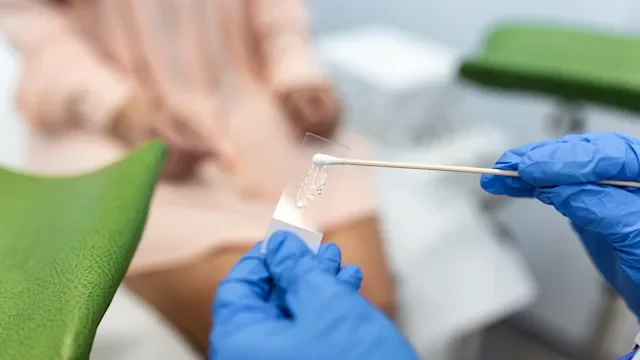
You can easily get tested for gonorrhea with a urine sample, or a swab of the urethra, cervix, anus, or throat.
Gonorrhea is a common sexually transmitted infection (STI). It can infect many different sites in the body, so the symptoms can vary. More importantly, many people don’t experience symptoms. But even if you don’t have symptoms, you can still pass the infection to other people. And gonorrhea can cause some serious issues if it’s not treated.
What is gonorrhea?
Gonorrhea is a bacterial STI that affects more than half a million people every year in the U.S. People have used different names for it over the decades, including the clap and drip. Gonorrhea is caused by the bacteria Neisseria gonorrhoeae, which can spread through sexual contact. It can infect many different sites in the body, so the symptoms can vary.
How do you get gonorrhea?
The bacteria that causes gonorrhea spreads through sexual fluids, including vaginal fluid and semen. You can get gonorrhea from sexual intercourse, including anal sex and oral sex. Gonorrhea can also be transmitted through sex toys. But gonorrhea doesn’t spread through all types of physical contact. You can’t get gonorrhea from hugging or holding hands.
Some research has suggested that gonorrhea can spread through kissing. While the bacteria that causes gonorrhea can be detected in saliva, it’s unclear whether it can spread from person to person through saliva alone. The risk is likely low, but more research is needed to say for sure.
Symptoms of gonorrhea
Many people with gonorrhea don’t have any symptoms. And the symptoms that can occur will depend on what part of your body is infected. Gonorrhea tends to affect areas that contain mucous membranes, such as the lining of the genital tract, rectum, or throat. The infection can cause painful inflammation and irritation in these areas.
Gonorrhea symptoms in women
Gonorrhea can infect the cervix and urethra of the female reproductive tract. These symptoms may be similar to other STIs or urinary tract infections (UTIs).
Some common symptoms are:
Pain or burning with urination
A frequent urge to urinate
Vaginal itching
Abnormal vaginal discharge, particularly if it has a new foul smell or looks thick and yellow
Vaginal bleeding or spotting between periods
If the infection is left untreated, it can spread up the reproductive tract and into the uterus. This is called pelvic inflammatory disease (PID), and it can lead to additional symptoms like:
Pelvic pain
Abdominal pain
Fever
Nausea and vomiting
In rare cases, it can continue to spread and even affect your liver, a condition known as Fitz-Hugh-Curtis syndrome.
Gonorrhea symptoms in men
If gonorrhea infects the male reproductive tract, it involves the urethra. It can cause symptoms such as:
Burning with urination
Discharge from the penis, which often looks white or yellow

Read more like this
Explore these related articles, suggested for readers like you.




Untreated gonorrhea can also spread into the epididymis, which is on top of the testicles. This condition is called epididymitis and can lead to pain and sometimes swelling in the testicles. It usually affects only one side.
Symptoms of gonorrhea in the rectum
Gonorrhea can also infect the rectum in people who have anal sex. Most of these infections don’t lead to symptoms. But symptoms can include:
Anal itching or irritation
Tenesmus, which is a sensation that you need to pass stool, even if there’s nothing there
Anal discharge that looks white or yellow
Anal pain with bowel movements
Bloody bowel movements
Symptoms of gonorrhea in the throat
Gonorrhea can also spread to the throat. This typically happens through oral sex. Most throat infections don’t have symptoms. But possible symptoms include:
Sore throat
Redness and mucus in the throat
Swollen lymph nodes in the neck
How is gonorrhea diagnosed?
Gonorrhea is pretty simple to diagnose. There are two main ways to test for it:
Urine sample
Swab sample of the potentially affected tissue (female cervix, male urethra, throat, or anus)
The urine test is usually quicker and can often give you same-day results. An in-office swab test usually takes 1 to 2 days for a result, because the bacteria takes time to grow. Keep in mind that urine tests can only diagnose gonorrhea when it infects your penis or vagina. Urine tests can’t help diagnose gonorrhea in your throat or rectum.
You can also get a home test kit, which you’ll need to mail in. It can take about 7 days to get the results back.
Good to know: When you’re tested for gonorrhea, you’ll typically be tested for chlamydia as well — another type of STI. This is because these infections can cause similar symptoms and can also occur together.
How is gonorrhea treated?
Most cases of gonorrhea are easy to treat. There are a few options for treatment:
The first-choice treatment is a one-time injection of the antibiotic ceftriaxone (Rocephin) into a muscle.
People who are allergic to ceftriaxone are usually treated with a combination of a gentamicin injection and a single pill dose of the antibiotic azithromycin (Zithromax).
Gepotidacin (Blujepa) is a newer antibiotic pill that can treat uncomplicated gonorrhea in 2 doses in certain people ages 12 years and older.
Zoliflodacin (Nuzolvence) is another new antibiotic that can treat gonorrhea as a single dose.
If a healthcare professional suspects gonorrhea during testing, they may recommend treatment even before getting the test result. This is because gonorrhea spreads easily and can cause serious complications if left untreated. Since treatment usually requires an in-office injection, treating at the time of testing reduces office visits.
In all cases, you should avoid sexual contact for at least 7 days after completing treatment for gonorrhea. This makes sure the infection is fully treated, because it can still spread within a week of treatment. And even though it can be a difficult conversation to have, it’s important to let all recent sexual partners know that you tested positive so they can get tested as well.
Is gonorrhea curable?
Yes, gonorrhea is curable with antibiotic treatment. That means you can completely get rid of the infection. But some types of gonorrhea are becoming more challenging to treat due to antibiotic resistance.
Can gonorrhea go away on its own?
No. Gonorrhea is a bacterial infection that requires antibiotics to clear. You may not have any symptoms of gonorrhea, or you may have symptoms that come and go. But that doesn’t mean that the infection is gone. Getting treatment is the best way to cure gonorrhea and avoid potential complications.
Complications of gonorrhea
Gonorrhea infections are easily treated and cured with antibiotics. But untreated gonorrhea can spread to other parts of the body and lead to different complications.
Pelvic inflammatory disease (PID)
PID happens when gonorrhea spreads to the uterus. If you develop PID, you’ll need stronger and longer courses of antibiotics for treatment. You might need to stay in the hospital to get intravenous (IV) antibiotics.
PID can lead to:
Abscesses, or pockets of infection, which may need a procedure to remove them
Infertility, which results from the scar tissue that forms in the uterus from the infection
Disseminated gonorrhea
Gonorrhea can spread to the rest of the body through the blood. This most typically affects the joints, causing joint pain or redness. It can also affect the skin and cause painless skin rashes that look like blisters or red bumps. In rare cases, it can also spread to the heart and brain. Treatment of disseminated gonorrhea usually requires staying in the hospital for IV antibiotics.
Eye infections in newborns
If you have gonorrhea when you’re pregnant, your baby’s conjunctiva (the lining of the eyes) can get infected when you give birth. The baby’s eyes might look red and have a green or white discharge. This infection can permanently damage the eyes and cause blindness. To prevent this from happening, all newborn babies get erythromycin eye ointment shortly after birth.
Gonorrhea prevention
The only way to completely prevent gonorrhea is to not have vaginal, anal, or oral sex. But there are ways to lower your risk if you do have sex:
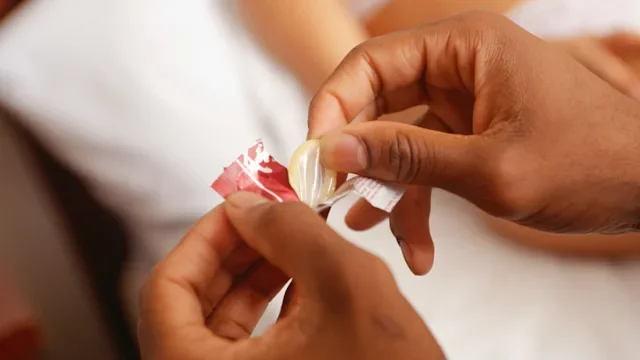
Use protection when you have sex. Condoms work well to prevent STIs like gonorrhea.
Don’t have sex if you have symptoms of gonorrhea or with someone who has symptoms.
Limit how many sexual partners you have, or commit to just one sexual partner (monogamy).
Talk with your partner about your sexual histories, and get tested before having sex.
Even if you don’t have symptoms of gonorrhea, screening can help prevent the spread of the infection. Routine screening is particularly important if:
You’ve had sexual contact with someone who has symptoms of an STI.
You’ve had sexual contact with someone diagnosed with an STI.
You’ve had multiple sexual partners.
You’re sexually active and under the age of 25 years.
Experts specifically recommend routine screening for women. This is because untreated infections in women bring a greater risk of problems, like infertility.
How to tell my partner I have gonorrhea
Finding out that you have gonorrhea or another STI can feel overwhelming. And it can be stressful to think about sharing the news with your sexual partner(s). But it’s the right thing to do. Letting them know means they can get tested sooner and lower the chances of complications.
Here are a few things to consider as you prepare for the conversation:
Pick a time and quiet space: Ideally you can share the news in a private space without distractions.
Stay calm and patient: Remember how you felt when you found out you tested positive. Give your partner time to process and respond.
Gather information: Your partner will likely have questions about what to do next. Share what you learned when you got tested, including treatment options. If you don’t feel comfortable talking about STIs, you can share community resources like testing centers where they can learn more.
Frequently asked questions
Yes, gonorrhea is very contagious. Many people don’t know they have it because it often doesn’t cause symptoms. This is why it’s important to use protection and to do routine screening if you’re sexually active.
People usually get gonorrhea through anal, vaginal, or oral sex. You can also get gonorrhea if you have infected fluid on your hand and touch your eye. Gonorrhea can also spread from mother to baby during childbirth.
You may not have any symptoms with gonorrhea. When symptoms are present, they can take anywhere from a couple of weeks to months to show up.
Since gonorrhea often doesn’t cause symptoms, it may not look like anything. That said, it can cause a yellow or green discharge from the vagina or a white to yellowish discharge from the penis or rectum. Gonorrhea eye infections can make the eyes look red and have a green or white discharge. Remember, the best way to know if you have gonorrhea is to get tested.
Yes, gonorrhea is very contagious. Many people don’t know they have it because it often doesn’t cause symptoms. This is why it’s important to use protection and to do routine screening if you’re sexually active.
People usually get gonorrhea through anal, vaginal, or oral sex. You can also get gonorrhea if you have infected fluid on your hand and touch your eye. Gonorrhea can also spread from mother to baby during childbirth.
You may not have any symptoms with gonorrhea. When symptoms are present, they can take anywhere from a couple of weeks to months to show up.
Since gonorrhea often doesn’t cause symptoms, it may not look like anything. That said, it can cause a yellow or green discharge from the vagina or a white to yellowish discharge from the penis or rectum. Gonorrhea eye infections can make the eyes look red and have a green or white discharge. Remember, the best way to know if you have gonorrhea is to get tested.
The bottom line
Gonorrhea is a common sexually transmitted infection (STI). But it often doesn’t cause any symptoms. Many people don’t even realize they have the infection. The symptoms of gonorrhea can also be mistaken for other illnesses or missed entirely. Most people are hesitant to discuss their sexual health with a healthcare professional. But getting tested and treated for STIs is an important step in preventing certain health problems and further transmission of the infection to others.

Why trust our experts?



References
Centers for Disease Control and Prevention. (2021). Gonococcal infections among adolescents and adults.
Centers for Disease Control and Prevention. (2021). Gonococcal infections among neonates.
Centers for Disease Control and Prevention. (2025). Sexually transmitted infections surveillance, 2024 (Provisional).
Charleson, F., et al. (2023). A systematic review of kissing as a risk factor for oropharyngeal gonorrhea or chlamydia. Sexually Transmitted Diseases.
GSK plc. (2025). Blujepa (gepotidacin) approved by US FDA as oral option for treatment of uncomplicated urogenital gonorrhoea (uGC).
Ishizuka, K., et al. (2025). Fitz-Hugh–Curtis syndrome. The American Journal of Medicine.
Mayor, M. T., et al. (2012). Diagnosis and management of gonococcal infections. American Family Physician.
MedlinePlus. (2025). Gonorrhea test.
National Health Service. (2024). Gonorrhoea.
New York State Department of Health. (2006). Gonorrhea gonococcal infection (clap, drip).
Planned Parenthood. (n.d.). How do I talk with my partner about STD testing?
Planned Parenthood. (2024). Now offering STI mail-in kits!
Planned Parenthood. (n.d.). Where can I get tested for STDs?
St. Cyr, S., et al. (2020). Update to CDC's treatment guidelines for gonococcal infection, 2020. Centers for Disease Control and Prevention.
U.S. Food and Drug Administration. (2025). FDA approves two oral therapies to treat gonorrhea.
U.S. Preventive Services Task Force. (2021). Chlamydia and gonorrhea: Screening.