Neurological Center: Your GoodRx Guide


Neurological diseases are health conditions that affect your nervous system, like your brain, spinal cord, and nerves. They cause problems with how you move, think, and feel.
There are more than 600 different neurological diseases. Some of the most well-known are:
Alzheimer's disease and other types of dementia
Neurological diseases can affect your body in many different ways. They can:
Damage your brain, spinal cord, and nerves
Make it hard for your nervous system to communicate effectively
Cause parts of your nervous system to work incorrectly, or even die
Cause problems in other parts of your body that rely on the nervous system
Cause problems with how you think, move, and behave
Some neurologic diseases can be temporary, like an infection or concussion. But many neurologic diseases don’t have a cure and can be a lifelong problem.


Search and compare options
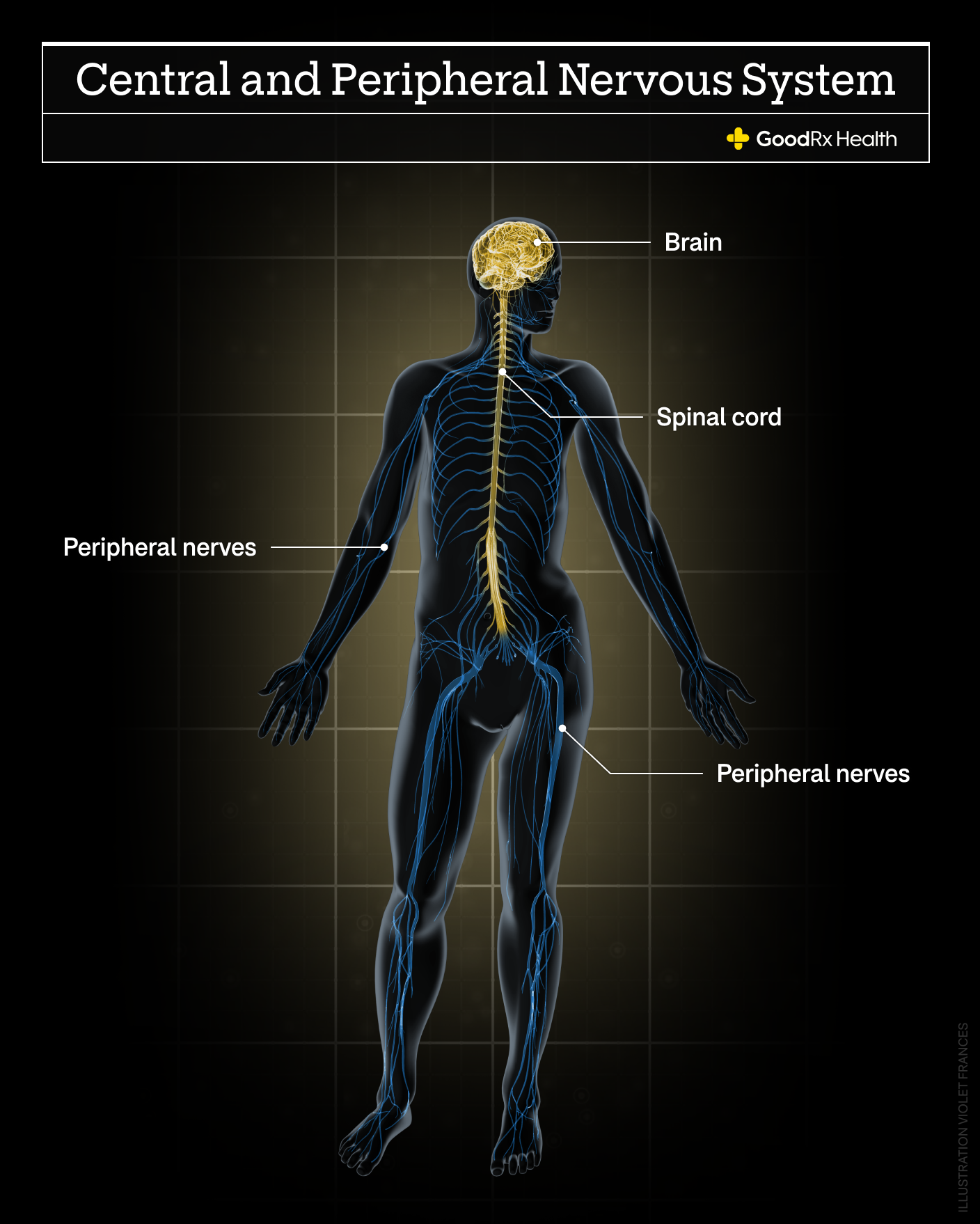
The nervous system controls most of your mental and physical health. It communicates with your whole body to keep everything working correctly, and allows you to interact with the world around you.
The two main parts of your nervous system are:
Central nervous system: This is your brain and spinal cord.
Peripheral nervous system: These are the nerves that branch off from your spinal cord, and go to all of your organs and tissues. They connect the central nervous system to the rest of your body.
Your nervous system has many important jobs. These include:
Memory and learning
Thoughts and feelings
Sensations, such as sight, hearing, taste, touch, and smell
Body movements
Balance and coordination
Controlling basic body functions, like breathing, blood circulation, and digestion
Sleeping and waking up
Monitoring hunger and thirst
Managing stress in your body
Helping your body respond to injury or infection
It depends. Some neurological diseases have a clear cause — like an infection or injury. Here are some things that can directly cause neurological problems:
Injuries
Vitamin deficiencies
Genetic abnormalities
Infections
Lack of oxygen supply to the brain
Environmental toxins
But other times, the cause isn’t so clear. This is true for many neurological diseases, like autoimmune disorders or Alzheimer’s. In these cases it seems that a combination of many different things leads to disease, including your:
Family history (genetics)
Environment
Life experiences
Lifestyle choices
Other medical conditions
No matter the cause, neurological diseases are common. Hundreds of millions of people around the world have neurological diseases. And in the United States, these diseases seem to be affecting more people now than ever before. About 3 out of every 5 people in the United States have at least one neurological disease.
Neurological disorders can have many different symptoms. After all, remember that there are more than 600 different types of neurological disorders.
Common symptoms of many neurological disorders include:
Headaches
Vision problems
Fatigue
Numbness or tingling sensations
Coordination problems
Muscle weakness or stiffness
Trouble speaking clearly
Behavioral or emotional changes
Memory problems or confusion
Sleep problems
Pain in your back, neck, or head
Seizures
Symptoms will depend on your age, your overall health, and what type of disorder you have. Symptoms can also change over time. Sometimes, they start suddenly. Other times, they come on gradually over many years, or even decades.
If you notice any of these symptoms — or if you’re concerned about neurological problems — it’s a good idea to talk with your healthcare provider. They can help determine whether you might have a neurological disorder, or if something else could be causing your symptoms.
Neurological diseases are diagnosed by a healthcare provider. If you’re having symptoms, talk with your doctor. They can meet with you to discuss your problems, and help to figure out what’s causing them.
Your healthcare provider will start with an interview and physical exam. This helps your doctor to understand your symptoms, and to see how your body moves and functions.
Your healthcare provider might suggest additional tests that can help with diagnosis, including:
Blood tests
Urine tests
Spinal tap (lumbar puncture)
Electroencephalogram (EEG)
Electromyography (EMG)
Neuropsychological testing
If you’re seeing a primary care provider, they might also send you to see a neurologist. A neurologist is a doctor who’s specially trained to identify and treat neurological diseases.
Keep in mind that some neurological disorders can be easy to diagnose, like a head injury or migraine. But other times, it can take a while to figure out exactly what’s going on, especially if you have a rare condition or you need to have more in-depth testing.
When it comes to neurological diseases, treatment isn’t one size fits all. The right treatment for you will depend on your unique symptoms, your other medical problems, and what type of neurological disease you have.
Some treatments can help manage symptoms of neurological disease, like pain. Other treatments can help to prevent symptom flare-ups, slow down your disease, or sometimes even offer a cure.
Treatments for neurological disorders include:
Prescription medications
Over-the-counter (OTC) medications
Electrical nerve stimulation
Surgery
Occupational therapy
Orthopedic devices, like braces or splints
Social and emotional support goes a long way, too. Many people with long-term neurological disease find it’s helpful to work with a therapist, or join a support group.
You can’t always prevent neurologic disease. But there are many things you can do to keep your nervous system as healthy as possible:
Avoid smoking. Smoking is hard on your body, including your brain.
Stay active. Regular exercise is good for your brain health, and may even lower your risk for some neurological disorders — including dementia.
Wear a helmet. Wearing a helmet while biking, skiing, or playing other sports can protect you from serious brain injuries.
Cut down on alcohol use. Alcohol can lead to many different health problems, including brain damage.
Eat a nutritious diet. Eating nutritious foods and following a plant-based diet may help to keep your whole body healthy, including your nervous system.
Get plenty of sleep. Not getting enough sleep is linked to some types of neurological problems.
Keep your brain active. Keeping your brain stimulated with puzzles, classes, and new activities can help your brain stay healthy as you age.
Stay connected with others. Being engaged in your community and connecting with friends and family can help to keep your brain healthy.
According to the 2017 Global Burden of Disease Study, the three “most burdensome” neurological disorders in the United States are stroke, Alzheimer’s disease and other dementias, and migraine. This means that compared with the other neurological disorders studied, these were the three disorders that caused the most death and disability.
According to the 2017 Global Burden of Disease Study, the three “most burdensome” neurological disorders in the United States are stroke, Alzheimer’s disease and other dementias, and migraine. This means that compared with the other neurological disorders studied, these were the three disorders that caused the most death and disability.
Yes. Experiencing stress can be hard on both your body and mind. Stress can cause symptoms like headaches, dizziness, thinking problems, and more.
Long-term (chronic) stress is linked to neurological problems, too. There’s evidence that chronic stress can worsen, or put you at risk for many different neurological disorders — including migraines and autoimmune diseases.
It’s not clear. Many different vitamins and supplements are currently being studied for Alzheimer's disease and other types of dementia. Though some natural products seem to help a little bit, it’s not clear yet how well they really work. More research is needed.
So far there’s some evidence that omega-3 fatty acids might help to keep your memory and thinking abilities sharp as you age, especially if you get it from eating fatty fish. B vitamins might also slow down problems, too — especially if taken for 12 months or longer.
Eating a wide variety of nutritious foods can help keep your brain and heart healthy. And it may even help to prevent or delay dementia, too. Two types of eating styles are especially linked to good long-term health, including brain health: the MIND diet and the Mediterranean diet.
The MIND diet and the Mediterranean diet emphasize eating lots of whole foods. Both diets include lots of fruits, vegetables, and healthy fats and proteins. They also suggest cutting down on saturated fats (like butter and red meat), processed foods, and white breads and sugar.
Peripheral neuropathy is when the nerves in your body are damaged, or don’t work well. The most common cause of peripheral neuropathy is diabetes, but it can also be caused by many other illnesses and injuries.
Peripheral neuropathy is sometimes reversible — but not always. It depends on your overall health, how much nerve damage you have, and what caused the damage. But take heart: Even if your peripheral neuropathy can’t be completely reversed, there are many treatments that can help to manage your symptoms.
Alzheimer’s Society. (n.d.). How to reduce your risk of Alzheimer's and other dementias.
Centers for Disease Control and Prevention. (2020). Helmet safety.

Prescription savings
Stop paying too much for your prescriptions. Compare prices, get pharmacy coupons, and save up to 80%. Find expert answers to your health questions so you can make the best decisions for yourself and your family.
Health conditions
Medications & treatment
Access & affordability
 Our monthly healthcare membership can help you save thousands on your prescription costs.
Resources