Key takeaways:
Testosterone levels decline naturally with age, but too large a drop can interfere with sexual activity.
Testosterone replacement therapy can help to relieve symptoms of sexual dysfunction.
There’s no evidence that natural methods to increase testosterone, including supplements, actually work.
Testosterone is a hormone the body makes in both males and females. But males make much more testosterone because the hormone plays an important role in male puberty and sexual function. During the teenage years for a male, testosterone causes a deepening of the voice, facial hair growth, and muscle strengthening. During adulthood, testosterone is important for sexual function and sperm production. But as people get older, testosterone levels naturally start to go down.
But sometimes this happens earlier than it should — this is called “testosterone deficiency syndrome” or “low testosterone” (low-T). Low testosterone causes trouble with sexual function and other symptoms. But there’s treatment that can help. Let’s take a closer look at the causes, treatments, and side effects of low testosterone.
What causes low testosterone?
Many times, it’s not clear why someone develops low testosterone. But there are conditions that are known to decrease testosterone production.
Medical conditions that affect the testicles, where testosterone is made, are a major cause of low-T. These conditions include:
Testicular injury or trauma
Orchiectomy, a surgery that removes one or both testicles
Mumps
Gonorrhea
Chlamydia
People with diabetes and obesity are twice as likely to have low testosterone. But scientists aren't sure if these conditions cause low testosterone or if low testosterone somehow causes these conditions.
In rare situations, a brain tumor can cause low testosterone. The pituitary gland inside the brain sends the testicles a chemical message to make testosterone. A tumor can prevent the message from being sent.
How do you measure low testosterone?
A blood test can measure testosterone levels. A level under 300 ng/dL is considered low.
Because testosterone levels vary during the day, providers usually do the test in the morning. A sugar load can lower testosterone levels, so it’s important to do your test before having anything to eat or drink.

Read more like this
Explore these related articles, suggested for readers like you.




When do most people experience a drop in testosterone production?
After age 40, testosterone levels in males drop 2% each year. The level is below 300 in 10% of males in their 50s and in 50% of males in their 80s. But only 25% of these people actually have symptoms.
What are the symptoms of low testosterone?
Low testosterone causes a variety of symptoms, including:
Low sex drive
Erectile dysfunction
Decreased semen volumes
Loss of body and facial hair
Weight gain
Fatigue
Weakness
Profuse sweating
Anxiety or depression
Poor memory and focus
But many people with low testosterone have no symptoms.
How do you treat low testosterone?
If you have symptoms of low testosterone that are interfering with your daily life, you might benefit from testosterone therapy. Testosterone therapy involves taking extra testosterone, which comes in many forms. You can take testosterone:
As a patch, gel, or cream on your skin
As an injection
As a patch in your mouth (that you don’t swallow)
As a gel in your nostrils
As a slowly dissolving pellet under your skin
All of these forms work equally well. Some people are more comfortable with one form over the others.
Once you start therapy, the goal is to get your testosterone level above 350. Your provider will check your level every 3 to 6 months. If you get injections of testosterone, your provider will check your level midway between injections. If you’re being treated with testosterone skin patches, your provider will check your level a few hours after they apply the patch.
Your provider will also check your hematocrit and prostate-specific antigen (PSA) level before starting therapy. This is to establish a baseline. Your provider will check these levels every 3 to 6 months. If they go up significantly, your provider may suggest stopping therapy. There’s no recommendation right now for how long someone should use testosterone therapy.
What are the benefits of testosterone therapy?
Benefits of testosterone therapy include:
Improved sexual function: It isn’t clear if testosterone therapy really improves sexual function. Some studies show that therapy improves sex drive and erectile dysfunction. Other studies show no benefit in treating erectile dysfunction.
Increased muscle mass: Testosterone therapy boosts muscle mass in young people. But it won’t actually make people stronger or improve their physical function. This is especially true for older men.
There’s no evidence that testosterone therapy improves symptoms of depression or anxiety. A few studies have actually shown more anger and aggression in men taking testosterone.
What are the drawbacks of testosterone therapy?
Like all medications, using testosterone therapy does come with risks. You should review these risks carefully and decide if the benefits of therapy outweigh these risks:
Increased risk of heart attack: There’s mixed evidence on whether people using testosterone therapy are at higher risk for heart attacks. Some studies have reported increased rates of heart attacks.
Increased risk of cancer spread: There’s mixed evidence on whether testosterone therapy stimulates the spread of metastatic prostate cancer or breast cancer in people who already have these conditions. It’s recommended that all people get checked for prostate and breast cancer before starting therapy.
Decreased sperm production: Testosterone therapy can decrease normal sperm production. If you’re trying to have a child, talk to your provider about whether you should stop therapy or start additional medication to increase your sperm count.
Are there any natural ways to increase testosterone levels?
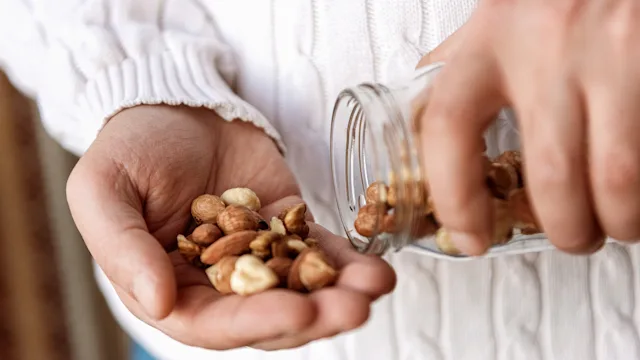
There are many popular methods that aim to naturally boost testosterone levels, including:
Taking vitamin D supplements
Eating honey
Eating a balanced diet
Doing weight training
Doing cardio exercise
Right now there’s no data to show that any of these methods significantly increase testosterone levels. But a balanced diet and exercise are important for overall health, and if they increase your testosterone level too, it’s a bonus.
There are many supplements and vitamins that claim to increase testosterone. The FDA doesn’t regulate most of these. And most don’t have data to show that their products actually work.
The bottom line
Testosterone levels naturally decrease as people get older, but levels can also decrease because of medical conditions. People with low testosterone can have symptoms that impact their quality of life and sexual function. There’s treatment for low testosterone using testosterone therapy.

Why trust our experts?



References
Anaissie, J., et al. (2017). Testosterone deficiency in adults and corresponding treatment patterns across the globe. Translational Andrology and Urology.
Banihani, S. A. (2019). Mechanisms of honey on testosterone levels. Heliyon.
Clemesha, C. G., et al. (2020) ‘Testosterone boosting’ supplements composition and claims are not supported by the academic literature. The World Journal of Men’s Health.
Fantus, R. J., et al. (2020). The association between popular diets and serum testosterone among men in the United States. The Journal of Urology.
Hayes, L. D., et al. (2017). Exercise training improves free testosterone in lifelong sedentary aging men. Endocrine Connections.
Hu, T. Y., et al. (2018). Testosterone-associated dietary pattern predicts low testosterone levels and hypogonadism. Nutrients.
Huo, S., et al. (2016). Treatment of men for ‘low testosterone’: A systematic review. PLOS ONE.
Kumagai, H., et al. (2016). Increased physical activity has a greater effect than reduced energy intake on lifestyle modification-induced increases in testosterone. Journal of Clinical Biochemistry and Nutrition.
Pilz, S., et al. (2010). Effect of Vitamin D supplementation on testosterone levels in men. Hormone and Metabolic Research.
Rivas, A. M., et al. (2014). Diagnosing and managing low serum testosterone. Baylor University Medical Center Proceedings.
Urology Care Foundation. (2021). What is low testosterone?
Vingren, J. L., et al. (2010). Testosterone physiology in resistance exercise and training: The up-stream regulatory elements. Sports Medicine.