Key takeaways:
Testosterone is a type of sex hormone found in all people.
Getting enough of certain nutrients like zinc, magnesium, and vitamin D can indirectly help increase testosterone production.
Some foods — like pomegranates, dark chocolate, fatty fish, eggs, and ginger — may help support testosterone. But human studies are limited, so there isn’t enough evidence to know for sure.
A diet low in ultra-processed foods is linked with higher testosterone levels.
Testosterone is a sex hormone found in both men and women, though it’s present in higher amounts in males. Testosterone helps with regulating sex drive, developing sex organs, and muscle size. It also supports sperm production.
You may have heard the claim that eating certain foods can help increase your testosterone levels. This topic has generated a lot of hype, but is there evidence to back up the claims?
In this article, we’ll dive into the science behind this claim and provide a deeper look at what testosterone is and whether certain foods can boost levels in the body.
Can foods boost testosterone?
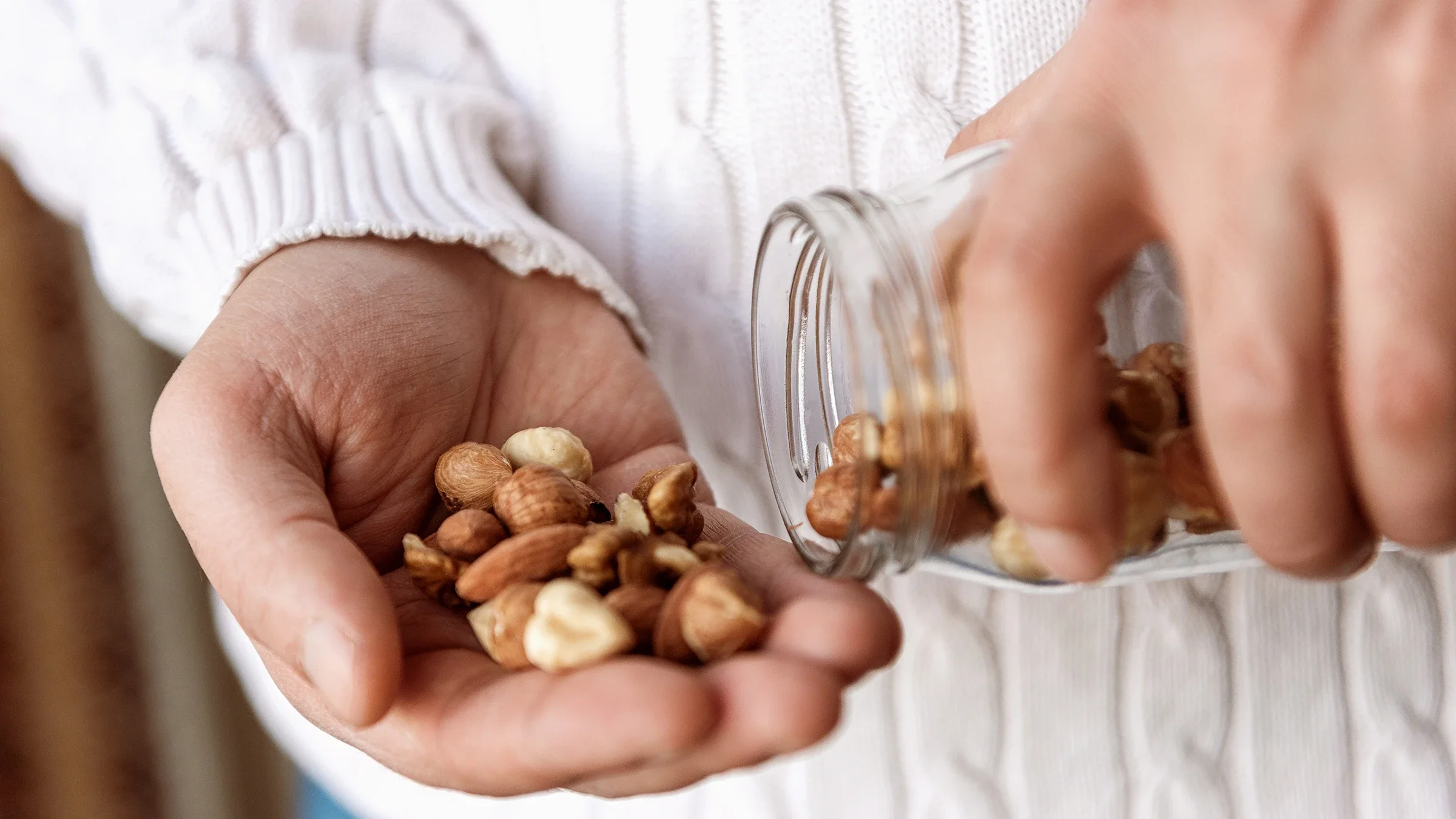
No single food can magically boost your testosterone. However, there’s evidence that what you eat can affect your testosterone levels. Certain foods may support testosterone production — especially if you’re low in key nutrients.
Low levels of nutrients like zinc, magnesium, and vitamin D have been linked to low testosterone. If you’re deficient in these nutrients, eating foods rich in them may help increase your testosterone to a healthy range.
Your overall diet patterns also play a role. Eating a low-carb Mediterranean diet may help boost testosterone levels with time. Meanwhile, a diet high in ultra-processed foods is linked to low testosterone levels.
What do the experts say about raising testosterone through diet?
You can’t increase natural testosterone levels through specific foods alone, according to experts from the National Academy of Sports Medicine. But dietary changes — like making sure you get enough fat — may help prevent testosterone from dropping.
In one review, researchers found that foods can be used to regulate your testosterone levels. But the studies in this review were all done in animals. So more research in people is needed to understand this effect.
Foods that may increase testosterone
Foods that may increase testosterone are those that are unprocessed and rich in nutrients. The research on diet and testosterone tends to focus more on patterns than individual foods. There isn’t a lot of evidence to prove that individual foods boost testosterone. Below, we’ll take a closer look at what the research actually shows.
Pomegranates
Pomegranates are sometimes referred to as a “superfood.” They contain anthocyanins, which are nutrient-rich compounds that help the body fight inflammation and cell damage.
In one small study, people who drank pomegranate juice daily for 2 weeks had higher testosterone levels in their saliva, which typically reflects higher overall testosterone levels. Both men and women saw increases.
But other research hasn’t shown the same effect. In another small study, athletes who took a pomegranate supplement before exercise didn’t have higher testosterone levels than those taking a placebo. More research is needed to know if pomegranates, or pomegranate juice, can help boost testosterone.

Read more like this
Explore these related articles, suggested for readers like you.




Dark chocolate
Dark chocolate contains a high amount of cocoa in comparison to regular chocolate. Cocoa is high in flavonoids, polyphenols, and nutrients like magnesium that may support healthy testosterone levels.
One study looked at 120 young men who took either a cocoa supplement (200 mg or 400 mg) or a placebo with no cocoa. After 2 months, men in both cocoa groups had higher levels of free testosterone. Those who took the higher dose (400 mg) also had higher total testosterone.
Another study found that older men who took 400 mg of cocoa daily for 2 months reported better sexual functioning and an increase in libido.
Fatty fish
Salmon and tuna are fish that contain omega-3 fatty acids, which are known for their heart-healthy and brain-boosting benefits.
Research suggests there may be a connection between higher fish intake and testosterone levels in men. One study reviewed omega-3 intake in men. Researchers found that people who consumed more omega-3 fatty acids were more likely to have higher testosterone levels.
Another study found that men who ate more fish had higher testosterone levels, but lean fish was more effective than fatty fish. It’s unclear which type of fish may best support testosterone. But there are many benefits of consuming fish.
Oysters
Oysters have a wide variety of nutrients, and they’re particularly high in:
Zinc
Copper
B12
Manganese
There are claims that oysters can increase your sex drive. However, there isn’t much research in people to back these claims.
One reason oysters may help with testosterone is their high zinc content. Zinc deficiency is linked to low testosterone. And taking a zinc supplement when deficient has been linked with an increase in testosterone. So consuming a food high in zinc could help support testosterone production.
Leafy green vegetables
There are plenty of reasons to eat your daily greens. But research shows leafy green veggies may also be connected to testosterone levels in men.
One observational study reviewed the dietary habits of 125 men. It found that eating low amounts of homemade foods and dark green vegetables was linked to lower testosterone levels. So far, it’s not clear if leafy greens directly have an effect on testosterone, or if an overall healthy diet influences testosterone the most.
Eggs
Eggs are high in B vitamins (B6, B9, and B12). They’re also high in iron, selenium, and phosphorus.
One study took 30 men who did resistance training and split them into 2 groups. Some men ate 3 whole eggs after workouts. Others ate 6 egg whites after workouts. After 12 weeks, the whole-egg group saw a higher increase in their testosterone post-workout. The research on eggs looks promising. But larger studies are needed.
Garlic
Garlic is a flavorful root vegetable that’s high in antioxidants. It has been studied for its benefits related to blood pressure, blood sugar, and inflammation. However, its effect on testosterone is less clear.
There are many lab and animal studies that suggest garlic supplementation can lead to higher testosterone levels. But there aren’t any studies on people. So there’s no evidence to support garlic as a testosterone-boosting food yet.
Ginger
Ginger is a flavorful root, also commonly used as a spice in Indian and Thai cooking. Ginger is often praised for its digestive benefits, but it also may help boost testosterone.
In animal studies, ginger in various forms — powder, extract and fresh — appears to help support healthy testosterone levels. In men with infertility, some research suggests that ginger supplements may help improve sperm quality. And a small study found that after 3 months of daily ginger supplements, men with infertility had higher testosterone levels. But larger studies are needed to know what dose and formulation may be most effective.
Olive oil
Olive oil is a healthy fat, high in antioxidants. It’s a popular oil in the Mediterranean diet. Olive oil may help support testosterone production because your body needs fat to make testosterone.
Scientists have found that a diet that’s too restricted in fat may lead to low levels. And eating a diet rich in healthy fats may help maintain your testosterone levels. Some studies have found that changing to the Mediterranean diet — which is rich in olive oil — may help boost testosterone in men.
Additionally, one study looked at 60 young men between ages 23 and 40. Study participants were given either argan oil or olive oil for 3 weeks. While both groups saw an increase in testosterone by the end of the study, the olive oil group saw the biggest increase.
Foods to limit
Sometimes, avoiding certain foods can be more important than what you choose to eat in terms of helping your testosterone levels.
Cutting back on these foods may help support healthier hormone levels over time:
Ultra-processed foods (sugary drinks, frozen meals, and sweets)
Refined carbohydrates
Fried foods
Alcohol
Other ways to boost testosterone naturally
Diet is just one piece of the puzzle. Your daily habits also play a big role in supporting healthy testosterone levels. Some recommended ways to naturally boost testosterone include:
Strength training: Both strength training and aerobic exercise have been linked to higher testosterone levels.
Getting consistent sleep: Work on creating healthy sleep habits to get 7 to 8 hours of sleep per night.
Reducing stress: From mindfulness to muscle relaxation, there are many ways to help lower your stress.
Limiting alcohol: Excessive drinking can lower testosterone, so moderation is key.
Frequently asked questions
Some supplements may help increase testosterone levels. How much they increase levels can vary. Research shows that increasing your vitamin D and zinc levels can help improve low testosterone if you’re deficient in these nutrients. The supplements that show the most promise in boosting testosterone are:
Vitamin B6
Boron
Dehydroepiandrosterone (DHEA)
Herbal supplements such as fenugreek, ginseng, and ashwagandha
You can get your testosterone levels checked through your primary healthcare provider. A few signs of low testosterone include:
Low sex drive
Erectile dysfunction
Hair loss
Brain fog
Fatigue
The research here is slim. One study found pomegranate juice increased testosterone levels by about 25%. Another study compared tea drinkers to non-tea drinkers. It found that men who reported drinking green tea often had higher testosterone levels. More research is needed on this topic though.
The research on nicotine and testosterone is mixed. In animal studies, smoking leads to lower testosterone. But one review of 22 studies found that smokers tend to have higher levels of testosterone. That said, nicotine has many harmful effects on the body, including increasing the risk of heart disease and cancer. Avoiding nicotine is still the best choice.
Some supplements may help increase testosterone levels. How much they increase levels can vary. Research shows that increasing your vitamin D and zinc levels can help improve low testosterone if you’re deficient in these nutrients. The supplements that show the most promise in boosting testosterone are:
Vitamin B6
Boron
Dehydroepiandrosterone (DHEA)
Herbal supplements such as fenugreek, ginseng, and ashwagandha
You can get your testosterone levels checked through your primary healthcare provider. A few signs of low testosterone include:
Low sex drive
Erectile dysfunction
Hair loss
Brain fog
Fatigue
The research here is slim. One study found pomegranate juice increased testosterone levels by about 25%. Another study compared tea drinkers to non-tea drinkers. It found that men who reported drinking green tea often had higher testosterone levels. More research is needed on this topic though.
The research on nicotine and testosterone is mixed. In animal studies, smoking leads to lower testosterone. But one review of 22 studies found that smokers tend to have higher levels of testosterone. That said, nicotine has many harmful effects on the body, including increasing the risk of heart disease and cancer. Avoiding nicotine is still the best choice.
The bottom line
There’s no single food that will magically boost your testosterone. What really matters is the bigger picture. Try to eat a nutrient-rich diet. Also, aim to get enough key vitamins and minerals like zinc, magnesium, and vitamin D. And, finally, support your body with healthy habits like exercise and sleep.
Some foods — like pomegranates, dark chocolate, and fatty fish, as well as eggs and ginger — show small, promising effects in studies. But the evidence is still limited, especially in people. Focusing on an overall healthy lifestyle is the most reliable way to keep your testosterone in a healthy range.

Why trust our experts?




References
Al-Dujaili, E., et al. (2012). Pomegranate juice intake enhances salivary testosterone levels and improves mood and well being in healthy men and women. Endocrine Abstracts.
Ammar, A., et al. (2020). Effects of natural polyphenol-rich pomegranate juice on the acute and delayed response of homocysteine and steroidal hormones following weightlifting exercises: A double-blind, placebo-controlled trial. Journal of the International Society of Sports Nutrition.
Bagheri, R., et al. (2021). Whole egg vs. egg white ingestion during 12 weeks of resistance training in trained young males: A randomized controlled trial. Journal of Strength and Conditioning Research.
Banihani, S. A. (2018). Ginger and testosterone. Biomolecules.
Corsetti, V., et al. (2023). Effects of the low-carb organic Mediterranean diet on testosterone levels and sperm DNA fragmentation. Current Research in Food Science.
Derouiche, A., et al. (2013). Effect of argan and olive oil consumption on the hormonal profile of androgens among healthy adult Moroccan men. Natural Product Communications.
FoodData Central. (2019). Mollusks, oyster, eastern, wild, cooked, dry heat. U.S. Department of Agriculture.
Hosseini, J., et al. (2016). The influence of ginger (Zingiber officinale) on human sperm quality and DNA fragmentation: A double-blind randomized clinical trial. International Journal of Reproductive Biomedicine.
Hu, T. Y., et al. (2018). Testosterone-associated dietary pattern predicts low testosterone levels and hypogonadism. Nutrients.
Ito, A., et al. (2024). Association between fish intake and serum testosterone levels in older males: The Hitachi Health Study II. Current Developments in Nutrition.
Kaminski, J. (n.d.). Can foods boost testosterone for men and women? National Academy of Sports Medicine.
Kandylis, P., et al. (2020). Food applications and potential health benefits of pomegranate and its derivatives. Foods.
Kataoka, T., et al. (2021). A review of foods and food supplements increasing testosterone levels. Journal of Men’s Health.
Kurniawan, A. L., et al. (2019). Dietary patterns in relation to testosterone levels and severity of impaired kidney function among middle-aged and elderly men in Taiwan: A cross-sectional study. Nutrition Journal.
Liu, X., et al. (2025). Dietary patterns and testosterone balance: A review of clinical data and perspectives. Journal of Advanced Research.
Mares, A., et al. (2012). The effect of ginger on semen parameters and serum FSH, LH & testosterone of infertile men. Tikrit Medical Journal.
Minnetti, M., et al. (2022). Effects of licorice on sex hormones and the reproductive system. Nutrition.
Monson, N. R., et al. (2023). Association between vitamin d deficiency and testosterone levels in adult males: A systematic review. Cureus.
Munzel, T., et al. (2025). Nicotine and the cardiovascular system: Unmasking a global public health threat. European Heart Journal.
Musavi, H., et al. (2018). Effect of garlic (Allium sativum) on male fertility: A systematic review. Journal of Herbmed Pharmacology.
Oi, Y., et al. (2001). Garlic supplementation increases testicular testosterone and decreases plasma corticosterone in rats fed a high protein diet. The Journal of Nutrition.
Oyeyipo, I. P., et al. (2013). Nicotine alters male reproductive hormones in male albino rats: The role of cessation. Journal of Human Reproductive Sciences.
Samanta, S., et al. (2022). Dark chocolate: An overview of its biological activity, processing, and fortification approaches. Current Research in Food Science.
Smith, S. J., et al. (2023). The effects of alcohol on testosterone synthesis in men: A review. Expert Review of Endocrinology & Metabolism.
Srivastava, M. K., et al. (2025). A combination of Punica granatum fruit rind and Theobroma cacao seed extracts enhances sexual function in aging males in a randomized, double-blind, placebo-controlled study. International Journal of Medical Sciences.
Sreeramaneni, P. G. A., et al. (2023). A proprietary herbal blend containing extracts of Punica granatum fruit rind and Theobroma cocoa seeds increases serum testosterone level in healthy young males: A randomized, double-blind placebo-controlled study. Journal of Dietary Supplements.
Su, L., et al. (2025). Association between dietary intake of omega-3 fatty acids and serum testosterone in adult males: Results from NHANES 2011–2016 and 2021–2023. Food Science & Nutrition.
Te, L., et al. (2023). Correlation between serum zinc and testosterone: A systematic review. Journal of Trace Elements in Medicine and Biology.
Wan, Z., et al. (2025). Long-term consumption of green tea protects the mental health of middle-aged and older adult men by improving inflammation levels. Frontiers in Public Health.
Whittaker, J., et al. (2021). Low fat diets and testosterone in men: Systematic review and meta-analysis of intervention studies. Journal of Steroid Biochemistry and Molecular Biology.
Wrzosek, M., et al. (2020). The causes of adverse changes in testosterone levels in men. Expert Review of Endocrinology & Metabolism.
Yan, Y., et al. (2023). Oyster-derived dipeptides RI, IR, and VR promote testosterone synthesis by reducing oxidative stress in TM3 cells. Food Science & Nutrition.
Zhao, J., et al. (2016). Cigarette smoking and testosterone in men and women: A systematic review and meta-analysis of observational studies. Preventive Medicine.