Key takeaways:
Heart disease is the leading cause of death in the U.S.
Lifestyle factors like exercise, good nutrition, quality sleep, and avoiding smoking are great ways to reduce your risk of heart disease.
It’s also important to manage medical conditions like diabetes, high blood pressure, and high cholesterol. Getting regular medical care can help you stay on top of these and understand your individual risk.
Heart disease is the number one cause of death in the U.S. And it affects almost half of adults.
There are many known risk factors for heart disease. Some of these you may be able to control, such as smoking or your diet. Others you may not be able to control, like your family history or age.
Regardless of your age or genetics, there are steps you can start taking now to reduce your risk of heart disease.
What is heart disease?
Heart disease isn’t just one condition. It encompasses many different conditions that affect the heart, such as:
Coronary artery disease: This is when plaque builds up in the heart’s arteries and blocks blood flow to the heart muscle. This is what can lead to heart attacks.
Heart failure: This is when your heart doesn’t pump blood as well as it should. It can affect blood flow to the rest of the body.
Arrhythmia: This is when the heart has an irregular heartbeat. Atrial fibrillation is a common type of arrhythmia.
Valvular heart disease: Valves separate the heart’s four chambers and help with blood flow through the heart. They can become narrow, stiff, or have trouble opening and closing when they should.
Congenital heart disease: This is when someone is born with a heart that doesn’t develop properly.
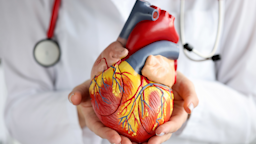
The term “heart disease” usually refers to coronary artery disease — when plaque builds up in the heart’s arteries. This process is also called atherosclerosis, and it can happen in any arteries throughout the body. When it blocks blood flow to the heart, it can cause a heart attack. When it blocks blood flow to the brain, it can cause a stroke. This is the type of heart disease we’ll discuss in this article.
What are the biggest risk factors for heart disease?
There are many risk factors for heart disease. Most of them can be modified or changed. In other words, you can do something about them. In the U.S. and other similar countries, about 70% of heart disease is linked to these risk factors. They include:
Smoking
Increased body fat (especially around the belly)
A diet high in sugar, salt, and saturated fat
Not enough sleep
Lack of exercise
Heavy alcohol intake
Some risk factors can’t be changed. These include genetics (having a close family member with heart disease) and increasing age.
Tips to prevent heart disease
There are steps you can take now to prevent heart disease later. There’s evidence you can actually reverse heart disease with lifestyle changes. The sooner you develop healthy habits, the more benefit they will have.
Here are some specific actions you can take in your diet and lifestyle to reduce your risk of heart disease.
Increase your physical activity
Experts recommend getting your heart pumping regularly. This means at least 150 minutes per week (20 to 30 minutes per day) of moderate-intensity exercise or 75 minutes per week of vigorous aerobic activity. Including resistance training twice a week is important too.

Read more like this
Explore these related articles, suggested for readers like you.


In addition to lowering your heart disease risk, exercise can improve your blood pressure, blood sugar control, and even mood.
Optimize your diet
Your diet plays a big role in heart health. If it feels overwhelming to change your diet, consider starting with small changes. Try adding some of these heart-healthy foods:
Nuts and seeds
Legumes, like beans and lentils
Whole grains, like brown rice, quinoa, and oats
Fruits and vegetables, especially leafy greens
Fatty fish, like salmon or trout
Soy products, like edamame, tempeh, and tofu
Dairy products, like milk and yogurt
Healthy fats, like olive oil, canola oil, and flaxseed oil
It’s also important to limit or avoid foods that are bad for heart health. These include:
Red meat and processed meats
Fried foods
Trans fats, like margarine or shortening (often found in packaged foods)
Sugary foods with high fructose corn syrup or other added sugars
Find a healthy weight
The optimal weight is different for everyone. But studies suggest that when people who have excess body weight lose even just 5% of body weight, it can improve cholesterol, blood pressure, and blood sugar.
Researchers are learning that the distribution of body fat on the body may be more important than weight. In particular, fat around the abdomen can negatively affect your health. So monitoring waist circumference may be more important than a number on a scale.
Avoid smoking, cannabis use, and high alcohol intake
Smoking is one of the biggest contributors to heart disease risk. Quitting smoking is hard, but it’s one of the best things you can do for your health and heart. Using cannabis in any form has also been linked to an increased risk of heart disease.
In terms of alcohol, research suggests that no amount of alcohol is safe. If you do drink, try to limit your intake. That’s because more than 1 to 2 drinks per day can increase your risk for heart problems.
Focus on sleep
Sleeping less than 7 hours at night can increase your risk of heart disease. That’s because it increases the likelihood of other conditions like high blood pressure and excess weight. There are many strategies to try in order to improve your sleep.
It’s also best to avoid light at night if possible. Research suggests that adults exposed to light at night may have a higher risk of heart disease.
Stay on top of your medical conditions
If you have risk factors like high blood pressure, diabetes, or high cholesterol, it’s important to make sure these are well-controlled. If lifestyle changes aren’t enough, there are many effective medications that can treat these conditions.
Even if you don’t have medical conditions, regular medical care is important. It’s a good idea to talk with a healthcare professional about your specific heart risk, based on your age, medical conditions, and other factors. They can guide you on ways to improve your health, especially if you’re struggling with any of the prevention tips above.
Is heart disease genetic?
Yes, your risk for heart disease is affected by your genes. If heart disease runs in your family, that increases your risk. But that doesn’t mean you will definitely develop it. And plenty of people get heart disease even though it doesn’t run in their families.
Sometimes, a change in one gene can cause a heart condition — like very high cholesterol, or an enlarged heart. More often, though, there are many genes that contribute to an increased heart disease risk.
If your parent(s) have heart disease, it increases your risk. But recent research also suggests that if they smoke and carry excess weight, that also increases your risk of cardiovascular disease.
The good news is that healthy lifestyle changes can help offset these risks. In other words, if you do have genetic risks, you can reduce your risk of heart disease by almost 50% by doing the following:
Not smoking
Having a healthy weight
Following a heart-healthy diet
Doing regular exercise
Managing your cholesterol, blood pressure, and blood sugar
What are the best tests to monitor your heart health?
There are many tests you can do to monitor your heart health. The best tests for you will depend on your age and risk factors.
Blood tests (lab tests) for heart health may include the following:
Cholesterol testing: Cholesterol tests measure the different types of fats (lipids) in your blood. There are several types of cholesterol, including good cholesterol — high-density lipoprotein (HDL) — and bad — low-density lipoprotein (LDL). High amounts of some types of cholesterol can cause heart problems.
Lipoprotein a, or Lp(a): This is a type of cholesterol that’s determined by your genes, not your diet. And it increases your risk of heart attack and stroke.
Apolipoprotein (ApoB): This is a protein that contributes to plaque buildup. So it can help determine your risk for heart disease.
High sensitivity C-reactive protein (hs-CRP) test: This test measures the amount of hs-CRP in your blood, which can indicate inflammation. Higher rates of inflammation can lead to a higher risk of atherosclerosis.
Your healthcare team will also monitor other tests that can impact heart health, such as:
Hemoglobin A1c (blood sugar)
Liver and kidney function
Vitamin D levels
In addition to blood tests, there are tests that look directly at your heart function. These tests can determine if you already have signs of heart disease. These include:
Electrocardiogram (EKG): An EKG looks at the electrical activity of your heart, and it shows if you have an abnormal heart rhythm or heart damage. It can also help determine if you’ve had a heart attack in the past.
Echocardiogram: An “echo” uses ultrasound (special sound waves) to look at the function of your heart muscles and valves.
Stress test: A stress test uses exercise or medication to make your heart pump harder. This can evaluate how well your heart and blood vessels work under pressure.
Coronary artery calcium scan: This test looks for buildup in your coronary (heart) arteries. It gives a coronary calcium score, which can help you understand your heart attack risk.
Cardiac MRI: An MRI can look at heart structure, function, and scarring.
Holter monitor: This is a wearable monitor that tracks your heart rhythm for an extended period of time — usually for at least 24 hours. It can pick up abnormal rhythms (arrhythmias).
Cardiac catheterization (or coronary angiogram): This is a more invasive test, where a specialist inserts a catheter into your artery. They inject dye to evaluate your heart blood vessels and heart function.
How to monitor your heart health at home
There are also some ways you can monitor your heart health at home. These may include:
Heart rate monitor: This can tell you your resting heart rate and your heart rate with exercise.
Blood pressure monitor: This can help you keep an eye on your blood pressure more regularly.
Heart health apps: There are many apps that can help you track your diet, weight, cholesterol, or medication.
Frequently asked questions
It’s unclear. Evidence so far has been mixed. At this time, there’s not enough evidence to suggest vitamin C reduces the risk of cardiovascular disease.
Physical activity is crucial for heart health. A recent study showed that exercising in midlife reduces heart problems in older age.
Here’s how exercise helps your heart:
Reduces blood pressure
Helps with weight loss
Reduces bad (LDL) cholesterol
Increases good (HDL) cholesterol
Increases your body’s absorption of blood sugar (insulin sensitivity)
The tips mentioned above for heart health can also help you maintain a healthy heart rate. Prioritizing exercise, eating habits, and sleep are just a few that can help. Avoiding alcohol and tobacco use are important as well.
It’s unclear. Evidence so far has been mixed. At this time, there’s not enough evidence to suggest vitamin C reduces the risk of cardiovascular disease.
Physical activity is crucial for heart health. A recent study showed that exercising in midlife reduces heart problems in older age.
Here’s how exercise helps your heart:
Reduces blood pressure
Helps with weight loss
Reduces bad (LDL) cholesterol
Increases good (HDL) cholesterol
Increases your body’s absorption of blood sugar (insulin sensitivity)
The tips mentioned above for heart health can also help you maintain a healthy heart rate. Prioritizing exercise, eating habits, and sleep are just a few that can help. Avoiding alcohol and tobacco use are important as well.
The bottom line
Heart disease is the leading cause of death in the U.S. There are many risk factors for heart disease, and you can make changes to improve most of them. Healthy lifestyle habits like getting regular exercise, good nutrition, and quality sleep can help reduce your risk. It’s also important to manage medical conditions like high blood pressure, diabetes, and cholesterol. So, even if you’re at increased risk for heart disease, there are steps you can take now to protect your heart health.

Why trust our experts?




References
Alberts, A., et al. (2025). Vitamin C: A comprehensive review of its role in health, disease prevention, and therapeutic potential. Molecules.
American Heart Association. (2021). Fish and omega-3 fatty acids.
American Heart Association. (2024). American Heart Association recommendations for physical activity in adults and kids.
American Heart Association. (2024). What the latest heart disease and stroke numbers mean for your health.
Arnett, D. K., et al. (2019). 2019 ACC/AHA guideline on the primary prevention of cardiovascular disease: A report of the American College of Cardiology/American Heart Association Task Force on Clinical Practice Guidelines. Circulation.
Blumenthal, R. S., et al. (2026). 2026 ACC/AHA/AACVPR/ABC/ACPM/ADA/AGS/APhA/ASPC/NLA/PCNA guideline on the management of dyslipidemia: A report of the American College of Cardiology/American Heart Association Joint Committee on Clinical Practice Guidelines. Circulation.
Hasbani, N. R., et al. (2022). American Heart Association’s life’s simple 7: Lifestyle recommendations, polygenic risk, and lifetime risk of coronary heart disease. Circulation.
Lee, J., et al. (2021). Conjoint associations of adherence to physical activity and dietary guidelines with cardiometabolic health: The Framingham heart study. Journal of the American Heart Association.
MedlinePlus. (2022). Homocysteine test.
MedlinePlus. (2024). Familial hypercholesterolemia.
MedlinePlus. (2025). Nonsyndromic dilated cardiomyopathy.
Mente, A., et al. (2023). Diet, cardiovascular disease, and mortality in 80 countries. European Heart Journal.
Ornish, D., et al. (1998). Intensive lifestyle changes for reversal of coronary heart disease. Journal of the American Medical Association.
Piano, M. R. (2017). Alcohol’s effects on the cardiovascular system. Alcohol Research: Current Reviews.
Salim, Y., et al. (2020). Modifiable risk factors, cardiovascular disease, and mortality in 155 722 individuals from 21 high-income, middle-income, and low-income countries (PURE): A prospective cohort study. The Lancet.
Windred, D. P., et al. (2025). Light exposure at night and cardiovascular disease incidence. JAMA Network Open.
Zhao, D., et al. (2024). Impact of aging on cardiovascular diseases: From chronological observation to biological insights: JACC family series. JACC: Asia.