Key takeaways:
Parabens are preservatives that manufacturers add to many products such as foods, cosmetics, and medications.
Research suggests that parabens are harmless to human health. But there’s some debate over whether they raise the risk of cancer and infertility.
Common parabens listed on product labels include methylparaben, ethylparaben, propylparaben, and butylparaben.
Manufacturers often add chemical preservatives like parabens to foods, skin care products, and cleaning products to keep them from spoiling. Research suggests that these preservatives are harmless to humans, and the FDA and CDC allow their use. However, some studies hint that parabens may raise the risk for breast cancer and infertility in men.
Below, we’ll take a closer look at what to know about these chemicals.
What are parabens?
Parabens are man-made chemical preservatives that are added to a variety of products such as foods and cosmetics. They prevent or reduce the growth of mold and harmful bacteria. They’re designed to protect both the product and the consumer.
Search and compare options
Common parabens include:
Methylparaben (also known as parahydroxybenzoate)
Ethylparaben
Propylparaben
Butylparaben
Isopropylparaben
Isobutylparaben
Are parabens harmful to humans?
Many clinical studies have been done on parabens and their effects on human health. Most of the research has focused on:
Toxicity levels
Disruptions to the endocrine system
Cancer-causing properties
DNA damage
So far research does not support a direct link between parabens and human disease. Even in studies where parabens were found in human tissue and fluids, there was no evidence that they can make you sick.
As such, the CDC and FDA have stated that the use of parabens in cosmetics is safe for human health. And the FDA allows manufacturers to use parabens to prevent food from spoiling.
But some studies have left scientists with questions and doubts about the safety of parabens.

Read more like this
Explore these related articles, suggested for readers like you.
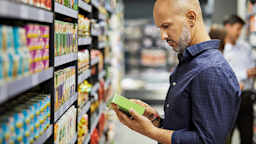
For example, several studies suggest that parabens may weakly mimic the hormone estrogen. In theory, this could pose a risk to breast tissue and increase the growth of breast cells.
Studies also suggest that breast cancer cells exposed to parabens for over 20 weeks may be more likely to spread. But this was only seen in laboratory research and hasn’t been proven in humans.
Other studies suggest that parabens may decrease fertility in men. However, additional research is needed to see if there is a true link between male infertility and parabens.
Which popular products contain parabens?
Parabens can be found in many products you use or consume every day. Here’s a list of items that may contain parabens.
Foods
Foods that often contain parabens include:
Beer and soft drinks
Sauces and syrups
Jams and jellies
Desserts and frozen dairy products
Pickles and processed vegetables
Trail mix
Packaged tortillas
Skin care, hair, and cosmetic products
Many skin care, hair care, and cosmetic products contain parabens, like:
Liquid and powder foundation
BB and CC creams
Tinted moisturizer
Sunscreen
Cream and powder blush
Moisturizing face cream
Lotion
Lipstick and mascara
Face scrubs
Baby wipes
Diaper rash ointment
Shaving cream
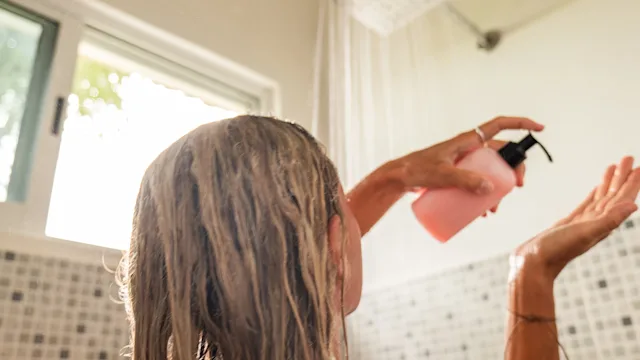
Shampoo
Conditioner
Other products with parabens
The following products may also contain parabens:
Over-the-counter and prescription medications
Stain removers
Pet shampoo
How can I avoid parabens?
If you’re concerned about parabens, here are steps you can take to minimize your exposure:
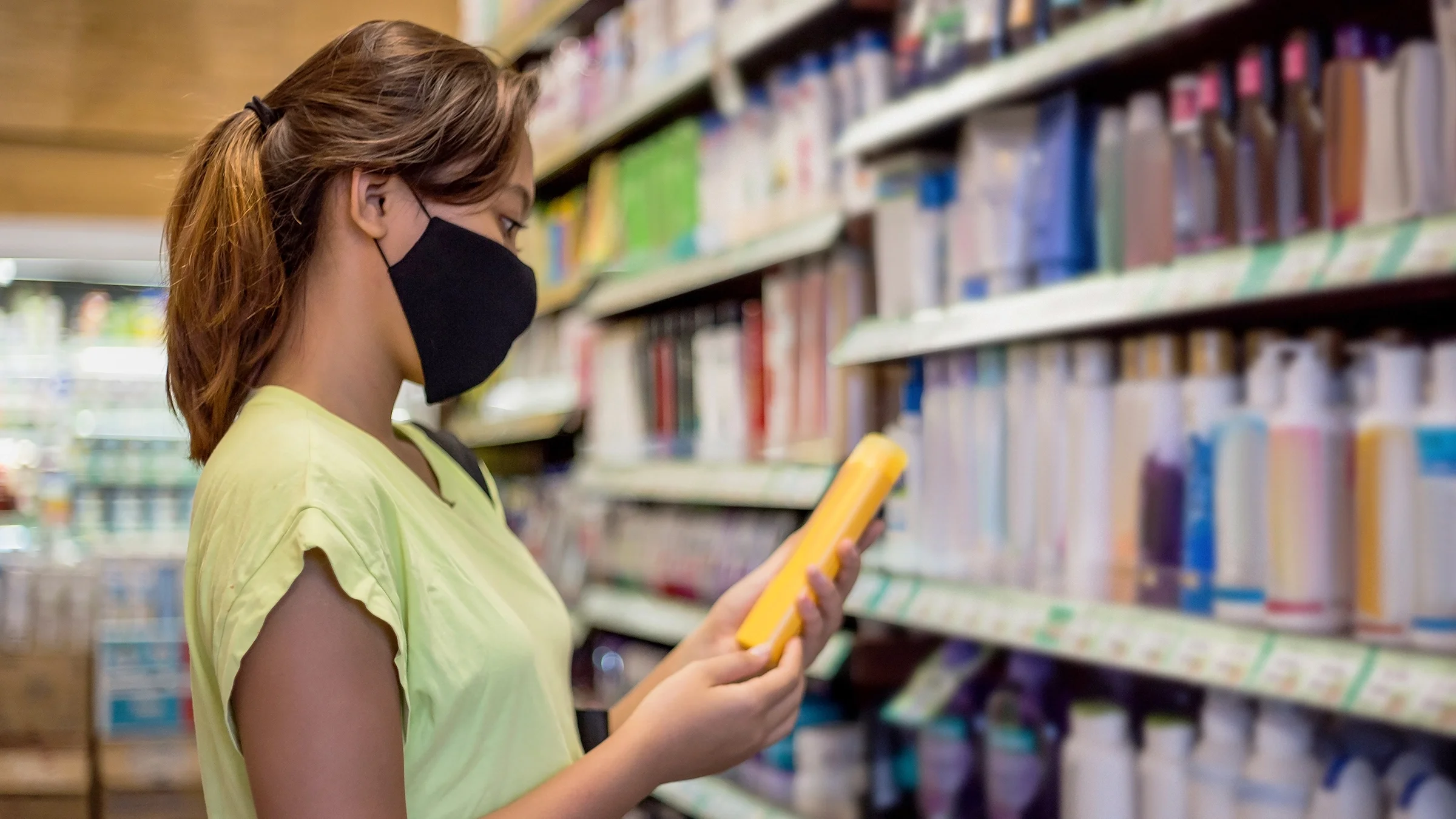
Check labels and choose products without paraben ingredients like methylparaben and ethylparaben.
Look for products labeled “paraben-free.”
Choose products that use natural preservatives like vitamin C (ingredients such as “ascorbate” or “ascorbic acid.”)
Use an app (like Think Dirty) to scan a product’s barcode for a list of potentially harmful ingredients.
Use natural oils such as coconut oil to moisturize skin and condition hair.
Wash children with regular soap and water and use washcloths instead of baby wipes.
Shop for handmade products or make your own cleaning products.
What to do if you’re worried about exposure to parabens
Talk to your healthcare provider about any concerns you may have about parabens. Your provider may be up to date with the latest information and research. And they may be able to recommend products for you that are paraben-free.
The bottom line
Parabens are preservatives that extend the shelf life of products. The CDC and FDA have deemed them safe. But some studies suggest that parabens could be harmful to human health.
To avoid products with parabens, check the ingredients on labels, look for paraben-free items, and shop for handmade soaps, skin care products, and shampoos and conditioners.

Why trust our experts?




References
Biomonitoring California. (2018). Parabens fact sheet.
Centers for Disease Control and Prevention. (2017). Parabens factsheet.
ChemicalSafetyFacts.org. (2022). Parabens.
Darbre, P. D., et al. (2014). Parabens can enable hallmarks and characteristics of cancer in human breast epithelial cells: A review of the literature with reference to new exposure data and regulatory status. Journal of Applied Toxicology.
Jurewicz, J., et al. (2017). Human semen quality, sperm DNA damage, and the level of reproductive hormones in relation to urinary concentrations of parabens. Journal of Occupational and Environmental Medicine.
National Center for Biotechnology Information. (2023). PubChem compound summary for CID 7456, methylparaben.
Petric, Z., et al. (2020). The controversies of parabens — an overview nowadays. Acta Pharmaceutica.
Tavares, R. S., et al. (2009). Parabens in male infertility—is there a mitochondrial connection?Reproductive Toxicology.
U.S. Food and Drug Administration. (2022). Parabens in cosmetics.