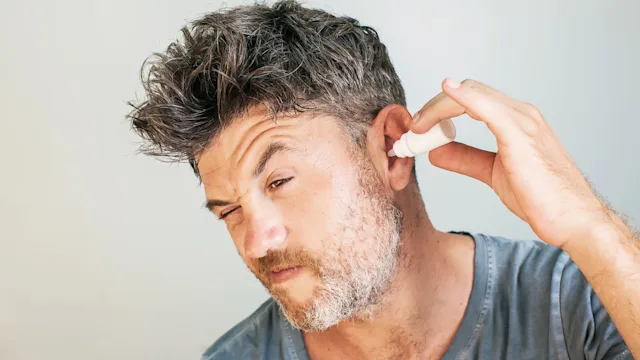
Key takeaways:
Earwax — or cerumen — protects the ear from bacteria, viruses, and foreign objects.
Too much earwax can lead to cerumen impaction, which can cause ear pain and hearing changes. Cerumen impaction often needs treatment with ear drops and removal by a healthcare professional.
People are more likely to develop excessive earwax if they regularly wear hearing aids and earbuds, or if they get exposed to dust and pollen.
If you’ve ever had an ear blocked with earwax, also called a cerumen impaction, you might be wondering what you can do to keep yourself from getting another one. Or maybe you’ve just noticed more earwax around your ears than normal.
In either case, figuring out what’s going on with your earwax can help. Let’s look at what might be causing your earwax buildup.
Why do people make earwax?
Earwax, also known as cerumen, is a waxy substance made by the glands inside your ear canal — also called your outer ear. Earwax is a natural and important substance that keeps your outer ear:
Clean
Lubricated
Moisturized

Earwax travels a little bit each day from the inner part of your ear canal to the outside of your ear. When you talk or chew, your jaw muscles help propel earwax out of your ear. This is why you can sometimes see earwax on the outer rim of your ear. As earwax travels out of your ear, it gets washed away in the shower or bath.
What is earwax impaction?
Earwax buildup can be normal, and it isn't always a cause for concern. But sometimes buildup can lead to an earwax impaction. Earwax impaction is when earwax buildup leads to bothersome symptoms.
Earwax impaction can develop for several reasons.
Making too much wax
Some people naturally make more earwax. For them, buildup can happen even when the ears are otherwise healthy. But excessive earwax production can also be a protective response. For example, frequent swimming or a previous injury to the outer ear can signal to the ear to make more wax to protect the skin of the ear canal. When your glands make more wax than your body can clear, wax can accumulate.
Outer ear skin changes
Conditions like swimmer’s ear (otitis externa), eczema, and autoimmune conditions can cause skin that lines the outer ear to shed more rapidly. Extra skin cells make earwax thicker. Thicker earwax moves out of the ear canal more slowly, and more wax can build up behind it, leading to a cerumen impaction.
Narrowed or blocked ear canals
Anything that narrows or blocks the ear canal can stop or slow down earwax clearance. Some people have small bony growths or naturally narrow ear canals. Others develop narrowing from frequent ear infections or ear surgeries. When the pathway out of the ear is blocked, earwax has a harder time moving forward and is more likely to build up.
Dry wax
Drier earwax doesn’t move as easily and is more likely to stick to the ear canal walls. As people get older, earwax glands tend to produce wax with less moisture. Hair in the ear canal can trap wax, allowing it to dry out further. Placing objects in the ears — such as hearing aids or cotton swabs — can also trap wax, push it deeper, and encourage drying. All of these things increase the risk of buildup.
What are the symptoms of cerumen impaction?
Cerumen impaction can cause symptoms like:
Earache
Muffled hearing
Ear ringing
Itchiness
Dizziness (vertigo)
Ear fullness

Read more like this
Explore these related articles, suggested for readers like you.



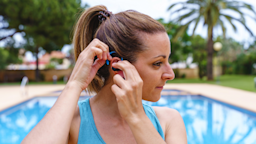
Some people don’t experience any symptoms from earwax buildup. People who aren’t bothered by earwax buildup don’t need to take any additional steps. But it’s important to seek care if you have symptoms from a cerumen impaction. Your healthcare team can offer treatment to ease your symptoms. They can also make sure your symptoms aren’t from another cause, since many other conditions can cause these symptoms too.
What causes excessive earwax?
Having some earwax in your ear is a good thing. Most people don’t need to remove earwax or clean it out. But if you have a history of cerumen impaction, you want to take steps to avoid excessive earwax. You can’t change some things that lead to cerumen impactions, like the size or shape of your ear canals. But some things you can try and prevent.
Let’s go through five common causes of earwax buildup and what you can do in these cases.
1. Hearing aids, earbuds, or ear plugs
Anything that sits just inside your ear canal — like hearing aids, earbuds, and earplugs — will cause earwax to build up. That’s because they make it harder for earwax to leave the canal.
Occasional earbud or earplug use probably won’t affect your earwax production. But routine use may affect your earwax — especially for several hours during work, commutes, and studying.
Try switching to over-the-ear headphones instead. If you need to wear earplugs for work, try switching to other forms of ear protection, like earmuffs approved by the Occupational Safety and Health Administration (OSHA).
If you wear hearing aids, talk with your audiologist about your earwax. They may recommend switching your hearing aid style. You can also talk with a healthcare professional about earwax softeners, which can help prevent impaction.
2. Pollen counts and dust levels
During allergy season, when pollen counts are high, you might notice you have more earwax.
Earwax traps small particles like pollen before they can get to your eardrums and cause irritation. If your ears suddenly get attacked by high levels of these small particles, the glands that make earwax kick into overdrive. They start producing more wax to trap all that extra dust and pollen.
Allergy medication will keep your allergy symptoms under control, but they won’t stop your glands from making earwax. But there are still things you can do to lower your earwax production:
Try to limit your time outside during high pollen counts.
Wash your hands, face, and the outside of your ears when you come inside to get extra pollen off.
If you’re driving during pollen season, keep your windows shut.
Exposure to dust or other small particles can also trigger excessive earwax production. If you’re exposed to dust or fine particles at work, wearing ear protection can keep you from making too much earwax.
3. Cotton swabs/balls and earwax candles
Things like cotton swabs (Q-tips), cotton balls, and candles end up pushing earwax deeper into your ear. Then your earwax gets stuck and dried out so it can’t come out easily. Over time, more and more wax builds up, which increases your risk of developing an impaction.
Experts recommend not using these things to clean your ears. Instead, try earwax cleaning methods that are both safe and effective. Here are some options:
Use a clean towel after showering to dry and clean the outside of your ear. There’s no need to put anything inside your ear canal to clean your ear.
Use 2 to 3 drops of earwax softeners once a week. These help your earwax stay soft so it comes out easier.
4. Cold weather
Humidity drops during cold winter months. This loss of humidity dries out the skin all over your body — including the skin inside your ear canal. Dry skin cells inside your ear canal flake off and build up in your ear canal. This prompts your glands to make more wax to try and get rid of those extra skin cells so they don’t accumulate inside your ear.
Regular moisturizing during cold months can protect the rest of your skin from drying out. While you can’t put moisturizer inside your ear canal, there are things you can do to get more moisture to the skin there.
For example: Keep a humidifier running in your bedroom overnight during cold winter months. You can also leave bowls of water out in your home. This cost-effective method doesn’t work quite as well as a humidifier. But it’ll still add moisture to the air to protect your skin.
5. Skin conditions
Certain skin conditions can prompt your glands to make more earwax. Eczema and psoriasis can affect the skin inside your ear canal. Both conditions make the skin more sensitive and more likely to flake off. The buildup of dead skin cells triggers your glands to make more earwax to help push out the buildup.
You’ll notice more earwax when you’re having a flare-up. But when your eczema or psoriasis is under control, your earwax production should go back to normal. Sticking with your treatment plan and avoiding triggers can help keep your skin healthy and your earwax to a minimum.
How do you get rid of impacted earwax?
Talk with your healthcare team if you think you have an earwax impaction. They can make sure your symptoms are from an impaction and not something else. They can also safely remove your extra earwax using a combination of:
Ear drops to soften wax
Flushing your ear canal with ear-safe solutions to push out earwax
Wax removal using medical instruments
Don’t try to get stuck earwax out on your own. Proper earwax removal takes practice. An incorrect routine can be painful and lead to injury and infection.
When should you see a healthcare professional for earwax?
You should see a healthcare professional if you have:
Ear pain
Muffled hearing or changes in your hearing
More earwax than normal
Your healthcare team can make sure your ears are healthy and start treatment for any conditions that can increase wax production.
Your healthcare team can also help you manage your earwax at home if you get frequent buildups and impactions. They can show you how to do ear irrigation at home. With practice and medical coaching, this is a safe way to keep your earwax under control. Your team may also suggest ear drops that can help keep earwax soft and moist so it’s easier to remove.
Many products on the market claim to help with earwax removal. Not all of these products have been tested for safety. Your healthcare team can help you choose the best tools to help you manage your earwax.
Frequently asked questions
Some people naturally make more earwax than others. It doesn’t mean their ears are healthy or unhealthy. But sometimes an uptick in earwax production can be a sign of a medical condition. It’s best to check with your healthcare team if you notice that you’re making more earwax than normal. They can make sure the change isn’t from a medical condition or something affecting your ears.
Cerumen impaction can cause hearing changes including tinnitus, or ringing in your ears. But other medical conditions can also cause tinnitus. Contact your healthcare team if you experience tinnitus or hearing changes. They can make sure your symptoms are from cerumen impaction and offer the right treatment.
There’s no vitamin and mineral deficiencies that directly affect your earwax. Medical conditions and things that affect the ear canal or skin lining the ear canal can affect earwax production.
Some people naturally make more earwax than others. It doesn’t mean their ears are healthy or unhealthy. But sometimes an uptick in earwax production can be a sign of a medical condition. It’s best to check with your healthcare team if you notice that you’re making more earwax than normal. They can make sure the change isn’t from a medical condition or something affecting your ears.
Cerumen impaction can cause hearing changes including tinnitus, or ringing in your ears. But other medical conditions can also cause tinnitus. Contact your healthcare team if you experience tinnitus or hearing changes. They can make sure your symptoms are from cerumen impaction and offer the right treatment.
There’s no vitamin and mineral deficiencies that directly affect your earwax. Medical conditions and things that affect the ear canal or skin lining the ear canal can affect earwax production.
The bottom line
The body naturally produces earwax to help protect and lubricate the ear canal. You may be more prone to earwax buildup if you frequently wear hearing aids, earbuds, or earplugs. Dust, pollen, cold weather, and skin conditions can also trigger an increased production of earwax.
Talk with a healthcare professional if your earwax is leading to ear pain or hearing changes. You may have an earwax impaction, which should only be removed by a healthcare professional.

Why trust our experts?



References
Arizona Otolaryngology Consultants. (2015). How to properly clean your ears.
Chan, H., et al. (2020). Tinnitus - ringing in the ears. Singapore Medical Journal.
Horton, G. A., et al. (2020). Cerumen management: An updated clinical review and evidence-based approach for primary care physicians. Journal of Primary Care and Community Health.
Michaudet, C., et al. (2018). Cerumen impaction: Diagnosis and management. American Family Physician.
National Eczema Society. (n.d.). Ear eczema.
National Psoriasis Foundation. (2022). Psoriasis on the face.
NHS Inform. (2023). Earwax build-up. National Health Services.
Sevy, J. O., et al. (2024). Cerumen impaction removal. StatPearls.
Schwartz, S. R., et al. (2017). Clinical practice guideline (update): Earwax (cerumen impaction) executive summary. Otolaryngology Head Neck Surgery.
Shokry, E., et al. (2017). Insights into cerumen and application in diagnostics: Past, present and future prospective. Biochemia Medica.
Stoeckelhuber, M., et al. (2006). Human ceruminous gland: Ultrastructure and histochemical analysis of antimicrobial and cytoskeletal components. The Anatomical Record.
Tan, D., et al. (2023). "Do-it-yourself" ear canal care. Otolaryngology Clinics of North America.