Key takeaways:
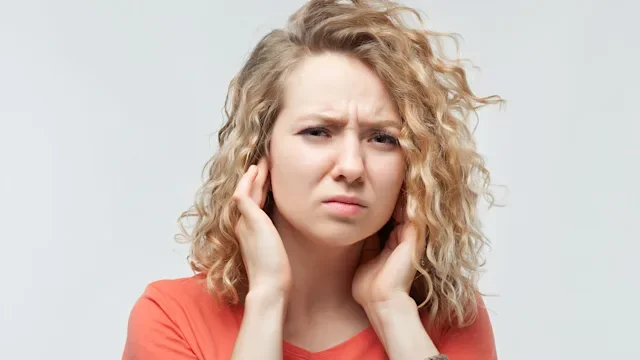
Tinnitus is a ringing, buzzing, or whooshing sound that only you can hear.
Common causes of ear ringing include infections, medications, loud noises, and hearing loss.
Treatment options for tinnitus include earwax removal, hearing aids, sound therapy, and cognitive behavioral therapy. Your healthcare team can help you decide which option is best for you.
If you’ve ever heard a buzzing or ringing sound in your ear, you may have wondered why. The medical term for this is “tinnitus.” And it’s more common than you might think. About 1 in 10 people in the U.S. had tinnitus in the past year.
For some people, the ringing might just be a momentary nuisance. For others, it may keep coming back or get worse.
So, why does tinnitus happen, and how can you get rid of it? Here are some common causes of ringing in the ears and treatments that may help.
What causes ringing in the ears?
Tinnitus can be caused by an underlying condition, but it can also happen without any clear reason or trigger. It often involves damage to the tiny hair cells in your inner ear. These hair cells help send sound waves to your brain so that you can hear. When those hair cells are damaged, they can send the wrong signals to your brain. As a result, you might hear sounds that aren’t really there, like ringing, buzzing, whooshing, or clicking.
If you’re experiencing tinnitus, finding the cause is the first step toward stopping it. Here are 10 causes of ringing in your ears:
Ear infections: Ear infections are a common cause of tinnitus. There are several types of ear infections. But inner ear infections and middle ear infections (otitis media) are the most likely to cause ear ringing. Viruses and bacteria may cause tinnitus by directly damaging the hair cells. Ear infections can also cause ringing by creating a buildup of pressure in the middle ear.
Upper respiratory infections: Upper respiratory infections, like the common cold, pharyngitis, and sinusitis, can cause ringing in your ears. If the infection is bad enough, it can increase the pressure inside your ears, leading to hair cell damage.
COVID-19: Studies suggest that some people develop tinnitus with long COVID. It’s not clear exactly how COVID-19 causes ringing in the ears. It’s possible that COVID causes tinnitus in the same way as other upper respiratory infections. It’s also possible that COVID might use a different pathway involving effects on the brain that lead to ear ringing. There’s no link between COVID vaccines and tinnitus.
Loud noises: Repeated exposure to loud noises can damage hair cells. This can lead to permanent hearing loss and tinnitus. Ringing in your ears can be a warning sign that the noise around you is too loud. Think of it as your hair cells letting you know they’re in pain.
Earwax: Most people with a buildup of earwax won’t even feel it. But sometimes, too much earwax can cause ear pain, hearing loss, itching, and even tinnitus. Impacted earwax can be caused by using cotton swabs to clean your ears, which can end up pushing the wax further into the ear. Some people are also genetically more likely to get earwax.
Head and neck injuries: Head injuries can change how your brain processes sound. Head and neck injuries can also damage auditory nerves, which connect your hair cells to your brain. A damaged auditory nerve can lead to ear ringing and other hearing changes.
Medications: Ear ringing is a common side effect of several medications. Some medications can damage the auditory nerve, which is why they can cause tinnitus. High blood pressure medications and certain antibiotics cause tinnitus, especially when taken in high doses. If you develop ear ringing, make sure to review your medication list with your healthcare team. They can help you see if one of them could be the cause.
Temporomandibular joint disorders: The temporomandibular joint (TMJ) connects your jaw to your skull. People with TMJ disorders often experience tinnitus, especially in one ear. This may be because inflammation at the TMJ also affects the eardrum or auditory nerves.
Meniere’s disease: Meniere’s disease is a disorder of the inner ear. People with Meniere’s disease have a buildup of fluid in their inner ear. This fluid buildup leads to sudden attacks of dizziness. It also causes ear ringing and hearing loss.
Age-related hearing loss: As you get older, changes to your inner ear can cause hearing loss and increase your chances of developing tinnitus. Sometimes, tinnitus is the first sign of age-related hearing loss. The two often happen together. Other age-related elements, including changes in your nervous system, may also make ringing in the ears more likely.
How do you stop the ringing in your ears?
Tinnitus can disrupt your daily life and make it harder to hear, sleep, and concentrate. Sometimes, it can even lead to feelings of depression and anxiety.
If you have ringing in your ears, there are some things you can try at home:
Wait it out. If you currently have an upper respiratory infection, wait a few weeks after recovery to see if tinnitus improves on its own.
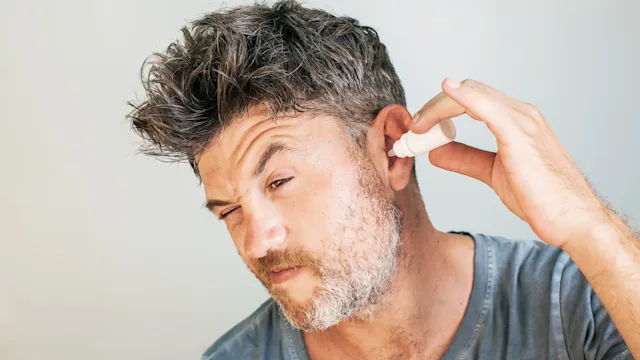
Try over-the-counter (OTC) ear drops for earwax. If you tend to have earwax buildup, try OTC peroxide-based ear drops to safely break down the wax. Don’t use cotton swabs (Q-tips) to remove the wax. You might damage your eardrum and worsen the ringing.
Limit things that can worsen tinnitus. Alcohol, nicotine, and caffeine can trigger bouts of ear ringing. Also, avoid exposure to loud noise as much as possible.
Try stress management techniques. Stress can worsen tinnitus, so it can help to try proven techniques like deep breathing, moving your body, and spending time outside.
See your dentist. If you suspect a jaw, tooth, or TMJ issue might be contributing to your tinnitus, a dental professional can evaluate you.
Treatments for persistent tinnitus include:
Hearing aids: Many people with tinnitus also have some hearing loss. Using a hearing aid can improve your tinnitus and ability to hear.
Sound therapy: Sound therapy uses pleasant or calming sounds to lower the ringing in your ears. Since your brain can only really concentrate on one sound at a time, calming sounds make you feel like the ringing has gone away.
Cognitive-behavioral therapy: Cognitive behavioral therapy (CBT) can help with bothersome tinnitus. It doesn’t get rid of the ringing, but it can help you feel better and function better.
When should you get medical attention for ear ringing?
Reach out to your primary care provider if:
Your ear ringing hasn’t gone away after several weeks
You’re experiencing dizziness or trouble keeping your balance
Ear ringing affects your mood, sleep, or ability to do daily activities
You notice any hearing loss
You have ringing in only one ear
Your tinnitus started after a head injury

Read more like this
Explore these related articles, suggested for readers like you.
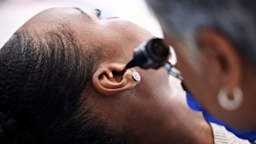


Depending on your medical history and physical exam, your healthcare team may order further testing, like blood work or imaging tests. They may also refer you to an ENT (ear, nose, and throat) specialist or audiologist for a closer look and hearing test.
Frequently asked questions
It depends on the cause. Tinnitus caused by a blocked ear tube or an infection is more likely to go away. Tinnitus caused by hearing loss or medication is more likely to persist.
High blood pressure and tinnitus are linked, but it’s not clear if one causes the other. Many people with tinnitus also have high blood pressure. People with high blood pressure may also be more likely to have hearing loss.
Stress and tinnitus are linked, but this relationship is also not clear. Scientists believe that stress plays a role in how tinnitus develops, but more research is needed. It’s known that stress can make existing tinnitus worse.
There are many reasons you may notice ringing only in your left or right ear. For example, an ear infection or waxy buildup in just one ear can cause tinnitus on that side.
Another possible cause is an acoustic neuroma, also called a vestibular schwannoma. This is a rare, noncancerous, slow-growing tumor that develops on the auditory nerve. An acoustic neuroma can cause one-sided hearing loss, ringing in one ear, and balance issues.
The bottom line
Tinnitus, or ringing in your ears, can interrupt your day-to-day activities and make it hard for you to sleep. Common causes of ear ringing include hearing loss, infections, medications, and loud noises. Tinnitus can go away on its own. But if your ear ringing persists, gets worse, or happens only in one ear, see a medical professional. They can help you pinpoint the cause and recommend treatments that may help.

Why trust our experts?




References
Adams, M. E., et al. (2026). Clinical practice guideline: Tinnitus update. Otolaryngology – Head and Neck Surgeon.
Bhatt, J. M., et al. (2018). Tinnitus epidemiology: Prevalence, severity, exposures and treatment patterns in the United States. JAMA Otolaryngology – Head & Neck Surgery.
Daher, G. S., et al. (2022). New onset tinnitus in the absence of hearing changes following COVID-19 infection. American Journal of Otolaryngology.
Dalrymple, S. N., et al. (2021). Tinnitus: Diagnosis and management. American Family Physician.
Degen, C. V., et al. (2022). Self-reported tinnitus and vertigo or dizziness in a cohort of adult long COVID patients. Frontiers in Neurology.
Lin, D., et al. (2023). Tinnitus cases after COVID-19 vaccine administration, one institution’s observations. American Journal of Otolaryngology.
Figueiredo, R. R., et al. (2022). Tinnitus emerging in the context of a COVID-19 infection seems not to differ in its characteristics from tinnitus unrelated to COVID-19. Frontiers in Neurology.
Hackenberg, B., et al. (2023). Tinnitus and its relation to depression, anxiety, and stress — A population-based cohort study. Journal of Clinical Medicine.
Kurabi, A., et al. (2017). Cellular mechanisms of noise-induced hearing loss. Hearing Research.
Maihoub, S., et al. (2025). Tinnitus and its comorbidities: A comprehensive analysis of their relationships. Journal of Clinical Medicine.
National Institute on Deafness and Other Communication Disorders. (2023). Tinnitus.
National Organization for Rare Disorders. (2016). Acoustic neuroma.
Patil, J. D., et al. (2023). The association between stress, emotional states, and tinnitus: A mini-review. Frontiers in Aging Neuroscience.
Phillips, J. (2024). Tinnitus and TMJ. Tinnitus UK.
Pomponio, M. K., et al. (2024). Auditory dysfunction after head trauma: Causes, evaluation, and treatment. Current Physical Medicine and Rehabilitation Reports.
Reisinger, L., et al. (2023). Ageing as risk factor for tinnitus and its complex interplay with hearing loss—Evidence from online and NHANES data. BMC Medicine.