Key takeaways:
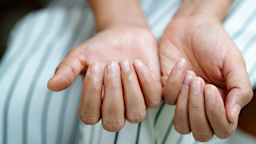
Brittle nails refer to nails that are more fragile and can break easily.
Causes of brittle nails can include frequent exposure to water or harsh chemicals, low iron levels, fungal infections, and certain medications. Health conditions such as psoriasis, eczema, and hypothyroidism can also cause brittle nails.
You can strengthen brittle nails by giving them extra moisture and protecting them from water, chemicals, and other common everyday stressors.
Do your nails seem thin or fragile? Are they prone to splitting or cracking? These nail changes are signs of weak, brittle nails. There are several causes of brittle nails, ranging from everyday environmental exposures to medical conditions and nutrient deficiencies. The good news is that once you identify what’s causing your brittle nails, you can take steps to strengthen them.
What causes brittle nails?
To better understand the causes of brittle nails, it helps to know the basics of nail structure.
Nails are made up of layers of keratin, a protein that’s also found in your hair and skin. Keratin gives nails their structure and strength. Nails also contain small amounts of water and oils, which help keep them flexible. The tissue underneath the nail contains blood vessels that supply the oxygen and nutrients nails need to grow.
Search and compare options
Anything that damages the nail or interferes with healthy nail growth can make nails weaker and more prone to splitting, peeling, or breaking.
With that context, below are some of the most common causes of brittle nails.
Aging
As you get older, your nails tend to become more brittle. One reason is that nails grow more slowly with age. Because nails take longer to grow out, they spend more time exposed to dry air, water, and chemicals — or other things that can weaken them.
Menopause can also change the amount of oil inside the nail. Lower oil levels can make nails drier and more brittle.
Handwashing
Frequent, thorough handwashing is important for preventing the spread of germs. However, repeatedly wetting and drying your hands can dry out your nails and make them more brittle.
In some jobs, frequent handwashing just comes with the territory. And hand sanitizer isn’t any easier on your nails. Alcohol-based hand sanitizers can dry out the nails and surrounding skin, leading to dry, weak nails.
Give your nails some extra protection if you work as a cleaner, hairdresser, or healthcare professional — or another job that requires frequent handwashing.
Moisturize your hands and nails after washing. Wear gloves when cleaning or working with water. And avoid soaking your hands for long periods. If your nails are prone to splitting or breaking, keeping them trimmed short can also help.
Chemicals
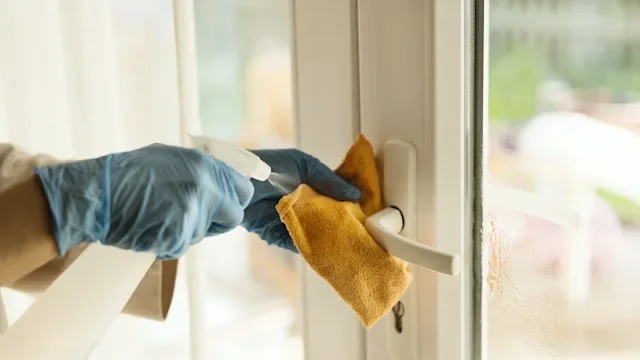
Harsh chemicals can dry out and weaken your nails, making them more likely to peel, split, and break. Household products like bleach, cleaning powders, and detergents contain powerful ingredients that can be especially irritating with repeated exposure.

Read more like this
Explore these related articles, suggested for readers like you.


Nail products can also contribute to brittle nails. Regular nail polish hasn’t been clearly linked to nail brittleness. But some nail care products and removal methods can damage the nail plate. Frequent use of gel manicures, acrylic nails, and polish removers can leave nails thinner and weaker.
To protect your nails, try to avoid prolonged contact with harsh chemicals. Use gloves when cleaning or handling chemicals. If you get gel or acrylic manicures, consider taking breaks between treatments, and avoid peeling or scraping the product off yourself. Try to limit your use of nail polish remover, and choose acetone-free remover when possible.
Low iron levels
Brittle nails aren’t usually caused by a vitamin deficiency, but they can sometimes be a sign of iron deficiency. Iron is an essential mineral your body needs to make red blood cells. When iron levels are too low, it can lead to iron-deficiency anemia. Sometimes, this can lead to nail changes such as thinning, brittleness, or spoon-shaped nails.
If you have brittle nails along with symptoms like fatigue, weakness, or shortness of breath, check in with a healthcare professional to see if testing your iron level makes sense. Avoid starting to take an iron supplement unless advised to do so by your healthcare team, since too much iron can be harmful.
Fungal infections
Fungal infections are a major source of nail changes. Nail fungus can damage the nail plate and the keratin that makes up your nails. In the early stages, you may only notice mild discoloration or thickening. Over time, the nail can become brittle and start to break, crack, or even crumble.
But these infections can be treated, and early treatment may help limit further nail damage.
Medical conditions
Some medical conditions affect the nails. Psoriasis and eczema can make nails softer, brittle, or otherwise change their appearance. Hypothyroidism can also cause dry, brittle nails. In fact, nail changes affect about 9 in 10 people with hypothyroidism.
It’s a good idea to check in with a medical professional if your nail changes are:
New
Persistent
Happening along with other symptoms, such as dry skin, hair changes, or fatigue
They can determine whether your nail changes are being caused by an underlying condition.
How do you fix brittle nails?
There’s no quick fix for brittle nails. But there are several things you can do to protect and strengthen your nails over time.
Moisturize your nails
Moisturizing protects your nails from drying out and helps them retain moisture after exposure to water or chemicals.
Apply a hand cream to your nails and cuticles. Pick a product that’s fragrance free and contains humectant (water-pulling) ingredients like urea or lactic acid. You can also apply petroleum jelly, like Vaseline or Aquaphor, to your cuticles, fingertips, and nails at night to help lock in moisture.
For an intensive moisture boost, add a weekly paraffin wax dip to your nail care routine. You can buy DIY treatments at the drugstore, but many salons offer the service too.
Develop a gentle nail care routine
A basic nail routine might look like this:
Trim your nails short to help prevent fungi and bacteria from collecting under your nails. But take care not to trim them too short, since this can increase your risk for ingrown nails.
File your nails in one direction, since buffing in a back-and-forth motion can cause nail splitting. Use a very fine file and round the tips in a gentle curve.
Clean your nails with a soft nail brush. Avoid using sharp instruments to clean under your nails since this can lead to infection or injury.
Protect your nails with a brush-on nail strengthener that contains nylon fibers. This adds artificial hardness to your nails without causing damage.
Opt for natural nails
Give your nails a break from nail polish removers and adhesives. If you can’t give up manicures entirely, try to limit how often you get them. Also, opt for shorter nails, which are less likely to snag or break. Ask your nail technician to skip cutting your cuticles too. This helps avoid infection and damage.
Try biotin
Biotin (vitamin B7) has many roles in the body, including turning the food you eat into energy. And many people take biotin supplements for nail growth. There’s some evidence that biotin supplements may strengthen brittle nails, but the studies are small and limited. And there isn’t good evidence that biotin improves nails in otherwise healthy people who get enough biotin.
Biotin is also found in plenty of foods, such as:
Eggs
Sweet potatoes
Salmon
Beef
Certain nuts and seeds
It’s not clear whether the amount of biotin found naturally in these foods can make a difference. Either way, these nutrient-rich foods can be part of a balanced diet.
When should you get medical care for brittle nails?
It’s a good idea to see a healthcare professional if your brittle nails are new, getting worse, or if you have:
Changes in several nails
Nail thickening, discoloration, or separation from the nail bed
Other symptoms, such as fatigue, hair loss, dry skin, or unexplained weight changes
A history of a health condition that can affect the nails, such as thyroid disease, iron-deficiency anemia, eczema, or psoriasis
Pain, swelling, redness, or draining around the nail
New or changing dark streaks under the nail
If you suspect a fungal infection, getting the diagnosis confirmed is important since other nail conditions can look similar.
The bottom line
Brittle nails are common and can happen for many reasons, including aging, frequent handwashing, and chemical exposure, as well as certain health conditions. Keeping your nails moisturized and protected from water and chemicals can help them grow stronger over time. Having a gentle nail care routine and limiting manicures may also help. If your nails are getting worse, changing in appearance, or if you have other symptoms, check in with a healthcare professional. They can determine the cause, and help you figure out the best treatment.

Why trust our experts?




References
Abdullah, L. (2011). Common nail changes and disorders in older people. Canadian Family Physician.
American Academy of Dermatology Association. (n.d.). 12 nail changes a dermatologist should examine.
Centers for Disease Control and Prevention. (2024). About handwashing.
Chessa, M. A., et al. (2020). Pathogenesis, clinical signs and treatment recommendations in brittle nails: A review. Dermatology and Therapy.
Dahdah, M. J., et al. (2006). Nail diseases related to nail cosmetics. Dermatologic Clinics.
Geizhals, S., et al. (2021). Brittle nails. Advances in Nail Disease and Management.
Lipner, S. R., et al. (2018). Biotin for the treatment of nail disease: What is the evidence? The Journal of Dermatological Treatment.
National Health Service. (2024). Nail problems.