Key takeaways:
The skin on your scalp can burn when exposed to ultraviolet (UV) light, just like skin on other parts of your body.
Hair can’t always protect your scalp from getting sunburn.
Wide-brimmed hats, shade umbrellas, and sunscreen sprays with sun protection factor (SPF) can help protect your scalp from sunburn.
On warmer days, more time outside means reaching for the sunscreen. But as you slather on that ultraviolet (UV) protection, don’t forget about an important part of your body: your scalp.
The top layer of your scalp is skin tissue. And even though that skin is slightly thicker, it can get sunburned, just like the skin on the rest of your body.
Hair offers some protection against sunburn on the scalp. But that protection isn’t always very effective. That’s especially true if you have areas of hair thinning or baldness — or if you have light-colored hair. And, even if you have thick hair, the skin along your hair part can still get sunburned.
Search and compare options
Luckily, you can protect your scalp from sunburn. Here are six ways to protect your scalp from UV rays.
1. Wear a hat or head covering
A hat is one of the easiest ways to protect your scalp and hair from the sun’s UV rays. Hats are portable. They also come in a huge variety for any style or budget.
For extra protection, opt for a wide-brimmed hat. This will protect your scalp while also providing shade for the skin on your face, neck, and shoulders. But keep in mind if you choose a straw hat or trucker hat, it won’t offer full sun protection, and you may need backup protection with sunscreen.
Scarves and other cloth head coverings can also protect your scalp from sunburn. Just keep in mind that loosely woven fabrics offer less protection than thicker fabrics. For better protection, opt for synthetic fabrics like rayon or polyester. They’ll block more UV light than fabrics such as unbleached cotton or mesh. And note that darker-colored fabrics offer better protection than lighter-colored fabrics.
If you’re not sure whether your head covering offers enough protection, apply sunscreen too.
2. Use sunscreen
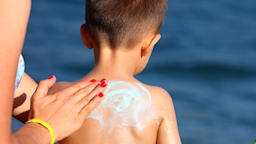
Sunscreen is one of the best ways to protect your skin from UV damage and sunburn.
Dermatologists recommend choosing a sunscreen that:
Is broad-spectrum, which protects against both UVA and UVB rays from the sun
Has a sun protection factor (SPF) of at least 30
When it comes to your scalp, it’s fine to use regular sunscreen. But, if you have hair, regular sunscreen can be messy and make your hair greasy. Fortunately, there are other options for use on the scalp.

Read more like this
Explore these related articles, suggested for readers like you.
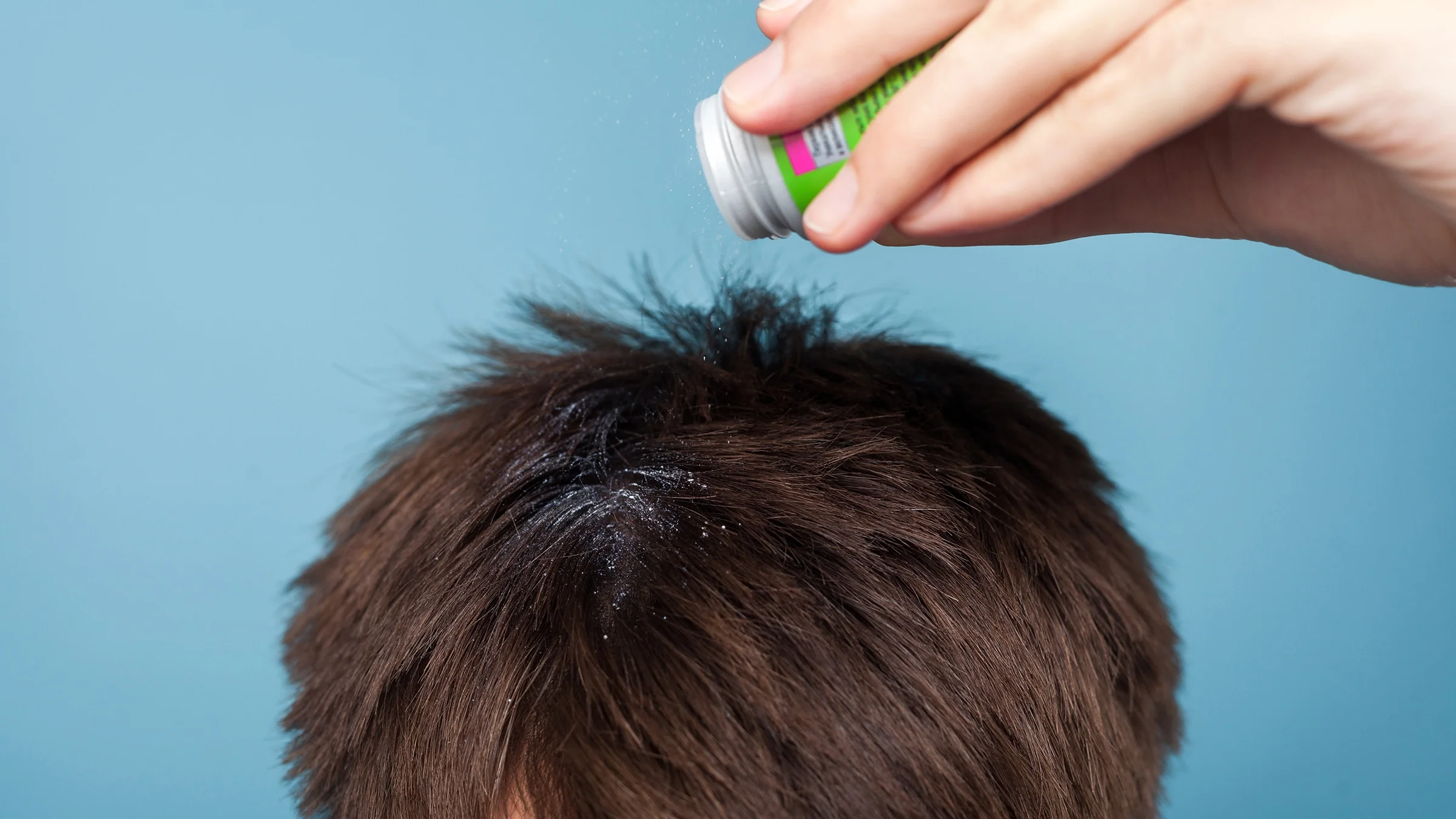
Some brands sell sunscreen specifically for the scalp and hair. Many powder sunscreens come with an easy-to-use, brush applicator, which makes applying (and re-applying) easy. But they typically don’t provide great coverage, and they’re not water resistant. So they’re probably better for touch-ups.
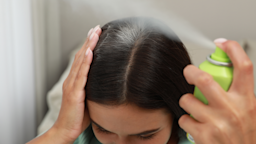
Other brands sell sprays to protect the scalp and hair (often marketed as “hair mist”). You can also use a sunscreen stick, which can be particularly helpful on the hairline and in the hair part. The best scalp sunblock to choose is whichever one best suits your daily routine.
3. Carry an umbrella or parasol
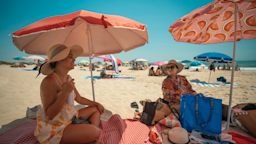
Umbrellas and parasols can help protect your scalp from UV rays. Like hats and head coverings, umbrellas and parasols help block sunlight from reaching your skin. But be sure to choose a fabric option with a tight weave. There are also products made with special, UV-blocking materials for additional protection.
Studies have shown that standard beach umbrellas can provide some protection from the sun. But they don’t offer as much protection as sunscreen does. And some umbrellas and other shade products may not provide enough shade to prevent sunburns. So, it’s still best to pair umbrellas and parasols with sunscreen for maximum protection.
4. Limit outdoor time during peak hours
Sunlight exposure is highest in the middle of the day between 10AM and 4PM. Spending time outside during these hours puts you at higher risk of developing a sunburn, including a scalp sunburn. So, try to limit your time outdoors during these hours. Or, take extra care to use other methods of sun protection during these peak hours.
5. Style your hair strategically
You can try to style your hair in a way that helps cover your scalp. Here are a few tips:
If you have long hair, you can opt for a ponytail, a French braid, or a bun that positions the hair over the scalp as possible.
Avoid tight hairstyles that can strain the scalp.
And try to steer clear of hairstyles that create an exposed hair part, since this area is vulnerable to sunburn.
6. Use hair products with UV protection
Hair is mostly made of protein (called keratin), which doesn’t show sunburn in the same way skin does. But you still need to protect your hair from the sun. UV rays can damage hair, causing it to become:
Prone to breakage
Brittle
Dry
When hair is damaged, it can expose the scalp more to sunburn.
What are the signs of sun damage on your scalp?
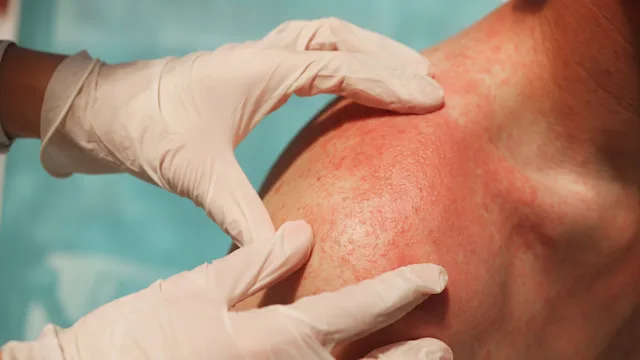
The symptoms of a scalp sunburn begin within 4 to 6 hours after sun exposure. If you develop a scalp sunburn, you may notice these symptoms:
Tingling
Pain
Redness
Warmth
You may notice these symptoms anywhere on your scalp. This includes your hairline and along any hair parts. Symptoms usually get worse over the next 1 to 3 days and then gradually get better over 1 to 2 weeks.
If you get a severe scalp sunburn, you could develop symptoms like:
Blisters
Scalp swelling
Nausea or vomiting
Headache
Fevers
Chills
Seek medical care right away if you develop any of these severe symptoms.
Why is it important to protect your scalp from the sun?
There are a couple of reasons you’ll want to protect your scalp from the sun:
Sunburns hurt. Scalp sunburn is uncomfortable and often painful. Scalp sunburn can make it painful to wash, comb, and style your hair.
Sunburns increase your risk of skin cancer. UV rays from the sun penetrate the skin and cause damage to your cells. This can increase your risk of developing skin cancer. That damage adds up over time. The more sunburns you experience in your lifetime, the higher your risk of developing skin cancer.
Sunburns don't look great. You may not like the way scalp sunburn looks, especially if you’re bald or have thinning hair. When your scalp sunburn starts to heal, your body will shed the burned skin. This can cause dandruff-like flakes, which can be bothersome too. Anti-dandruff shampoos won’t help in this situation. And they can even make flaking worse.
Frequently asked questions
Regular sunblock works on the scalp, but it can make hair greasy. Some people like using stick sunscreen on the scalp. Or they may go for sprays specifically marketed for use on the scalp and hair. Powder sunscreen can be a good choice for the hair part or hairline, too, if you apply enough. Just note that powder sunscreen doesn’t offer thorough protection for the rest of your body.
Whichever form of sunscreen you use, make sure it’s a broad-spectrum sunscreen with SPF 30 or higher.
UV rays can damage the hair follicles and affect hair growth. And there have been reports of severe scalp sunburn leading to temporary hair loss in people receiving topical scalp treatment.
A scalp sunburn can increase your risk of developing skin cancer. A severe scalp sunburn can also cause blisters, which can break and lead to infection. It's important to check in with your primary care provider if you have a severe scalp sunburn and experience:
Nausea and/or vomiting
Blisters
Headache
Fever
Regular sunblock works on the scalp, but it can make hair greasy. Some people like using stick sunscreen on the scalp. Or they may go for sprays specifically marketed for use on the scalp and hair. Powder sunscreen can be a good choice for the hair part or hairline, too, if you apply enough. Just note that powder sunscreen doesn’t offer thorough protection for the rest of your body.
Whichever form of sunscreen you use, make sure it’s a broad-spectrum sunscreen with SPF 30 or higher.
UV rays can damage the hair follicles and affect hair growth. And there have been reports of severe scalp sunburn leading to temporary hair loss in people receiving topical scalp treatment.
A scalp sunburn can increase your risk of developing skin cancer. A severe scalp sunburn can also cause blisters, which can break and lead to infection. It's important to check in with your primary care provider if you have a severe scalp sunburn and experience:
Nausea and/or vomiting
Blisters
Headache
Fever
The bottom line
The scalp is a place on the body that can be easy to forget about when planning a day in the sun. The best ways to protect the scalp are to wear a wide-brimmed hat and apply sunscreen directly to the scalp, especially in balding areas or on the hair part.

Why trust our experts?




References
American Academy of Dermatology Association. (2025). Sunscreen FAQs.
Camacho, F., et al. (1996). Telogen alopecia from UV rays. JAMA Dermatology.
Cancer Research UK. (2023). How does the sun and UV cause cancer?
Centers for Disease Control and Prevention. (2024). Sun exposure at work.
Ludmann, P., et al. (2024). How to treat sunburn. American Academy of Dermatology Association.
Ou-Yang, H., et al. (2017). Sun protection by beach umbrella vs sunscreen with a high sun protection factor: A randomized clinical trial. JAMA Dermatology.
Piérard-Franchimont, C., et al. (2010). Effect of UV radiation on scalp and hair growth. Aging Hair.
Sebetić, K., et al. (2008). UV damage of the hair. Collegium Antropologicum.
Skin Cancer Foundation. (2025). Seal of recommendation.
Skin Cancer Foundation. (2025). Sun-protective clothing.
U.S. Food and Drug Administration. (2017). Sun protection factor (SPF).