When it comes to your skin and health, you probably just think of skin conditions like acne, eczema, psoriasis, or skin cancer. However, your skin affects your overall health in more ways than your mirror can show.
Your skin is, after all, your body’s largest organ, tasked with the monumental duty of protecting the rest of your organs. Here are just four of the ways your skin benefits your overall health:
1. Your skin is literally a protective covering.
Search and compare options
The complex community of organs, muscles, blood vessels, and more are pretty amazing, but also pretty vulnerable. That’s where your skin comes in — keeping germs out and protecting your organs from danger. The skin also has a fatty tissue in its deepest layer, which adds additional cushion for injury protection.
2. Your skin helps form healthy bones + teeth.
Yep! Here’s how: Your skin produces vitamin D when exposed to ultraviolet (UV) rays. When people say you get vitamin D from sunshine, what they really mean is that the sun helps your skin synthesize vitamin D.
Vitamin D, in turn, helps the body absorb more of the calcium you consume, which contributes to better bone health. You can consume all the calcium in the world, but research shows it won’t be as effective for bone health without some vitamin D (as well as these other bone-boosting nutrients).
3. Your skin helps regulate your body temperature.
You probably already know that you sweat to help you stay cool. This occurs thanks to sweat glands in the skin, which perspire when you’re hot. Sweat creates a cooling effect as it evaporates.
But it’s not just when you’re hot! That fatty tissue in the skin also helps insulate against the cold, which partially explains why those with less “cushion” seem to be cold 24/7. (Here are more possible reasons you’re always cold.)
And then, of course, you get “goosebumps” on your skin when you’re chilly. This is actually a reflex caused by blood vessels constricting away from the skin, which pulls on the skin muscles to create the bumpy effect. The goal is to keep the blood vessels farther from the skin surface, in order to reduce heat loss in the blood.
4. Your skin can sense potential dangers.
One of your most important senses comes from your skin — or more specifically, the millions of nerve endings on your skin. Say you touch a hot burner. It’s the nerve endings on your skin that detect the pain or heat sensations, and these nerves then warn your muscles that it’s time to move or react to prevent injury.
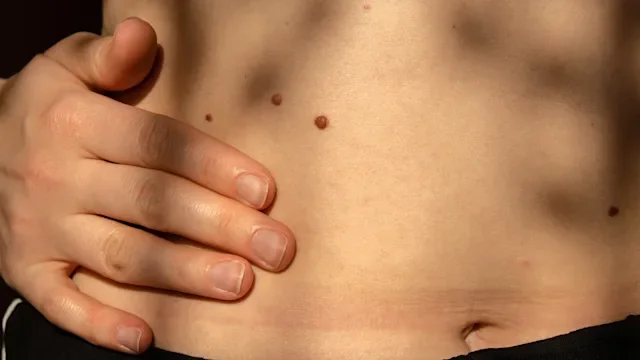
Skin looks different from person to person. It comes in all different shades, with freckles and moles and birthmarks and scars. But regardless of what your skin looks like, it’s like a security team just for you and your body.
Want more reasons to love your body?
References
American Skin Association. (n.d.). Healthy skin.
National Institutes of Health, Office of Dietary Supplements. (2024). Vitamin D: fact sheet for professionals.
Nemours Foundation. (2023). Your skin (for kids).

Why trust our experts?