Key takeaways:
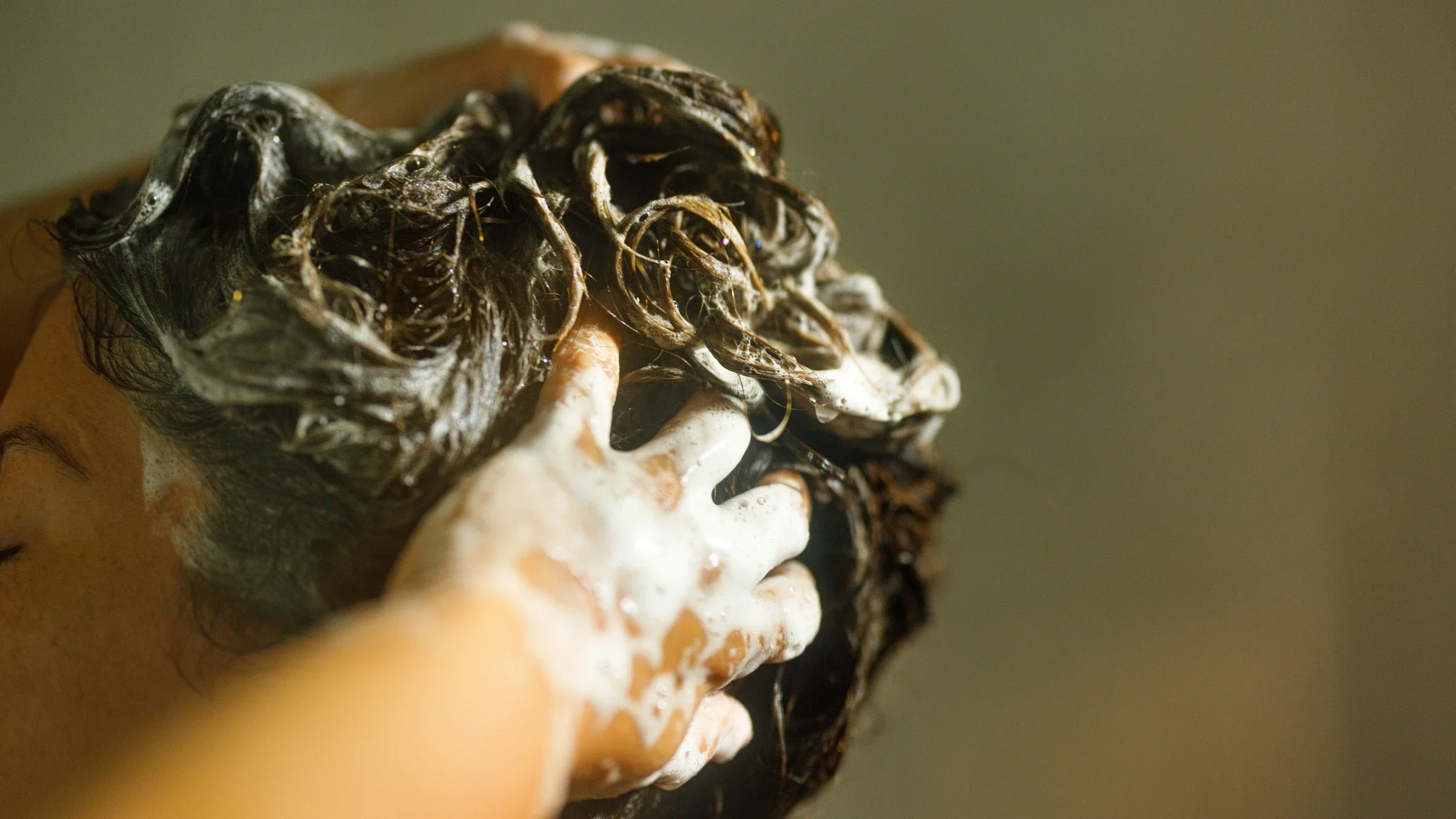
Dandruff is a common skin condition. It causes white flakes of dead skin to shed from your scalp into your hair or onto your shoulders.
Head & Shoulders is a popular brand of hair care products. Head & Shoulders products effectively help manage dandruff and improve scalp health. They aren’t considered bad for your hair.
There are two main Head & Shoulders active ingredients to be aware of. Pyrithione zinc is found in the Everyday product line, and selenium sulfide is found in the Clinical Strength line.
Save on related medications
Have you noticed white flakes in your hair or on your clothes? Has your scalp been really dry and itchy lately? If so, you’re in good company. About half of adults worldwide have some degree of dandruff.
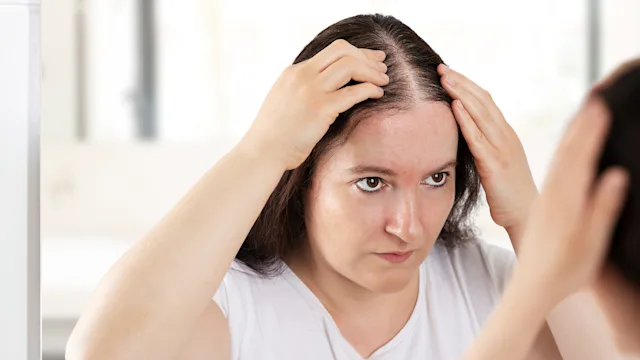
This health condition is characterized by an itchy or oily scalp and white flakes of dead skin that shed into your hair or onto your shoulders. It doesn’t cause any serious medical problems, but some people find it to be unpleasant or inconvenient. Dandruff isn’t linked to poor hygiene, as is sometimes stated. However, bad hair care habits, along with cold winter air and puberty, can worsen dandruff.
Fortunately, anti-dandruff shampoos are safe, effective, and accessible. The brand Head & Shoulders offers many products that can treat dandruff, for example. These items are sold over the counter (OTC), and there are also generic equivalents available.
Search and compare options
Although OTC products aren’t technically FDA approved, they’re still regulated for safety. Despite this, rumors sometimes circulate that anti-dandruff shampoos, like Head & Shoulders products, can damage your hair.
What are the active ingredients in Head & Shoulders shampoo?
Head & Shoulders markets several products with different formulas. Although these products vary, Head & Shoulders active ingredients target Malassezia, a fungus that causes dandruff.
This fungus feeds on the oils naturally present on the scalp and, in turn, produces an irritant called oleic acid. The resulting irritation can lead to scalp inflammation, itchiness, and shedding flakes of dead skin.
There are two active ingredients found in Head & Shoulders products: pyrithione zinc and selenium sulfide. Both of these ingredients help manage dandruff symptoms and fight Malassezia.
Pyrithione zinc
Pyrithione zinc is found in the Head & Shoulders Everyday product line. These products contain 1% pyrithione zinc. And they’re recommended for daily use and mild-to-moderate dandruff cases.
Pyrithione zinc fights against Malassezia, removes scalp irritants, and helps prevent irritant formation.
Selenium sulfide
Selenium sulfide is found in the Head & Shoulders Clinical Strength product line. It’s an antiseborrheic, a medication that works by decreasing skin cell production and inhibiting fungal growth.
As they provide the strongest protection, Clinical Strength products are recommended for more severe cases of dandruff. Products that contain 1% of selenium sulfide are available OTC. Meanwhile, products with a higher concentration (like 2.5%) are available with a prescription from a healthcare professional.
Unlike the classic Everyday products, Head & Shoulders Clinical Strength hair care products should be used in addition to your regular daily shampoo. It’s recommended to apply Clinical Strength products 2 times a week for the first 2 weeks. Then you can apply once weekly for 2 to 4 weeks — depending on your response to treatment.

Read more like this
Explore these related articles, suggested for readers like you.

Does Head & Shoulders cause hair loss or thinning?
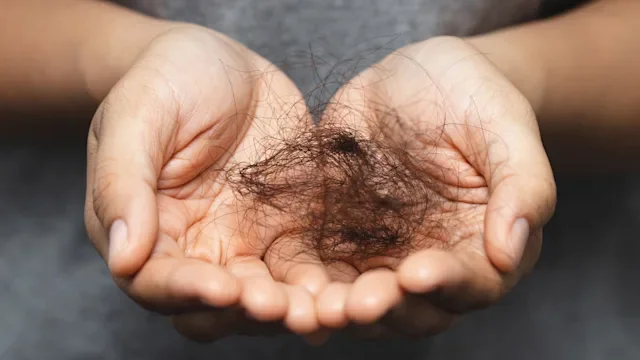
If you’ve noticed hair loss while using a Head & Shoulders product, you may be wondering if it’s causing more harm than good. But don’t worry: It’s unlikely that the Head & Shoulders product is at fault.
Hair loss
Based on current research, there isn’t a link between pyrithione zinc products and hair loss. In fact, data suggests that this ingredient actually promotes hair growth in some people who have severe dandruff. It may help improve scalp health, which is essential for healthy hair growth.
The research is more mixed on selenium sulfide, however. Two early, small-scale studies found that people using selenium sulfide experienced increased hair loss. In one of the studies, which was conducted in 1960, prescription-strength selenium sulfide use was found to have a negative effect on hair roots in a small number of people. The other study, published in 1956, found similar results, with hair loss stopping once the product was no longer being used.
However, another, slightly more recent study found no significant hair loss or growth in people using selenium sulfide. Since the data has been mixed, it’s best to talk to a healthcare professional about what to expect with a selenium sulfide product if you have questions.
Why hair loss might happen
Hair loss is common among people with dandruff. But why? There are a few explanations that may shed some light on this.
First, it could be the condition itself. Severe dandruff can cause itching and scratching — resulting in damage to the hair follicle and hair loss. In one study, some scalps with dandruff were found to lose twice as many hairs compared to healthy scalps. This generally doesn’t occur in cases of mild-to-moderate dandruff.
Another explanation for increased hair loss is the ingredients in anti-dandruff treatments. In addition to containing active ingredients, these products also contain inactive ingredients. Some people may develop contact dermatitis, or a rash, in response to these components. Sensitivities to anti-dandruff treatments can lead to itching and irritation, and eventually hair loss, if left unmanaged.
Does Head & Shoulders damage your hair?
No, there’s very little evidence that suggests Head & Shoulders products could cause damage to your hair. In fact, research has shown that these products may help work to improve hair and scalp health when used as directed.
In some cases, Head & Shoulders Clinical Strength products can sometimes discolor hair and make the scalp become dry or oily. But these effects can be minimized or prevented by thoroughly washing your hair and scalp with clarifying shampoo and conditioner between treatments.
Side effects of Head & Shoulders
Just like other OTC and prescription treatments, Head & Shoulders products can cause side effects.
Head & Shoulders Everyday products generally have fewer side effects than the Clinical Strength products. Still, products containing pyrithione zinc can be irritating. So it’s important to only apply them to your scalp and keep them away from your eyes, ears, and nose.
The Clinical Strength collection contains a more intense medication: selenium sulfide. This makes side effects more common. But they’re generally mild and go away as your body adjusts to the product.
Common side effects include:
Skin irritation
Temporary hair discoloration
Dry scalp
Another thing that’s helpful to know is that Head & Shoulders products can damage silver, gold, and metallic jewelry. So it’s best to remove jewelry prior to hopping in the shower.
Frequently asked questions
Yes. Board-certified dermatologists do recommend medicated shampoo as a way to treat dandruff. This includes products like Head & Shoulders that contain selenium sulfide and pyrithione zinc.
No. Frequent hair washing doesn’t cause hair loss. This is a myth.
The best shampoo for hair loss depends on the cause. If your hair loss is caused by dandruff or seborrheic dermatitis, dandruff shampoo may help (as mentioned above). But if you have hair loss from psoriasis, coal tar shampoo may be your best bet. And if you’re experiencing male-pattern baldness, Minoxidil could be the right choice.
Yes. Board-certified dermatologists do recommend medicated shampoo as a way to treat dandruff. This includes products like Head & Shoulders that contain selenium sulfide and pyrithione zinc.
No. Frequent hair washing doesn’t cause hair loss. This is a myth.
The best shampoo for hair loss depends on the cause. If your hair loss is caused by dandruff or seborrheic dermatitis, dandruff shampoo may help (as mentioned above). But if you have hair loss from psoriasis, coal tar shampoo may be your best bet. And if you’re experiencing male-pattern baldness, Minoxidil could be the right choice.
The bottom line
Head & Shoulders is a brand of hair care products that help alleviate dandruff. These anti-dandruff products aren’t considered bad for your hair. And there’s very little evidence to show that they cause hair damage or hair loss — especially at over-the-counter (OTC) strengths.
Head & Shoulders Classic products contain pyrithione zinc. They’re intended for daily use and are the best options if you have mild-to-moderate dandruff. Head & Shoulders Clinical Strength products contain selenium sulfide. These are applied less frequently and are your best bets if you have severe dandruff.

Why trust our experts?




References
American Academy of Dermatology Association. (n.d.). How to treat dandruff.
Archer, V. E., et al. (1960). Effect of selenium sulfide suspension on hair roots. The Journal of Investigative Dermatology.
Berger, R. S., et al. (2003). The effects of minoxidil, 1% pyrithione zinc and a combination of both on hair density: A randomized controlled trial. British Journal of Dermatology.
Borda, L. J., et al. (2015). Seborrheic dermatitis and dandruff: A comprehensive review. Journal of Clinical and Investigative Dermatology.
Grover, R. W. (1956). Diffuse hair loss associated with selenium (Selsun) sulfide shampoo. JAMA.
Head & Shoulders. (n.d.). Our active ingredients.
MedlinePlus. (2017). Selenium sulfide.
Orentreich, N., et al. (1964). Selenium disulfide shampoo: Its influence on hair growth and the follicular cycle. Archives of Dermatology.
Piérard-Franchimont, C., et al. (2006). Revisiting dandruff. International Journal of Cosmetic Science.
The Proctor & Gamble Manufacturing Company. (2022). Head and Shoulders 2in1 Classic Clean - pyrithione zinc lotion/shampoo [package insert].
The Proctor & Gamble Manufacturing Company. (2023). Head and Shoulders 2in1 Classic Clean - pyrithione zinc lotion/shampoo [label]. DailyMed.
The Proctor & Gamble Manufacturing Company. (2023). Head and Shoulders 2in1 Clinical Strength Dandruff Defense Intensive Itch Relief - selenium sulfide lotion/shampoo [label]. DailyMed.
Trüeb, R. M., et al. (2018). Scalp condition impacts hair growth and retention via oxidative stress. International Journal of Trichology.
Wikramanayake, T. C., et al. (2019). Seborrheic dermatitis—Looking beyond Malassezia. Experimental Dermatology.