Key takeaways:
Calluses are thickened areas of skin that often form on your feet and heels.
You can soften and reduce calluses at home using warm-water soaks, medicated peels, urea moisturizer, or petrolatum.
Don't try to remove your calluses at home if you have diabetes or medical conditions that affect your circulation or nerves.
Calluses form when the skin thickens to protect itself against repeated rubbing or friction. They often show up on the bottoms of your feet, the backs of your heels, and the tops of your toes. Anything that puts pressure on your feet can cause a callus. This can happen from wearing shoes that are too tight or loose, walking barefoot, or exercising.
You shouldn’t try to completely remove the calluses on your feet. They're there for a reason, and your body will respond by building more calluses. But foot callus treatments can soften calluses, making them less noticeable. Some treatments can also take stress off your feet so your calluses don’t get bigger.
Here are seven science-backed ways for how to get rid of calluses on your feet from the comfort of your home.
Search and compare options
1. Pumice stone
Pumice stones are one of the best ways to treat calluses. They’re made from volcanic rock. They may look spongy, but they’re actually rough. This makes them excellent at removing the top layer of calluses.
How to use a pumice stone
To use a pumice stone:
Wet your feet first. Don’t use a pumice stone on dry skin. This can lead to skin injury or infection.
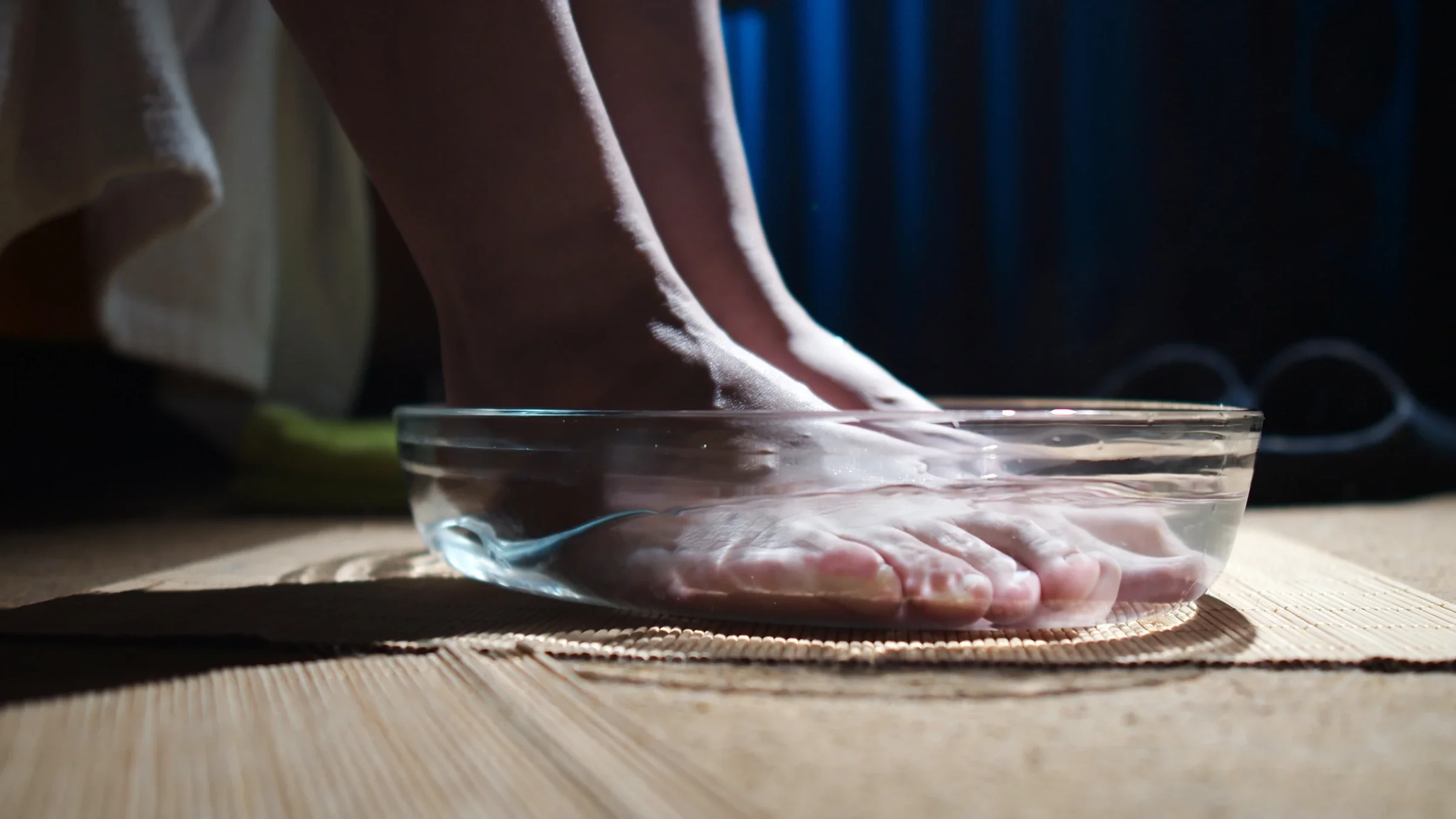
Soak your feet in warm water for 5 to 10 minutes. This will soften your callus so the pumice stone can work its magic.
Wet the pumice stone and gently rub it on your callus in a circular motion. There’s no need to rub hard or fast.
Stop after 2 or 3 passes. Your goal isn’t to remove your callus all at once.
How often to use a pumice stone
You don’t need to use a pumice stone every day. Using it too much can irritate your feet and lead to more callus buildup. Instead, use your pumice stone 1 or 2 times a week.
There are many callus removers on the market, but it’s best to stick to pumice stones. Avoid sharp instruments like shavers. Trying to cut or shave a callus with one of these tools can damage healthy skin under the callus. The result may lead to infection.
2. Urea cream or ointment
Urea is a moisturizer that does double duty. It moisturizes and softens skin and also exfoliates the top layer of a callus.
There are many over-the-counter (OTC) urea creams and ointments. You don’t need to buy a product that’s specifically labeled for foot calluses. Any thick cream or ointment will do.
Urea creams and ointments come in many strengths. For calluses, choose a high-dose product. A cream or ointment with 30% to 50% urea will soften your callus.
How to use urea cream
Cover your feet with cotton socks after applying urea cream. This keeps the cream on your feet so it can work. Using urea cream every day will also make your pumice stone sessions more effective.

Read more like this
Explore these related articles, suggested for readers like you.

Don’t use urea cream if your calluses are cracked or peeling. It can irritate your skin in these cases.
3. Petroleum jelly
If you can’t use a urea cream or ointment because your calluses are cracked or peeling, try petroleum jelly instead. Petroleum jelly is a thick ointment that moisturizes and softens calluses. Vaseline and Aquaphor are popular petroleum jelly brands. Aquaphor also contains other moisturizers, like lanolin and glycerin.
How to use petroleum jelly for foot calluses
You can put petroleum jelly on your feet every day. Just make sure to cover your feet with socks afterward to keep the ointment in place and prevent slips and falls.
4. Salicylic acid pads
Salicylic acid works by exfoliating calluses. Salicylic acid pads are soft cushions that come in many sizes. You can use them on larger calluses on your heels or on corns, which are smaller calluses that form on top of your toes.
Look for 40% salicylic acid pads. These are available over-the-counter (OTC) from many brands, including Curad and Dr. Scholl’s.
How to use salicylic acid pads for foot calluses
To use salicylic acid pads:
Put the pad over your callus and leave it on for 48 hours.
When you take the pad off, the callus may look white. Soak your feet, then gently use a pumice stone to remove some of that white skin.
Apply a new pad and repeat the process for one week. By the end of the week, your calluses should feel smaller and smoother.
If you develop any redness or pain, stop using the pads right away.
5. Alpha hydroxy acid peels
Alpha hydroxy acids (AHAs), like glycolic acid and lactic acid, work by exfoliating your skin. Foot peels contain higher concentrations of AHAs. After using a foot peel, the top layer of the callus peels away. This leaves softer, less-noticeable skin that’s easier to keep moisturized.
There are several OTC foot peels. Most are labeled as “exfoliating foot peels.”
How to use alpha hydroxy acid peels for foot calluses
To use these peels:
Soak your feet in warm water for 20 to 30 minutes.
Apply the foot peel according to the package instructions.
Wash your feet with soap and water when recommended.
Your feet will start peeling within 3 and 7 days.
How often to use AHA peels on feet
Soaking your feet for 20 minutes a day can help the top layer of your callus separate more easily.
6. Shoe pads and inserts
People with hammertoes, claw toes, mallet toes, or bunions often develop calluses. This happens because their toes rub against the inside of their shoes.
Pads help relieve pressure in these areas. Shoe inserts cradle your heel so it doesn’t rub against the bottom of your shoe.
Pads and inserts won’t soften or remove your existing callus. But they can protect your feet from forming new ones.
7. New shoes
Wearing the right shoes can keep your calluses from coming back or getting bigger. Wear shoes that avoid putting extra pressure on your forefoot and toes. These include shoes with roomy toe boxes and low or no heels.
How to prevent calluses on feet
Calluses form when repeated friction or pressure causes skin to thicken. To prevent calluses, focus on reducing irritation before it leads to excess skin buildup. Here are some tips to prevent calluses on your feet:
Wear properly fitting shoes. Shoes that are too tight or too loose can create pressure points and lead to calluses. Look for footwear with a roomy toe box, cushioning, and good support.
Use protective padding. Gel pads, moleskin, toe sleeves, or cushioned insoles can help reduce friction in areas prone to calluses.
Choose the right socks. Seamless, moisture-wicking socks (like those made from merino wool or synthetic fibers like polyester or nylon) help reduce rubbing and keep your feet dry, which can lower friction.
Keep your skin moisturized. Applying foot cream regularly helps keep skin soft and less likely to thicken. Gentle exfoliation after bathing can prevent buildup.
Rotate shoes and rest your feet. Alternating between different pairs of shoes can help you avoid rubbing the same pressure points day after day. Similarly, taking breaks from activities that stress your feet can also help.
When should you seek medical care for a callus?
You should seek medical care for a callus if you have a medical condition that puts you at higher risk for foot injury or infection. Don’t try to treat your calluses at home if you have one of these conditions:
You should also avoid at-home treatments if you have skin conditions that affect your feet, like:
Dyshidrotic eczema
Foot sores or wounds
At-home callus treatments can worsen these conditions. It’s best to work with a healthcare professional to treat your calluses safely.
Frequently asked questions
No, walking barefoot doesn’t help prevent calluses. In fact, it can make them worse. Without shoes, your feet are exposed to rough and uneven surfaces. This causes your skin to thicken in an attempt to protect your feet from injury. Wearing supportive shoes or cushioned sandals can help reduce stress on your feet and lower your risk of developing calluses.
If you develop hard, thickened skin on your feet, you might wonder whether it’s a corn or a callus. Calluses tend to be big areas of thick, rough skin that form on your heels, the balls of your feet, or your hands. They usually aren’t painful.
Corns, on the other hand, are small areas of thickened skin that form over spots that get friction and pressure, like toe joints. Corns can be painful.
Calluses usually won’t go away on their own without treatment or changes to your exercise routine or footwear. If you continue to put pressure on the affected skin, the callus may continue to grow. Calluses can start to crack as they get bigger, which can make them painful and increase the risk for infection. This is why it’s important to take steps to prevent and treat them.
No, walking barefoot doesn’t help prevent calluses. In fact, it can make them worse. Without shoes, your feet are exposed to rough and uneven surfaces. This causes your skin to thicken in an attempt to protect your feet from injury. Wearing supportive shoes or cushioned sandals can help reduce stress on your feet and lower your risk of developing calluses.
If you develop hard, thickened skin on your feet, you might wonder whether it’s a corn or a callus. Calluses tend to be big areas of thick, rough skin that form on your heels, the balls of your feet, or your hands. They usually aren’t painful.
Corns, on the other hand, are small areas of thickened skin that form over spots that get friction and pressure, like toe joints. Corns can be painful.
Calluses usually won’t go away on their own without treatment or changes to your exercise routine or footwear. If you continue to put pressure on the affected skin, the callus may continue to grow. Calluses can start to crack as they get bigger, which can make them painful and increase the risk for infection. This is why it’s important to take steps to prevent and treat them.
The bottom line
Calluses form when the skin tries to protect itself from pressure and rubbing. The best treatment for calluses is to remove whatever is causing friction on your skin. This often means wearing shoes that fit better or using padding or inserts. You can also slowly remove calluses at home using warm water soaks, gentle exfoliation with a pumice stone, and over-the-counter (OTC) moisturizers. People who are at a high risk for foot injury or infection should see a healthcare professional before trying to treat a callus at home.

Why trust our experts?



References
American Podiatric Medical Association. (n.d.). Corns and calluses.
Baden, H. P. (1980). The pumice stone in dermatologic therapy. Journal of the American Academy of Dermatology.
Buldt, A. K., et al. (2018). Incorrectly fitted footwear, foot pain and foot disorders: A systematic search and narrative review of the literature. Journal of Foot and Ankle Research.
MedlinePlus. (2025). Corns and calluses.
National Cancer Institute Dictionary of Cancer Terms. (n.d.). Hyperkeratosis.
Ngan, V. (2005). Urea. DermNet.