








How Long Does It Take for Metformin to Work? Plus, Answers to 6 More Metformin FAQs
Metformin is an oral medication that is FDA approved to treat Type 2 diabetes. Learn how long it takes for metformin to work and explore tips on how to take it.
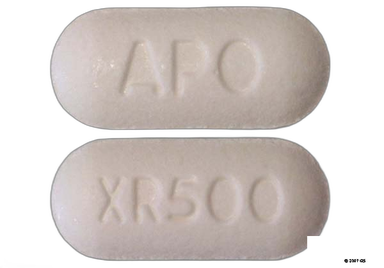
Metformin extended-release (ER) is a prescription medication used along with a healthy diet and exercise to treat Type 2 diabetes. Unlike metformin immediate-release (IR) tablets, metformin ER is taken by mouth once daily. To minimize stomach-related side effects of this medication, such as diarrhea and nausea, it's best to take it with the evening meal. In some cases, people who take metformin ER might experience modest weight loss.

Metformin ER is a biguanide. It lowers the amount of sugar that your liver makes, as well as lowers the amount of sugar absorbed through the intestines. In addition, it also makes your body more sensitive to insulin. This means your cells are better able to take up sugar from the bloodstream and use it as energy.
| Common Brands | Glucophage XR |
|---|---|
| Drug Class | Biguanide |
| Controlled Substance Classification | Not a controlled medication |
| Generic Status | Lower-cost generic available |
| Availability | Prescription only |

The following side effects may get better over time as your body gets used to the medication. Let your healthcare provider know immediately if you continue to experience these symptoms or if they worsen over time.
Contact your healthcare provider immediately if you experience any of the following.
Side effects that you should report to your care team as soon as possible:
Side effects that usually do not require medical attention (report these to your care team if they continue or are bothersome):




Metformin ER can cause some serious health issues. This risk may be even higher for certain groups. If this worries you, talk to your doctor or pharmacist about other options.
 Metformin ER can cause a rare, but serious medical condition called lactic acidosis (too much lactic acid in your blood). If left untreated, this condition can lead to other health problems, including organ failure, which can be deadly. Discuss with your primary care provider about your medical history before starting metformin ER and any planned procedures during treatment. They can check for your risk for lactic acidosis. Get medical attention right away if you experience trouble breathing, irregular heartbeat, muscle pain, belly pain, or feeling very tired or dizzy. These can be signs that you have too much lactic acid in your blood.
Taking metformin ER for a long period of time can cause your vitamin B12 levels to drop. Having low vitamin B12 levels can lead to a higher risk of anemia. Your provider will check your vitamin B12 levels through blood work every 2 to 3 years. If needed, your provider might recommend that you take vitamin B12 supplementation. Let your provider know if you frequently have low energy, dizziness, muscle problems, or tingling or numbness in your hands and feet.
If you're using insulin or taking another medication that raises insulin levels while taking metformin ER, you might be at higher risk for dangerously low blood sugar levels. Because of this, your provider will likely need to adjust the doses of your blood sugar medications. Make sure you're familiar with symptoms of low blood sugar levels, such as shakiness, hunger, confusion. Keep glucose tablets or other fast-acting carbohydrates with you at all times so you can quickly treat hypoglycemia.

 Tablet
| Dosage | Quantity | Price as low as | Price per unit |
|---|---|---|---|
| 750mg | 180 tablets | $24.82 | $0.14 |
| 500mg | 90 tablets | $11.18 | $0.12 |
The typical starting dose is 500 mg by mouth once daily with the evening meal. Your provider might raise your dose every week if you need to lower your blood sugar more. The maximum dose is 2,000 mg once daily.


Contraindications are specific health conditions or situations in which a person should not take a medication due to safety concerns. If you have any of the following conditions or if any of the following apply to you, let your healthcare provider know because Metformin ER will not be safe for you to take.











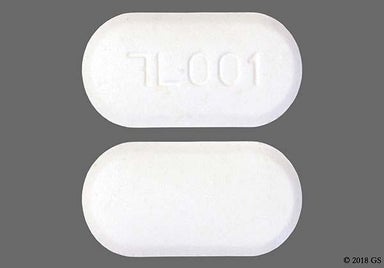
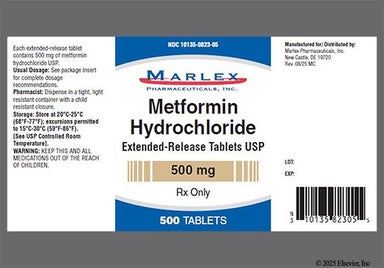
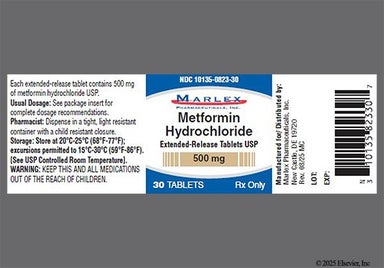
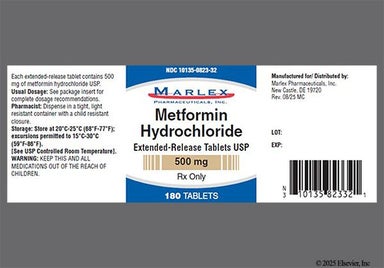
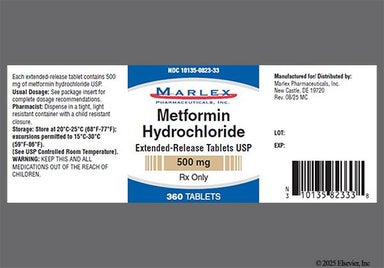
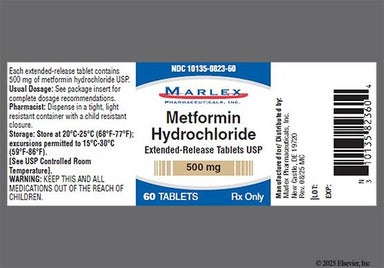
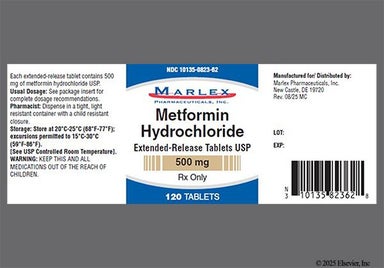
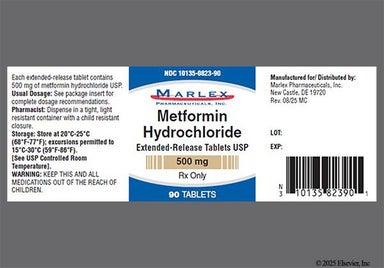
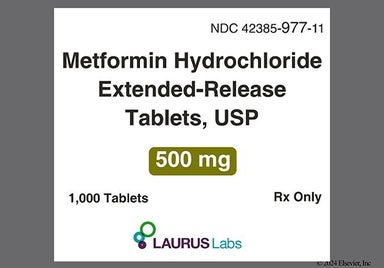
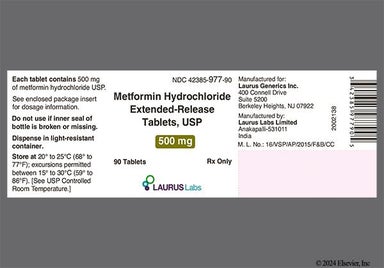
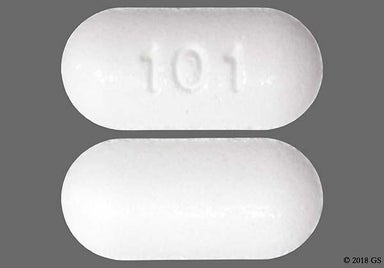
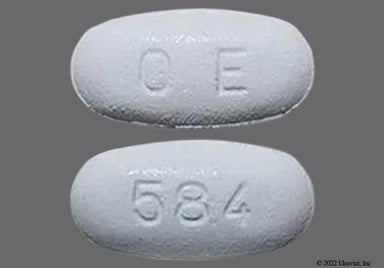
Prescription savings
Stop paying too much for your prescriptions. Compare prices, get pharmacy coupons, and save up to 80%. Find expert answers to your health questions so you can make the best decisions for yourself and your family.
Health conditions
Medications & treatment
Access & affordability
 Our monthly healthcare membership can help you save thousands on your prescription costs.
Resources

Glucophage XR and metformin IR are both prescription medications used to treat Type 2 diabetes. The biggest difference is that Glucophage XR is absorbed slower by your body, so it's typically taken once daily, instead of twice daily like metformin IR. In addition, because your body absorbs Glucophage XR slower rate, it might cause less diarrhea and nausea than metformin IR. The American Diabetes Association doesn't recommend one formulation over another when it comes to treating diabetes.
It's recommended to take Glucophage XR in the evening, with your last meal of the day. Taking this medication with food can help alleviate some side effects, such as diarrhea and nausea.
One dose of Glucophage XR can control your blood sugar for up to 12 hours. But once you stop taking this medication, it takes about 4 days for most of the medication to leave your body. Keep in mind that this time frame is estimated based on the half-life of Glucophage XR. It can also be affected by your health conditions and genetics, so it can be different for each individual person.
Glucophage XR can cause diarrhea. Most people experience this side effect during the first few weeks of taking this medication. To minimize your risk of diarrhea, take Glucophage XR with the evening meal. If you have diarrhea, make sure to drink enough water to stay hydrated. If you continue to have more than 3 watery bowel movements per day while taking Glucophage XR, talk to your provider. They might consider lowering your dosing or talk with you about other ways to manage this side effects.
Glucophage XR is only FDA-approved to be taken once daily with your evening meal. But some studies showed that taking Glucophage XR twice daily is safe and works to control blood sugar throughout the day. Depending on what your blood sugar levels are like, your provider might adjust your dose of Glucophage XR to better treat your diabetes. Don't stop, start, or change how your take your diabetes medications on your own without first speaking to your provider.
Glucophage XR tablets are coated to help the medication last longer in your body. Cutting the tablet in half can destroy the coating and affect how the medication gets absorbed. Always swallow Glucophage XR tablets whole. If you have trouble swallowing, talk to your provider about switching to metformin immediate-release tablets.
The maximum dose of Glucophage XR is 2,000 mg once daily. Your provider will typically start you at 500 mg once daily and raise your dose every 1 to 2 weeks until your blood sugar is controlled. Don't adjust the dose of Glucophage XR without talking to your provider.
It's best to avoid or limit drinking alcohol if you're taking Glucophage XR. In general, alcohol raises your risk of low blood sugar. In addition, drinking too much alcohol while you're taking Glucophage XR can raise the risk of having a high level of acid in your blood (lactic acidosis), which can be dangerous. If you drink alcohol regularly and it's difficult for you to cut it out completely, ask your provider what's a safer amount to drink.
