gadobutrol
Gadobutrol (Gadavist) is a gadolinium-based contrast agent (GBCA). Radiologists use it to see inside of your body on a magnetic resonance imaging (MRI) scan. Gadobutrol (Gadavist) injected intravenously (into the veins) before imaging and can be used for both adults and children. The most common side effects include headache and nausea. Rarely, gadobutrol (Gadavist) can cause severe thickening of your skin and other organs. The risk is higher if you have kidney problems, including sudden kidney injury.


What is Gadobutrol (Gadavist)?
What is Gadobutrol (Gadavist) used for?
- Magnetic resonance imaging (MRI) in adults and children to find:
- Certain problems in the brain and spinal cord (central nervous system or CNS)
- Breast cancer cells - adults only
- Certain problems in the blood vessels of the kidneys and heart
- Coronary artery disease (CAD) - adults only
How Gadobutrol (Gadavist) works
Gadobutrol (Gadavist) is a contrast dye containing gadolinium. It's used with an MRI scan to help your radiologist see where abnormal tissues are in your body to better diagnose your medical condition.
Drug facts
| Common Brands | Gadavist |
|---|---|
| Drug Class | Diagnostic agent |
| Controlled Substance Classification | Not a controlled medication |
| Generic Status | No lower-cost generic available |
| Availability | Prescription only |

Side effects of Gadobutrol (Gadavist)
The following side effects may get better over time as your body gets used to the medication. Let your healthcare provider know immediately if you continue to experience these symptoms or if they worsen over time.
Common Side Effects
- Headache (2%)
- Nausea (1%)
Less Common Side Effects
- Dizziness
- Changes in taste
- Feeling Hot
- Injection site reactions (e.g., skin redness and pain)
- Vomiting
- Tingling sensation
- Itching
- Rash
- Trouble catching your breath
Gadobutrol (Gadavist) serious side effects
Contact your healthcare provider immediately if you experience any of the following.
- Severe thickening of the skin and other organs: red patches, swelling, itching, skin hardening, pain, joint pain, muscle weakness
- Allergic reactions: rash, itching, hives, shortness of breath, swelling
The following Gadobutrol (Gadavist) side effects have also been reported
Side effects that you should report to your care team as soon as possible:
- Allergic reactions—skin rash, itching, hives, swelling of the face, lips, tongue, or throat
- Burning, itching, hardening, or thickening of the skin, red or dark patches on the skin, joint stiffness or pain
- Kidney injury—decrease in the amount of urine, swelling of the ankles, hands, or feet
- Trouble breathing
Side effects that usually do not require medical attention (report these to your care team if they continue or are bothersome):

Pros and cons of Gadobutrol (Gadavist)
Pros
- Can be used to see many different parts of the body
- Can be used in adults and young children
- Generally well-tolerated and low risk of side effects
Cons
- Can cause short-term kidney injury
- Higher risk of side effects in people with kidney problems
- Might not be a good option during pregnancy

Pharmacist tips for Gadobutrol (Gadavist)

- You'll typically receive gadobutrol (Gadavist) before your MRI. This medication needs to be given by a trained personnel on the radiology team with the right tools and technique to lower the risk of side effects.
- Let your radiology team know if you feel pain while receiving gadobutrol (Gadavist). If this happens, there's a risk that the contrast agent might've leaked from your IV into the surrounding tissues.
- Though rare, some people have experienced allergic reactions after receiving gadobutrol (Gadavist). Symptoms can appear minutes or days after your dose. Monitor yourself for dizziness, rash, and trouble breathing during your MRI appointment and after you go home. Get medical help right away if you have symptoms of an allergic reaction.

Risks and warnings for Gadobutrol (Gadavist)
Gadobutrol (Gadavist) can cause some serious health issues. This risk may be even higher for certain groups. If this worries you, talk to your doctor or pharmacist about other options.
Severe organ thickening and sudden kidney injury
- Risk factors: Chronic kidney disease | Sudden kidney injury | Surgery | Severe infection | Injury | Taking medications that cause kidney problems | Repeated doses or higher than prescribed dose of gadobutrol (Gadavist) | Diabetes | High blood pressure | Older than 60 years of age
 Some people with kidney problems have developed a medical condition called nephrogenic systemic fibrosis (NSF) after receiving gadobutrol (Gadavist). This happens because their kidneys aren't working properly to get rid of gadobutrol (Gadavist) from the body, which can lead to toxicity. NSF can cause severe thickening of the skin, muscles, and other organs in your body, which can be life-threatening.
Before your imaging, your radiologist will order blood work to check on your kidney health. Let your care team know if you have any symptoms of kidney injury in the days leading up to or after your imaging, such as making less urine, swelling in the ankles and legs, and tiredness.
Your radiologist might not use gadobutrol (Gadavist) for your MRI if you have kidney problems, unless there aren't any safer options available.
Serious allergic reactions
- Risk factors: Past allergic reactions to contrast dye | Asthma
Serious allergic reactions to gadobutrol (Gadavist) are possible, including life-threatening reactions like anaphylaxis (e.g., closing of the throat). These reactions are most common within the first 30 minutes of injection, but they can also happen several days after. During your appointment, your healthcare team will monitor you for signs and symptoms of allergic reaction. If you notice dizziness, difficulty breathing, or swelling of the lips or tongue after receiving gadobutrol (Gadavist) (even after you're already home from your appointment), get medical help right away.
Buildup of gadolinium in the body
- Risk factors: Multiple doses | Pregnancy | Children | History of inflammatory conditions
Certain contrast agents that contain gadolinium, such as gadobutrol (Gadavist), can stay in your body for several months or years. Most commonly, gadobutrol (Gadavist) can build up in your bone, but it can also build up in the brain, skin, kidneys, liver, and spleen. More research is needed to understand the kind of impact the buildup of gadolinium can have on different parts of the body. But there's a risk that it can cause harm. If you've received multiple doses of gadolinium medication in the past, if you're pregnant, or if you've a history of inflammatory conditions, talk to your radiology team before receiving gadobutrol (Gadavist).
Injection site reactions
Gadobutrol (Gadavist) can sometimes cause irritation around the injection site when the medication is leaked out of the veins. If you experience itching, pain, and redness around the injection site, let your radiology team know.

Gadobutrol (Gadavist) dosage
Typical dosage for Gadobutrol (Gadavist)
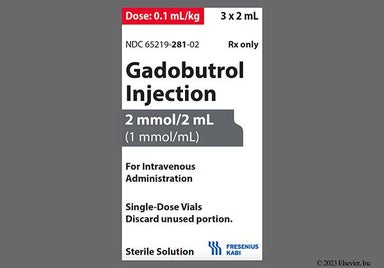
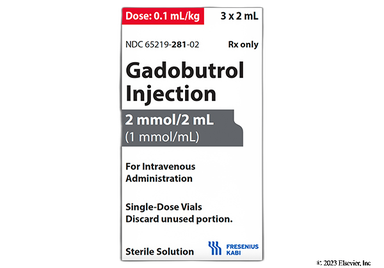
Each mL of injection contains 1 millimole (mmol) of gadobutrol (Gadavist).
Your radiologist will determine your dose of gadobutrol (Gadavist) based on your body weight. The typical dose is 0.1 mL/kg of body weight injected into the veins on imaging day by a nurse or a radiologist.

Gadobutrol (Gadavist) images