Key takeaways:
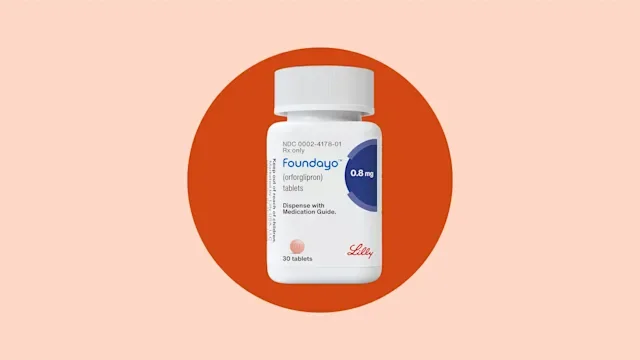
Foundayo (orforglipron) is an oral glucagon-like peptide-1 (GLP-1) receptor agonist that’s FDA approved for certain adults for weight loss. It’s a once-daily tablet you can take without regard to meals or fluids.
Common Foundayo side effects include nausea, constipation, diarrhea, and indigestion. Headaches, stomach pain, and appetite changes are also possible. These are usually mild and improve over time.
Rare but potentially serious Foundayo side effects include pancreatitis (pancreas inflammation), low blood glucose (blood sugar), and a possible risk of thyroid tumors. Your prescriber can help you manage and prevent issues like these.
Save on related medications
Foundayo (orforglipron) is a new glucagon-like peptide-1 (GLP-1) medication that’s FDA approved for weight loss in certain adults. It stands out because it’s taken as a pill rather than an injection. And it doesn’t have any meal or fluid restrictions — unlike oral semaglutide (Wegovy, Rybelsus).
Foundayo is effective overall. But after you start taking it, you may notice some digestive side effects. This is common with medications in this class, especially early on.
The good news is that these effects are usually manageable and tend to improve over time. Knowing what’s expected — and what’s not — can make it easier to stay on track with your new weight-loss treatment.
Foundayo side effects at a glance
Common or mild Foundayo side effects include:
Nausea or vomiting
Constipation
Diarrhea
Indigestion or heartburn
Abdominal pain
Smaller appetite than normal
Burping
Gas (flatulence)
Headache
Fatigue
Hair loss or thinning
Rare but serious Foundayo risks include:
Pancreatitis (inflammation of the pancreas)
Hypoglycemia (low blood sugar), especially when paired with insulin or sulfonylureas
Severe gastrointestinal reactions, such as persistent vomiting
Gallbladder issues
Acute (sudden) kidney injury, typically related to dehydration
Food, liquid, or saliva going into the lungs instead of the stomach during anesthesia
Allergic reactions
Foundayo also has a boxed warning. This is the FDA’s strictest warning for medications. While rare, Foundayo may increase the risk of developing thyroid C-cell tumors.
Here, we’ll dive into nine notable Foundayo side effects and how to manage them.
1. Nausea or vomiting
Nausea is one of the most common side effects of Foundayo. Some people may also experience vomiting, especially when first starting the medication or shortly after increasing their dose. This generally happens because Foundayo slows how quickly food leaves your stomach.
Your prescriber should gradually increase your dose over time to help minimize this issue. But to help manage these symptoms, it can make a big difference to eat smaller portions and avoid heavy or greasy meals. Eating slowly and stopping when you feel full may also help prevent nausea from worsening. Staying hydrated is important too. But it may be easier to tolerate fluids if you sip them throughout the day instead of drinking large amounts at once.
For many people, nausea improves as the body gets used to the medication. But if vomiting is persistent or severe, it’s a good idea to contact your prescriber. In rare cases, intense vomiting can raise your risk of kidney problems.
2. Constipation or diarrhea
Foundayo can change how quickly your digestive system moves. This may lead to constipation for some people and diarrhea for others.
If you’re dealing with constipation, gradually increasing your fiber intake and drinking enough fluids can help keep things moving. Gentle physical activity may also support regular bowel movements.
If diarrhea is the issue, focusing on hydration is key — especially with water or electrolyte drinks. It also helps to avoid foods that can worsen symptoms, such as greasy or spicy meals.
If either symptom becomes ongoing or difficult to manage, your healthcare team can recommend constipation or diarrhea treatments.
3. Indigestion and abdominal pain
Some people experience indigestion or abdominal discomfort while taking Foundayo. This can feel like bloating, fullness, or a general sense of stomach upset after eating.
These symptoms may improve if you eat smaller meals and give your body time to digest before lying down. Limiting foods that tend to trigger symptoms, such as fatty or acidic foods, can also help.
However, if abdominal pain becomes severe, persistent, or feels different from indigestion you typically experience, it’s important to reach out to your prescriber. They may want to evaluate you to rule out a more serious situation, such as pancreatitis. More on this later.
4. Headache
Headaches can happen while taking Foundayo. They’re usually mild. They may be linked to factors such as dehydration, changes in appetite, or shifts in blood glucose (blood sugar).
Making sure you’re drinking enough fluids and eating regularly can help reduce the chances of headaches. Getting adequate rest may also make a difference. If needed, over-the-counter (OTC) pain relievers may help too.
If headaches become frequent or severe, your healthcare team can help you figure out what’s causing them. Foundayo may not be the true or only culprit.
5. Hair loss or thinning
Some people notice hair loss or increased shedding while taking GLP-1 medications. In many cases, this may be related to weight loss or changes in nutrition rather than the medication itself. For most people, this effect is temporary.
Supporting your body with enough protein and essential nutrients can help maintain healthy hair in the meantime. It’s also helpful to avoid overly restrictive eating patterns, especially if you’re losing weight quickly.
If hair loss feels significant or concerning, your prescriber can help evaluate possible causes and next steps. There are many possible causes of hair loss, and sometimes they overlap with each other.
6. Low blood sugar
On its own, Foundayo has a low risk of causing low blood sugar. But the risk goes up if you have diabetes and take Foundayo with insulin or certain Type 2 diabetes medications, namely sulfonylureas like glipizide (Glucotrol XL).
If you have diabetes, do your best to monitor your blood sugar regularly, especially when starting Foundayo or adjusting your dose. Keeping a fast-acting source of sugar nearby — such as glucose tablets or orange juice — can help you bring up your blood sugar quickly. Your prescriber may also adjust the doses of your other diabetes medications to lower your risk of this.
Don’t ignore symptoms such as shakiness, sweating, or sudden confusion. And episodes of severe low blood sugar require emergency medical attention.
7. Pancreatitis
Pancreatitis is a rare but serious side effect that has occasionally been reported with GLP-1 medications. Foundayo is no exception. It typically causes severe, persistent abdominal pain that may spread to your back, along with nausea and vomiting that don’t improve.
If you notice symptoms like these, stop taking Foundayo and seek emergency medical care right away.
8. Other gut-related health problems
Because Foundayo slows down how quickly food moves through your stomach, it can sometimes make existing digestive issues feel worse. In some cases, it can also lead to more intense symptoms than expected.
Severe gastrointestinal reactions and certain gallbladder problems, such as gallstones, have also been reported in rare cases.
It can be hard to tell different digestive symptoms apart on your own. So pay attention to how your body is responding. If you’re having persistent vomiting, strong or persistent stomach pain, or trouble keeping food or fluids down, don’t ignore it. Reach out to your healthcare team if this happens. They can help you figure out what’s going on and decide whether adjusting your dose — or stopping Foundayo — makes sense.
9. Thyroid C-cell tumors
Foundayo has a boxed warning about the potential risk of thyroid C-cell tumors. This is based on findings from animal studies. It’s not known whether this risk applies to people, but caution is still recommended.
Because of this, Foundayo isn’t advised for people with a personal or family history of medullary thyroid cancer or multiple endocrine neoplasia syndrome type 2. This recommendation is in place out of an abundance of caution.
While taking this medication, it’s important to be aware of symptoms such as a lump in the neck, hoarseness, or trouble swallowing. If you notice any of these, contact your prescriber promptly.
The bottom line
Common Foundayo (orforglipron) side effects include nausea, diarrhea, constipation, and indigestion. Headaches, stomach pain, and appetite changes are also possible. These symptoms are often mild and tend to improve as your body adjusts to the medication. More serious side effects — including pancreatitis and low blood glucose (blood sugar) — are less common but require prompt attention. Foundayo also carries a boxed warning about possible thyroid tumors.
If you’re taking Foundayo or thinking about starting it, your healthcare team can help you manage any side effects and figure out if it’s a good fit for your weight-loss goals.

Why trust our experts?



References
American Thyroid Association. (n.d.). Medullary thyroid cancer.
American Thyroid Association. (n.d.). Multiple endocrine neoplasia (MEN) type 2.
Eli Lilly and Company. (2026). FDA approves Lilly's Foundayo (orforglipron), the only GLP-1 pill for weight loss that can be taken any time of day without food or water restrictions.
Eli Lilly and Company. (2026). Foundayo (orforglipron) tablets, for oral use [package insert].