Key takeaways:
Estradiol is a lab-made form of estrogen. It’s most often prescribed for menopause symptoms, such as vaginal dryness or hot flashes. But it’s also FDA approved for low estrogen levels and certain types of breast and prostate cancer.
The typical oral estradiol dosage for menopause symptoms is 1 mg to 2 mg daily. It’s best to take the lowest effective dose for the shortest time possible to minimize risks and side effects.
Estradiol is also sometimes used off-label for gender-affirming hormone therapy at a dosage of 2 mg to 4 mg daily.
Oral estradiol tablets are available as a lower-cost generic medication. GoodRx could help you save over 90% off the average retail price of estradiol at certain pharmacies.
Save on related medications
Estradiol is a lab-made version of estrogen. Estradiol has several different uses, but it is most commonly prescribed to replace estrogen when levels are low, such as during menopause. It’s also taken as part of estrogen-based gender-affirming hormone therapy (GAHT), although this is considered an off-label use.
This guide will cover recommended oral estradiol dosages. Keep in mind that these are general recommendations. Your prescriber may have you take estradiol in a way that’s different from what’s discussed below.
What dosage forms does estradiol come in?
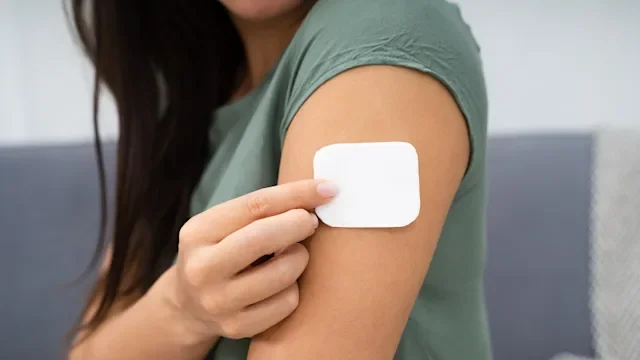
Estradiol comes in many different dosage forms, including oral tablets and vaginal cream, rings, and tablets. It also comes in topical patches, gels, and sprays that are applied to the skin. Vaginal and topical forms of estradiol are covered in separate dosage guides.
Search and compare options
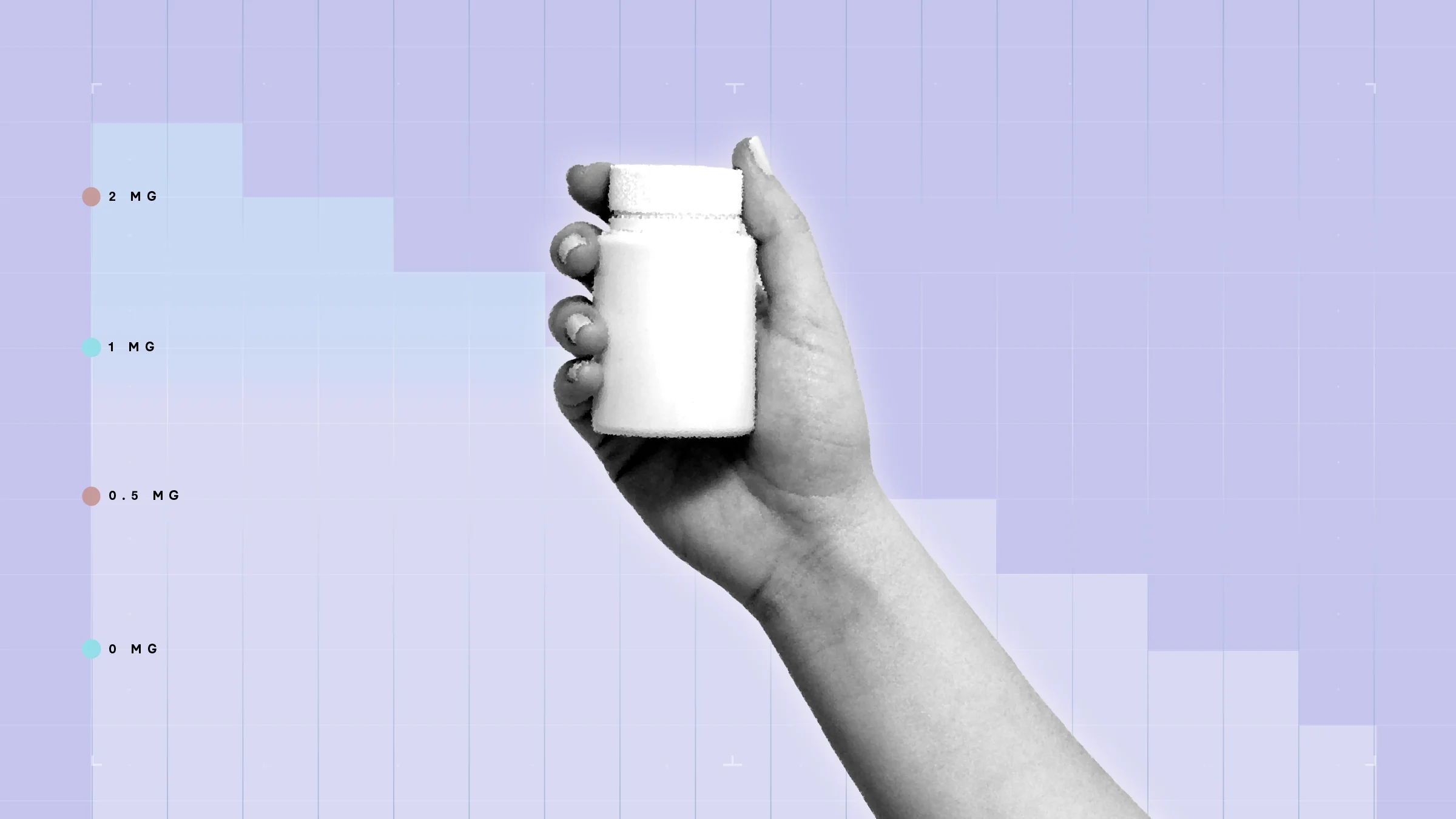
Oral estradiol is available in 0.5 mg, 1 mg, and 2 mg tablets. You can take estradiol tablets with or without food, at any time of day. But it’s best to be consistent with when and how you take your medication.
What’s considered a low dose of estradiol?
When taking estradiol, especially as part of menopausal hormone therapy (previously known as hormone replacement therapy), you may hear that a lower dose is better. That’s because risks and side effects seem to be more likely with higher doses of estradiol.
Generally, 0.5 mg of oral estradiol is considered “low-dose” estradiol. And a “standard” estradiol dose is 1 mg. But keep in mind that the goal of estradiol treatment is to relieve your symptoms. So it’s recommended to start with a low daily dose and slowly increase it until you find the lowest estradiol dosage that works for you.
What’s the typical oral estradiol dosage for adults?
The recommended estradiol tablet dosage depends on the purpose of treatment. There are several approved uses for estradiol tablets.
Menopause symptoms (vaginal irritation, hot flashes, and night sweats)
Some types of menopause symptoms, including vasomotor symptoms such as hot flashes and night sweats, affect the whole body. Menopause can also cause changes to the vagina, including vaginal thinning, dryness, and irritation. Painful sex can also be an issue. Estradiol tablets are approved to treat moderate-to-severe vasomotor and vaginal symptoms of menopause.
The recommended oral estradiol tablet dosage for menopause symptoms is 1 mg to 2 mg by mouth once daily for 21 days, followed by no tablets for 7 days. But many prescribers opt for continuous treatment (1 tablet every day, with no 7-day break). Your prescriber will let you know which dosage schedule is best for you.
As mentioned, taking the lowest effective estradiol dosage is recommended. So your prescriber may prefer to start you with a lower estradiol dosage and increase it slowly over time based on your response. Once you start taking estradiol tablets, your prescriber will likely check in every 3 to 6 months to see if you still need the medication. It’s best to take estradiol for the shortest amount of time needed.
Good to know: If you have a uterus, it’s recommended to take a progestin along with estradiol for menopause symptoms. This helps lower the risk of uterine cancer caused by estrogen treatment.
Low estrogen levels
In cases where low estrogen levels are caused by a condition other than menopause, estradiol tablets are approved to restore levels. The recommended estradiol tablet dosage for low estrogen levels is 1 mg to 2 mg by mouth once daily. It’s best to take the lowest effective daily dose possible. So your prescriber may start you at a lower dose and slowly raise it as needed.
Osteoporosis
The oral estradiol dosage for preventing osteoporosis is typically 1 mg to 2 mg once daily. But there isn’t an exact manufacturer-recommended dosage. The right dosage for you will depend on several different factors, including your needs and medical history.
Good to know: Oral estradiol isn’t considered a first-choice option for preventing osteoporosis in women after they’ve gone through menopause. Other treatments, such as bisphosphonates, are preferred.
Breast cancer
High doses of estradiol are sometimes used to help manage the symptoms of certain types of breast cancer. The recommended estradiol dosage for breast cancer treatment is 10 mg by mouth 3 times a day for at least 3 months.
Prostate cancer
Oral estradiol tablets are also approved to help manage the symptoms of certain types of prostate cancer. The approved estradiol dosage for prostate cancer treatment is 1 mg to 2 mg by mouth 3 times a day.
Feminizing hormone therapy
Oral estradiol tablets are sometimes used as part of estrogen-based GAHT. They aren’t FDA approved for this, so it’s considered an off-label use. The recommended oral estradiol dosage for feminizing hormone therapy is 2 mg to 4 mg daily. Your prescriber may raise your dosage, up to 8 mg per day, based on your response.
What happens if you miss a dose of estradiol?
If you miss a dose of estradiol, take it as soon as you remember. But if it’s almost time for your next dose, skip the missed one. It’s best not to double up on your doses, unless your healthcare team tells you to do so.
If you’re taking estradiol tablets on a 21-day-on, 7-day-off cycle, and you forget to stop or start taking them on the scheduled day, it’s best to reach out to your prescriber or pharmacist. They can help you get back on schedule safely.
If keeping track of your estradiol doses becomes challenging for you, consider setting a calendar alert or using a reminder app on your phone to help. You can also talk with your prescriber about other forms of estradiol that may be easier to use.
What should you do if you take too much estradiol?
If you accidentally take an extra estradiol tablet, it’s unlikely to cause you serious harm. But large doses of estradiol can lead to uncomfortable symptoms such as:
Abdominal pain
Drowsiness
Fatigue
Nausea
Vomiting
Vaginal bleeding
If you or a loved one takes too much estradiol, contact a healthcare professional or call Poison Control at 1-800-222-1222. They’ll let you know what the best course of action is.
How to save on estradiol tablets
Oral estradiol tablets are only available as a lower-cost generic medication. GoodRx can help you find ways to save on your prescription:
Save with a GoodRx discount. You could pay as little as $9.00 for 30 estradiol 1 mg tablets with a free GoodRx discount.
Save with GoodRx Companion. You can access discounted prescription medications with a GoodRx Companion subscription. Over 250 medications (including some estradiol tablets) are available for free, with hundreds more for under $10. The program also includes benefits to help you cut your self-pay costs, such as lower prices for online care visits, discounts on dental care, and other health service savings.
The bottom line
Estradiol is a lab-made form of estrogen that’s most often prescribed for menopause symptoms and low estrogen levels. The recommended oral estradiol dosage for menopause symptoms is 1 mg to 2 mg daily. It’s best to take the lowest effective dose for the shortest time possible to minimize risks and side effects.
Estradiol tablets are also prescribed off-label as part of estrogen-based gender-affirming hormone therapy (GAHT). The typical estradiol dosage for GAHT is 2 mg to 4 mg by mouth daily.

Why trust our experts?




References
Arnautu, A. M., et al. (2025). Menopausal hormone therapy—risks, benefits and emerging options: A narrative review. International Journal of Molecular Sciences.
Breastcancer.org. (2017). North American Menopause Society updates position statement on hormone therapy, says benefits outweigh risks for some women.
Carlson, K., et al. (2025). Hormone replacement therapy. StatPearls.
Lees, B., et al. (2014). The prevention of osteoporosis using sequential low-dose hormone replacement therapy with estradiol-17β and dydrogesterone. Osteoporosis International.
Lobo, R. A., et al. (2016). Back to the future: Hormone replacement therapy as part of a prevention strategy for women at the onset of menopause. Atherosclerosis.
MedlinePlus. (2025). Estrogen overdose.
MedlinePlus. (2026). Estrogen.
Redpharm Drug. (2026). Estradiol - estradiol tablet [package insert].
Stevenson, J., et al. (2022). Prevention and treatment of osteoporosis in women. Post Reproductive Health.
Stuenkel, C. A., et al. (2015). Treatment of symptoms of the menopause: An Endocrine Society clinical practice guideline. The Journal of Clinical Endocrinology & Metabolism.
Tomlins, L. (2019). Prescribing for transgender patients. Australian Prescriber.
Valdes, A., et al. (2025). Estrogen therapy. StatPearls.