ertapenem
Ertapenem sodium, also known by its brand name Invanz, is a carbapenem antibiotic that treats several types of bacterial infections, including pneumonia, stomach infections, and urinary tract infections (UTIs). It's an injection that's given into the veins (IV) or into the muscle (IM) for people in the hospital. But it can sometimes also be given outside of the hospital, such as at an infusion center, for those who need long-term antibiotic treatment. The dose is given twice per day for younger children and once per day for older children and adults. Side effects aren't common but can include diarrhea, nausea, and vomiting.


What is Ertapenem (Invanz)?
What is Ertapenem (Invanz) used for?
- Serious stomach infection
- Serious skin infection (e.g., cellulitis, diabetic foot infection)
- Pneumonia
- Serious urinary tract infection (UTI), including those affecting the kidneys
- Pelvic infection
- Prevention of infection from colorectal surgery
How Ertapenem (Invanz) works
Ertapenem (Invanz) is a carbapenem antibiotic. It kills bacteria by preventing them from making their own protective covering.
Drug facts

Side effects of Ertapenem (Invanz)
The following side effects may get better over time as your body gets used to the medication. Let your healthcare provider know immediately if you continue to experience these symptoms or if they worsen over time.
Common Side Effects
- Diarrhea (6%)
- Nausea (3%)
- Headache (2%)
- Vaginal irritation in females (2%)
Less Common Side Effects
- Stomach pain
- Vomiting
- Dizziness
- Shortness of breath
- Itching
- Rash
Ertapenem (Invanz) serious side effects
Contact your healthcare provider immediately if you experience any of the following.
- Serious allergic reaction: hives, rash, blisters, skin reddening, swelling of the lips or tongue, trouble breathing
- Side effects affecting the nervous system: hallucinations (seeing or hearing things that aren't real), seizures, sudden and brief involuntary movements or twitching, not able to speak, confusion
- Infectious diarrhea (C. difficile-related diarrhea): fever, stomach pain or cramps, foul-smelling diarrhea, frequent bowel movements (up to 15 times per day)
The following Ertapenem (Invanz) side effects have also been reported
Along with its needed effects, a medicine may cause some unwanted effects. Although not all of these side effects may occur, if they do occur they may need medical attention.
Check with your doctor immediately if any of the following side effects occur:
More common
blistering
burning
coldness
discoloration of skin
feeling of pressure
infection
inflammation
itching skin
lumps
numbness
redness of skin
skin rash
soreness
stinging
swelling
tenderness
tingling
ulceration
unusually warm skin
Less common
Bluish color changes in skin color
dry, red, hot, or irritated skin
fast, pounding, or irregular heartbeat or pulse
pain, tenderness, or swelling of foot or leg
Rare
Abdominal or stomach cramps
abdominal tenderness
convulsions
diarrhea, watery and severe, which may also be bloody
fainting or loss of consciousness
fast or irregular breathing
increased thirst
loss of bladder control
muscle spasm or jerking of all extremities
sudden loss of consciousness
swelling of eyes or eyelids
tightness in chest
trouble in breathing
unusual tiredness or weakness
unusual weight loss
vomiting
Some side effects may occur that usually do not need medical attention. These side effects may go away during treatment as your body adjusts to the medicine. Also, your health care professional may be able to tell you about ways to prevent or reduce some of these side effects. Check with your health care professional if any of the following side effects continue or are bothersome or if you have any questions about them:
Less common
Acid or sour stomach
belching
blurred vision
body aches or pain
congestion
difficult or labored breathing
difficulty having a bowel movement (stool)
dizziness
dryness or soreness of throat
faintness or lightheadedness when getting up from a lying or sitting position
fear
flushing
hoarseness
indigestion
itching of the vagina or genital area
lack or loss of strength
leg pain
nervousness
pain during sexual intercourse
pounding in the ears
slow heartbeat
sore mouth or tongue
stomach discomfort, upset, or pain
sudden sweating
tender, swollen glands in neck
thick, white vaginal discharge with no odor or with a mild odor
tightness in chest
trouble sleeping
unable to sleep
voice changes
white patches in mouth and/or on tongue
Other side effects not listed may also occur in some patients. If you notice any other effects, check with your healthcare professional.
Call your doctor for medical advice about side effects. You may report side effects to the FDA at 1-800-FDA-1088.

Get your GoodRx coupon

Pros and cons of Ertapenem (Invanz)
Pros
- Works well to treat many different bacterial infections, including some caused by bacteria that are resistant to other antibiotics
- Taken once a day for people ages 13 years and older
- Available as a lower-cost generic
Cons
- Only available as an injection
- Might not be able to use if you're allergic to penicillin or cephalosporin antibiotics
- Possible risk of hypoglycemia (low blood sugar) and certain nervous system problems (e.g., seizures, confusion)

Pharmacist tips for Ertapenem (Invanz)

- Before you get treated with ertapenem (Invanz), be sure your healthcare team knows about your allergies, especially allergies to penicillins, cephalosporins, or any other antibiotics. You might also be at risk of having an allergic reaction to ertapenem (Invanz).
- Before starting ertapenem (Invanz), your healthcare team will check that the antibiotic will work against the bacteria that's causing your infection. Taking ertapenem (Invanz) or other antibiotics when they aren't necessary can cause the bacteria to become resistant to medications, which can make your infection much harder to treat.
- Ertapenem (Invanz) can cause diarrhea. In general, it should go away when you stop taking the antibiotic. But get medical help if you start having watery or bloody diarrhea, fever, fatigue, or stomach cramps anytime during treatment or after stopping ertapenem (Invanz). These can be signs of infectious diarrhea that can be serious and it needs to be treated right away.
- Make sure your healthcare team is aware of all your current medications, especially if you're taking probenecid, valproic acid, or divalproex (Depakote). Probenecid can raise the levels of the antibiotic in your blood and raise your risk for side effects. Ertapenem (Invanz) can lower the levels of valproic acid and divalproex (Depakote) and put you at risk for seizures.
- Your prescriber might order blood tests to make sure you're not having side effects during your treatment with ertapenem (Invanz). These blood tests check your liver health, kidney health, and blood cell counts. Based on your results, your prescriber will decide whether it's safe for you to continue ertapenem (Invanz) or not.
- Tell your healthcare team if you develop other symptoms of an illness or if your symptoms get worse. You might need other treatment that can fight against your infection better.

Common questions about Ertapenem
No, Ertapenem doesn't cover or fight against the Pseudomonas bacteria. Other antibiotics that are typically used to treat bacterial infections caused by Pseudomonas include meropenem (Merrem), Zosyn (piperacillin / tazobactam), and cefepime (Maxipime).
Ertapenem is a carbapenem antibiotic, not a penicillin. But Ertapenem and penicillin are related because they have similar chemical structures. Ertapenem and penicillin are both categorized under the broader drug class called beta-lactam antibiotics.
Maybe. Ertapenem and penicillin have similar chemical structures. Because of this similarity, there's a possible but low chance of having an allergic reaction to Ertapenem if you have a penicillin allergy. The prescriber will decide to treat your infection with Ertapenem based on how severe your reaction to penicillin was in the past. It's probable that the prescriber will use Ertapenem if you had a mild reaction (like rash or itchiness). In this case, the healthcare team will watch closely for allergic reactions while you get treated. But the prescriber might decide to use a different kind of antibiotic if you had a severe reaction (like facial swelling, closing of the throat, or anaphylaxis).
In people ages 13 years and older, it takes about a day for most of Ertapenem to leave the body after a dose (it leaves the body quicker in younger children). The kidneys help the body get rid of the medication. So when the kidneys aren't working as well as they should like in people with kidney problems, it can take longer for the body to remove Ertapenem.
A healthcare professional will typically help prepare and administer the Ertapenem IV infusion. It's prepared by mixing a diluent (liquid) with the powdered medication to make a solution. Then, the medication is injected into an IV bag and administered as a 30-minute infusion through the veins.
Yes, Ertapenem can be given as an injection into the muscle (IM), typically into a large muscle like the buttock or thigh. In general, an IM injection is faster to give than an IV infusion, but it can be more painful. Your prescriber will decide whether an IM injection of Ertapenem is appropriate for you.
Hypoglycemia (low blood sugar) wasn't a side effect of Ertapenem that was reported in clinical studies. But a study that reviewed voluntary reports from the public to the FDA about side effects from antibiotics found that Ertapenem might cause blood sugar levels to drop. If you have diabetes and are prescribed Ertapenem, make sure you know how to manage low blood sugar just in case it happens to you. Let your primary care provider know if you experience hypoglycemia after you start Ertapenem.

How to save using GoodRx




Risks and warnings for Ertapenem (Invanz)
Ertapenem (Invanz) can cause some serious health issues. This risk may be even higher for certain groups. If this worries you, talk to your doctor or pharmacist about other options.
Allergic reactions
- Risk factors: Allergy to penicillin or other cephalosporin antibiotics
Allergic reactions to ertapenem (Invanz) are possible. These can include life-threatening reactions like hives, facial swelling, shock, and anaphylaxis (closing of the throat). Tell your healthcare team if you have an allergy to any antibiotics so they can make sure ertapenem (Invanz) is safe for you. Get medical help right away if you notice hives, rash, red skin, swelling of the lips or tongue, or trouble breathing at any time during your treatment with ertapenem (Invanz).
Side effects affecting the nervous system, such as seizure
- Risk factors: History of seizures or problems with the brain | Kidney problems | Taking valproic acid or divalproex sodium
Although rare, some people who were treated with ertapenem (Invanz) reported serious side effects related to the nervous system. They included seizures, delirium, and hallucinations (seeing or hearing things that aren't real). Call 911 or your nurse if you or your loved ones notice any of these side effects. Nervous system side effects from ertapenem (Invanz) usually go away after stopping the medication.
Make sure to tell your healthcare team about your medical conditions and current medications, especially if you've had seizures before or if you're taking valproic acid or divalproex (Depakote). Taking ertapenem (Invanz) with valproic acid or divalproex (Depakote) can put you at higher risk for seizures. Although it's generally not recommended to take the antibiotic with these specific medications, it's okay to continue other anti-seizure medications while you're taking ertapenem (Invanz).
Diarrhea from Clostridioides difficile infection
Antibiotics, including ertapenem (Invanz), raise your risk of getting infected with a bacteria called Clostridioides difficile (C. diff). This is because antibiotics change the amount of normal bacteria in your stomach and intestines. This can cause C. diff to overgrow in your gut and lead to an infection. C. diff infection can cause diarrhea that can sometimes be life-threatening.
This type of infectious diarrhea is different than diarrhea as a possible side effect of ertapenem (Invanz). C. diff-related diarrhea can cause rapid heart rate, fever, nausea, foul-smelling diarrhea, frequent bowel movements (even up to 15 times per day), or bloody stools. It's a medical emergency, so get help right away if you have any of these symptoms at any time during treatment or after you stop the antibiotic. You'll need to get tested for C. diff infection and get treatment, if needed.
Development of drug-resistant bacteria
Your prescriber will monitor your treatment with ertapenem (Invanz) to make sure you're taking the antibiotic for the appropriate infection and amount of time. Using ertapenem (Invanz) for any shorter or longer periods of time or taking the antibiotic for other illnesses can raise your risk for developing infections caused by drug-resistant bacteria. This raises your risk for severe and life-threatening infections that might be hard to treat.

Ertapenem (Invanz) dosage


Typical dosage for Ertapenem (Invanz)
Ertapenem (Invanz) is given as an infusion into the veins (IV) or into the muscle (IM) by a healthcare professional. The length of treatment depends on the type of infection you have.
- Age 13 years and older: The typical dose is 1 gram once a day.
- Age 3 months to under 13 years: The dose depends on your child's body weight. The typical dose is 15 mg/kg of weight twice a day. The maximum dose is 1 gram per day.
Your dose might differ if you have kidney problems.

Interactions between Ertapenem (Invanz) and other drugs
Although certain medicines should not be used together at all, in other cases two different medicines may be used together even if an interaction might occur. In these cases, your doctor may want to change the dose, or other precautions may be necessary. When you are taking this medicine, it is especially important that your healthcare professional know if you are taking any of the medicines listed below. The following interactions have been selected on the basis of their potential significance and are not necessarily all-inclusive.
Using this medicine with any of the following medicines is usually not recommended, but may be required in some cases. If both medicines are prescribed together, your doctor may change the dose or how often you use one or both of the medicines.
- Cholera Vaccine, Live
- Valproic Acid
Using this medicine with any of the following medicines may cause an increased risk of certain side effects, but using both drugs may be the best treatment for you. If both medicines are prescribed together, your doctor may change the dose or how often you use one or both of the medicines.

How much does Ertapenem (Invanz) cost?

Ertapenem (Invanz) contraindications
Contraindications are specific health conditions or situations in which a person should not take a medication due to safety concerns. If you have any of the following conditions or if any of the following apply to you, let your healthcare provider know because Ertapenem (Invanz) will not be safe for you to take.
- Allergy to penicillins, cephalosporins, or other beta-lactam antibiotics
- Allergy to local anesthetics like lidocaine - when given into the muscle only

What are alternatives to Ertapenem (Invanz)?

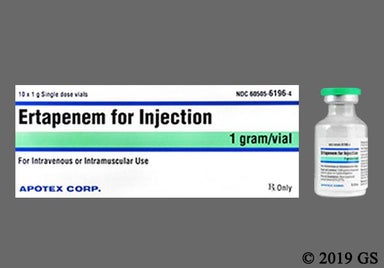
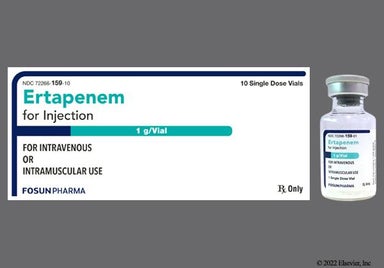
Ertapenem (Invanz) images