


Which Over-the-Counter Medications Can Help Your Cholesterol?
Some over-the-counter (OTC) cholesterol medications can lower your numbers. Here we explore several different OTC remedies, like red yeast rice and fish oil.
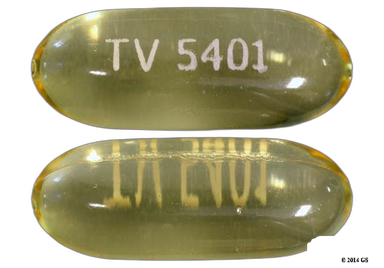
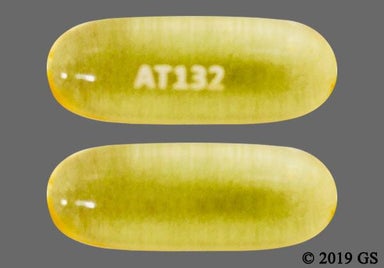
Omega-3-acid ethyl esters (Lovaza) is a prescription omega-3 fatty acid medication used to lower very high triglycerides (TG) levels in adults. It works best when combined with a diet that's low in fat and cholesterol. The medication comes as capsules that are taken by mouth once or twice a day with food. Common side effects include burping, indigestion, and changes in taste.

Omega-3 acids (Lovaza) is made up of two different omega-3 fatty acids, eicosapentaenoic acid (EPA) and docosahexaenoic acid (DHA). How they work to lower triglycerides isn't fully understood. But it's thought to help your liver make less fat and break down more fat. It might also help your body remove triglycerides from your blood.
| Common Brands | Lovaza |
|---|---|
| Drug Class | Omega-3 fatty acid |
| Controlled Substance Classification | Not a controlled medication |
| Generic Status | Lower-cost generic available |
| Availability | Prescription only |

The following side effects may get better over time as your body gets used to the medication. Let your healthcare provider know immediately if you continue to experience these symptoms or if they worsen over time.
Contact your healthcare provider immediately if you experience any of the following.
Side effects that you should report to your care team as soon as possible:
Side effects that usually do not require medical attention (report to your care team if they continue or are bothersome):




Omega-3 acids (Lovaza) can cause some serious health issues. This risk may be even higher for certain groups. If this worries you, talk to your doctor or pharmacist about other options.
Omega-3 acids (Lovaza) can sometimes raise your "bad cholesterol" (LDL) levels. It can also raise certain liver enzyme levels, which might be a sign of liver problems. Your care team will check your cholesterol levels regularly and might order liver blood tests if you have liver problems.
Omega-3 acids (Lovaza) contains omega-3 fatty acids from fish oil. It's not known whether people with fish or shellfish allergies have a higher risk of an allergic reaction to the medication. Tell your prescriber if you have these allergies before starting treatment. Stop taking omega-3 acids (Lovaza) and get emergency medical help if you develop hives, swelling of your face or throat, or trouble breathing.
Omega-3 acids (Lovaza) might raise your risk of having another episode of atrial fibrillation (AFib) or atrial flutter if you've had these conditions before. These are types of irregular heartbeats that can cause a fast or pounding heartbeat, dizziness, or shortness of breath. The risk might be higher during the first 2 to 3 months of treatment.
Tell your prescriber if you have a history of AFib or atrial flutter before starting omega-3 acids (Lovaza). Contact your care team if you notice a fast or irregular heartbeat, dizziness, or shortness of breath.

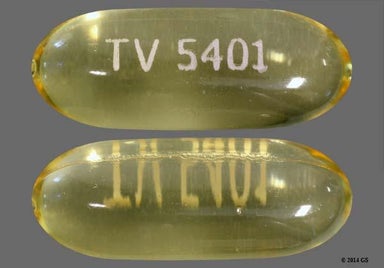
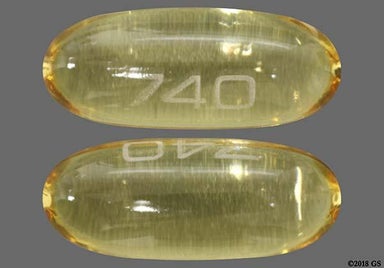
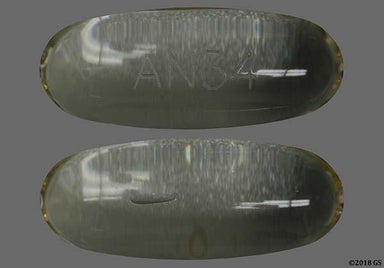
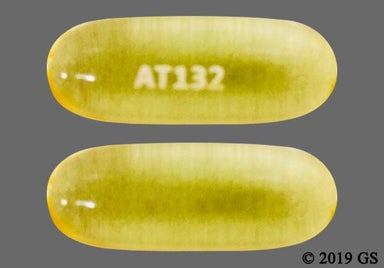
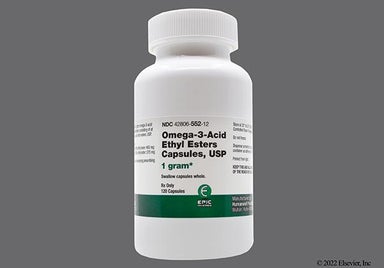
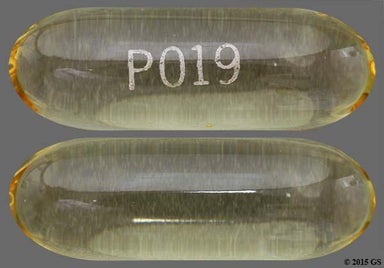
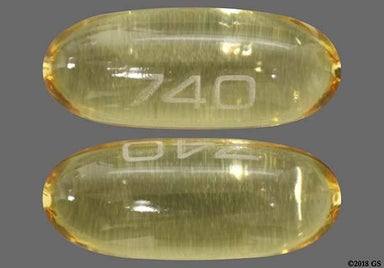
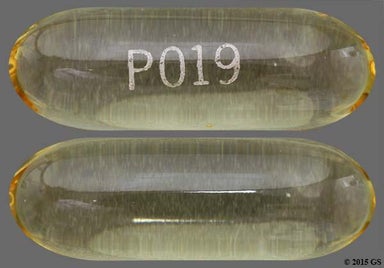
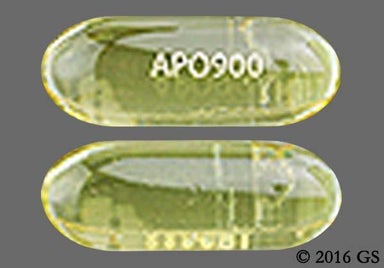
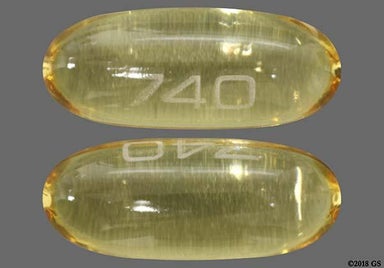
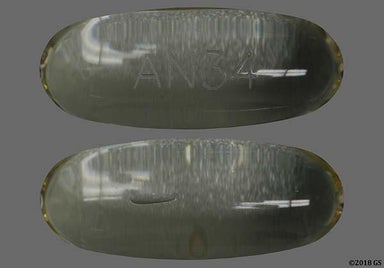
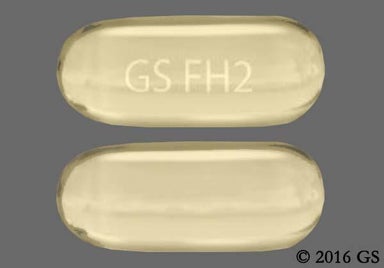
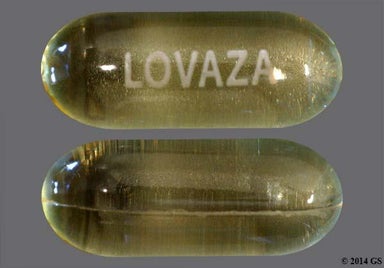
 Capsule
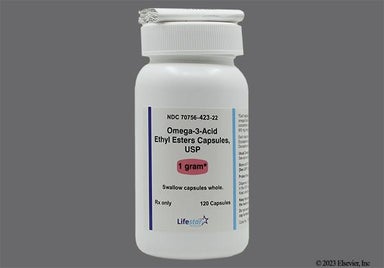
| Dosage | Quantity | Price as low as | Price per unit |
|---|---|---|---|
| 1g | 120 capsules | $33.40 | $0.28 |
The typical dose is 4 grams by mouth daily with food, taken all at once or split into 2 grams twice a day.






Prescription savings
Stop paying too much for your prescriptions. Compare prices, get pharmacy coupons, and save up to 80%. Find expert answers to your health questions so you can make the best decisions for yourself and your family.
Health conditions
Medications & treatment
Access & affordability
Medication discounts


Yes. But Lovaza is different from over-the-counter (OTC) fish oil supplements. While both contain omega-3 fatty acids, OTC fish oil supplements can contain different amounts and forms of EPA and DHA. Lovaza is a prescription medication that's FDA approved to lower triglyceride levels of 500 mg/dL or higher in adults. Unlike OTC supplements, Lovaza must meet strict FDA standards for purity, strength, and quality. Talk to your prescriber if you have more questions about how they compare.
No, weight gain isn't a common or reported side effect of Lovaza in clinical studies. If you notice unexplained weight gain while taking this medication, talk to your prescriber to help figure out the cause.
No, Lovaza isn't a statin, it's a fatty acid. Unlike statins, Lovaza doesn't lower low-density lipoprotein (LDL), or "bad cholesterol." In fact, it can sometimes raise LDL levels. In some cases, your prescriber might recommend taking Lovaza and a statin, depending on your cholesterol levels and risk of heart problems.
No, Lovaza is only available with a prescription from a healthcare professional.
You might be able to take Lovaza with a blood thinner, but your prescriber might monitor you more closely for bleeding. Omega-3 fatty acids can make platelets less sticky, which can affect how your blood clots. But studies haven't shown a clear increase in serious bleeding with omega-3 fatty acids. Talk to your prescriber about whether it's safe for you to take Lovaza with a blood thinner.
Headaches aren't an expected side effect of Lovaza. Talk to your prescriber if you have a headache that's bothersome or doesn't go away. They can review your medications to see what might be causing it and recommend treatment if needed.
Talk to your cardiologist about whether it's safe for you to drink alcohol while taking Lovaza. Alcohol can raise your triglyceride levels, which can make it harder for Lovaza to lower them.
Lovaza and Vascepa are both prescription omega-3 fatty acid medications used to lower high triglycerides, but they have some differences. Lovaza contains EPA and DHA, while Vascepa contains only EPA. Vascepa is also FDA approved to lower the risk of certain heart problems in adults taking statins who have high triglycerides and either heart disease or diabetes with at least 2 heart disease risk factors. Lovaza might lower triglycerides more, but it can also raise "bad cholesterol" (LDL), while Vascepa generally doesn't. Talk to your prescriber if you have questions about how they compare.
