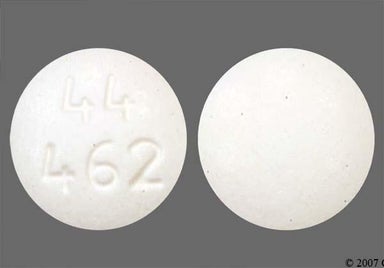
chlorpheniramine / phenylephrine
Chlorpheniramine/phenylephrine is a combination of two medications used to treat allergy symptoms, such as runny or stuffy nose, sneezing, and itchy eyes. It's available over the counter and as a liquid for people who have trouble swallowing pills.


What is Chlorpheniramine/phenylephrine?
What is Chlorpheniramine/phenylephrine used for?
Short-term relief of symptoms due to hay fever (allergic rhinitis):
- Runny nose
- Sneezing
- Itchy or watery eyes
- Itchy nose or throat
- Stuffy nose
- Sinus congestion and pressure
How Chlorpheniramine/phenylephrine works
Chlorpheniramine/phenylephrine is a combination of two medications that treat multiple allergy symptoms.
- Chlorpheniramine is an antihistamine that works by blocking histamine. Histamine is a natural chemical in your body that causes congestion (stuffy nose), runny nose, sneezing, and watery eyes. By blocking histamine, chlorpheniramine helps relieve these symptoms.
- Phenylephrine is a decongestant that works by shrinking your blood vessels so less fluid leaks out. This helps to clear your stuffy nose and pressure in your ears and sinuses.
Drug facts
| Common Brands | Ed A-Hist, NoHist LQ, Suphedrine PE Sinus Plus Allergy |
|---|---|
| Drug Class | Antihistamine / Decongestant |
| Controlled Substance Classification | Not a controlled medication |
| Generic Status | Lower-cost generic available |
| Availability | Over-the-counter |

Side effects of Chlorpheniramine/phenylephrine
The following side effects may get better over time as your body gets used to the medication. Let your healthcare provider know immediately if you continue to experience these symptoms or if they worsen over time.
Common Side Effects
- Drowsiness
- Excitability (especially in children)
Chlorpheniramine/phenylephrine serious side effects
Contact your healthcare provider immediately if you experience any of the following.
- Serotonin syndrome: fast heart rate, sweating, muscle stiffness or spasms, fever, confusion
The following Chlorpheniramine/phenylephrine side effects have also been reported
Side effects that you should report to your care team as soon as possible:
- Allergic reactions—skin rash, itching, hives, swelling of the face, lips, tongue, or throat
- Heart palpitations—rapid, pounding, or irregular heartbeat
- Increase in blood pressure
Side effects that usually do not require medical attention (report to your care team if they continue or are bothersome):
- Anxiety, nervousness
- Headache
- Trouble sleeping

Pros and cons of Chlorpheniramine/phenylephrine
Pros
- Works well to treat allergy and cold symptoms
- Combines two medications for convenience
- Comes in tablets and a liquid
- Available over the counter
- Available as a lower-cost generic
Cons
- Can make you feel sleepy
- Need to take it multiple times per day, since it only lasts about 4 hours
- Need to avoid alcohol while taking it
- Not recommended in people 65 years and older
- Not meant for long-term use

Pharmacist tips for Chlorpheniramine/phenylephrine

- If you're using the liquid, make sure to use the medication dose cup, spoon, or syringe that the product comes with to measure out your dose. Using household kitchen or measuring spoons might cause you to take the wrong amount of chlorpheniramine/phenylephrine.
- Chlorpheniramine/phenylephrine can cause drowsiness. Avoid alcohol or other sedating medications, which can make you more drowsy and less alert. Be careful driving or doing anything that requires you to be alert until you know how this medication affects you.
- Don't use chlorpheniramine/phenylephrine if you're currently using or have used a monoamine oxidase inhibitor (MAOI) in the past 14 days. This combination of medications can raise your risk for a dangerous side effect called serotonin syndrome.
- Don't use chlorpheniramine/phenylephrine to make your child sleepy. It's possible for children who use this medication to become overly excited or energetic. If this happens to your child, speak to your child's provider.
- Stop using chlorpheniramine/phenylephrine and tell your provider if you experience nervousness, dizziness, or trouble sleeping. Also contact your provider if your stuffy nose lasts for more than 7 days, keeps coming back, or if you experience a fever, rash, or headache that won't go away with your symptoms. These could be signs of a more serious condition that can't be treated by chlorpheniramine/phenylephrine.

Risks and warnings for Chlorpheniramine/phenylephrine
Chlorpheniramine/phenylephrine can cause some serious health issues. This risk may be even higher for certain groups. If this worries you, talk to your doctor or pharmacist about other options.
Serotonin syndrome
- Risk factors: Taking other medications that can affect the serotonin levels in your brain
Serotonin syndrome is a rare, but potentially life-threatening condition where there's too much serotonin in the brain. Serotonin is one of the chemicals in your brain responsible for your mood. Chlorpheniramine has the potential to raise serotonin levels in your brain. Your risk of serotonin syndrome goes up if you use chlorpheniramine/phenylephrine with other medications that affect serotonin levels (e.g., antidepressants, lithium, certain medications used to treat Parkinson's disease, MAOIs) or if you take too much chlorpheniramine/phenylephrine. Tell your provider about all medications and over-the-counter products you take before starting chlorpheniramine/phenylephrine so they can check for any interactions. Symptoms of too much serotonin include a fast heart rate, sweating, muscle stiffness or spasms, fever, and confusion. Contact your healthcare provider or seek medical help right away if you have any of these symptoms.
Driving impairment
- Risk factors: Taking with alcohol | Taking other medications that make you less alert
Chlorpheniramine/phenylephrine can lower your ability to focus, think, and react. Your risk is higher when drinking alcohol or taking other medications that make you drowsy or less alert (e.g., benzodiazepines, opioids). Be careful and avoid activities that require you to be alert, such as driving a car or operating machinery, until you know how this medication affects you.
Worsening of certain medical conditions
- Risk factors: Heart problems | High blood pressure | Glaucoma | Thyroid problems | High blood sugar (diabetes) | Breathing problems | Trouble urinating
Chlorpheniramine/phenylephrine can make certain medical conditions worse. Make sure to discuss your medical history with your provider. Let your provider know if you have heart problems, high blood pressure, glaucoma, thyroid problems, diabetes, breathing problems, or trouble urinating before using this medication. They will make sure chlorpheniramine/phenylephrine is safe for you to take.

Chlorpheniramine/phenylephrine dosage
 Tablet
| Dosage | Quantity | Price as low as | Price per unit |
|---|---|---|---|
| 4mg/10mg | 24 tablets | $11.16 | $0.47 |

How much does Chlorpheniramine/phenylephrine cost?
$11.16

Chlorpheniramine/phenylephrine contraindications
Contraindications are specific health conditions or situations in which a person should not take a medication due to safety concerns. If you have any of the following conditions or if any of the following apply to you, let your healthcare provider know because Chlorpheniramine/phenylephrine will not be safe for you to take.
- Currently take an MAOI or have taken an MAOI in the last 14 days

What are alternatives to Chlorpheniramine/phenylephrine?
Short-term relief of symptoms due to hay fever (allergic rhinitis):

Chlorpheniramine/phenylephrine images