Key takeaways:
The FDA requires medication manufacturers to set expiration dates for their products. A medication may still work and be safe after it’s expired, but there’s no guarantee that this is true.
The main reason to avoid using expired medications is that there’s no guarantee they’ll be potent enough to work the way they’re supposed to. Some expired liquid or sterile medications can also become contaminated with bacteria. In rare cases, an expired medication may become toxic due to chemical breakdown.
Storing your prescriptions and over-the-counter medications according to the instructions on their labels can help them stay safe and effective until their expiration date. Once expired, it’s best to dispose of medications at a drug take-back location.
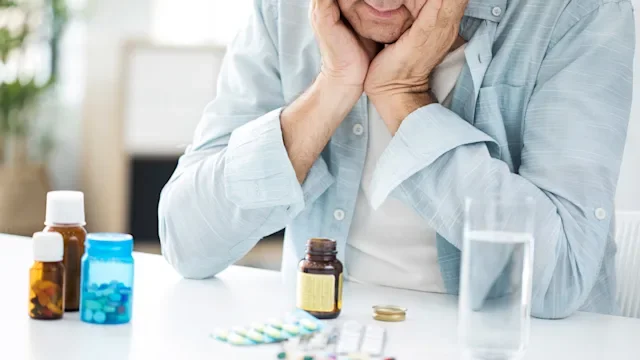
When was the last time you looked through your medicine cabinet? If it’s been more than a few months, you may find expired medications. So what do you do with them? While some medications simply won’t work as well after expiring, others can be dangerous to take.
Generally, it’s a good idea to avoid taking any prescription or over-the-counter (OTC) medications after their printed expiration date. Always consult with a healthcare professional before taking something that has expired.
Is your medication still safe to take past the expiration date?
It’s unlikely that a medication will harm you if you take it after its expiration date. As we’ll discuss below, only tetracycline (an antibiotic) is known to be toxic after it expires. Others can become contaminated with harmful germs, just like foods and drinks can. But even if expired medications aren’t dangerous, you might want to think twice before taking them.
Search and compare options
Some people believe that medications are still effective after their expiration date. There may be some truth to this. In fact, testing on certain expired prescription medications shows it’s fairly common for them to retain much of their effectiveness. This is especially true for solid medications, such as tablets and capsules. These tend to be more stable than liquids once their expiration date has passed. But the FDA clearly states that you shouldn’t use expired medications because of potential risks.
There’s no way to know if the medications you have at home are still effective after they’ve expired. For example, one 2006 study conducted by the U.S. military found that some expired medications retained their potency for a year or more after the expiration date had passed. But the degree of potency varied from batch to batch.
Taking a medication that might not work can be especially risky with some medications — such as blood thinners used to treat blood clots — because reduced effectiveness can lead to serious health complications.
How long can you use medicine after the expiration date?
Ideally, you shouldn’t take or use medication at all after the expiration date passes.
As we’ll explain below, there’s no guarantee that it will work as well as expected after this date. And taking medication that’s not fully effective could lead to serious health consequences.
It’s best to talk to a healthcare professional before taking or using expired medications — even if the date recently passed.
What are expiration dates, and why are they important to pay attention to?
According to the FDA, a medication’s expiration date is defined as “the time period during which the product is known to remain stable, which means it retains its strength, quality, and purity when it is stored according to its labeled storage conditions.”
Expiration dates are assigned to:
Prescription medications
OTC medications
Vitamins
Other dietary supplements
Herbal products
Since 1979, the FDA has required expiration dates on prescription and OTC medications to help improve medication safety. But it’s the medication’s manufacturer that sets the initial expiration date, based on testing of products stored according to the label’s instructions. This means expiration dates only apply to a medication when it’s stored as recommended.
Expiration dates can sometimes be updated or extended after additional long-term stability testing has been done. However, this is usually limited to situations involving federally stockpiled medications or at times of drug shortages.
What happens when you take expired medicine?
The answer to this question varies depending on what the medication is. Most expired medicines aren’t harmful. But they may not work as well as they should.
Some medications, especially those taken to treat or prevent emergency health issues, should always be taken before the manufacturer’s expiration date. All medications can break down after expiring. But even a slightly lower amount of an active ingredient can be serious with critical medications, such as:
Nitroglycerin (Nitrostat)
Epinephrine (EpiPen, Auvi-Q, neffy)
There’s also a risk that liquid or sterile medications can become contaminated. For example, oral liquid antibiotics or eye drops could contain harmful bacteria after they expire.
The table below details what can happen after certain medications pass their expiration dates.
Medication | What it’s used to treat | What happens after the expiration date |
Nitroglycerin | Chest pain and heart attacks | Very sensitive to heat and moisture. Breaks down quickly and could fail to stop a heart attack. |
Insulin | Breaks down quickly after the expiration date, making it less effective. This can lead to high blood glucose (blood sugar) levels. | |
Epinephrine | Life-threatening allergic reactions, such as anaphylaxis | Breaks down quickly after the expiration date and may not work to stop allergic reactions. |
Oral liquid antibiotics | Bacterial infections | Can become contaminated with bacteria after their expiration date. Could make you sicker and may fail to treat your current infection. |
Eye drops | Various eye conditions and illnesses | Can become contaminated with bacteria and lead to eye infections, such as pink eye (conjunctivitis). |
Birth control | Pregnancy prevention, menstruation regulation, acne, and other hormone-related conditions | Lower effectiveness could lead to unplanned pregnancies, breakthrough bleeding, and spotting. |
What common medications are toxic when expired?
Currently, only the antibiotic tetracycline is known to be toxic when expired.
In several reported cases, expired tetracycline has caused Fanconi syndrome. This is a rare form of kidney damage that prevents electrolytes from being absorbed by the body. For this reason, you should never take expired tetracycline.
This problem hasn’t been seen with other medications in the same class as tetracycline, such as doxycycline (Doryx) or minocycline (Minocin).
What about popular OTC medications like ibuprofen and Tylenol?
Now, you may be asking yourself, “Does ibuprofen expire?” And, the answer is yes. All medications, even those available OTC, have expiration dates. But it’s unlikely that they’ll harm you if you take them past that date. Though, they may not work as well — or at all — to alleviate your symptoms.
Some other common OTC medications that have expiration dates include:
Acetaminophen (Tylenol)
Diclofenac sodium gel (Voltaren gel)
Diphenhydramine (Benadryl)
Fluticasone propionate (Flonase)
Loratadine (Claritin)
Pseudoephedrine (Sudafed)
Similar to prescription medications, expired liquid or sterile OTC products (such as eye drops) may contain harmful bacteria. Expired OTC medications could also be especially risky if they’re used to treat chronic or serious conditions. For example, aspirin can be taken daily to prevent heart problems and may not work properly after its expiration date has passed. Taking expired aspirin in this situation could raise your risk of serious health issues, such as a stroke.
It’s best to discard expired products and always check the expiration dates on the label before buying or using any OTC medications.
How to store medications to ensure their effectiveness and longevity
Storing medications properly will help them remain safe and effective up until their expiration date. Heat, light, and moisture are the biggest factors that affect the breakdown of medications. Most prescription and OTC medications should be stored in a cool, dry location, such as:
An upper kitchen cabinet that’s not directly near a heat source, such as an oven
A dresser drawer
A closet shelf
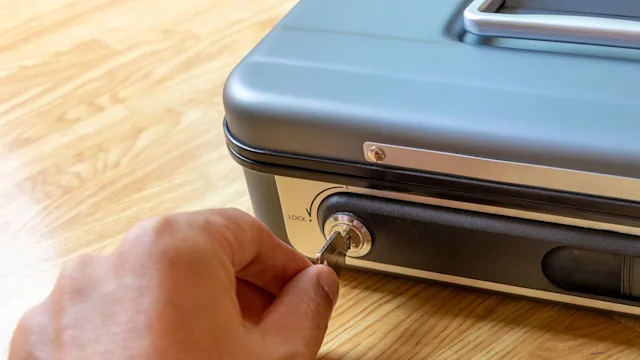
A storage box or medication lockbox
Avoid storing your medications in a bathroom cabinet. They could break down faster than usual in high-moisture, high-temperature environments.
Some medications have different storage requirements. For example, some oral liquid antibiotics and insulins may need to be stored in the refrigerator. But you should avoid freezing them or storing them too close to the cooling element in the fridge. Other medications may need to be stored in their original, unopened containers. Read the labeling on your medication carefully for storage instructions, and contact your pharmacist if you’re unsure.
How to properly dispose of expired medications
If you do have expired medications, there are several ways you can get rid of them. Disposing them at a drug take-back location is the safest option. Many health systems, police departments, and community pharmacies offer unused medication drop boxes. You can simply place any medications you want to dispose of in the bin and be on your way.
The federal Drug Enforcement Administration (DEA) sponsors National Drug Take-Back Days. Twice a year, extra drop-off locations are available to dispose of unwanted medications. These take-back days typically happen at the end of April and October annually. You can also search for a year-round medication disposal location near you on the DEA website.
For more detailed information, check out another GoodRx Health article on how to safely dispose of expired or unused medications.
Do written prescriptions expire?
Yes, written prescriptions expire. When your prescriber sends in a prescription to your pharmacy, you usually have up to 1 year to fill the prescription before it expires in most states. The exception to this is prescriptions for controlled substances, which may only be valid for 6 months or less, depending on state laws.
If you try to fill a medication with an expired prescription, your pharmacy will tell you that you need a new prescription from your prescriber. They can often request a new prescription on your behalf, especially for routine medications that you’ve filled with them before.
Keep in mind that the expiration date for your prescription order is based on state and federal laws. The expiration date for the medication itself is set by the manufacturer and may be sooner or later than the prescription expiration. Ask your pharmacist to show you where the expiration date is on your prescription label so you’ll know how long it’s safe to keep taking it.
Frequently asked questions
If you’re taking expired medication by mouth, it could potentially affect your entire body. Once your body absorbs the medication, it circulates through your bloodstream. But some medications affect one organ more than others, such as the liver or kidneys. A healthcare professional can provide more detailed information on which organs your medication affects.
Ideally, no, you shouldn’t take medications after their expiration date, even in an emergency. Most expired drugs lose some potency and may not work as well (or at all). But it’s possible your prescriber may tell you taking expired medications in an emergency is better than not using anything.
For example, expired epinephrine might not work to stop a serious allergic reaction. But if it’s the only epinephrine available, your prescriber may say it’s better to use it than nothing at all. In any case, if you’re having severe or life‑threatening symptoms, call 911 or go to the ER right away.
It’s best not to take or use any expired medications. But you also shouldn’t throw them in your normal trash or flush them down the toilet. You should take expired medications to a medication drop-off location.
Usually not. Currently, the only medication that’s known to cause harm after its expiration date is the antibiotic tetracycline. But some products, such as oral liquid antibiotics and eye drops could become contaminated with bacteria or fungi after their expiration date. And this contamination could make you sick.
It’s a good idea to call your prescriber or pharmacist if you accidentally take expired medication. They can let you know if you should be evaluated for potential complications. They’ll also likely suggest discarding your expired product and getting a new one to have on hand.
The expiration date marks the end of a medication’s shelf life. An expiration date on a medication tells you how long its safety and efficacy is guaranteed when stored as recommended. This date is based on stability testing of a medication. “Shelf life” is a broader term for the amount of time a product is expected to remain stable and usable while it’s being stored.
Tetracycline is the only medication known to become toxic after expiration. When it breaks down, it can form toxic compounds that have been linked to Fanconi syndrome, a rare type of kidney damage. This breakdown happens slowly, so it’s not a concern with properly stored, non‑expired tetracycline. Although this risk hasn’t been seen with other antibiotics in the same class, such as doxycycline or minocycline, using expired antibiotics is never a good idea.
Expiration dates are very reliable for telling you how long a medication will maintain its safety and efficacy when properly stored. But they can’t tell you exactly how long a product will keep working beyond that date. Even if a medication still works after expiration, there’s no practical way to know for sure whether that’s true for the specific product you have at home.
If you’re taking expired medication by mouth, it could potentially affect your entire body. Once your body absorbs the medication, it circulates through your bloodstream. But some medications affect one organ more than others, such as the liver or kidneys. A healthcare professional can provide more detailed information on which organs your medication affects.
Ideally, no, you shouldn’t take medications after their expiration date, even in an emergency. Most expired drugs lose some potency and may not work as well (or at all). But it’s possible your prescriber may tell you taking expired medications in an emergency is better than not using anything.
For example, expired epinephrine might not work to stop a serious allergic reaction. But if it’s the only epinephrine available, your prescriber may say it’s better to use it than nothing at all. In any case, if you’re having severe or life‑threatening symptoms, call 911 or go to the ER right away.
It’s best not to take or use any expired medications. But you also shouldn’t throw them in your normal trash or flush them down the toilet. You should take expired medications to a medication drop-off location.
Usually not. Currently, the only medication that’s known to cause harm after its expiration date is the antibiotic tetracycline. But some products, such as oral liquid antibiotics and eye drops could become contaminated with bacteria or fungi after their expiration date. And this contamination could make you sick.
It’s a good idea to call your prescriber or pharmacist if you accidentally take expired medication. They can let you know if you should be evaluated for potential complications. They’ll also likely suggest discarding your expired product and getting a new one to have on hand.
The expiration date marks the end of a medication’s shelf life. An expiration date on a medication tells you how long its safety and efficacy is guaranteed when stored as recommended. This date is based on stability testing of a medication. “Shelf life” is a broader term for the amount of time a product is expected to remain stable and usable while it’s being stored.
Tetracycline is the only medication known to become toxic after expiration. When it breaks down, it can form toxic compounds that have been linked to Fanconi syndrome, a rare type of kidney damage. This breakdown happens slowly, so it’s not a concern with properly stored, non‑expired tetracycline. Although this risk hasn’t been seen with other antibiotics in the same class, such as doxycycline or minocycline, using expired antibiotics is never a good idea.
Expiration dates are very reliable for telling you how long a medication will maintain its safety and efficacy when properly stored. But they can’t tell you exactly how long a product will keep working beyond that date. Even if a medication still works after expiration, there’s no practical way to know for sure whether that’s true for the specific product you have at home.
The bottom line
Overall, it’s best to only use medications before their expiration date passes. While some products may still be effective for a year or more after their expiration date, there’s no sure way to know if expired medications are still working properly. Always speak with a healthcare professional before taking an expired medication. Storing medications as recommended on the label, and disposing of expired items properly, are essential for ensuring medication safety in your home.

Why trust our experts?



References
Beery, S., et al. (2019). Can medications become harmful after the expiration date? Nursing.
Cantrell, L., et al. (2012). Stability of active ingredients in long-expired prescription medications. Archives of Internal Medicine.
Code of Federal Regulations. (2026). Section 1306.22 Refilling of prescriptions.
Davido, B., et al. (2024). Efficacy of expired antibiotics: A real debate in the context of repeated drug shortages. Antibiotics.
Drug Enforcement Administration. (n.d.). Take Back Day.
Gikonyo, D., et al. (2019). Drug expiry debate: The myth and the reality. African Health Sciences.
Lyon, R. C., et al. (2006). Stability profiles of drug products extended beyond labeled expiration dates. Journal of Pharmaceutical Sciences.
Montoliu, J., et al. (1981). Lactic acidosis and Fanconi's syndrome due to degraded tetracycline. The BMJ.
U.S. Food and Drug Administration. (2024). Disposal of unused medicines: What you should know.
U.S. Food and Drug Administration. (2024). Don’t be tempted to use expired medicines.
U.S. Food and Drug Administration. (2025). Expiration dates - Questions and answers.
Zilker, M., et al. (2019). A systematic review of the stability of finished pharmaceutical products and drug substances beyond their labeled expiry dates. Journal of Pharmaceutical and Biomedical Analysis.