Key takeaways:
There are several highly anticipated treatments that may be FDA approved throughout 2026. This includes novel drugs that haven’t been marketed before and existing medications that could be approved for new uses and in new formulations.
Some of the medications pending approval for new uses, populations, or doses are Wegovy (semaglutide), Afrezza (inhaled insulin), and Saphnelo (anifrolumab). Treatments seeking first-time approvals include CagriSema (cagrilintide / semaglutide), ensitrelvir, and Anaphylm (epinephrine film).
As the FDA accepts more drug applications for review throughout the year, additional medications may be up for approval in 2026.
During 2025, the FDA approved several notable new drugs and vaccines — from a new opioid alternative for pain to the first new oral antibiotic class for uncomplicated urinary tract infections in decades. And looking ahead to 2026, there are several other innovative “firsts” on the way.
Some anticipated FDA approvals involve new medications that aren’t currently on the market. The FDA may also choose to expand certain existing medications’ uses, approving them for new health conditions, age groups, or formulations. Below, we cover potential FDA approvals to watch for in 2026.
Summary of upcoming 2026 FDA approvals
After the FDA accepts an application for a new drug, new biologic, or existing treatment seeking a new use, a Prescription Drug User Fee Act (PDUFA) date is usually issued. The PDUFA date is when the FDA estimates it will be able to respond to the application. Sometimes, the FDA has an advisory committee meet to issue a recommendation before making its decision. The FDA usually goes along with the committee’s recommendation — but not always.
In the table below, we summarize the PDUFA and advisory committee dates for several notable FDA approvals that could happen in 2026. In the following sections, we’ll review each one in greater detail.
Drug, vaccine, or therapy | New or additional use(s) or dose(s) | PDUFA date or expected date |
|---|---|---|
Ozempic (semaglutide) | Additional use: Peripheral artery disease (PAD) | By the end of 2025 (not approved yet) |
Wegovy (semaglutide) injection | Additional use: Heart failure with preserved ejection fraction (HFpEF) | By the end of 2025 (not approved yet) |
Anaphylm (sublingual epinephrine) | New medication: Sublingual epinephrine film for Type 1 allergic reactions | FDA response issued; plan to refile as early as 3Q2026 |
Afrezza (inhaled insulin) | Additional age group: Children ages 4 years and older with diabetes | May 29, 2026 |
Ensitrelvir | New medication: COVID-19 prevention | June 16, 2026 |
Cytisinicline | New medication: Oral pill for smoking cessation | June 20, 2026 |
Baxdrostat | New medication: Oral pill for treatment-resistent hypertension (high blood pressure) | Second quarter of 2026 |
Saphnelo (anifrolumab) | New form: Subcutaneous (under-the-skin) injections | First half of 2026 |
CagriSema (cagrilintide / semaglutide) | New medication: Combination injection for weight loss | 2026 |
Ozempic for peripheral artery disease
Peripheral artery disease (PAD) is a common health condition in which narrowed arteries reduce blood flow, commonly to the legs. This can often cause pain, cramping, and difficulty walking. PAD is especially common in people with Type 2 diabetes. It’s also linked to a higher risk of heart attack, stroke, and cardiovascular death. Currently, treatment options that improve symptoms and function are limited.
Ozempic (semaglutide), a popular injection for Type 2 diabetes, may offer a new treatment approach. During clinical trials, adults with Type 2 diabetes and PAD who received Ozempic were able to walk farther and reported better quality of life than those who didn’t receive it.
If its application goes forward, Ozempic would be the first medication of its kind approved for PAD. An FDA decision was previously expected in late 2025, but it could still happen in 2026.
Wegovy injections for HFpEF
Wegovy (semaglutide) is a once-weekly injectable glucagon-like peptide-1 (GLP-1) receptor agonist for weight loss, heart protection, and metabolic dysfunction-associated steatohepatitis (MASH). It also comes as an oral pill. Along with a growing list of other potential benefits, studies have shown that it may also help certain people with heart failure.
In 2026, Wegovy injections could be approved to treat adults living with heart failure with preserved ejection fraction (HFpEF) who are considered to be obese. This potential approval is significant because most people with HFpEF have a larger body size — a key driver of disease progression and reduced quality of life. The approval application is backed by data from the STEP-HFpEF trial, which showed that Wegovy helped improve symptoms and physical function in this population.
After initially withdrawing the application in 2024 to provide additional data, the manufacturer resubmitted it in January 2025 with information from the FLOW and SOUL trials. An FDA response was anticipated in the second half of 2025, but is now expected for sometime in 2026. If the agency signs off, Wegovy would be the first GLP-1 approved for HFpEF.
Anaphylm
Many people who experience severe allergic reactions rely on epinephrine to treat anaphylaxis. Epinephrine autoinjectors like EpiPen are effective. But they can malfunction, expire unnoticed, or feel intimidating for people who aren’t comfortable with needles. Because of this, researchers have been exploring needle-free alternatives.
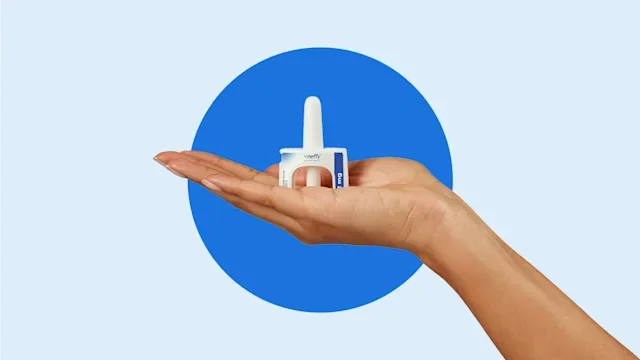
Neffy, the first epinephrine nasal spray, was approved in 2024. Another option, Anaphylm, is now under FDA review. Anaphylm is a sublingual (under the tongue) film that dissolves and delivers epinephrine through the oral tissues. If approved, it could offer a portable, device-free, and needle-free alternative for people who need emergency epinephrine for severe allergic reactions.
The FDA issued a complete response letter on January 30, 2026, which focused on packaging and administration. The manufacturer has been working to resolve these issues and plans to refile as early as the third quarter of 2026.
Afrezza for children with diabetes
When you think of insulin, injections likely come to mind. But there’s also an inhaled insulin called Afrezza that’s currently approved for adults with Type 1 or Type 2 diabetes. The manufacturer is now seeking approval for Afreeza’s use in children ages 4 and older, which would make it the first needle-free insulin option for this age group.
Afrezza is an ultra-rapid-acting insulin. It works faster and leaves the body quicker than traditional rapid-acting injected insulins. Studies in children suggest that Afrezza can effectively replace rapid-acting mealtime insulins, reducing the number of daily injections.
An FDA decision on Afrezza’s use in kids is expected by May 29, 2026.
Ensitrelvir for COVID-19 prevention
Ensitrelvir is an oral antiviral pill in development for the prevention of COVID-19 after exposure to the virus that causes it. This type of treatment is called post-exposure prophylaxis (PEP). If approved, ensitrelvir would be the first oral medication available in the U.S. for COVID PEP.
Ensitrevir works by blocking a key enzyme (protein) that the SARS-CoV-2 virus needs in order to replicate. By stopping the virus from multiplying early, it may help prevent infection from developing after someone has been exposed. During clinical trials, people taking ensitrelvir had a 67% lower risk of developing symptomatic COVID compared with those who didn’t take it.
An FDA decision on ensitrelvir is expected by June 16, 2026.
Cytisinicline for smoking cessation
Quitting smoking is difficult, but there are treatment options available to help make the process easier. One non-nicotine option is varenicline (Chantix), which partially activates nicotine receptors (binding sites) in the brain. While effective, varenicline can cause bothersome side effects — from nausea to abnormal dreams.
Cytisinicline (or cytisine), which is currently under FDA review, works in a similar way. Studies suggest that it may work as well as varenicline but with fewer side effects.
Cytisinicline would be the first new FDA-approved smoking cessation medication in about 20 years. An FDA decision is expected by June 20, 2026.
Baxdrostat for high blood pressure
For some people, hypertension (high blood pressure) is difficult to manage even with multiple medications. This condition, often called treatment-resistant hypertension, is associated with an increased risk of serious health problems such as heart attack and stroke.
Baxdrostat is an investigational medication that’s the first in a new class designed to help lower blood pressure in people who haven’t responded well to standard treatments. It works by reducing the production of aldosterone, a hormone that can cause the body to retain salt and water, which can raise blood pressure.
The FDA has granted priority review to baxdrostat, shortening the review time from about 10 months to 6 months. An FDA decision is expected in the second quarter of 2026.
Subcutaneous Saphnelo
Saphnelo is already approved as an intravenous (IV) infusion to treat moderate-to-severe systemic lupus erythematosus (SLE). A subcutaneous version is now under FDA review and could offer a more convenient at-home treatment option if approved.
The FDA previously issued a complete response letter for subcutaneous Saphnelo, but the manufacturer has since submitted additional information. A decision on the updated application is expected in the first half of 2026.
If approved, subcutaneous Saphnelo could allow people to inject the medication on their own at home, rather than receiving it as an infusion in a healthcare setting. This may make treatment more flexible and accessible for some people living with lupus.
CagriSema for weight loss
CagriSema is a combination injectable medication that includes cagrilintide, an amylin analog, and semaglutide, a GLP-1 receptor agonist. Together, these medications work in synergy to reduce appetite and promote weight loss.
Cagrilintide mimics amylin, a hormone that signals fullness to the brain and slows stomach emptying. By targeting multiple appetite-regulating pathways, CagriSema may lead to greater weight loss than GLP-1 therapy alone. In clinical trials, people who took CagriSema for the full length of a study lost an average of 23% of their starting body weight by 68 weeks (nearly 16 months).
An FDA decision on CagriSema’s approval is expected in 2026.
The bottom line
Over the course of 2026, there are several anticipated FDA approvals for brand-new medications, ranging from CagriSema (cagrilintide / semaglutide) for weight loss to icotrokinra for plaque psoriasis and cytisinicline for smoking cessation. There are also some existing medications that may be approved for new uses, age groups, or doses, including Wegovy (semaglutide) and Afrezza (inhaled insulin).

Why trust our experts?



References
Achieve Life Sciences. (2025). Achieve Life Sciences announces FDA acceptance of cytisinicline new drug application for treatment of nicotine dependence for smoking cessation.
American College of Cardiology. (2025). REDEFINE 1 and REDEFINE 2: Greater weight loss with combined cagrilintide-semaglutide vs. either drug alone or placebo.
American Diabetes Association. (2025). Inhaled insulin shown as a safe and effective replacement for standard-of-care in children with type 1 diabetes.
Aquestive Therapeutics. (2025). Aquestive Therapeutics announces FDA acceptance of new drug application and PDUFA date for Anaphylm for the treatment of severe allergic reactions.
AstraZeneca. (2026). Update on US regulatory review of Saphnelo subcutaneous administration in systemic lupus erythematosus.
AstraZeneca. (2025). Baxdrostat new drug application accepted under FDA priority review in the US for patients with hard-to-control hypertension.
Aquestive Therapeutics. (2026). Aquestive Therapeutics announces FDA issuance of complete response letter for Anaphylm. Globe Newswire.
Bristol-Myers Squibb. (2025). Bristol Myers Squibb’s supplemental new drug application (sNDA) for Sotyktu (deucravacitinib) for the treatment of adults with active psoriatic arthritis accepted for review across four regions globally.
Dunleavy, K. (2024). Novo Nordisk pulls its FDA heart failure submission for Wegovy, will reapply early next year. Fierce Pharma.
Ebinger, J. E., et al. (2023). Apparent treatment-resistant hypertension associated lifetime cardiovascular risk in a longitudinal national registry. European Journal of Preventive Cardiology.
Jones, W. S. (2025). Semaglutide and walking capacity in people with symptomatic peripheral artery disease and type 2 diabetes - STRIDE. American College of Cardiology.
Klonoff, D. C. (2014). Afrezza inhaled insulin. Journal of Diabetes Science and Technology.
Kosiborod, M. N., et al. (2023). Semaglutide in patients with heart failure with preserved ejection fraction and obesity. The New England Journal of Medicine.
Linn, M., et al. (2023). Molecular mechanism of ensitrelvir inhibiting SARS-CoV-2 main protease and its variants. Communications Biology.
Maulden, A. (2022). Ignoring the experts: Implications of the FDA's Aduhelm approval. American Journal of Law & Medicine.
McGuire, D. K., et al. (2025). Oral semaglutide and cardiovascular outcomes in high-risk type 2 diabetes. The New England Journal of Medicine.
Novo Nordisk. (2025). Investor presentation: First three months of 2025.
Novo Nordisk. (2025). Novo Nordisk files for FDA approval of CagriSema, the first once-weekly combination of GLP‑1 and amylin analogues for weight management. PR Newswire.
Novo Nordisk. (2025). Ozempic (semaglutide) injection 1 mg showed improved functional outcomes and health-related quality of life in Phase 3 STRIDE trial in adults with type 2 diabetes and peripheral artery disease (PAD) presented at ACC 2025. PR Newswire.
Ofori, S., et al. (2023). Cytisine for smoking cessation: A systematic review and meta-analysis. Drug and Alcohol Dependence.
Perkovic, V., et al. (2024). Effects of semaglutide on chronic kidney disease in patients with type 2 diabetes. The New England Journal of Medicine.
Shionogi. (2025). FDA accepts shionogi’s ensitrelvir NDA as the first oral therapy for the prevention of COVID-19 following exposure.
U.S. Food and Drug Administration. (n.d.). Advisory committees.
U.S. Food and Drug Administration. (2018). Priority review.
U.S. Food and Drug Administration. (2024). FDA: User fees explained.
Van Dalen, B. M. (2025). Challenges in the diagnosis of heart failure with preserved ejection fraction in individuals with obesity. Cardiovascular Diabetology.
Zemaitis, M. R., et al. Peripheral arterial disease. StatPearls.