




Food Poisoning Treatments: Medication and At-Home Care
Over-the-counter medicine for food poisoning can help get rid of food poisoning symptoms like vomiting. Learn more about food poisoning treatment.
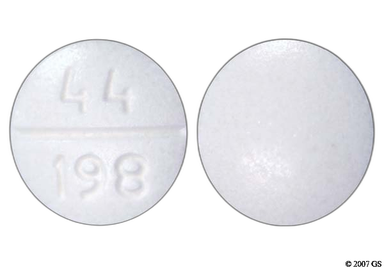
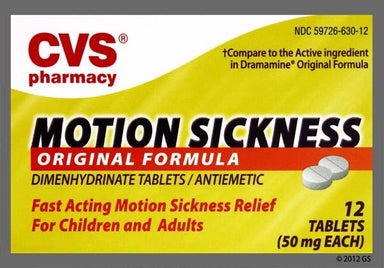
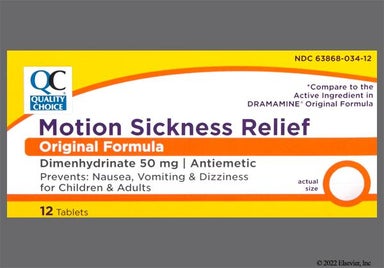
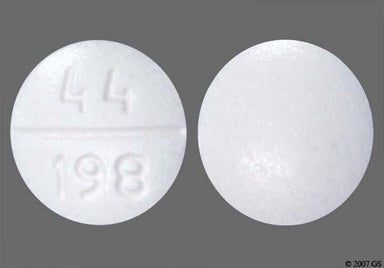
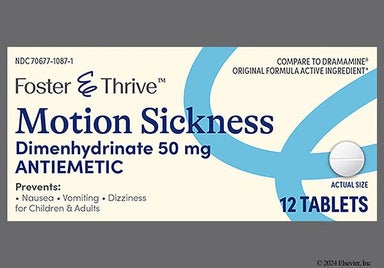
Dimenhydrinate is an over-the-counter medication that helps prevent and treat nausea, vomiting, or dizziness from motion sickness. It's a type of antihistamine and anticholinergic medication. It has many brand names, including Dramamine and Dramamine For Kids, and is also available as a generic. Dimenhydrinate comes as tablets, chewable tablets, and a syrup. The dosage depends on your age and the form of the medication you're using. It's usually taken a few times a day as needed. Side effects include feeling drowsy, dizzy, and constipated.

Dimenhydrinate is a first-generation antihistamine. It also has anticholinergic effects.
This medication blocks two chemicals in the brain called histamine and acetylcholine. It stops these chemicals from turning on the part of the brain that causes nausea and vomiting. This helps prevent and treat nausea and other symptoms of motion sickness.
| Common Brands | Dramamine, Dramamine For Kids, Gravol, Kids Gravol |
|---|---|
| Drug Class | Antihistamine |
| Controlled Substance Classification | Not a controlled medication |
| Generic Status | Lower-cost generic available |
| Availability | Over-the-counter |

The following side effects may get better over time as your body gets used to the medication. Let your healthcare provider know immediately if you continue to experience these symptoms or if they worsen over time.
Side effects that you should report to your care team as soon as possible:
Side effects that usually do not require medical attention (report these to your care team if they continue or are bothersome):




Dimenhydrinate can cause some serious health issues. This risk may be even higher for certain groups. If this worries you, talk to your doctor or pharmacist about other options.
Dimenhydrinate can make you very sleepy. This can make it harder to focus, think clearly, or react fast. This side effect is more likely to happen or be stronger if you're 65 years or older. It can also be worse if you drink alcohol or take other medications that can make you sleepy, like benzodiazepines or sleep medications. Don't drive or use machinery until you know how dimenhydrinate affects you.
Ask a healthcare professional if you can take dimenhydrinate if you have breathing problems like asthma, glaucoma, or trouble urinating from an enlarged prostate. This medication can make these problems worse. A healthcare professional can help make sure dimenhydrinate is safe for you.
Taking more than one medication with an antihistamine in it can raise your risk of taking too much. Dimenhydrinate is an antihistamine. And many allergy, cough, and cold medications also have antihistamines.
Early signs of an accidental overdose include having stronger side effects. But it can also lead to serious problems like fast heartbeat, confusion, poor balance, seizures, or even death. If this happens, get medical help or call a poison control center at 1-800-222-1222 right away.
To stay safe, tell your healthcare team about all the medications you take. Don't start any new medications without checking with them first. Always read package labels carefully. Ask a pharmacist if you're not sure if a product has an antihistamine.
Dimenhydrinate chewable tablets contain phenylalanine, a component of the artificial sweetener aspartame. If you have a genetic condition called phenylketonuria (PKU), the chewable tablets can be harmful for you. Tell a healthcare professional if you have PKU. They can help you find a different form of dimenhydrinate or a different medication that's safer for you.

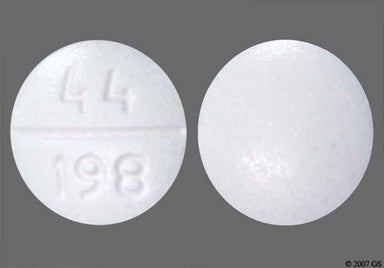
 Tablet
| Dosage | Quantity | Price as low as | Price per unit |
|---|---|---|---|
| 50mg | 24 tablets | $9.59 | $0.40 |
Note: There are many brands, manufacturers, and forms of dimenhydrinate. Each one can have different amounts of medication, so the typical dosage can be different. Read the label for the right instructions for your product.
A few dosing examples are listed below.
Dimenhydrinate 50 mg oral tablet or dimenhydrinate 50 mg chewable tablet: Swallow oral tablets whole. Chew or crush the chewable tablets before swallowing.
Dimenhydrinate 25 mg chewable tablet
Dimenhydrinate syrup Each 5 mL contains 15 mg of dimenhydrinate.
Dimenhydrinate is also available as an injection that's administered by a healthcare professional for people in the hospital.













Prescription savings
Stop paying too much for your prescriptions. Compare prices, get pharmacy coupons, and save up to 80%. Find expert answers to your health questions so you can make the best decisions for yourself and your family.
Health conditions
Medications & treatment
Access & affordability
Medication discounts


Dimenhydrinate starts to work within an hour after you take the medication. The effects of Dimenhydrinate typically last for 4 to 8 hours. Ask your healthcare team if you have any other questions about what to expect after taking this medication.
Yes, feeling sleepy is a common side effect of Dimenhydrinate. Older adults can be more sensitive to this side effect. You also might feel even sleepier if you take other medications that cause sleepiness at the same time. Don't drive or do anything that needs your full attention until you know how Dimenhydrinate affects you. Talk to your primary care provider if this medication makes you too sleepy.
It's usually not a good idea to take Dimenhydrinate together with sleep medications like zolpidem (Ambien). Both can make you very sleepy. This can raise your risk of getting hurt if you need to get up during the flight. Ask your primary care provider about safe ways to help you sleep and prevent or treat motion sickness before flying.
Dimenhydrinate and diphenhydramine (also called Benadryl) are both over-the-counter antihistamines. Dimenhydrinate helps prevent and treat motion sickness. Diphenhydramine can also help with motion sickness. But it's also often used for cold and allergy symptoms or to help with sleep. Side effects are similar, but Dimenhydrinate might make you less sleepy. Don't take them together because it raises your risk of serious side effects. Ask a healthcare professional to learn more about how the medications differ.
No. Meclizine and Dimenhydrinate are both over-the-counter motion sickness pills. But they're not the same. You have to take Dimenhydrinate a few times a day if you need it to last throughout the day. But meclizine only needs to be taken once a day. Studies show that Dimenhydrinate might work better but can make you sleepier than meclizine. Talk to a healthcare professional to compare and help you decide which one is best for you.
Studies show that Dimenhydrinate might help with vertigo. It seems to work best when taken just once to treat sudden vertigo instead of every day. Of note, prescription meclizine, an antihistamine similar to Dimenhydrinate, is FDA approved for treating vertigo. Talk to your primary care provider about options to treat your vertigo.
There aren't any studies on using Dimenhydrinate for cybersickness, which is feeling nauseous or dizzy from too much screen time. But it's possible that the medication might help. This is because antihistamines like Dimenhydrinate can help with motion sickness and nausea. In general, it's a good idea to take breaks from screens often to help prevent cybersickness. If you feel nauseous or dizzy from screen time, talk to your primary care provider. They can help come up with a plan that works for you.
Yes, Dimenhydrinate is considered safe to take while pregnant. To be safe though, always ask your obstetrician-gynecologist (OB-GYN) before taking the medication. They can talk to you about your options because Dimenhydrinate might not be the right choice for everyone.
