

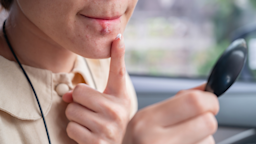



Cold Sore Medicines: A Guide to Over-the-Counter (OTC) and Prescription Treatments
Bothersome cold sores can be treated with over-the-counter and prescription medications. Learn how to treat cold sores and which medicines may work best for you.
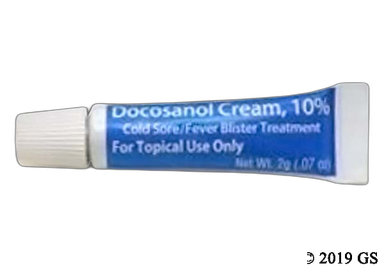
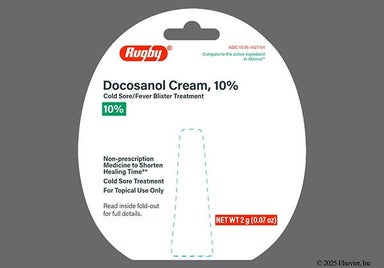
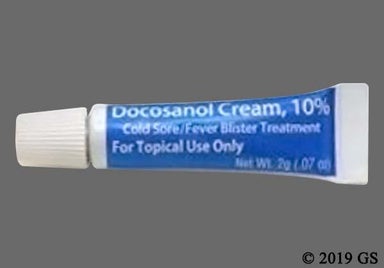
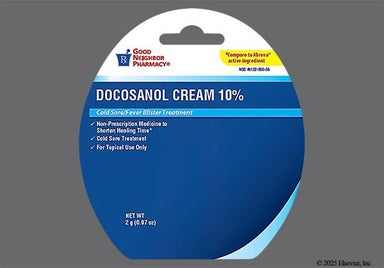
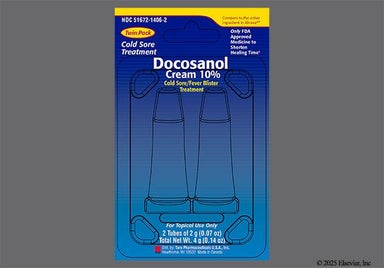
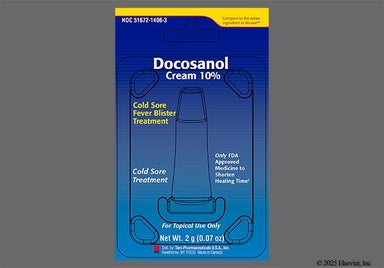
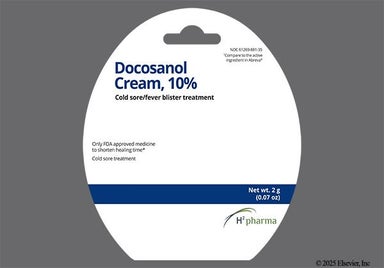
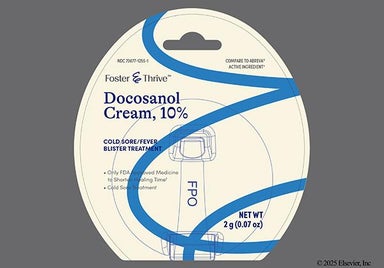
Docosanol (Abreva) is an antiviral cream used to treat cold sores (also known as fever blisters) on your lips or face. It works best when you start using it as soon as you notice symptoms. You apply it to the affected area 5 times a day until the cold sore heals. It's available over the counter (OTC) for people 12 years and older. Most people don't have many side effects from this cold sore treatment, but it might cause some mild stinging where you apply it.

Docosanol (Abreva) is an antiviral, specifically called a herpes virus nucleoside analogue. It works by stopping the herpes simplex virus from entering healthy cells and making copies of itself. This helps slow the spread of the virus and allows your body to heal.
| Common Brands | Abreva |
|---|---|
| Drug Class | Antiviral |
| Controlled Substance Classification | Not a controlled medication |
| Generic Status | Lower-cost generic available |
| Availability | Over-the-counter |

The following side effects may get better over time as your body gets used to the medication. Let your healthcare provider know immediately if you continue to experience these symptoms or if they worsen over time.
Contact your healthcare provider immediately if you experience any of the following.
Along with its needed effects, a medicine may cause some unwanted effects. Although not all of these side effects may occur, if they do occur they may need medical attention.
Some side effects may occur that usually do not need medical attention. These side effects may go away during treatment as your body adjusts to the medicine. Also, your health care professional may be able to tell you about ways to prevent or reduce some of these side effects. Check with your health care professional if any of the following side effects continue or are bothersome or if you have any questions about them:
More common
Headache
Other side effects not listed may also occur in some patients. If you notice any other effects, check with your healthcare professional.
Call your doctor for medical advice about side effects. You may report side effects to the FDA at 1-800-FDA-1088.



How to apply:

Docosanol (Abreva) can cause some serious health issues. This risk may be even higher for certain groups. If this worries you, talk to your doctor or pharmacist about other options.
In rare cases, docosanol (Abreva) can cause an allergic reaction. Stop using it and contact your primary care provider right away if you have swelling of your face, hives, wheezing, trouble breathing, or a severe rash. These can be signs of a serious allergic reaction, and you might need a different treatment for your cold sore.


Although certain medicines should not be used together at all, in other cases two different medicines may be used together even if an interaction might occur. In these cases, your doctor may want to change the dose, or other precautions may be necessary. Tell your healthcare professional if you are taking any other prescription or nonprescription (over-the-counter [OTC]) medicine.



Prescription savings
Stop paying too much for your prescriptions. Compare prices, get pharmacy coupons, and save up to 80%. Find expert answers to your health questions so you can make the best decisions for yourself and your family.
Health conditions
Medications & treatment
Access & affordability
 Our monthly healthcare membership can help you save thousands on your prescription costs.
Resources

Docosanol starts working as soon as you apply it. How fast your cold sore heals depends on when you start treatment and how often you use it. In one study, cold sores healed in about 4 days for people using Docosanol. For best results, start using it as soon as you notice cold sore symptoms.
You should apply Docosanol 5 times a day, unless your healthcare professional tells you to use it differently.
No, Docosanol isn't a steroid. It's an antiviral medication. Steroids lower inflammation and weaken the immune system, but Docosanol works by blocking the virus from entering healthy skin cells.
No, you shouldn't use Docosanol inside your mouth. This medication is only approved to be used on the outside of your body, such as your lips or skin. If you accidentally swallow the cream, call Poison Control at 1-800-222-1222 right away.
No. You shouldn't use Docosanol for genital herpes. Docosanol is only approved to treat cold sores on your lips or face. It isn't meant to be used on the genitals and might not work for genital herpes. If you think you have genital herpes, talk to a healthcare professional about the right treatment for you.
Both Docosanol and acyclovir (Zovirax) are antiviral treatments for cold sores, but they have several differences. Docosanol is available over the counter (OTC) as a cream and works by blocking the virus from entering healthy skin cells. Acyclovir requires a prescription and comes as a pill or cream; it works by stopping the virus from making copies of itself after it enters the cells. If started early, both can shorten healing time by about one day if started early, but only the topical (cream) form of acyclovir is FDA approved to treat cold sores.
