


Early Breast Cancer Treatments: 5 Common Options to Explore
Early breast cancer treatments include surgery, radiation, and medications such as chemotherapy, hormone therapy, anti-HER2 drugs, and targeted therapies.
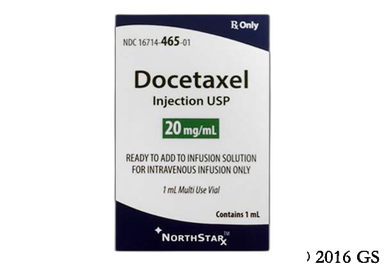
Docetaxel (Taxotere) is an anticancer treatment option used for many types of cancers. It can be used by itself or in combination with other anticancer medications. Docetaxel (Taxotere) is given as an infusion through the vein by a healthcare provider. It’s a recommended treatment option for certain cancers in adults, but can raise your risk for serious infections and cause nerve problems.

Docetaxel (Taxotere) is a type of anticancer medication called a microtubule inhibitor. It interferes with the way cells divide and multiply, especially in fast-growing cells like cancer cells. When this happens, the cells are unable to grow and then die.
| Common Brands | Taxotere |
|---|---|
| Drug Class | Anticancer agent |
| Controlled Substance Classification | Not a controlled medication |
| Generic Status | No lower-cost generic available |
| Availability | Prescription only |

The following side effects may get better over time as your body gets used to the medication. Let your healthcare provider know immediately if you continue to experience these symptoms or if they worsen over time.
*Side effects listed for docetaxel (Taxotere) when taken alone. Side effects and percentages might differ when docetaxel (Taxotere) is taken with other medications. Please see source below for more details.
Contact your healthcare provider immediately if you experience any of the following.
Along with its needed effects, a medicine may cause some unwanted effects. Although not all of these side effects may occur, if they do occur they may need medical attention.
Check with your doctor or nurse immediately if any of the following side effects occur:
More common
Black, tarry stools
bleeding gums
blistering, peeling, or loosening of the skin
blood in the urine or stools
burning, tingling, numbness, or pain in the hands, arms, feet, or legs
chills
decrease in the amount of urine
difficulty in swallowing
difficulty moving
dizziness
fainting
fast, slow, or irregular heartbeat
hoarseness
irritation
joint pain, stiffness, or swelling
lower back or side pain
muscle pain, cramps, or stiffness
noisy, rattling breathing
nosebleeds
pain or burning feeling in the throat
painful or difficult urination
pale skin
pinpoint red spots on the skin
red skin lesions, often with a purple center
red, irritated eyes
redness of the skin
sensation of pins and needles
severe lack or loss of strength
sores, ulcers, or white spots on the lips or tongue or inside the mouth
stabbing pain
swelling of the eyelids, face, lips, hands, or feet
tightness in the chest
trouble breathing
troubled breathing at rest
troubled breathing with exertion
unusual bleeding or bruising
unusual tiredness or weakness
vomiting
Less common
Bluish color of the skin
blurred vision
burning or itching of the eyes
changes in skin color
chest discomfort
confusion
discharge, excessive tearing
dizziness, faintness, or lightheadedness when getting up suddenly from a lying or sitting position
lightheadedness
pain or discomfort in the arms, jaw, back, or neck
pain, tenderness, or swelling of the foot or leg
rapid, shallow breathing
redness, pain, or swelling of the eye, eyelid, or inner lining of the eyelid
severe stomach pain
sweating
vomiting of blood or material that looks like coffee grounds
Rare
Dilated neck veins
extreme tiredness or weakness
fast, pounding, or irregular heartbeat or pulse
headache
irregular breathing
nervousness
pounding in the ears
Incidence not known
Agitation
dark urine
decreased awareness or responsiveness
drowsiness
general feeling of tiredness or weakness
hostility
increased thirst
indigestion
light-colored stools
loss of appetite
loss of consciousness
mood or mental changes
muscle spasms (tetany) or twitching seizures
rapid, shallow breathing
rectal bleeding
seizures
severe abdominal pain, cramping, or burning
severe sleepiness
stomach cramps, pain, or tenderness
stomach pain, continuing
unusual drowsiness, dullness, or feeling of sluggishness
vomiting of material that looks like coffee grounds, severe and continuing
yellow eyes or skin
Some side effects may occur that usually do not need medical attention. These side effects may go away during treatment as your body adjusts to the medicine. Also, your health care professional may be able to tell you about ways to prevent or reduce some of these side effects. Check with your health care professional if any of the following side effects continue or are bothersome or if you have any questions about them:
More common
Absent, missed, or irregular menstrual periods
bad, unusual or unpleasant (after)taste
change in sense of smell
change in taste
discoloration of the fingernails or toenails
dry skin hair loss or thinning of hair
stopping of menstrual bleeding
swelling or inflammation of the mouth
Less common
Dry, red, hot, or irritated skin
Incidence not known
Hearing loss
pain and redness of the skin at the place of earlier radiation treatment
Other side effects not listed may also occur in some patients. If you notice any other effects, check with your healthcare professional.
Call your doctor for medical advice about side effects. You may report side effects to the FDA at 1-800-FDA-1088.




Docetaxel (Taxotere) can cause some serious health issues. This risk may be even higher for certain groups. If this worries you, talk to your doctor or pharmacist about other options.
 In clinical studies, treatment-related deaths occurred in a small number of people receiving docetaxel (Taxotere). These people either received higher doses of the medication (100 mg/m2), had liver problems, or were treated with docetaxel (Taxotere) for non-small cell lung cancer after previously receiving a platinum-based chemotherapy regimen. Talk to your provider if you’re concerned about this risk.
If you have liver problems, your body might have a harder time getting rid of docetaxel (Taxotere). This can cause higher levels of the medication in your body, which can raise your risk for serious side effects, such as infections, bleeding or bruising, mouth sores, skin reactions, and even death. Because of this risk, your provider will do blood work to check your liver health before you start and during treatment with docetaxel (Taxotere).
Docetaxel (Taxotere) can cause your white blood cell and platelet counts to drop. When the number of these cells are lower than normal, you’re at risk of developing infections and bleeding or bruising. Your provider will closely monitor your blood counts through routine lab work while you’re receiving docetaxel (Taxotere). If your blood counts are low, you might have to skip or delay your infusion. Let your provider know as soon as possible if you experience fevers, chills, or bleeding and bruising that doesn’t stop or go away, because you might need to stop this medication.
Docetaxel (Taxotere) can cause allergic reactions, which can be serious. They can happen at any time, but most commonly occur with the first and second infusions. To lower this risk, you’ll be given a corticosteroid medication before your docetaxel (Taxotere) injections. If you’ve had an allergic reaction to a similar anticancer medication called paclitaxel (Taxol) before, let your provider know so they can monitor you more closely when starting docetaxel (Taxotere). Contact your provider or get medical help right away if you experience any throat tightness, trouble breathing, fever, chills, hives, flushing, chest pain, fast heartbeat, or dizziness.
Docetaxel (Taxotere) can cause swelling or fluid buildup in your body, usually in the arms or legs. This can be worse if you have other conditions that make it hard for your body to get rid of fluids, such as congestive heart failure or kidney disease. To lower this risk, you’ll be given a corticosteroid medication before your docetaxel (Taxotere) injections. If fluid buildup occurs, it will generally improve after a few weeks to months after your last infusion. During treatment, let your provider know if you have more swelling than normal, sudden weight gain, or have shortness of breath.
While rare, some people treated with regimens containing docetaxel (Taxotere) have developed secondary cancers like lymphoma and blood cancers. This is when a cancer develops while you’re taking medication for a condition that you already have. The development of a secondary cancer can happen months or years after docetaxel (Taxotere) treatment. Talk to your provider if you’re concerned about your risk for other cancers.
Docetaxel (Taxotere) can cause fluid buildup in the eye, which can lead to vision problems. This can be serious, so if you notice any changes in vision, let your provider know right away so they can check your eyes.
Based on animal studies, docetaxel (Taxotere) can harm an unborn baby or raise the risk for miscarriage (pregnancy loss). Because of these risks, if you’re a woman who can get pregnant, you’ll likely need to take a pregnancy test to make sure you’re not pregnant before you start the medication. In addition, regardless of your sex, if you or your partner can get pregnant, use birth control during and after treatment with docetaxel (Taxotere). Let your provider know right away if you or your partner become pregnant during this time.
Treatment with docetaxel (Taxotere) can cause a serious reaction called tumor lysis syndrome (TLS). TLS is when many cancer cells die quickly and break down in your body. This causes a rapid release of the cells’ contents, like uric acid, potassium, and phosphorus, into your blood. High levels of uric acid and electrolytes in your body can cause serious kidney damage and abnormal heart rhythms.
You’re at higher risk if you have a large number of cancer cells in your body, larger tumors, or kidney problems. Your provider will monitor you more closely if you have a higher risk for TLS. You also might need to take preventative medication to lower uric acid levels and receive extra hydration with fluids. Tell your provider right away if you’re urinating less than usual or have dark urine, muscle cramps, or a racing heartbeat.

This medication is an injection that’s given into a vein (intravenous, IV) by a healthcare provider. Your provider will calculate your dose of docetaxel (Taxotere) using your body surface area (BSA, in units of m2), which takes into account your body weight and height.
Docetaxel (Taxotere) can be given by itself or in combination with other anticancer medications, depending on the type of cancer you have and your treatment regimen.

Although certain medicines should not be used together at all, in other cases two different medicines may be used together even if an interaction might occur. In these cases, your doctor may want to change the dose, or other precautions may be necessary. When you are receiving this medicine, it is especially important that your healthcare professional know if you are taking any of the medicines listed below. The following interactions have been selected on the basis of their potential significance and are not necessarily all-inclusive.
Using this medicine with any of the following medicines is not recommended. Your doctor may decide not to treat you with this medication or change some of the other medicines you take.
Using this medicine with any of the following medicines is usually not recommended, but may be required in some cases. If both medicines are prescribed together, your doctor may change the dose or how often you use one or both of the medicines.
Using this medicine with any of the following medicines may cause an increased risk of certain side effects, but using both drugs may be the best treatment for you. If both medicines are prescribed together, your doctor may change the dose or how often you use one or both of the medicines.

Contraindications are specific health conditions or situations in which a person should not take a medication due to safety concerns. If you have any of the following conditions or if any of the following apply to you, let your healthcare provider know because Docetaxel (Taxotere) will not be safe for you to take.









Prescription savings
Stop paying too much for your prescriptions. Compare prices, get pharmacy coupons, and save up to 80%.Resources
About GoodRx
 Find expert answers to your health questions so you can make the best decisions for yourself and your family.
Health conditions
Medications & treatment
Access & affordability
Well-being
Medication discounts

Corticosteroid medications, like dexamethasone, can help prevent certain reactions that Docetaxel might cause. These reactions include fluid buildup (edema), allergic reactions, and skin reactions. They can also make the side effects less severe if you do experience them. Usually, you’ll take this oral corticosteroid for 3 days, starting on the day before your Docetaxel infusion.
Docetaxel will lower your blood cell counts and make you more likely to develop an infection. When chemotherapy weakens your immune system, it’s also harder for your body to fight off an infection, which can be a serious problem. There are many ways you can lower your chances of developing an infection. Wash your hands often, and avoid crowded places and people who are sick. To avoid food-borne illnesses, it’s recommended to wash raw fruits and vegetables before eating, and cook foods thoroughly.
Let your provider know if you have problems with your liver, because you’re at higher risk of side effects from Docetaxel and will need to be monitored more closely. With liver problems, your body might have a harder time getting rid of this medication. This causes higher levels of Docetaxel in your body and can raise your risk for more side effects. Depending on how severe your liver problems are, you might need to take the medication at a lower dose, or you might not be able to receive Docetaxel entirely.
Docetaxel isn’t recommended during pregnancy. It can cause harm to your unborn baby and shouldn’t be used in pregnancy, unless your provider thinks the benefit is greater than the risk for both you and your unborn baby. Let your provider know right away if you or your partner becomes pregnant while receiving Docetaxel.
It isn’t recommended to breastfeed while receiving Docetaxel. We don’t know if the medication can pass into breast milk, but there’s a risk of serious harm to nursing infants if it does. Because of this risk, you shouldn’t breastfeed during Docetaxel treatment and for 1 week after your last dose. Talk with your provider if you have any questions about breastfeeding or other ways to feed your baby while receiving Docetaxel.
