



Deflazacort vs. Prednisone: 5 Differences Between These Muscular Dystrophy Treatments
Deflazacort and prednisone are corticosteroids with similar uses and side effects. Learn about the differences between deflazacort and prednisone with GoodRx.
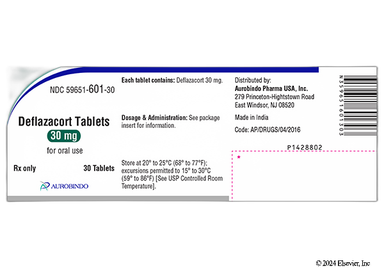
Emflaza (deflazacort) is a medication taken once daily to treat a rare, genetic problem called Duchenne muscular dystrophy (DMD). DMD is usually seen in children, and it's known to cause muscle damage and weakness. Emflaza (deflazacort) can be taken by children as young as 2 years old, but this medication can cause a lot of side effects.

Emflaza (deflazacort) is a corticosteroid. It works in your body to lower inflammation and suppress (weaken) your immune system. It's not known exactly how Emflaza (deflazacort) helps people with DMD, but this medication can help improve muscle strength and delay symptoms from getting worse.
| Common Brands | Emflaza |
|---|---|
| Drug Class | Corticosteroid |
| Controlled Substance Classification | Not a controlled medication |
| Generic Status | Lower-cost generic available |
| Availability | Prescription only |

The following side effects may get better over time as your body gets used to the medication. Let your healthcare provider know immediately if you continue to experience these symptoms or if they worsen over time.
Contact your healthcare provider immediately if you experience any of the following.
Side effects that you should report to your care team as soon as possible:
Side effects that usually do not require medical attention (report these to your care team if they continue or are bothersome):




Emflaza (deflazacort) can cause some serious health issues. This risk may be even higher for certain groups. If this worries you, talk to your doctor or pharmacist about other options.
Emflaza (deflazacort) can change your body's hormone levels, especially if it's taken for a long time. Hormone changes can cause serious and life-threatening problems. If Emflaza (deflazacort) is stopped suddenly, you can have a higher risk of experiencing steroid withdrawal symptoms, which include low appetite, nausea, vomiting, headache, fever, joint pain, and weight loss. If you need to stop taking Emflaza (deflazacort), talk to your provider on how to gradually lower the dose until you can safely stop. Problems with hormone levels can develop for months after stopping Emflaza (deflazacort), so continue to follow up with your provider even after stopping this medication.
Taking Emflaza (deflazacort) for a long time can cause a condition called Cushing's syndrome, which is caused by too much steroid in your body. This can lead to problems like high blood pressure, weight gain, thinning of the arms or legs, purple stretch marks, round face, face swelling, muscle weakness, easy bruising, neck fat, bone problems, acne, menstrual abnormalities, excessive hair growth, depression, or mood swings. Let your provider know if you experience any of these symptoms.
Thyroid problems can affect how Emflaza (deflazacort) gets cleared out of your body. It's recommended to take Emflaza (deflazacort) before starting levothyroxine (Synthroid) treatment for low thyroid levels to lower the risk of serious hormone problems. Let your provider know if you have a history of thyroid problems before taking Emflaza (deflazacort).
Emflaza (deflazacort) can also raise the risk of developing pheochromocytoma crisis in people with pheochromocytoma (tumor in the adrenal glands). Speak to your provider before starting Emflaza (deflazacort) about your risk of developing this life-threatening condition, which leads to low or high blood pressure, high fever, and organ failure.
Emflaza (deflazacort) can raise blood sugar levels, which can make diabetes worse. Emflaza (deflazacort) can make diabetes medications not work as well. Your provider will monitor your blood sugar levels and adjust your diabetes medications if needed while you're taking Emflaza (deflazacort).
Steroids like Emflaza (deflazacort) can weaken the immune system and raise your risk of infections. Make sure your immunizations are current and treat all infections before starting this medication. If you or your child develops chickenpox or measles while taking Emflaza (deflazacort), it could be life-threatening. Let your provider know right away if you've been exposed to someone with these illnesses. Emflaza (deflazacort) can raise the risk of reactivation of hepatitis B virus if you had it in the past. Let your provider know right away if you or your child experiences any signs of infection, such as fever, cough, flu-like symptoms, stomach pain, vision problems, or diarrhea.
Emflaza (deflazacort) can cause damage to the heart and kidneys by raising blood pressure, raising salt and water levels, and causing potassium and calcium loss. Your provider will monitor your blood pressure levels, potassium levels, and signs of swelling and excess body fluid. Let your provider know if you or your child has any heart or kidney problems before starting Emflaza (deflazacort) to make sure this medication is safe to take.
Emflaza (deflazacort) can raise the risk of stomach problems, such as getting a tear in the stomach lining. Tell your provider if you or your child has any stomach problems, such as stomach ulcers, infections (e.g., diverticulitis), or recent stomach surgery.
Emflaza (deflazacort) might cause changes in your mood or behavior, which can happen within a few days or weeks of starting this medication. Let your provider know right away if you notice any mood swings (feeling extreme excitement, happiness, or depression), hallucinations (hearing or seeing things that aren't there), trouble sleeping (insomnia), or a loss of contact with reality while taking this medication.
Emflaza (deflazacort) can reduce bone formation and lead to bone loss. This can later raise your risk for bone fractures. In some cases, Emflaza (deflazacort) can cause blood supply problems to your bones. Your provider will monitor your or your child's bones, growth, and development while taking this medication. Speak to your provider if you have concerns.
Emflaza (deflazacort) might raise your risk of eye problems, such as cataracts, glaucoma, and eye infections. Let your provider know if you or your child develops blurry vision or other vision problems while taking Emflaza (deflazacort).
Although rare, some people experience serious skin rashes while taking Emflaza (deflazacort). There have been reports of a life-threatening condition called toxic epidermal necrolysis (TEN), which causes blistering and peeling of the skin, that can occur within 8 weeks of starting Emflaza (deflazacort). Let your provider know right away at the first sign of a rash, and they can advise you how to safely stop this medication if needed.
Although rare, there have been reports of people developing a type of cancer called Kaposi's sarcoma when taking corticosteroids like Emflaza (deflazacort) for a long time. Discuss the risk with your provider if you're to take this medication long term.
Emflaza (deflazacort) can raise the risk of serious muscle weakness that can even sometimes affect breathing muscles in people with a history of nerve conditions (e.g., myasthenia gravis) or who are taking neuromuscular blocking medications (e.g., pancuronium). Recovery can take weeks to years after stopping Emflaza (deflazacort). Let your provider know if you experience muscle weakness, breathing problems, or vision problems while taking this medication.
Emflaza (deflazacort) can cause birth defects and restrict the growth of unborn babies if given during pregnancy. It can also pass into breast milk and cause side effects in breastfed babies. Speak with your provider about the risks and benefits to you and your baby before taking Emflaza (deflazacort) during pregnancy or breastfeeding.
Emflaza (deflazacort) shouldn't be used in children under 2 years old because it hasn't been proven to be safe or work well in this age group. In addition, the liquid suspension contains a preservative called benzyl alcohol. Infants who take benzyl alcohol can have serious reactions like "gasping syndrome", where they have trouble breathing, buildup of acid in the body (metabolic acidosis), and gasp for air. If your child has these symptoms, seek medical help right away.
Although rare, Emflaza (deflazacort) might raise your risk of getting blood clots. If you have a history of getting blood clots, speak with your provider before starting Emflaza (deflazacort) to see if this medication is safe to take.

 Bottle of oral suspension
| Dosage | Quantity | Price as low as | Price per unit |
|---|---|---|---|
| 13ml of 22.75mg/ml | 3 bottles | $5,693.70 | $1,897.90 |


This medication is used for many different conditions. Generally, it's used for autoimmune problems, conditions related to swelling, or cancer. Some examples include:



Prescription savings
Stop paying too much for your prescriptions. Compare prices, get pharmacy coupons, and save up to 80%. Find expert answers to your health questions so you can make the best decisions for yourself and your family.
Health conditions
Medications & treatment
Access & affordability
Medication discounts


Since Emflaza can weaken your immune system, it puts your body at a higher risk of infections and makes it harder for you to fight off certain bacteria, fungi, and viruses. Getting vaccinated can prepare your body to fight a variety of infections if you get exposed. During treatment with Emflaza, you or your child can get any vaccines, except for live vaccines. Live vaccines should be given at least 4 to 6 weeks before starting Emflaza so it doesn't interact with the medication.
Emflaza comes in both tablets and liquid suspension, so it can be easy for your child to take. Emflaza suspension should be mixed with juice or milk, except grapefruit juice. If your provider prescribed tablets for your child, you can crush them and mix with soft food like apple sauce before giving it to them.
Since Emflaza is dosed based on your child's weight, you should let your provider know when your child's weight changes. Emflaza is available in 4 different tablet strengths, as well as a suspension. Multiple tablets can be combined to add up to the correct dose, so your provider can tailor the appropriate dose specifically for your child.
According to studies, children who took Emflaza had improvements in muscle strength after 3 months. Speak to your provider to see how long your child should take Emflaza, because some people might benefit from taking this medication long term.
Yes, the dose of tablets and liquid suspension will be the same, so your child can take either formulation and switch from one to the other. Speak to your child's provider about which form is easiest for your child to take.
