



Early Breast Cancer Treatments: 5 Common Options to Explore
Early breast cancer treatments include surgery, radiation, and medications such as chemotherapy, hormone therapy, anti-HER2 drugs, and targeted therapies.
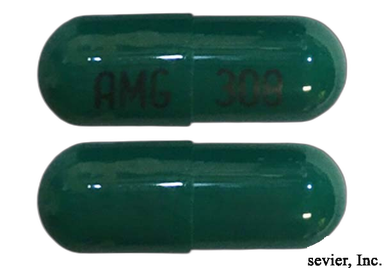
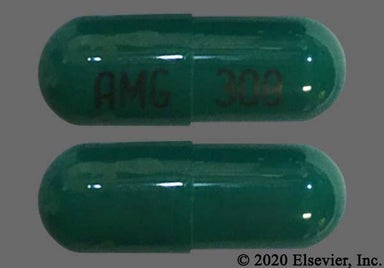
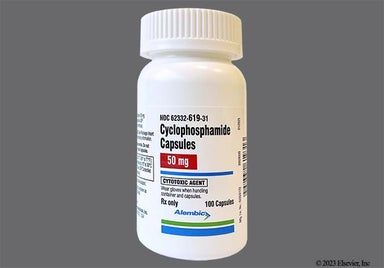
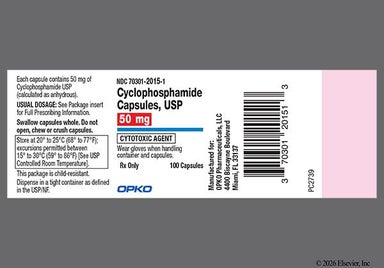
Cyclophosphamide is an anticancer medication used in the treatment of many types of adult and childhood cancers, as well as a certain type of kidney problem in children (nephrotic syndrome). It’s typically used in combination with other anticancer medications. Depending on the treatment regimen, cyclophosphamide can be taken as a pill by mouth or injected into the veins (intravenously or IV). This medication can cause serious bladder and kidney problems, so it’s important to stay well hydrated during treatment.

Cyclophosphamide is a type of anticancer medication called an alkylating agent. It works by damaging the cancer cells’ genetic material (DNA), which leads to cell death.
| Common Brands | Cytoxan |
|---|---|
| Drug Class | Anticancer agent |
| Controlled Substance Classification | Not a controlled medication |
| Generic Status | Lower-cost generic available |
| Availability | Prescription only |

The following side effects may get better over time as your body gets used to the medication. Let your healthcare provider know immediately if you continue to experience these symptoms or if they worsen over time.
Contact your healthcare provider immediately if you experience any of the following.
Along with its needed effects, a medicine may cause some unwanted effects. Although not all of these side effects may occur, if they do occur they may need medical attention.
Check with your doctor immediately if any of the following side effects occur:
More common
Cough or hoarseness
fever or chills
lower back or side pain
missing menstrual periods
painful or difficult urination
With high doses and/or long-term treatment
Blood in the urine
dizziness, confusion, or agitation
fast heartbeat
joint pain
shortness of breath
swelling of the feet or lower legs
unusual tiredness or weakness
Rare
redness, swelling, or pain at the injection site
sores in the mouth and on the lips
sudden shortness of breath
unusual thirst
yellow eyes or skin
Some side effects may occur that usually do not need medical attention. These side effects may go away during treatment as your body adjusts to the medicine. Also, your health care professional may be able to tell you about ways to prevent or reduce some of these side effects. Check with your health care professional if any of the following side effects continue or are bothersome or if you have any questions about them:
Other side effects not listed may also occur in some patients. If you notice any other effects, check with your healthcare professional.
Call your doctor for medical advice about side effects. You may report side effects to the FDA at 1-800-FDA-1088.




Cyclophosphamide can cause some serious health issues. This risk may be even higher for certain groups. If this worries you, talk to your doctor or pharmacist about other options.
Cyclophosphamide can cause your red blood cell, white blood cell, and platelet counts to drop. When the number of these cells are lower than normal, you’re at risk of developing anemia, infections, and bleeding or bruising. Your provider will closely monitor your blood counts through routine lab work while you’re receiving cyclophosphamide. If your blood counts are low, you might have to skip or delay your cyclophosphamide dose. Let your provider know as soon as possible if you experience fevers, chills, tiredness, or bleeding and bruising that doesn’t stop or go away because you might need to stop this medication.
Cyclophosphamide can cause injury to your kidneys and urinary tract, including a serious condition where the bladder becomes inflamed and starts bleeding (hemorrhagic cystitis). This can happen with both short-term and long-term use of cyclophosphamide. To lessen this risk, try to stay well hydrated, either by mouth or through IV, and urinate often to clear cyclophosphamide from your body. Some providers may use a medication called mesna (Mesnex) to help prevent bladder damage in certain situations. Reach out to your provider right away if you experience blood in the urine, pain or problems while urinating, or changes in the color or cloudiness of the urine. These can be signs of a serious bladder or kidney problem.
Cyclophosphamide can cause new or worsening heart failure, fluid or blood buildup around the heart, inflammation of the heart muscle, and irregular heartbeats. This can affect how well your heart pumps blood through your body. If you have heart problems, your provider will monitor your heart more regularly while you receive cyclophosphamide treatment to make sure your condition doesn’t get worse. Reach out to your provider and seek medical attention right away if you have chest pain, fast heartbeat, shortness of breath that usually worsens with activity or while lying flat, swelling of your legs or feet, sudden weight gain, fatigue, or dizziness.
Although rare, cyclophosphamide use can cause lung damage and scarring (pulmonary fibrosis). This can take several years to develop after receiving cyclophosphamide. Notify your provider right away if you start experiencing a cough or difficulty breathing.
While rare, some people who received treatment with cyclophosphamide have reported developing secondary cancers, such as bladder cancer and blood cancers. Talk to your provider if you’re concerned about your risk for other cancers.
There’s a small chance that cyclophosphamide can cause liver injury. This can lead to serious problems where blood flow gets blocked in your liver (hepatic veno-occlusive disease). Your provider will monitor your liver labs regularly while you’re receiving cyclophosphamide. Let your provider know right away if you experience right-side stomach pain, yellowing of the eyes or skin, dark urine, tiredness, nausea, vomiting, or loss of appetite, as these can be signs of liver problems.
Based on animal studies, cyclophosphamide can harm an unborn baby or raise the risk for miscarriage (pregnancy loss). Because of this risk, regardless of your sex, you should use birth control during treatment with cyclophosphamide to prevent pregnancy. After treatment, continue to use birth control for at least another 4 months (for males) or for up to 1 year (for females). Let your provider know right away if you or your partner becomes pregnant during this time.
Cyclophosphamide can also affect your ability to have a baby (fertility). If you or your partner are thinking about having a child in the future, talk to your provider about your different options before starting cyclophosphamide, such as sperm banking or egg freezing.
Cyclophosphamide can cause low sodium levels in your blood, which can be serious and dangerous if left untreated. If you experience headache; tiredness; nausea; muscle weakness, cramps, or spasms; or more seriously, confusion or seizures, let your provider know right away. These can be signs that your sodium levels are too low.


Although certain medicines should not be used together at all, in other cases two different medicines may be used together even if an interaction might occur. In these cases, your doctor may want to change the dose, or other precautions may be necessary. When you are taking this medicine, it is especially important that your healthcare professional know if you are taking any of the medicines listed below. The following interactions have been selected on the basis of their potential significance and are not necessarily all-inclusive.
Using this medicine with any of the following medicines is not recommended. Your doctor may decide not to treat you with this medication or change some of the other medicines you take.
Using this medicine with any of the following medicines is usually not recommended, but may be required in some cases. If both medicines are prescribed together, your doctor may change the dose or how often you use one or both of the medicines.
Using this medicine with any of the following medicines may cause an increased risk of certain side effects, but using both drugs may be the best treatment for you. If both medicines are prescribed together, your doctor may change the dose or how often you use one or both of the medicines.


Contraindications are specific health conditions or situations in which a person should not take a medication due to safety concerns. If you have any of the following conditions or if any of the following apply to you, let your healthcare provider know because Cyclophosphamide will not be safe for you to take.






Prescription savings
Stop paying too much for your prescriptions. Compare prices, get pharmacy coupons, and save up to 80%. Find expert answers to your health questions so you can make the best decisions for yourself and your family.
Health conditions
Medications & treatment
Access & affordability
Medication discounts

You can lower your chances of developing an infection by washing your hands often and avoiding crowded places and people who are sick. To avoid food-borne illnesses, it’s recommended to wash raw fruits and vegetables before eating, and cook foods thoroughly. These steps are important during treatment because Cyclophosphamide will lower your white blood cell counts, weaken your immune system, and make you more likely to develop an infection. This can be a serious problem because it’s also harder to fight off infections with a weakened immune system. Sometimes, providers might also give additional injectable medications, like Neupogen (filgrastim) or Neulasta (pegfilgrastim), before your treatment cycles to help prevent your white blood cell count from dropping too low and infection.
Hemorrhagic cystitis is a medical condition that happens when your bladder is inflamed. This condition can cause urinary problems, such as blood in the urine, painful urination, or irregular urination. Certain anticancer medications, like Cyclophosphamide and ifosfamide (Ifex), can cause long-term or frequent hemorrhagic cystitis. Plenty of hydration is required when receiving these medications to prevent this damage to the bladder. Sometimes, providers also give mesna (Mesnex) with these anticancer medications to lessen the risk of bladder damage. If you have signs or symptoms of hemorrhagic cystitis, talk with your provider right away. You might need to stop taking your anticancer medications or take a lower dose until your symptoms are gone.
You might be at higher risk for side effects if you have kidney problems, especially if they’re severe. Your body might have a harder time breaking down Cyclophosphamide, leading to higher levels of this medication in your body and toxicity. If you’re on dialysis, you can receive Cyclophosphamide; talk to your providers about your treatment and dialysis plan. Let your provider know if you have problems with your kidney, as you’ll need to be monitored more closely.
Let your provider know if you have problems with your liver. Cyclophosphamide might not work as well to treat your condition, since the liver helps break down the medication into its active form. You also might be at higher risk for further liver damage during treatment. Your provider will need to monitor you more closely.
Cyclophosphamide treatment isn’t recommended while breastfeeding. This medication can pass into breast milk and cause serious harm to nursing babies, such as low blood cell counts and diarrhea. Talk to your provider if you have any questions about other ways to feed your baby while receiving Cyclophosphamide.

