Key takeaways:
Cellulitis is an infection of the skin that causes redness, warmth, tenderness, and/or swelling of the skin.
Skin wounds, swelling, or rashes can cause cellulitis by allowing germs to break through the skin’s protective barrier.
If caught early, cellulitis can be treated with antibiotic pills. If the infection is very severe, antibiotics infused directly into the vein or other procedures may be needed.
Cellulitis is an infection of the skin that can occur in any part of the body. It’s a pretty common infection, with an estimated 14.5 million cases per year. Certain health conditions and changes in the skin can increase the chance of getting cellulitis. The good news? It’s typically easy to treat if caught early. The not so good news? It can be a bit of a hassle until it heals.
In this article, we discuss the nuts and bolts of cellulitis — what it is, how you treat it, what to watch out for, and how to keep it from coming back.
What are the symptoms of cellulitis?
Common symptoms of cellulitis include:
Redness of the skin
Swelling
Warmth of the skin
Pain or tenderness of the skin when touched
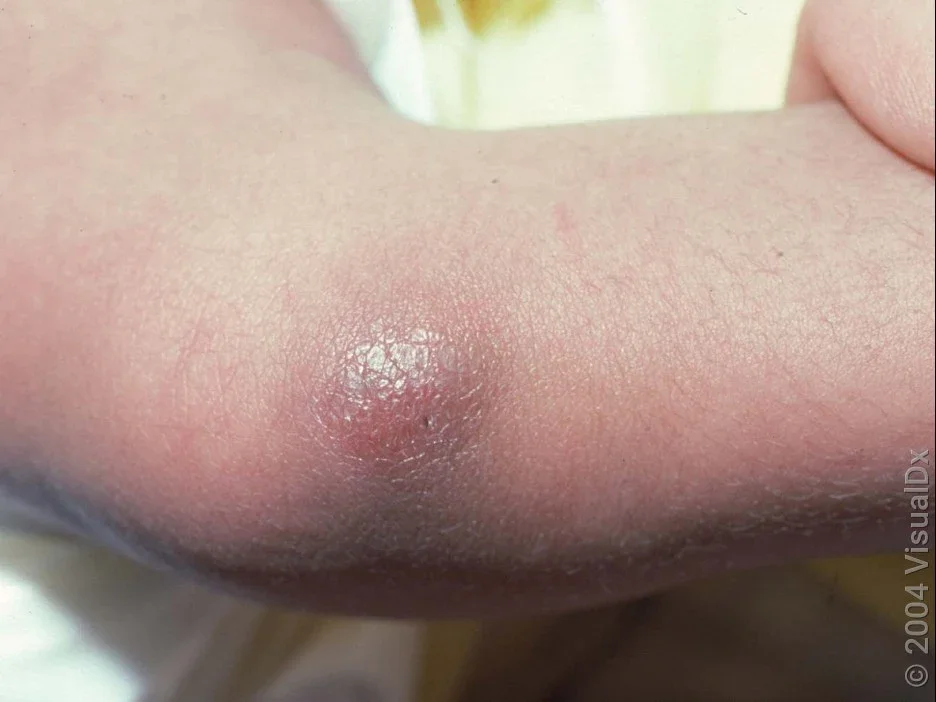
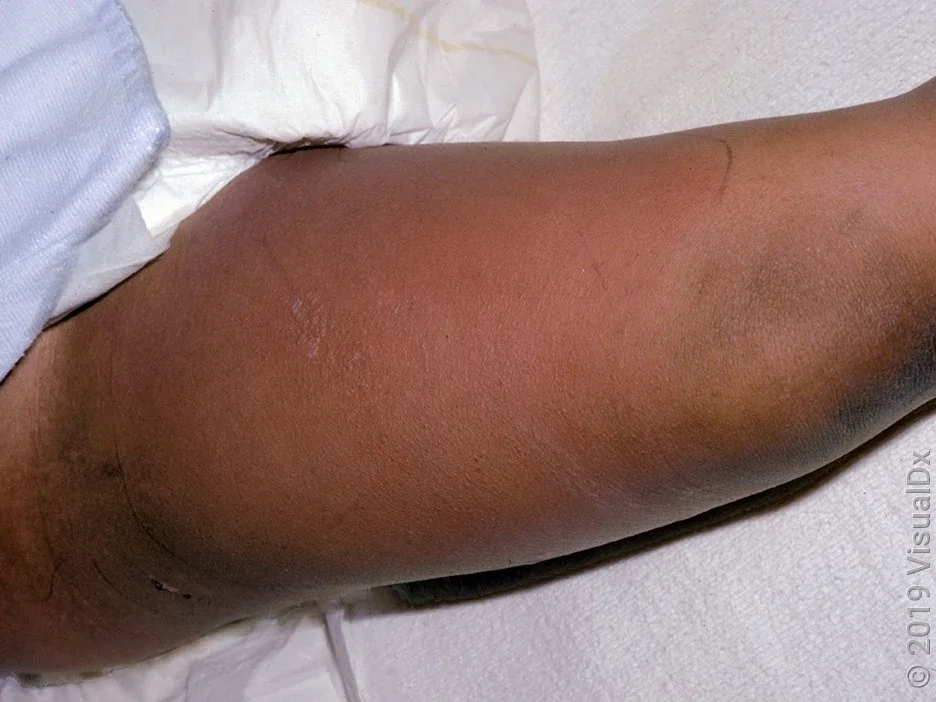
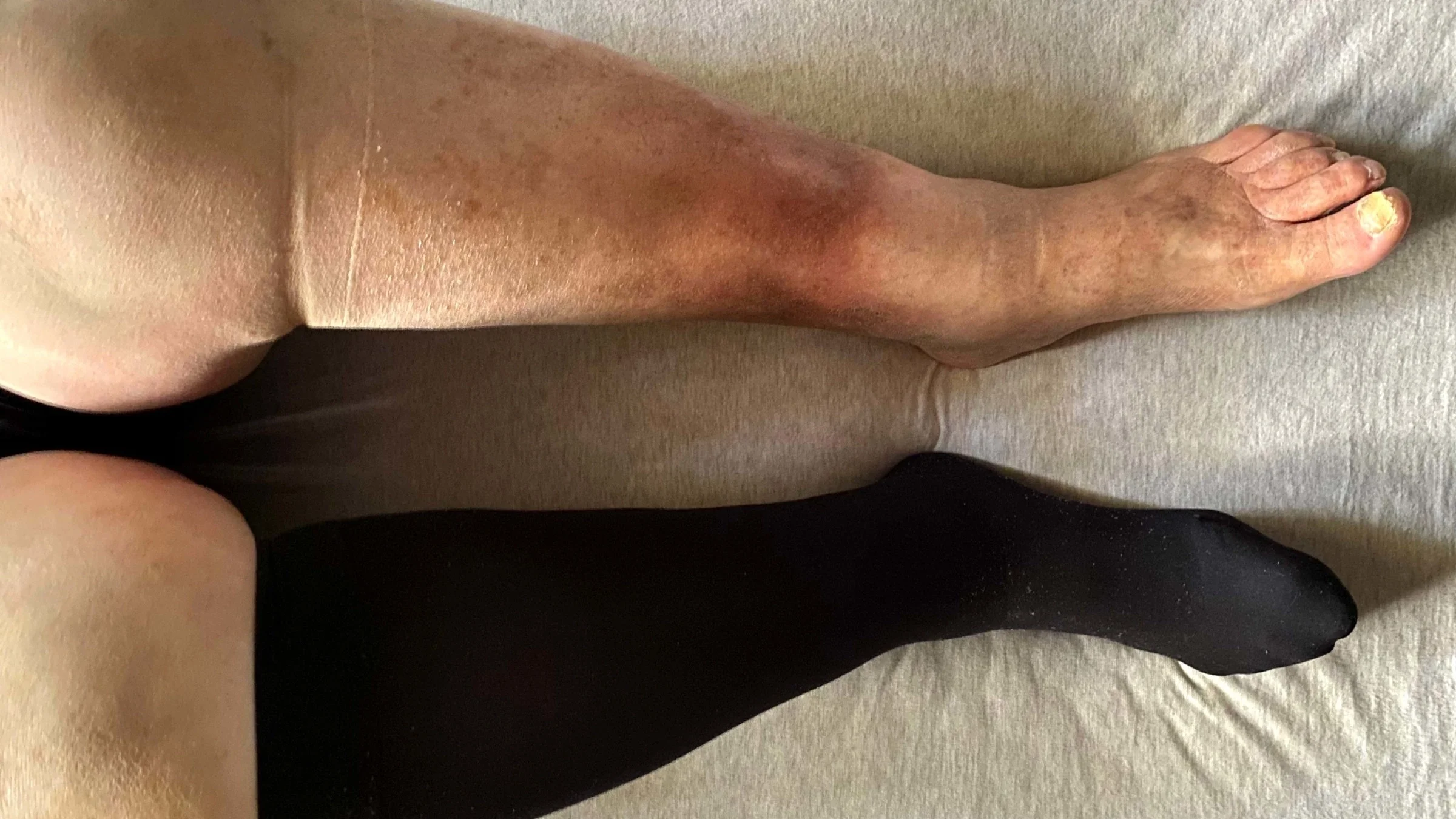
Cellulitis can occur in any part of the body. Typically only one side of the body (like one arm or one foot) is involved. If both sides are affected, this usually means something else is going on.
Search and compare options
Symptoms of cellulitis that aren’t as common include:
Fever
Pus draining from the skin
Fluid-filled blisters, especially if the skin is very swollen
Mild bleeding or bruising of the skin

Leg swelling can increase your risk for cellulitis. Read about the causes of leg swelling (edema), what to do about it, and when to get treatment.
Could your cellulitis be stasis dermatitis? Stasis dermatitis is a common skin condition caused by fluid pooling in the legs. It causes leg swelling and a rash, so it’s easy to mistake it for cellulitis — and vice versa. Learn how to tell the difference.
What is chronic venous insufficiency? Also called “poor circulation,” this is what happens when damaged leg veins lead to leg swelling and varicose veins. Pregnancy, blood clots, leg injuries, and prolonged sitting or standing for long periods of time can all contribute.
Cellulitis can sometimes be a medical emergency. Cellulitis near your eye, face, hands, joints, and private parts always need urgent medical attention. And there are other reasons you may need intravenous antibiotics for cellulitis, too.
What can cause cellulitis?
Skin acts as the body’s first line of defense from the outside world — like waterproof wrapping paper. Cellulitis happens when bacteria somehow make their way through the skin and cause an infection there. A few different things can increase your risk of getting cellulitis.
Changes in the skin
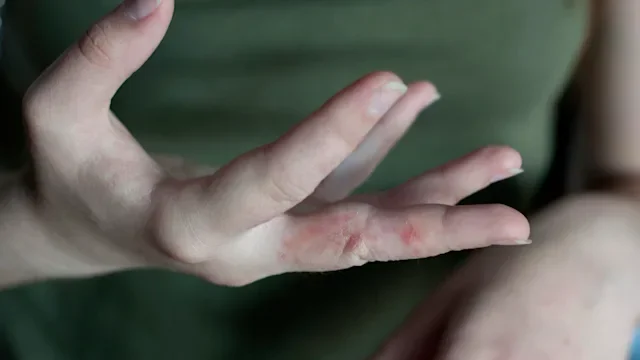
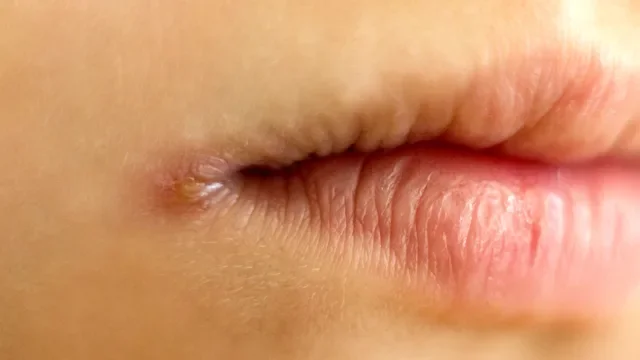
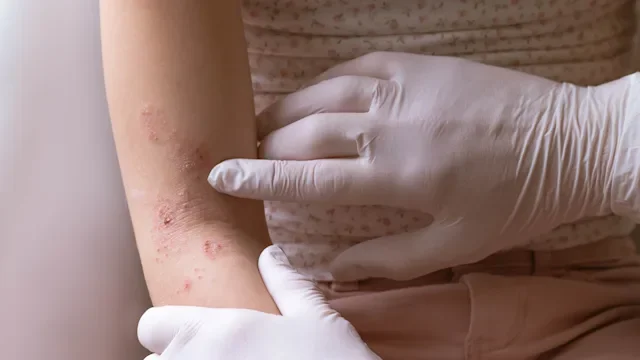
Any kind of change in the skin can allow bacteria to break through the barrier and go places they don’t belong. Examples include:
Cuts
Scratches
Bug bites
Injection drug use
Medical procedures that involve poking or cutting the skin — like blood draws, intravenous (IV) lines, or surgery
Swollen skin (edema)
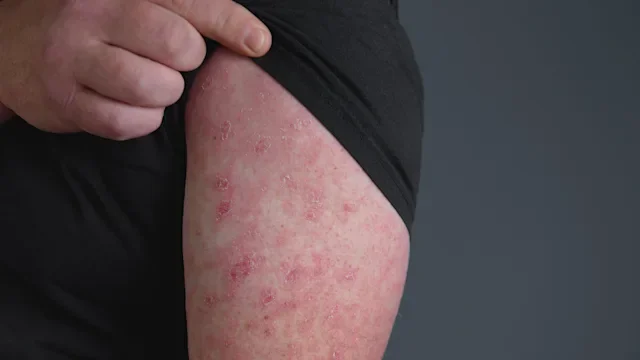
Inflamed skin from rashes like psoriasis or eczema
Weakened immune system
The immune system is your body’s army. It helps protect against things like germs that don’t belong in your body. If your immune system is weak due to medications (like chemotherapy) or illness (like diabetes), it can be easier to get cellulitis.
- AmoxicillinGeneric Amoxil
- AugmentinAmoxicillin/Potassium Clavulanate
- ZithromaxAzithromycin
Obesity
Obesity can increase your risk of infections, too. Having increased body weight can raise your risk of having other health problems like diabetes that increase infection risk. Obesity also changes how well the immune system can fight infections.
How is cellulitis diagnosed?
Healthcare professionals diagnose cellulitis by looking at the skin and checking for redness, warmth, or tenderness. Blood tests aren’t needed to diagnose cellulitis. But sometimes they can help determine how severe the infection is. In some cases, an ultrasound (like the kind used in pregnancy) is used to see if there’s a collection of infected fluid underneath the skin (called an abscess). The ultrasound can also detect changes in the skin known as “cobblestoning,” which are characteristic of cellulitis.
How is cellulitis treated?
Fortunately, cellulitis is easy to treat if caught early. Here’s a typical approach to treatment.
Elevate the infected area
This is one of the most important parts of cellulitis care. Swollen skin takes longer to heal, so keeping the affected part of your body propped up will help reduce the swelling and speed up healing. If you have cellulitis on your foot, for example, keep it elevated on a pillow while you’re watching TV.
Take antibiotics as prescribed
You’ll be prescribed an antibiotic based on what kind of bacteria are likely to be causing your infection, how severe your infection is, and whether you’ve had infections in the past. Most of the time, the antibiotics will be in pill form. But if your care team is worried about a more serious infection, you might have to go to the hospital for stronger antibiotics that go directly into the vein (IV antibiotics).
Drain abscesses
If you have an abscess (collection of infected fluid), it should be opened and drained by a trained medical professional. Though it may be tempting, please don’t try this at home. You could injure yourself or make the infection worse.
Monitor for improvement
Take a permanent marker and outline the infected area before you start on antibiotics. You’ll know you’re getting better if the redness is improving away from the outline. On the other hand, if the redness spreads outside the line, that’s a sign your infection is getting worse. Talk with your care team as soon as possible to adjust your treatment plan.
When will cellulitis get better?
The timeframe for healing depends on how bad the infection is and what kind of antibiotics you’re taking. A range is between 5 and 14 days. In general, cellulitis should start to improve within 24 to 48 hours of starting treatment. That means the area you outlined in marker should be getting smaller.
If your infection is getting worse, you may need a different antibiotic, more tests, or you may need emergency medical care.
What are some complications of cellulitis?
It’s important to keep a close eye on your skin after you start treatment to make sure you’re recovering. Sometimes cellulitis can cause problems, such as:
Abscess: An abscess is a collection of infected fluid beneath the skin that antibiotics cannot get into. A trained medical professional needs to drain the abscess for the infection to heal.
Sepsis: If cellulitis isn’t treated correctly, bacteria can spread from the skin to the bloodstream. Sepsis is a bloodstream infection that can be life-threatening and requires care in a hospital.
Deeper infections: Areas close to the infected skin can also get infected. For example, bone infections (osteomyelitis) or joint infections (septic arthritis) can develop. These are serious infections that may require hospitalization.
There are certain areas of the body that are more likely to result in complications if you get cellulitis there. In these situations, your treatment might involve more than just the basics listed above. Dangerous areas to get cellulitis include:
Eye
Neck
Over a joint (like the knee or elbow)
Hand
Perineum (the area between the genitals and anus)
How can I prevent cellulitis?
The best thing you can do to prevent cellulitis is to take good care of your skin — the magic barrier that keeps infections out. Here are some tips for good skin care:
Take care of wounds as soon as possible: Wash the wound with soap and water, and put on a bandage. Change your bandage if it gets wet or dirty.
Keep skin clean: Good personal hygiene will decrease bacteria on the skin.
Keep skin moisturized: Dry skin can crack and bleed, letting bacteria into your body.
Check your feet: Watch for tiny cuts or scratches, especially between the toes.
You can also decrease your risk of cellulitis by keeping a comfortable weight, quitting smoking, and treating other medical problems that increase the risk of cellulitis.
Frequently asked questions
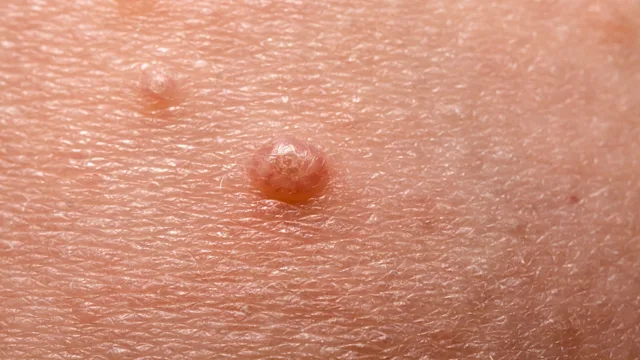
The early stage of cellulitis looks like a small area of redness on your skin, similar to a bug bite or a pimple. As the cellulitis gets worse, the redness spreads and the affected area gets bigger. Along with this, the area may start to feel painful and warm.
If your cellulitis covers a large amount of skin, or stretches deeper beyond the skin, it’s possible to develop sepsis. You may get a fever and start to feel weak and tired. You may lose your appetite. You may notice your heart rate go up and that you’re breathing faster than usual. Sepsis can be life-threatening, so if you think you have sepsis, get medical care right away.
Cellulitis doesn’t usually spread from person to person. The bacteria that cause cellulitis are the same bacteria that usually live on your skin. You get cellulitis not because your body gets exposed to new bacteria, but because the same bacteria that always live on your body get inside the deeper layers of your skin where they don’t belong.
Some people get cellulitis over and over again. This is usually because they have an underlying problem that makes the cellulitis keep coming back. Often, swelling (edema) is the underlying cause. You can lessen limb swelling by using compression socks or bandages, or by elevating your arm or leg to prevent the cellulitis from coming back. Other common reasons that people get cellulitis over and over again are excess body weight and poor circulation.
Cellulitis can happen with or without an abscess. Some bacteria that cause cellulitis, like MRSA, make it more likely that you’ll get an abscess. With cellulitis, the skin is usually swollen and red but flat. With an abscess, the skin is swollen and red, and you’ll notice a painful lump under your skin. An abscess needs treatment with antibiotics and surgical drainage by a trained medical professional. It won’t usually get better with antibiotics alone.
The early stage of cellulitis looks like a small area of redness on your skin, similar to a bug bite or a pimple. As the cellulitis gets worse, the redness spreads and the affected area gets bigger. Along with this, the area may start to feel painful and warm.
If your cellulitis covers a large amount of skin, or stretches deeper beyond the skin, it’s possible to develop sepsis. You may get a fever and start to feel weak and tired. You may lose your appetite. You may notice your heart rate go up and that you’re breathing faster than usual. Sepsis can be life-threatening, so if you think you have sepsis, get medical care right away.
Cellulitis doesn’t usually spread from person to person. The bacteria that cause cellulitis are the same bacteria that usually live on your skin. You get cellulitis not because your body gets exposed to new bacteria, but because the same bacteria that always live on your body get inside the deeper layers of your skin where they don’t belong.
Some people get cellulitis over and over again. This is usually because they have an underlying problem that makes the cellulitis keep coming back. Often, swelling (edema) is the underlying cause. You can lessen limb swelling by using compression socks or bandages, or by elevating your arm or leg to prevent the cellulitis from coming back. Other common reasons that people get cellulitis over and over again are excess body weight and poor circulation.
Cellulitis can happen with or without an abscess. Some bacteria that cause cellulitis, like MRSA, make it more likely that you’ll get an abscess. With cellulitis, the skin is usually swollen and red but flat. With an abscess, the skin is swollen and red, and you’ll notice a painful lump under your skin. An abscess needs treatment with antibiotics and surgical drainage by a trained medical professional. It won’t usually get better with antibiotics alone.
The bottom line
Cellulitis is a common skin infection that’s easy to treat with antibiotic pills — if you catch it early. Keep an eye on the infected area to make sure it’s healing as planned. This will help avoid complications. Prevent cellulitis by taking care of your skin and addressing underlying health problems that may put you at risk for repeated skin infections.

Why trust our experts?




Images used with permission from VisualDx (www.visualdx.com).
References
American Academy of Dermatology Association. (n.d.). Cellulitis: How to prevent it from returning.
American Family Physician. (2005). What you should know about edema.
Baiu, I., et al. (2018). Skin abscess. Journal of the American Medical Association.
Euerle, B. D. (2020). Abscess evaluation. American College of Emergency Physicians.
Huttunen, R., et al. (2012). Obesity and the risk and outcome of infection. International Journal of Obesity.
John Hopkins Medicine. (n.d.). Osteomyelitis.
John Hopkins Medicine. (n.d.). Septic arthritis.
Raff, A. B., et al. (2016). Cellulitis: A review. Journal of the American Medical Association.
Sepsis Alliance. (2022). What is sepsis?