Key takeaways:
Status epilepticus happens when someone has a long-lasting seizure or multiple seizures back to back. It’s a medical emergency, and it can be deadly without treatment.
There are many possible causes of status epilepticus, including epilepsy, drug overdose, and alcohol withdrawal. Other causes include strokes, infections, and blows to the head.
Prolonged seizure activity can cause harm to the brain, but rapid and early treatment may reduce that risk.
Status epilepticus is a Latin term that describes prolonged seizure activity. The condition was first described on Mesopotamian stone tablets that are over 4,000 years old. But it wasn’t until the 1800s that people gave it a proper name and started writing and studying it.
Regular seizures are caused by electrical discharges in the brain, and they usually lose steam and resolve on their own within 2 minutes. The difference with status epilepticus is that a storm of electrical discharges creates a vicious cycle that’s hard to break. At first, people may mistake status epilepticus with a regular seizure because the symptoms are the same. But, as time goes on, the person with status epilepticus typically doesn’t wake up quickly from it.
What is status epilepticus?
The definition of status epilepticus has varied over time. But most experts define status epilepticus as when someone has:
A single seizure that lasts longer than 5 minutes
Two or more seizures and doesn’t regain full consciousness in between them
Even though “epilepticus” is in the name, someone doesn’t need to have epilepsy to have status epilepticus. Epilepsy is the underlying cause in almost 40% of kids and up to 50% of adults. The good news is that status epilepticus is very rare and most people with epilepsy will never have it. Status epilepticus is more common in young children, males, and older adults.
Types of status epilepticus
There are several different types of status epilepticus. The type of status epilepticus — and the way it appears — depends on which parts of the brain are affected by the seizure activity.
The categories (or types) of status epilepticus include:
Convulsive: This is the most common type of status epilepticus and accounts for about two-thirds of cases. It causes the most recognizable seizure — when someone loses consciousness and their whole body shakes. This type of status epilepticus is caused by excessive release of stimulating nerve chemicals over a large part of the brain.
Non-convulsive: This kind of status epilepticus may look like episodes of staring or unconsciousness. It’s driven by a specific type of nerves (GABA cells) that are designed to calm brain activity. This is why it makes someone look like they’re out of it or sleeping. The seizure activity may be hard to see on examination, but an electroencephalogram (EEG) test can pick it up.
Focal motor: This type of status epilepticus causes shaking of just one part — on just one side — of the body. It occurs because the storm of seizure activity is contained in one specific part of the brain.
Myoclonic: This appears as jerking, twitch-like movements every 1 to 5 seconds. It’s more common when someone has a brain injury due to a lack of oxygen.
Refractory: This is when status epilepticus doesn’t respond to medication.
Signs of status epilepticus
Seizures can be frightening to watch — the person often loses all control of their body, disappears into a trance-like state, or has uncontrollable shaking or jerking.
The signs of status epilepticus are the same as a normal seizure:
Rhythmic shaking or twitching, either of the entire body or parts of the body
A fall to the floor and loss of control of bowel or bladder functions
Continuous, rapid blinking or twitching of the face
Sudden crying out or unusual noises
Very stiff appearance, either the entire body or just one area (such as the legs, arms, face, or clenched teeth)
Jerking movements that may happen just once or repeatedly
Difficulty speaking
Irregular breathing
A “spacey” look
Confusion, especially once the seizures stop
The difference is how long it lasts. Usually, a regular seizure lasts less than 1 minute, and the person quickly starts to recover after it ends. It might take them more than 5 minutes to fully recover, but they don’t have ongoing or repeated seizures. But this isn’t the case with status epilepticus.
What causes status epilepticus?
Status epilepticus can be caused by existing health conditions — like epilepsy or brain tumors. But it can also be caused by new or sudden changes in the brain — like drug overdose or strokes.
The most common cause of status epilepticus in children is fever. In adults, the most common cause is a sudden environmental change in the brain — like bleeding, head trauma, or a drug overdose.
Acute (sudden) triggers of status epilepticus can include:
Infections in the brain
Fever
Abnormal chemistry in the brain due to things like low levels of glucose or sodium or high levels of liver toxins
Head trauma
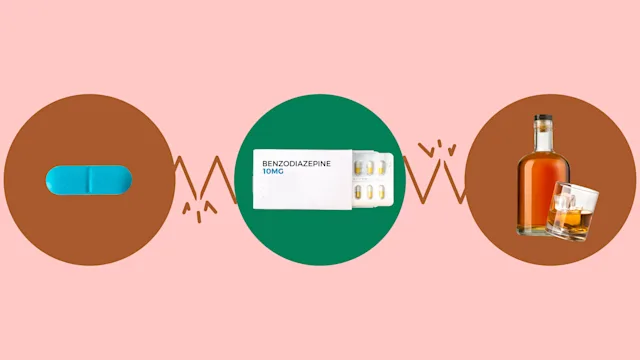
Withdrawal from substances like alcohol, benzodiazepines, or barbiturates
What are the risk factors for status epilepticus?
Status epilepticus can happen to anyone. But some people have a higher risk than others. Risk factors for status epilepticus include:
Existing epilepsy: This is the strongest single risk factor for developing status epilepticus. Missing doses of your seizure medications or stopping them entirely will increase your risk.
Very young or older age: Status epilepticus is more common in young children (especially those with febrile seizures) and in older adults. In older adults, strokes and other brain conditions are common triggers.
Recent brain injury or brain disease: This includes stroke, traumatic brain injury, brain tumors, infections of the brain, or lack of oxygen to the brain. These conditions can disrupt normal brain signaling and make seizures harder to stop.
Alcohol or drug withdrawal: Sudden withdrawal from alcohol, benzodiazepines, or barbiturates is a well-known cause of status epilepticus in adults.
Metabolic problems: Low blood sugar, low sodium, kidney failure, or liver failure can lower the brain’s seizure threshold and increase the risk of prolonged seizures.
Pregnancy-related complications (eclampsia): Eclampsia is a serious complication of pregnancy marked by high blood pressure and seizures. These seizures can be prolonged and may progress to status epilepticus if not treated quickly.
How is status epilepticus diagnosed?
Status epilepticus is diagnosed when a seizure lasts longer than 5 minutes, or when seizures happen back to back without the person regaining consciousness in between. That time threshold is important because seizures that last more than 5 minutes are unlikely to stop on their own.
In convulsive status epilepticus (with visible shaking), the diagnosis is usually obvious based on the clinical observation by the medical team. But nonconvulsive status epilepticus can be much harder to recognize. A person may just seem confused, unresponsive, or unusually sleepy. In those cases, an EEG can help detect ongoing seizure activity.
At the same time, the healthcare team will work quickly to figure out why the seizure is happening to begin with. Testing for root causes of status epilepticus might include:
Blood tests (to check your glucose, electrolytes, and kidney and liver function)
Toxicology screening
Brain imaging (CT scan or MRI)
A lumbar puncture, if infection is suspected
What is the treatment for status epilepticus?
Status epilepticus is a medical emergency and requires immediate hospitalization. Once at the hospital, the healthcare team will work to find the underlying cause while trying to stop the seizure with IV (intravenous) medications.
The most common medications used to treat status epilepticus are:
Antiepileptics: fosphenytoin (Cerebyx), phenytoin (Dilantin), levetiracetam (Keppra), and valproic acid (Depakene)
Healthcare professionals may use different combinations and doses of these medications to stop the status epilepticus seizure. At the same time, they’ll also look for the underlying cause. This may require:
Blood and urine tests
Lumbar puncture (spinal tap)
EEG
Brain imaging, like a CT scan or MRI
And once they find the underlying cause, they’ll also treat that condition to help stop the seizures.
What happens if status epilepticus goes untreated?
Untreated status epilepticus can result in severe brain damage or death. As many as 20% of people with status epilepticus won’t recover. This is partly because the event that triggered status epilepticus is often serious — like severe head trauma. But it’s also because status epilepticus creates damage of its own.
Quick action leads to the best chance of recovery from status epilepticus. So go to the hospital right away. People with known risks for status epilepticus (such as epilepsy) can benefit from living with others who can help if they become unconscious. This is why it’s important to take prescribed seizure medications on time to keep seizure activity to a minimum.
Frequently asked questions
Most seizures last less than 2 minutes, and many stop within 30 to 60 seconds. A seizure that lasts longer than 5 minutes is unlikely to stop on its own and is considered status epilepticus. Because prolonged seizures are linked to worse outcomes, emergency treatment is required once you’ve had a 5-minute seizure.
Status epilepticus is a type of seizure. The main difference comes down to time. Status epilepticus happens when a seizure lasts longer than 5 minutes or when seizures occur back to back without full recovery in between. This framing is important because longer-lasting seizures are much more dangerous than short ones.
Healthcare professionals sometimes describe status epilepticus in stages based on how long it lasts and how it responds to treatment:
Early: a seizure lasting up to 5 minutes
Established: a seizure lasting more than 5 minutes
Refractory: seizures that continue despite initial treatment
Super-refractory: seizures that persist even after all possible treatments have been given
Most seizures last less than 2 minutes, and many stop within 30 to 60 seconds. A seizure that lasts longer than 5 minutes is unlikely to stop on its own and is considered status epilepticus. Because prolonged seizures are linked to worse outcomes, emergency treatment is required once you’ve had a 5-minute seizure.
Status epilepticus is a type of seizure. The main difference comes down to time. Status epilepticus happens when a seizure lasts longer than 5 minutes or when seizures occur back to back without full recovery in between. This framing is important because longer-lasting seizures are much more dangerous than short ones.
Healthcare professionals sometimes describe status epilepticus in stages based on how long it lasts and how it responds to treatment:
Early: a seizure lasting up to 5 minutes
Established: a seizure lasting more than 5 minutes
Refractory: seizures that continue despite initial treatment
Super-refractory: seizures that persist even after all possible treatments have been given
The bottom line
Status epilepticus can be a life-threatening condition of ongoing seizure activity lasting for more than 5 minutes. Seizures can be dramatic and frightening for those who witness them for the first time. If you witness a seizure, it’s not up to you to figure out if someone has status epilepticus or not. Contact emergency services right away. Rapid treatment of a seizure can prevent further complications — including status epilepticus.

Why trust our experts?




References
Bokhari, M. R., et al. (2022). Brain abscess. StatPearls.
Britton, J. W., et al. (2016). Introduction. Electroencephalography (EEG): An Introductory Text and Atlas of Normal and Abnormal Findings in Adults, Children, and Infants.
Chen, J. W. Y., et al. (2006). Status epilepticus: Pathophysiology and management in adults. Lancet.
Kaculini, C. M., et al. (2021). The history of epilepsy: From ancient mystery to modern misconception. Cureus.
Leitinger, M., et al. (2019). Epidemiology of status epilepticus in adults: A population-based study on incidence, causes, and outcomes. Epilepsia.
McFaline-Figueroa, J. R., et al. (2018). Brain tumors. American Journal of Medicine.
Meritam Larsen, P., et al. (2023). Duration of epileptic seizure types: A data-driven approach. Epilepsia.
Messina, Z., et al. (2022). Anoxic encephalopathy. StatPearls.
Newman, R. K., et al. (2021). Alcohol withdrawal. StatPearls.
Wylie, T., et al. (2023). Status epilepticus. StatPearls.