Key takeaways:
Dandruff is a scalp condition that causes small pieces of dry skin to flake off the scalp.
Malassezia, a fungus that lives on skin, is the most common cause of dandruff.
Other things that can trigger dandruff include stress, an excessively oily scalp, cold weather, and hair products. Skin conditions like eczema, psoriasis, and ringworm can also cause scalp flaking.
Using anti-dandruff shampoo is the best way to treat and prevent dandruff.
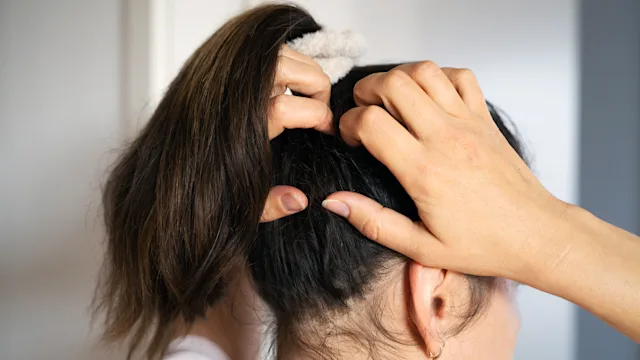
If you’ve ever had an itchy, flaky scalp, you’re not alone. About half of adults will develop these pesky flakes, better known as dandruff.
Anyone can develop dandruff, but some people are more prone to it than others. If you’re looking for a solution for your dry scalp, it helps to understand what causes dandruff in the first place.
Dandruff can happen for a few different reasons. For most people, it’s a combination of skin yeast, oily skin, and scalp irritation. And, for reasons we don’t completely understand, some people are just more likely to have dandruff than others.
Here are the nine most common causes of a dry, flaky scalp.
1. Malassezia
Dandruff is a sign of a skin condition called seborrheic dermatitis. Seborrheic dermatitis is caused by an overgrowth of a yeast-like fungus called Malassezia.
Malassezia is a normal part of the skin microbiome. This means it’s a natural part of the skin and contributes to skin health. Malassezia feeds on triglycerides (a type of fat in skin oil) and turns it into different byproducts (like oleic acid). Under normal conditions, this doesn’t cause any problems. But sometimes, there’s an overgrowth of Malassezia. This leads to too many byproducts, which cause inflammation and abnormal skin growth.
It’s not clear why Malassezia overgrows in some people. One reason could be due to differences in people’s genes. There’s also evidence that people with certain medical conditions are more prone to these imbalances. Some conditions linked to Malassezia overgrowth include:
Previous organ transplant
2. Oily skin
Too much skin oil can trigger dandruff. Oil glands (called sebaceous glands) can sometimes be overactive. Examples are during times of hormonal change (like puberty). In these times, the glands produce more oil in the hair follicles and on the skin. In some people, this excess oil leads to an overgrowth of the skin yeast that causes dandruff.
3. Dry skin
Overly dry skin on your scalp can also trigger dandruff in some people. It’s not exactly clear why this happens. But it could be that a decrease in certain fats in the skin disrupts its natural protective barrier. This can then lead to scalp irritation and increased flaking.
4. Age
Age is also a risk factor for developing seborrheic dermatitis. It’s more common in infants and young children (called cradle cap) mainly because of excess oil production during this age. It’s also common in older adults. This may be because the immune system isn’t as strong as you get older. When this happens, Malassezia can grow more.
5. Scalp irritation
Anything that irritates or damages the skin on your scalp can trigger dandruff. This is because when your skin is irritated, it can lead to a break or damage to the skin’s natural protective barrier. The skin may then try to heal the damage by overproducing cells. This leads to a buildup of skin cells, which then flake off. When there’s more flaking off than normal, it produces dandruff.
Skin irritation can be caused by a variety of irritants, like:
Hot showers
Hair products containing alcohol
Heat styling techniques
Pool chemicals
6. Sensitivity to hair products (contact dermatitis)
One common cause of skin irritation are hair products. Strong soaps or other chemicals can cause skin irritation or an allergic reaction called contact dermatitis. This causes skin inflammation, which can trigger dandruff.
If you think one of your hair products could be making your dandruff worse, try to eliminate your different products, one at a time. This can help you identify the potential trigger, so you can stop using it completely.
7. Stress
If you’ve noticed your dandruff tends to get worse when you’re stressed, you’re not imagining it. There’s evidence that psychological stress can affect your skin health and make you more likely to develop certain skin conditions, including dandruff.
Stress can make your skin more prone to irritation. And it can make it harder for your skin to recover and repair itself. It can also affect the production of natural oils. Like other causes of skin irritation, this can trigger skin flaking.
8. Humidity changes
Some people notice that their dandruff gets worse during the winter. But it’s not really the cold that triggers dandruff. Rather, it’s the drop in humidity. During colder months, the air gets drier. Also, people spend more time in drier, heated indoor environments. Low humidity dries out the skin, including the skin on your scalp. This dryness can lead to skin irritation and flaking.
9. Diet
What you eat can affect your skin health, including your risk of dandruff. The relationship between diet and dandruff is still being studied, but some studies suggest that diets high in sugar are linked with dandruff and can increase oil production. Limiting your intake of extra sugar may help improve your dandruff and overall health.
What does dandruff look like?
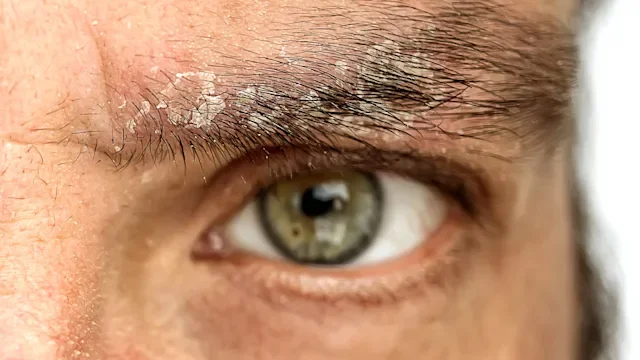
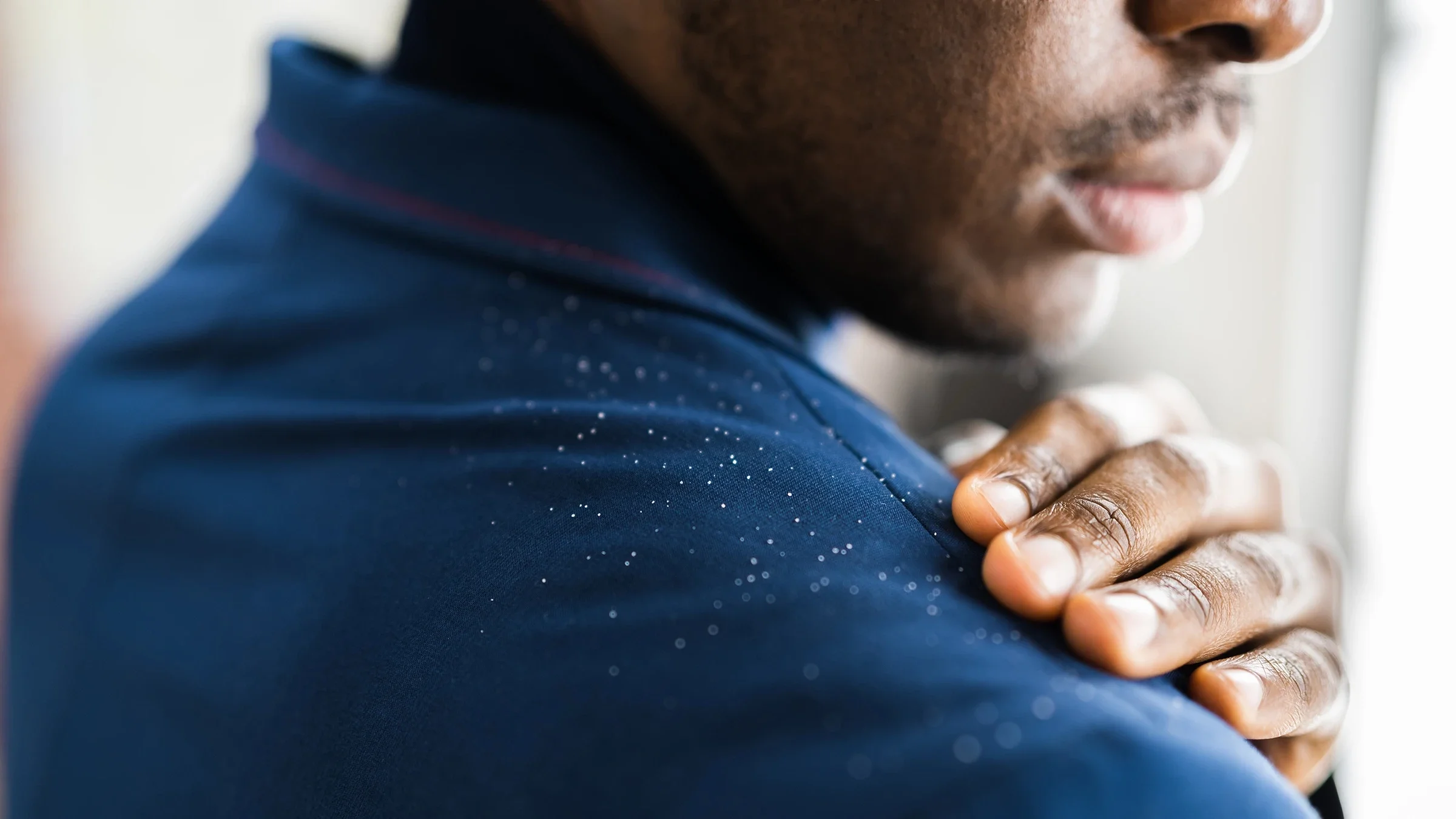
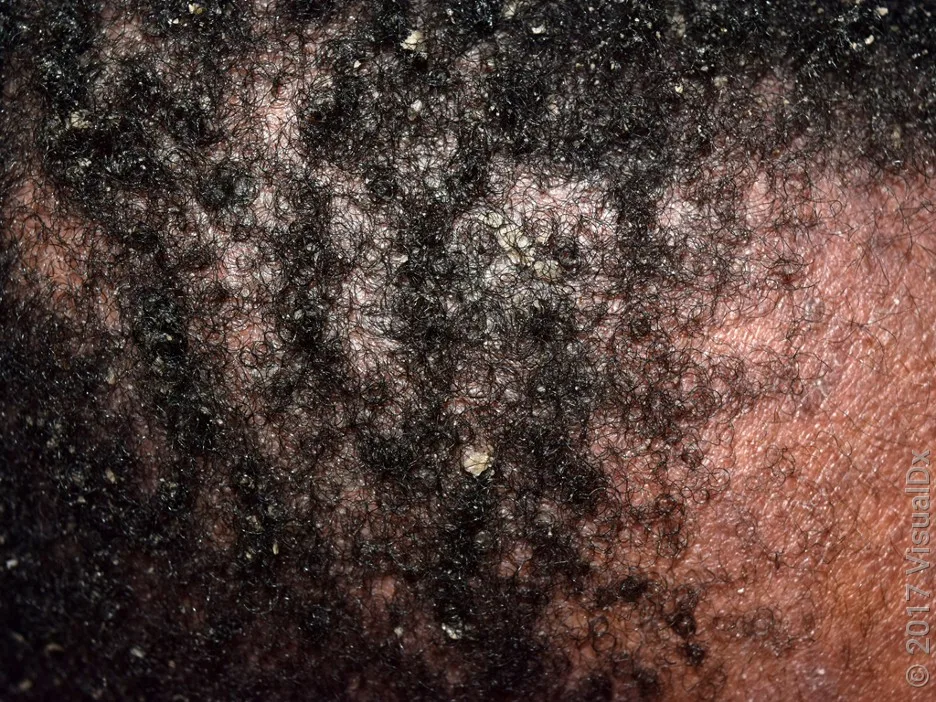
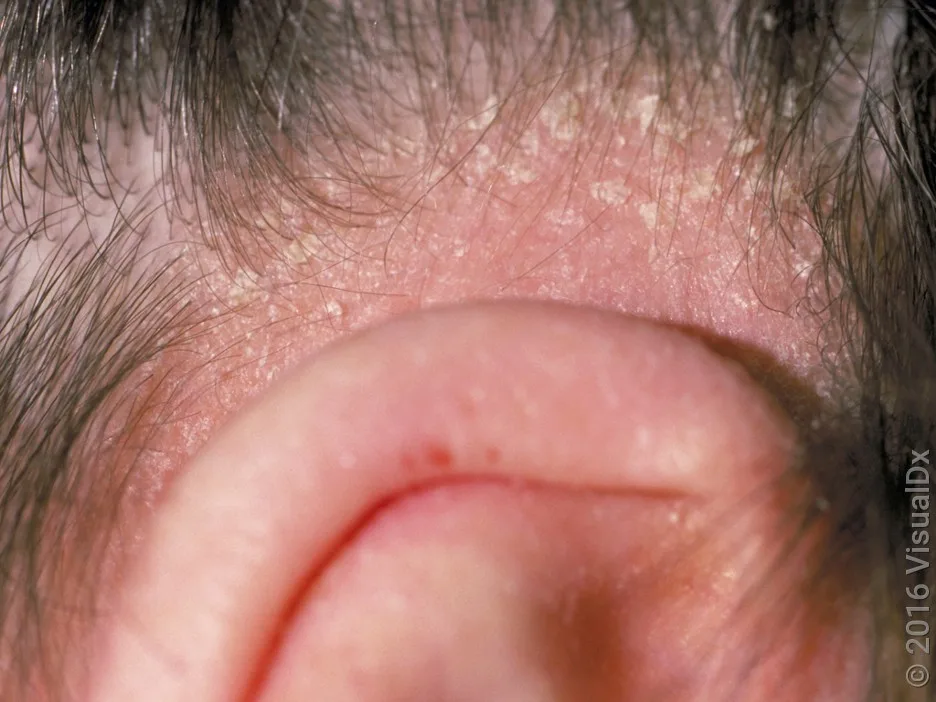
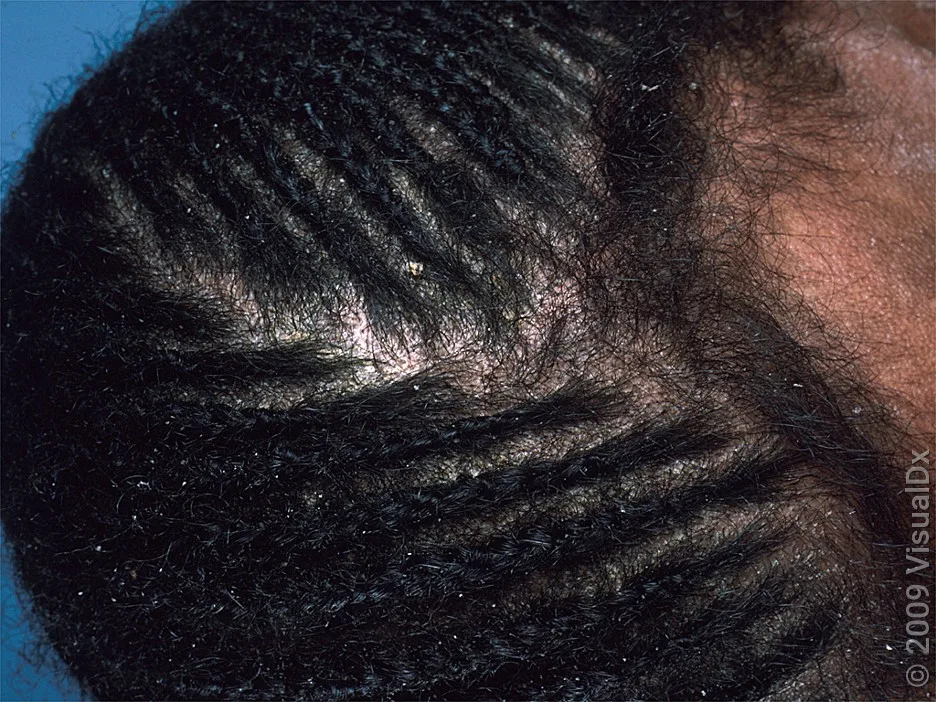
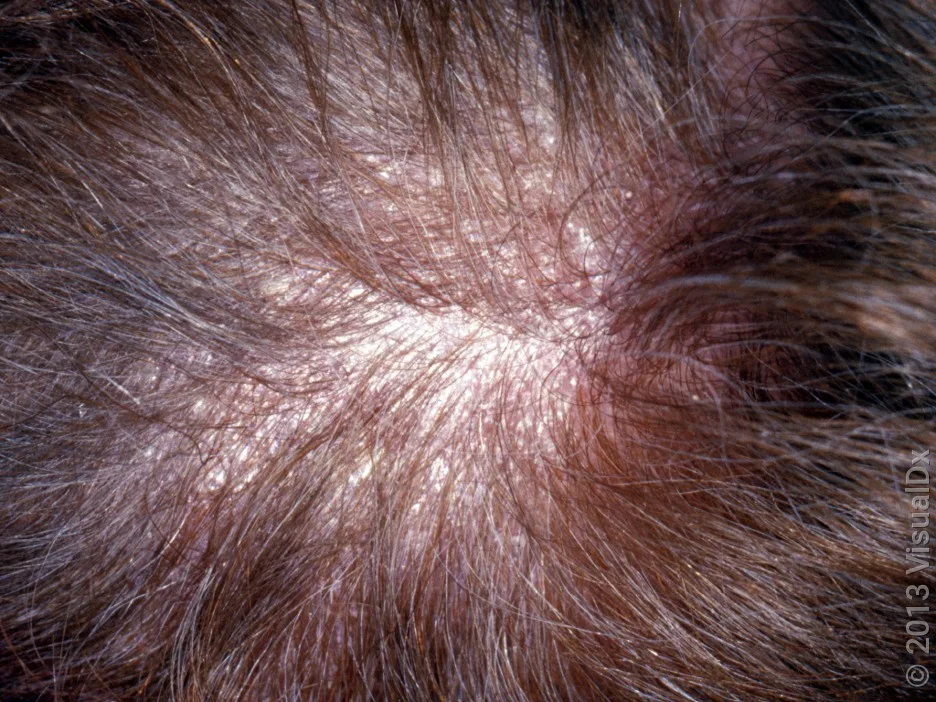
Dandruff looks like many small, white, gray, or yellow flakes (dead skin cells) on the scalp. Flakes can be scattered around hair shafts or form clumps on the scalp surface. When dandruff is more severe, the flakes can fall from your scalp and onto your shoulders and upper body. (They’re most noticeable with dark clothing.)
Here are some pictures of what dandruff typically looks like in different skin tones.
Skin conditions that can look like dandruff
Certain skin conditions can also affect the skin on the scalp. This can lead to dandruff-like flaking.
Examples include:
Eczema, also called atopic dermatitis, is a chronic skin condition that causes patches of dry, itchy skin. It can affect any part of the body, including the scalp.
Psoriasis is an autoimmune condition that causes patches of itchy, scaly skin. Psoriasis can affect different parts of the body, including the scalp, hair line, nails, and joints.
Ringworm is a fungus that can infect skin anywhere on the body. Unlike Malassezia, this fungus isn’t supposed to live on your skin. On the scalp, ringworm is called tinea capitis.
These skin conditions can cause dandruff-like flakes. However, the symptoms are usually more severe than regular dandruff. Along with scalp flaking, people usually notice itchiness, redness, and scalp pain, too. This can be a clue that there’s more going on than just dandruff.
How can you prevent dandruff?
If you’re prone to dandruff, prevention starts with keeping Malassezia in check. The easiest way to do this is to use a medicated, antifungal dandruff shampoo once or twice a week, even if you’re not seeing any flaking. You can look for the active ingredient zinc pyrithione, which is safe to use regularly and won’t damage your hair.
The next step is to protect your scalp from damage and irritation by following some practices, such as:
Use warm water to wash your hair, instead of very hot water.
Avoid hair products that contain alcohol.
Keep heat styling to a minimum.
Wear a hat when you’re out in the sun.
Use a moisturizing shampoo or hair mask when the weather is dry.
Turn on a humidifier during cold, dry months.
How do you get rid of dandruff?
You can treat dandruff with medicated anti-dandruff shampoos and scalp treatments. These treatments reduce the amount of Malassezia on the skin and help repair the skin barrier. They’re available over the counter (OTC) in pharmacies and most grocery stores.
Ingredients to look for in anti-dandruff shampoos
Look for treatments containing one of these ingredients:
Selenium sulfide (like Selsun Blue and Head and Shoulders Clinical Strength shampoos)
Zinc pyrithione (like Head and Shoulders shampoo)
Ketoconazole (like Nizoral shampoo)
Tar-based shampoo (like Neutrogena T/Gel Shampoo)
Salicylic acid (like Neutrogena T/Sal Shampoo)
You can also add some natural remedies for dandruff like tea tree oil and apple cider vinegar rinses.
When should you see a healthcare professional about dandruff?
You can usually treat dandruff successfully at home with OTC products.
But if it’s not getting better, you may need to see a healthcare professional. There are prescription-strength anti-dandruff treatments that can help your scalp recover. A medical professional can also make sure that your symptoms aren’t being caused by another medical condition like psoriasis, eczema, or ringworm. These won’t get better without targeted treatments.
Sometimes dandruff can look similar to other conditions, like psoriasis or an allergic reaction to hair product ingredients (like formaldehyde-releasing products). If your dandruff isn’t improving with regular treatment, your dermatologist can help you see if something else is going on.
Frequently asked questions
No. Dandruff isn’t just limited to the scalp. It can happen in other areas, like your:
Sides of the nose
Beard area
Ear canals
The same treatments for the scalp can work for these locations, too.
Dandruff can happen to anyone at any time. If you develop dandruff suddenly, there may be an underlying trigger you’re not aware of. For example, you may have started a new hair product. Or maybe you’re experiencing a lot of stress. The best thing to do is to evaluate the weeks before your dandruff started to see if you can identify any triggers.
Dandruff itself doesn’t cause hair loss. But if your dandruff is causing you to scratch your head or pick at your scalp a lot, this could cause small areas of skin scarring. If this scarring involves hair follicles, you could experience hair loss in those areas.
No. Dandruff isn’t just limited to the scalp. It can happen in other areas, like your:
Sides of the nose
Beard area
Ear canals
The same treatments for the scalp can work for these locations, too.
Dandruff can happen to anyone at any time. If you develop dandruff suddenly, there may be an underlying trigger you’re not aware of. For example, you may have started a new hair product. Or maybe you’re experiencing a lot of stress. The best thing to do is to evaluate the weeks before your dandruff started to see if you can identify any triggers.
Dandruff itself doesn’t cause hair loss. But if your dandruff is causing you to scratch your head or pick at your scalp a lot, this could cause small areas of skin scarring. If this scarring involves hair follicles, you could experience hair loss in those areas.
The bottom line
Dandruff triggers include dry weather, stress, and hair products. But by far the most common trigger for dandruff is Malassezia overgrowth on the scalp. Most of the time, you can prevent dandruff with regular use of anti-dandruff shampoos and by avoiding triggers. Using medicated shampoos more frequently can help treat established dandruff, too.
If you’re not seeing improvement with medicated shampoos, talk with a healthcare professional. You may have a different medical condition that looks like dandruff — but isn’t. Or, you may need a stronger, prescription-only treatment for your dandruff.

Why trust our experts?



Images used with permission from VisualDx (www.visualdx.com).
References
Altalhi, E. R., et al. (2023). Association of psychological stress with skin symptoms among the population in Saudi Arabia: A cross-sectional study. Cureus.
Bholah, N. G., et al. (2024). Seborrhoeic dermatitis. DermNet.
Borda, L. J., et al. (2016). Seborrheic dermatitis and dandruff: A comprehensive review. Journal of Clinical and Investigative Dermatology.
Chandra, S. H. V., et al. (2021). Cutaneous Malassezia: Commensal, pathogen, or protector? Frontiers in Cellular and Infection Microbiology.
Clark, G. W., et al. (2015). Diagnosis and treatment of seborrheic dermatitis. American Family Physician.
De Pessemier, B., et al. (2021). Gut-skin axis: Current knowledge of the interrelationship between microbial dysbiosis and skin conditions. Microorganisms.
Ludmann, P. (2022). Seborrheic dermatitis: Self-care. American Academy of Dermatology Association.
Manuel, F., et al. (2011). A new postulate on two stages of dandruff: A clinical perspective. International Journal of Trichology.
Mills, K. J., et al. (2012). Dandruff/seborrhoeic dermatitis is characterized by an inflammatory genomic signature and possible immune dysfunction: Transcriptional analysis of the condition and treatment effects of zinc pyrithione. British Journal of Dermatology.
Nemours KidsHealth. (2019). Dandruff.
Saxena, R., et al. (2018). Comparison of healthy and dandruff scalp microbiome reveals the role of commensals in scalp health. Frontiers in Cellular and Infection Microbiology.
Tucker, D., et al. (2024). Seborrheic dermatitis. StatPearls.
Turner, G. A., et al. (2012). Stratum corneum dysfunction in dandruff. International Journal of Cosmetic Science.
Wikramanayake, T. C., et al. (2019). Seborrheic dermatitis—Looking beyond Malassezia. Experimental Dermatology.