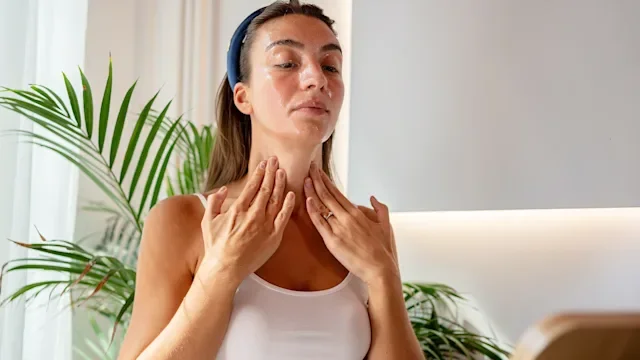
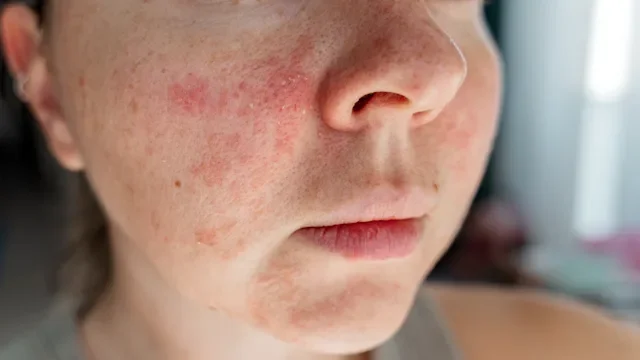
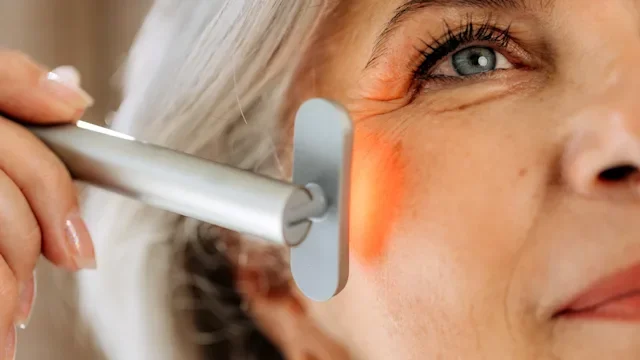
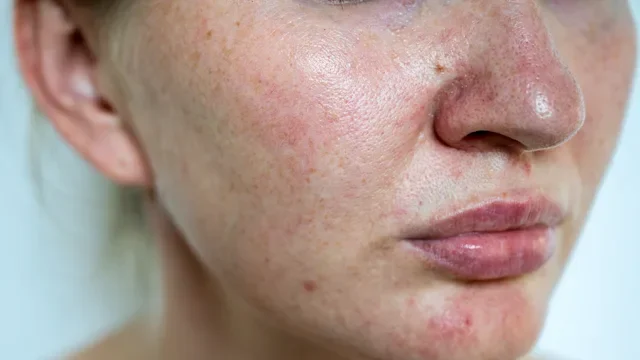
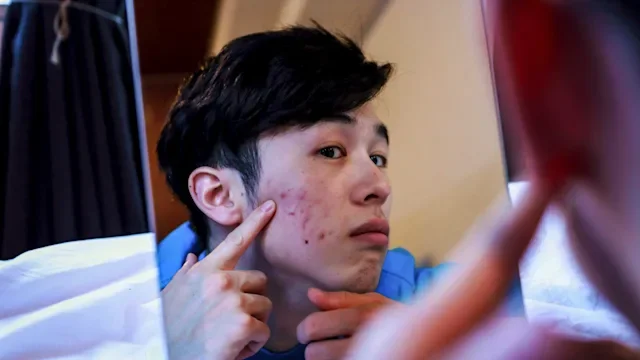
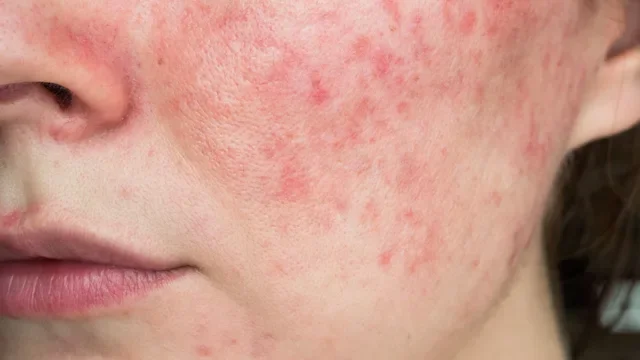
Being an active blusher may not seem like a big deal, but there’s more to rosacea than just crimson cheeks. In fact, this skin disorder can affect an individual’s health, self-esteem, and overall quality of life. In this video, learn the definition, types, symptoms, and treatments for rosacea.
References
American Academy of Dermatology Association. (n.d.). Rosacea resource center.
Heisig M., et al. (2018). Psychosocial aspects of rosacea with a focus on anxiety and depression. Clinical, Cosmetic, and Investigational Dermatology.
Maier, L. E. (2023). Management of rosacea. UpToDate.
MedlinePlus. (2016). Rosacea.
National Institute of Arthritis and Musculoskeletal and Skin Diseases. (2021). Rosacea.

Why trust our experts?

Written by:
Lauren Smith, MALauren Smith, MA, has worked in health journalism since 2017. Before joining GoodRx, she was the senior health editor and writer for HealthiNation.

Reviewed by:
Sanjai Sinha, MDSanjai Sinha, MD, is a board-certified physician with over 20 years of experience. He specializes in internal medicine.