Postpartum Depression: Symptoms, Treatments, and More
Comprehensive information for you or a loved one — including treatment options and discounts on popular medications.

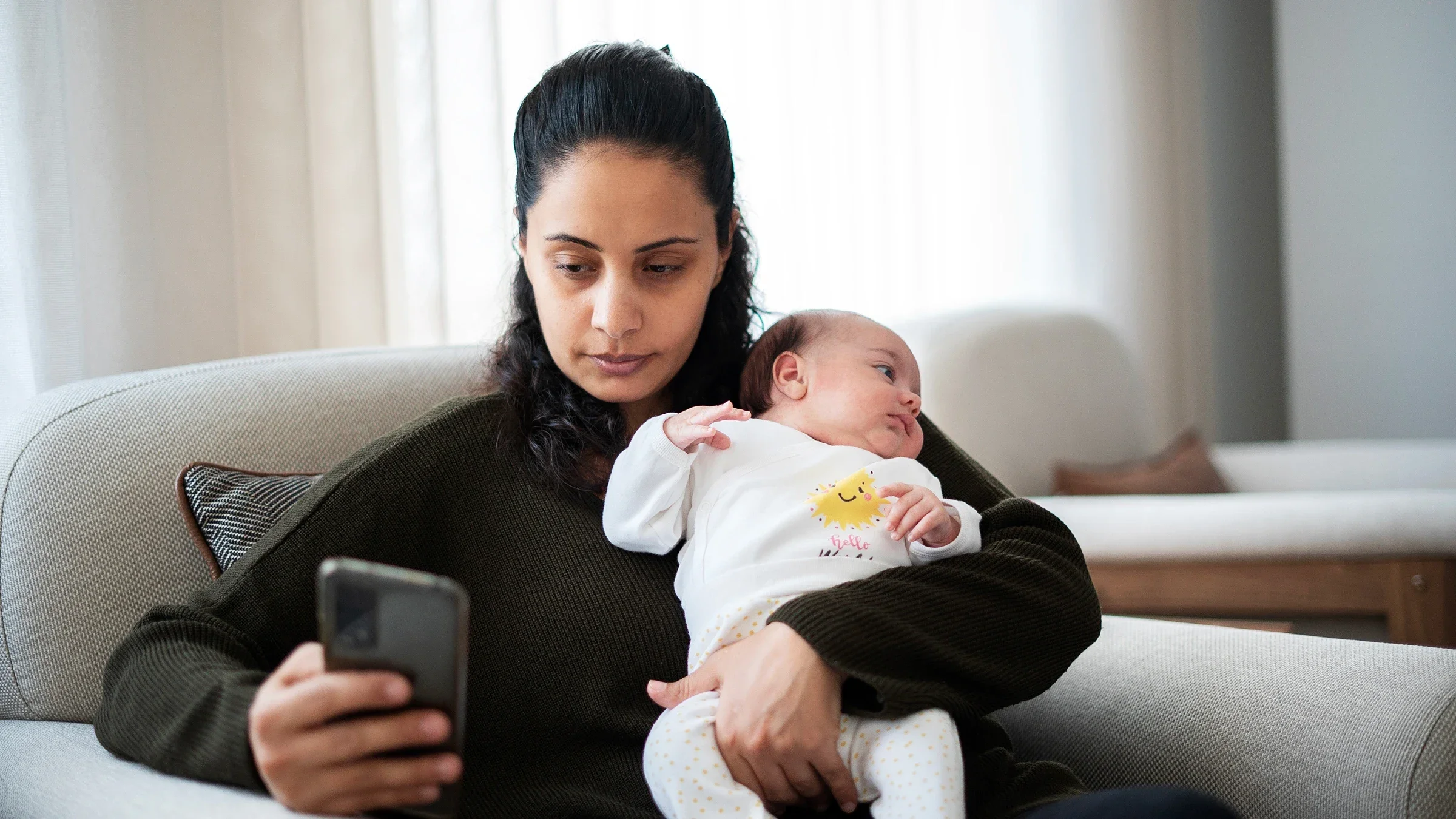
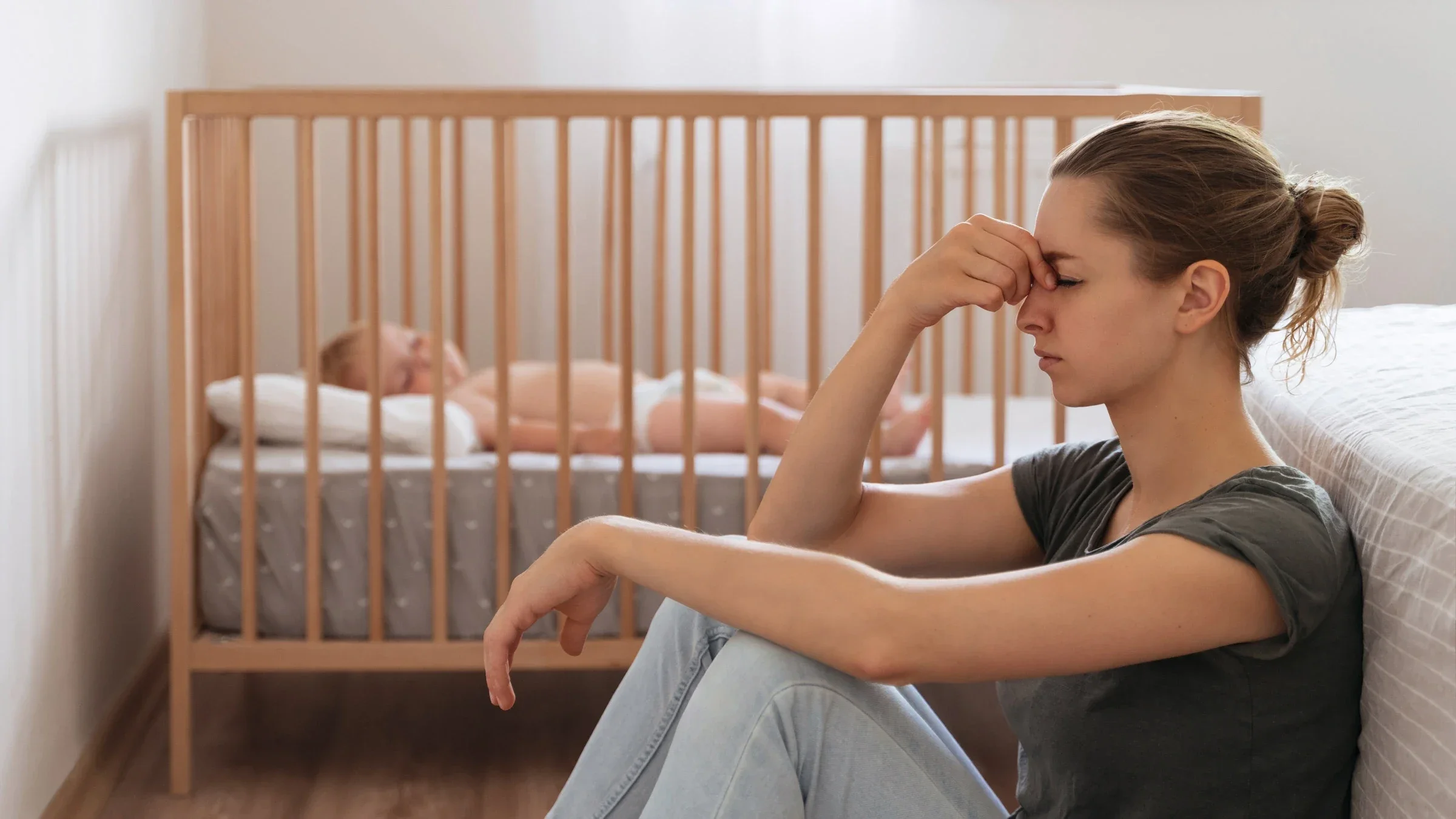
Having a baby is a major life change. If you’ve just given birth, it’s totally normal to feel nervous, tired, or even sad for a few days. Sometimes, people call this the “baby blues.” These feelings usually go away within the week.
But for up to 20% of women, these symptoms don’t go away. When this happens, it may be a sign of postpartum depression (PPD). PPD is a mental health condition that causes ongoing sadness, hopelessness, and feelings of emptiness.
PPD can affect:
Your thoughts and actions
Your relationships
Your ability to function in day-to-day life
Your ability to care for yourself and your baby
It’s important to know that PPD is a real health condition. And there are treatments that work, including therapy, medications, and social support. Having PPD doesn’t mean that you aren’t a good parent or that you don’t love your baby.


PPD is a common condition. It’s the number one health problem in childbirth, affecting 1 in 8 women. PPD also affects men and adoptive parents.
Scientists don’t know exactly why people get PPD. It’s possible that it’s somehow related to the emotional, social, and hormonal changes that happen when a new baby arrives.
Some groups of people are more likely to get PPD. You may have a higher risk for postpartum depression if you:
Have a history of depression or anxiety
Have a family history of mental illness, including PPD
Don’t have a strong support network
Have relationship or money problems
Are under age 20
Have a history of alcohol or substance use problems
Have a baby with special needs
Had a high-risk pregnancy or difficult childbirth
Have an unplanned or unwanted pregnancy
Having depression during pregnancy is the number one risk factor for PPD.
PPD usually starts in the first month after the baby arrives. It can also begin up to a year after birth. Symptoms last for at least 2 weeks — and often longer.
Common symptoms of PPD are:
Feeling sad, hopeless, or anxious
Irritability
Guilt or shame
Loss of joy or pleasure
Having a hard time feeling connected to your baby and/or your friends and family
Crying a lot
Feeling tired
Sleeping less or more than usual
Eating less or more than usual
Feeling nervous about your ability to care for your baby
Having trouble thinking clearly
Having thoughts about hurting yourself or your baby
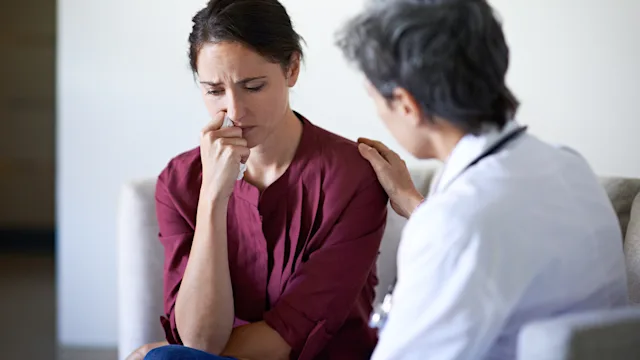
If you have symptoms of PPD, reach out to your primary care provider or OB-GYN. They can talk with you about your symptoms and make a diagnosis of PPD.
They might also ask you to fill out the Edinburgh Postnatal Depression Scale. This questionnaire can help you track your symptoms. You can also take it online and share the results with your healthcare team.
Your healthcare team might also order lab tests. These tests can help rule out other possible causes for your symptoms, like hypothyroidism or low iron.
Everyone experiences PPD differently, so it’s important to work with your healthcare team to find what works best for you. Therapy and medications are the main treatments for PPD. Creating a support network, taking parenting classes, and exercising (if you enjoy it) can also help.
Research shows that therapy can work well as a first-choice treatment for PPD — especially if you have mild symptoms. Therapy can help you understand your thoughts, feelings, and behaviors. It can also teach you new skills and coping strategies. Types of therapy that can treat PPD include:
Interpersonal therapy
Family or couples therapy
If you have mild or moderate PPD, therapy is often the best place to start. But for many people, medication can also be helpful — either on its own or along with therapy.
Medications used for PPD include:
Antidepressants: These are the most common medications for PPD. They’re daily medications that help your symptoms go away. Antidepressants take several weeks to start working, but many can be used while nursing. The FDA hasn’t approved antidepressants to treat PPD. But healthcare professionals can prescribe them “off-label” for PPD.
Zuranolone (Zurzuvae): In 2023, Zurzuvae became the first oral medication approved to treat PPD. It helps regulate mood by balancing certain chemicals in the brain. Usually, you can take it once a day with food for 2 weeks. You may need to get special approval from your insurance company to cover the cost of Zurzuvae.
Esketamine (Spravato): This nasal spray is FDA approved for treatment-resistant depression, but not PPD. So it may be recommended off-label when other options haven’t worked. Scientists are also studying this medication as a preventive treatment for PPD in mothers who show signs of depression during pregnancy.
If you have PPD, remember: It’s not your fault. PPD is a mental health condition that has nothing to do with your ability to be a good parent.
Just like any other health condition, you deserve extra care and support while you’re recovering. To cope with PPD, you may find it’s helpful to:
Talk with friends and family about your experience. A new baby brings on a lot of change. Your social support network can make a big difference. This may include friends, family, and people from your healthcare team.
Join a postpartum support group.
Enroll in a parenting glass. These classes can be especially helpful for first-time parents. Many clinics and hospitals offer parenting classes for free.
Get help taking care of your baby.
Sleep or rest as much as possible.
Exercise if you’re able to. Doing moderate-intensity exercise, like brisk walking, can be especially helpful if you enjoy the activity.
Let go of nonurgent responsibilities.
It’s also important to have a safety plan, in case you have thoughts of hurting yourself or your baby. Here are some things to consider for your safety plan:
Choose a partner, friend, or family member to be your emergency contact.
Have the contact information for your healthcare team close at hand.
Know the National Suicide Prevention Lifeline phone number: 1-800-273-8255
Text “HOME” to 741741 to connect with a live Crisis Text Line counselor.
Call 911 or go to the nearest emergency room in a life-threatening situation.
There are different words used for the time period before, during, and after childbirth:
Perinatal: This is the whole time period before, during, and after childbirth. It starts when you get pregnant and ends a year after giving birth.
Prenatal: This is the time period before birth. It starts when you get pregnant and ends when you give birth.
Postpartum: This is the time period after birth. It starts when you give birth and ends a year later.
There are different words used for the time period before, during, and after childbirth:
Perinatal: This is the whole time period before, during, and after childbirth. It starts when you get pregnant and ends a year after giving birth.
Prenatal: This is the time period before birth. It starts when you get pregnant and ends when you give birth.
Postpartum: This is the time period after birth. It starts when you give birth and ends a year later.
It’s not clear. Many people with PPD get better in 3 to 6 months. But there’s evidence that some people can continue having symptoms for months or years — especially in people who have more severe symptoms. Early diagnosis and treatment may help you recover more quickly.
Yes. It’s possible to get depression while pregnant. This is sometimes called perinatal or prenatal depression. People who have depression while pregnant have a high risk for PPD.
Postpartum psychosis (PPP) is a rare condition that usually occurs in the first month after childbirth. People with PPP have an altered experience of reality, to the point where it interferes with their ability to function.
Symptoms include:
Paranoia
Hallucinations
Delusions
Suicidal thoughts
PPP is a medical emergency. If you or a loved one are experiencing any of these symptoms, you should see a healthcare professional immediately.
Yes. This is why it is important to talk with a healthcare professional if you’re having symptoms.
Untreated PPD can put your child at risk for physical as well as learning and behavioral problems.
American College of Obstetricians and Gynecologists. (2019). Summary of perinatal mental health conditions.
American College of Obstetricians and Gynecologists. (2023). Treatment and management of mental health conditions during pregnancy and postpartum. Obstetrics & Gynecology.
Prescription savings
Stop paying too much for your prescriptions. Compare prices, get pharmacy coupons, and save up to 80%. Find expert answers to your health questions so you can make the best decisions for yourself and your family.
Health conditions
Medications & treatment
Access & affordability
Medication discounts