Key takeaways:
Fentanyl is a very powerful opioid. Even small amounts can quickly lead to cardiac arrest and death.
Symptoms of a fentanyl overdose include slow or shallow breathing, pale skin, slow pulse, and loss of consciousness.
Overdoses are medical emergencies that require immediate treatment. If you see someone having an overdose, call 911 and administer naloxone (Narcan) if you have it on hand.
Save on related medications
Fentanyl is a strong and dangerous opioid. It’s one of the main causes for the recent increase in overdose deaths in the U.S. Fentanyl can be used in hospitals and as a prescription for pain management. But illegal versions are often mixed into other drugs, so, it can quickly lead to an unintentional overdose. If someone you know has access to fentanyl, it’s important to recognize the signs of a fentanyl overdose — and that you know what to do when you think they need help.
What are the symptoms of a fentanyl overdose?
A fentanyl overdose looks very different from a typical high. When someone is high on opioids, they often look relaxed, nod off to sleep easily, and slur their speech. But, in an overdose, someone tends to look more unconscious than just relaxed.
Fentanyl — like other opioids — produces a predictable set of effects during overdose. So the signs are the same whether someone is overdosing on heroin, morphine, or fentanyl. Someone who has overdosed on fentanyl can have one or more of the following symptoms:
Breathing that’s slow, shallow, erratic, or completely stopped
Extreme lethargy, difficult to arouse, or unconsciousness
Small, “pinpoint” pupils
Weak pulse, which might feel either slow or fast
Vomiting
Choking or gurgling sounds with breathing
A limp or lifeless look
A pale look
Skin that feels cold and clammy
Blue lips and fingernails
Opioid overdoses are dangerous because the slowed breathing can cut off oxygen to the brain and other organs. And, without oxygen, the body can’t survive for long. Even with a quick response, someone can suffer long-term brain damage.

How to get free Narcan at home: You can give naloxone (Narcan) to anyone you suspect is overdosing. Here’s how to get free Narcan to keep on hand in an emergency.
How to perform CPR: In addition to Narcan, it’s important to know how to give CPR. And you don’t need to be certified to do it.
Is prescription fentanyl safe? If you or someone you know is prescribed fentanyl for pain, it’s important to know how to safely administer the medication.
How do you treat a fentanyl overdose?
Fenantyl — like other opioids — has an antidote. Fentanyl overdose can be treated with the medication naloxone (Narcan). It can reverse the effects of fentanyl very quickly. This is usually the first action that you or a medical team will use to treat an overdose.
Other treatments may also be necessary for someone who has overdosed on fentanyl. It often takes a team of medical professionals to support someone through an overdose. This means multiple medications and treatments to maintain a steady pulse and breathing pattern.
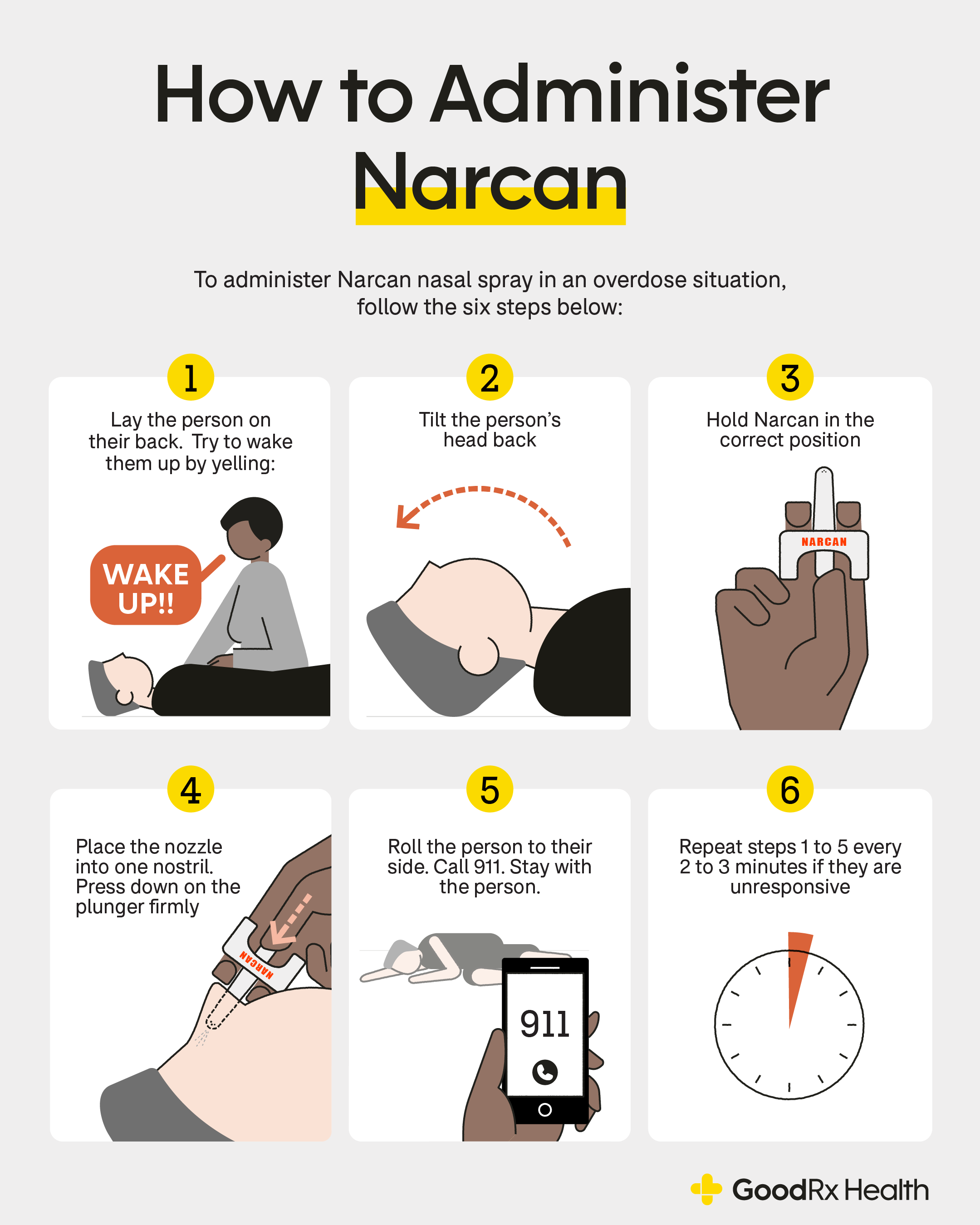
What is naloxone, and how do you use it?
Naloxone is a medication that reverses the effects of opioids in the body. It works by blocking the effects of fentanyl (and other opioids) in the body. It can quickly treat an overdose and prevent fentanyl from causing harm.
A helpful feature of naloxone is that it specifically targets opioid receptors. This means it doesn’t affect someone who has no opioids in their system. Because of this, naloxone is used whenever any signs of a drug overdose are suspected.
Naloxone is available to the general public in two forms:
Injection: This form is injected into a muscle or under the skin. It allows the medication to enter the bloodstream quickly. It’s available under various names, including Zimhi.
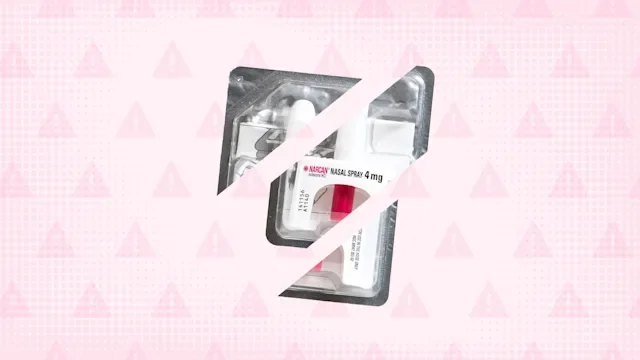
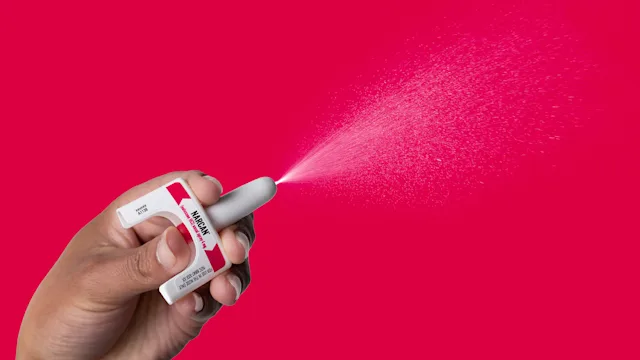
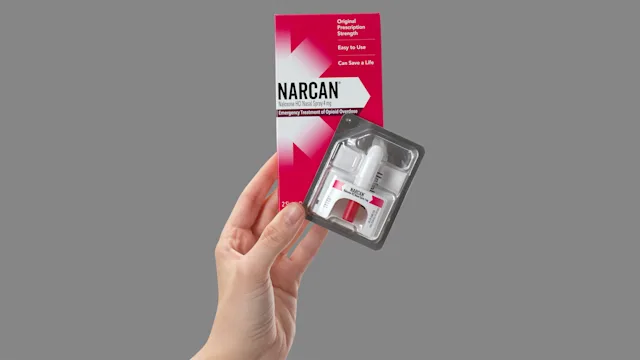
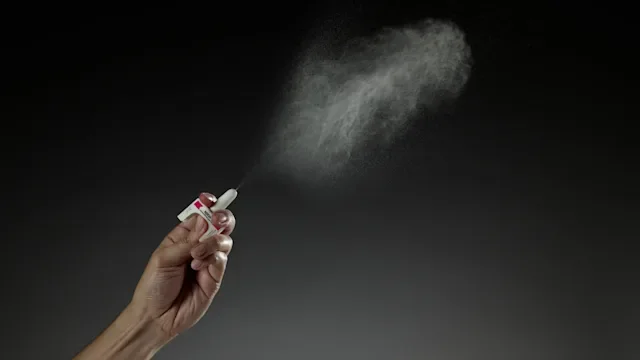
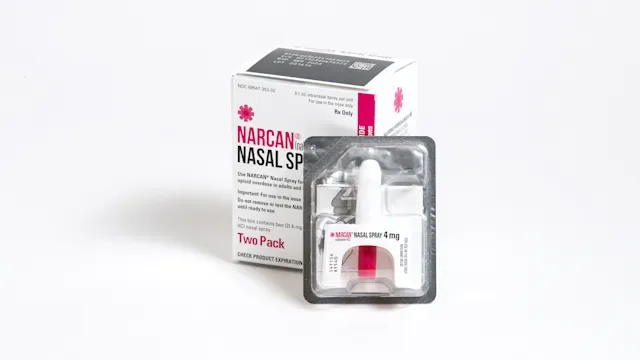
Nasal spray: This form comes in a prefilled, needle-free spray. It delivers the medication in the nostril when the person is lying down. This version may be known as Narcan or Kloxxado. It’s now available over the counter, and you don’t need a prescription to buy it.
Even if you are able to use Narcan you have on hand, it’s important to note that fentanyl overdoses may require extra care. Fentanyl — and other opioids — can outlast the effects of naloxone. This means that people may need multiple doses over a period of time to effectively reverse the opioid overdose effects.
What should you do if someone is overdosing in front of you?
If you think someone is overdosing, you should act quickly. Don’t worry if you’re not sure which drugs are in their system. If the person is showing any of the signs and symptoms of fentanyl overdose listed above, assume they’re in danger. Your swift action could save their life.
To help someone overdosing on fentanyl:
Call 911 right away. Don’t worry about getting into legal trouble. Most states have laws that protect people when they’re trying to help someone in need.
Use naloxone if you have it. Many states offer free access to naloxone. Others make it available with a prescription.
Check for a pulse, and start CPR if you can’t feel one.
Try to stimulate the person to keep them alert and awake. One of the most effective ways to do this is with a “sternal rub.” Make a fist and vigorously rub your knuckles on their breast bone. Don’t be afraid to use some force, it usually takes a good amount of pressure to wake them up.
Roll the person onto their side so they’ll be less likely to choke.
Stay by their side. Don’t leave them until medical professionals are on the scene.
Emergency medical workers can perform other interventions to assist the person during and after the overdose. They can:
Offer CPR and/or medications to help their blood flow.
Provide additional doses of naloxone as needed.
Give oxygen and support their breathing.
Your quick response to an overdose — and getting help as soon as possible — can mean the difference between life and death for someone.
Why is fentanyl so lethal?
Fentanyl is more lethal than other drugs for several reasons. First, it’s extremely strong. Fentanyl is 100 times stronger than morphine. It’s 50 times stronger than heroin. Even very small amounts can be deadly. Depending on the form, fentanyl is also quick acting. This fast action adds to the danger.
Another reason fentanyl can be so deadly is that it’s added into other illegal drugs. Heroin, cocaine, and counterfeit pills all may contain fentanyl. So someone may have no idea the substance they’re taking contains fentanyl.
Fentanyl is widely available as pills, powders, and prescription patches. People are now manufacturing fentanyl as a liquid, too. In this form, fentanyl can be found in forms like nasal sprays, eye drops, vapes, and candies.
How quickly do overdose deaths happen?
Fentanyl overdoses can happen very quickly. In an injectable form, fentanyl produces effects in about 60 seconds and peaks in 2 to 5 minutes. Total effects will last for between 30 minutes and 1 hour.
This speed can lead to an overdose quickly. But this is not true in all cases. Depending on the person and the other substances in their system, a lethal overdose can happen between 1 and 3 hours after use.
It’s never too late to help if you think someone might be overdosing.
What can you do to prevent the chances of a fentanyl overdose?
No one wants to experience or witness an opioid overdose. Fortunately, you can prevent fentanyl overdoses in a few simple steps:
If you’re prescribed fentanyl, always take it as directed. Don’t change the dose, frequency, or method of use.
Don’t mix fentanyl with alcohol or other drugs. Combining different substances can increase the chance of harmful effects.
Keep your fentanyl out of reach of others. Children may overdose on fentanyl without realizing what the medication is.
Test your drugs. If you’re using any substance you got outside of a healthcare setting, find test strips. They’re usually inexpensive and quick, offering results in just 5 minutes.
If you’re going to use drugs, make sure there are other people around. Being alone increases the risk of a deadly overdose.
Keep naloxone on hand.
Of course, the only way to truly prevent a fentanyl overdose is to not use fentanyl. Realistically, you need to make safer decisions about what, how, and how much you use.
The bottom line
Fentanyl is a dangerous opioid. And any type of substance use can lead to an unintentional exposure. If someone you know uses opioids or other substances, it helps to learn the signs of an overdose and keep naloxone on hand in the event of an emergency. If you suspect a fentanyl overdose, act quickly. Call 911 and administer naloxone.

Why trust our experts?



References
American Psychological Association. (2018). The opioid guide: A resource guide for practicing psychologists.
National Institute on Drug Abuse. (2024). Drug overdose death rates.
U.S. Government Accountability Office. (2021). Drug misuse: Most states have good Samaritan laws and research indicates they may have positive effects.
Vahedi, H. S. M., et al. (2019). Comparison between intravenous morphine versus fentanyl in acute pain relief in drug abusers with acute limb traumatic injury. World Journal of Emergency Medicine.