Key takeaways:
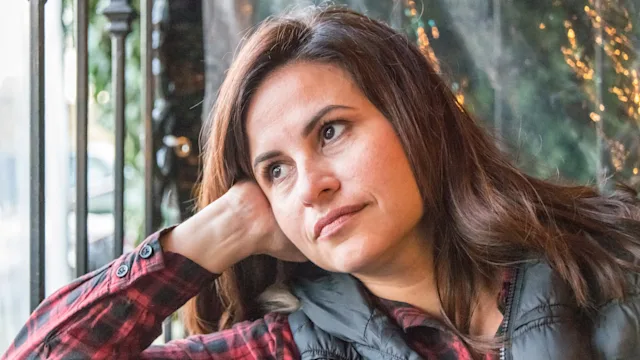
Women who have never been pregnant or had children may be more likely to go through early menopause. Pregnancy history may also affect menopause symptoms, like hot flashes, vaginal dryness, and mood changes.
Menopause before the age of 45 increases your risk of certain health conditions. These include cardiovascular disease, osteoporosis, depression, and dementia.
Many factors affect the timing and symptoms of menopause. Some of these factors include pregnancy and childbirth. But genes, nutrition, social factors, and health history also play a role.
Your menstrual period can vary with age, hormones, family history, and health conditions. Some of the factors that affect your period can also influence when menopause starts. They can also affect the kinds of symptoms you have during menopause and perimenopause. One of these factors is your pregnancy history.
Hormone changes during pregnancy affect all parts of a woman’s body. And they can impact the age when menopause begins and the symptoms that go along with it.
Does pregnancy affect menopause?
Pregnancy may affect the age at which you go through menopause.
For most women around the world, menopause happens between the ages of 45 and 55. In the U.S., the average age for menopause is 52. How old you are when your periods stop depends on factors like:
Your genes
Whether you’ve taken oral contraceptives or hormone therapy
Whether you smoke or have smoked in the past
Social factors, like income level and education
Nutrition
If a woman stops having periods before the age of 45, it’s called early menopause. If her periods stop before the age of 40, it’s called premature menopause. Pregnancy and breastfeeding seem to lower the likelihood of early and premature menopause.
This may happen because of the number of eggs in your ovaries. You are born with a fixed number of eggs. During pregnancy, ovulation stops, so the ovaries don’t release eggs. Nursing may also put a pause on ovulation for some women. Women who spend more time pregnant or nursing may ovulate later into life. And that could lead to menopause happening at a later age.
Do you go through menopause early if you’ve never been pregnant?
If you’ve never been pregnant, it doesn't mean you’ll definitely experience early menopause. But your chances may be higher.
In the United States, about 5% of women go through menopause before age 45. Around 1% experience menopause before the age of 40.
One study looked at more than 50,000 women from different countries who had already gone through menopause. The researchers compared women with different pregnancy histories. They found that:
Women who hadn’t given birth had more than twice the risk of starting menopause before the age of 40. They also had a higher chance of starting menopause between the ages of 40 and 44.
If the women who never had children also had their first period before the age of 12, their risk of premature menopause was about 5 times higher.
There are many reasons why women may not have biological children. It may be a matter of choice, circumstance, or because of a health condition that affects fertility. But each reason may involve different factors that influence the age when menopause begins.
Some of these factors include:
Oral contraceptive use: Birth control pills may delay the age when menopause begins, especially when taken for many years. At the very least, oral contraceptives don’t appear to increase the risk of early menopause.
Tubal ligation: Having a tubal ligation might increase the risk of early menopause. That’s because after the procedure, a little less blood is supplied to your ovaries.
A history of infertility: Infertility, regardless of what causes it, may be a risk factor for early menopause. But researchers are still studying why this happens.
Pregnancy loss: Miscarriage and stillbirth are also associated with early menopause.
Endometriosis: People with endometriosis can have trouble getting pregnant. In one large study, women with endometriosis had a higher risk of early menopause. This was especially true if they never used oral contraceptives or had not given birth.
Polycystic ovarian syndrome (PCOS): The hormone imbalances common in PCOS can also affect fertility. But unlike endometriosis, women with PCOS may begin menopause at a later age.
Are menopause symptoms worse if you’ve never been pregnant?
Hormones, pregnancy, and health conditions can all impact the age when menopause begins. These factors may also influence the type and severity of perimenopausal and menopausal symptoms.
During midlife and menopause, women who have experienced infertility may have a higher risk of:
Depressed mood
Feeling irritable
Trouble sleeping
Vaginal dryness
Less interest in sex
Some studies suggest that women who haven’t been pregnant or haven’t had children are less likely to have hot flashes and vaginal dryness. But other studies found that these women were more likely to experience menopausal symptoms.
This suggests that many aspects of physical and mental health likely come into play when it comes to menopause symptoms. For some women who have never been pregnant, certain symptoms may be worse. But that won’t be true for everyone.
What can help with menopause if you’ve never been pregnant?
Most experts recommend treatment with hormone replacement therapy (HRT) for women who begin menopause before the age of 45. Treatment is usually continued at least until the age that menopause starts for most women. The goal is to help prevent some of the long-term health conditions that can occur with early menopause.
Menopause before the age of 45 is a risk factor for:
Cardiovascular diseases like heart attack and stroke
Osteoporosis and osteopenia (fragile bones)
Depression and anxiety
Dementia symptoms, like problems with thinking and remembering
HRT may help to lower the risk of these conditions. If you’ve never been pregnant, here are some additional options to consider:
Nutrition: Certain foods, especially oily fish and legumes, may help to delay the age you begin menopause. On the other hand, processed foods made with refined wheat or rice may increase your risk of early menopause.
Not smoking: On average, people who smoke go through menopause 1-2 years earlier than those who don’t. Quitting also lowers your risk of health conditions like heart disease that can happen with early menopause.
Exercise: Regular physical activity can help to balance hormones. Along with a nutritious diet and not smoking, exercise improves the health of your heart, bones, and brain.
Sleep habits: Menopause can affect your sleep. And not getting enough quality sleep can make some menopause symptoms worse. Develop a regular sleep routine to get the best rest you can.
Mind-body practices: Try yoga, mindfulness-based stress reduction, and cognitive behavioral therapy (CBT). All of these may help ease menopause symptoms.
Vitamins and supplements: Evidence varies for how well different vitamins and supplements work for symptoms like hot flashes. Talk with a healthcare professional before starting over-the-counter (OTC) medications, herbal remedies, or supplements.
Hormonal treatments: Oral contraceptives may help to prevent early menopause. They can also help regulate menstrual periods and treat symptoms during perimenopause.
Mental well-being: Take care of your mental health. This is helpful advice for all women approaching or experiencing menopause. But it may be especially important for those who have gone through infertility treatments or experienced pregnancy loss.
Frequently asked questions
There’s no single “healthiest” age to go through menopause. Most women go through menopause between the ages of 45 and 55. But that doesn’t mean that going through menopause earlier or later is bad for you. Many factors affect the timing of this transition. Menopause is a natural part of aging, and your body will go through it when it’s the right time for you.
The first signs of menopause begin well before your periods stop, during the premenopause and perimenopause stages. In premenopause, some women may notice changes in their periods. Most early menopause symptoms don’t show up until perimenopause. These can include:
Hot flashes
Changes in mood, including increased feelings of depression or anxiety
Trouble sleeping
Changes in concentration and memory
Decreased libido
Vaginal dryness
Weight and body shape changes
Keep in mind that every person is different. Some people will experience very few or subtle symptoms, while others have more noticeable changes.
One of the biggest health risks associated with menopause is osteoporosis (weak bones). Because of this, it’s important to prioritize vitamins that help prevent bone loss and fractures. Three of the top vitamins that can help do this are:
Calcium: After age 50, women should aim to get 1,200 mg of calcium per day.
Vitamin D: Calcium and vitamin D work together to prevent bone loss. Vitamin D may also help with fatigue, hot flashes, and mood changes associated with menopause.
Magnesium: This is another critical nutrient that helps keep bones strong. It may also have some bonus benefits for sleep, mood changes, and blood pressure.
There’s no single “healthiest” age to go through menopause. Most women go through menopause between the ages of 45 and 55. But that doesn’t mean that going through menopause earlier or later is bad for you. Many factors affect the timing of this transition. Menopause is a natural part of aging, and your body will go through it when it’s the right time for you.
The first signs of menopause begin well before your periods stop, during the premenopause and perimenopause stages. In premenopause, some women may notice changes in their periods. Most early menopause symptoms don’t show up until perimenopause. These can include:
Hot flashes
Changes in mood, including increased feelings of depression or anxiety
Trouble sleeping
Changes in concentration and memory
Decreased libido
Vaginal dryness
Weight and body shape changes
Keep in mind that every person is different. Some people will experience very few or subtle symptoms, while others have more noticeable changes.
One of the biggest health risks associated with menopause is osteoporosis (weak bones). Because of this, it’s important to prioritize vitamins that help prevent bone loss and fractures. Three of the top vitamins that can help do this are:
Calcium: After age 50, women should aim to get 1,200 mg of calcium per day.
Vitamin D: Calcium and vitamin D work together to prevent bone loss. Vitamin D may also help with fatigue, hot flashes, and mood changes associated with menopause.
Magnesium: This is another critical nutrient that helps keep bones strong. It may also have some bonus benefits for sleep, mood changes, and blood pressure.
The bottom line
Menopause may occur earlier for some women who have never been pregnant or given birth. For those who start menopause before the age of 45, there’s a higher risk of chronic health conditions that can affect your heart, bones, and brain. Pregnancy history may also increase your risk for menopausal symptoms like hot flashes and vaginal dryness. But there are many factors that affect the timing and symptoms of menopause. Genetics, diet, exercise, social factors, and health conditions all play a role in the age you begin menopause and your experience with it.

Why trust our experts?


References
Appiah, D., et al. (2021). Trends in age at natural menopause and reproductive life span among US women, 1959-2018. JAMA.
British Menopause Society. (2025). BMS & WHC’s 2020 recommendations on hormone replacement therapy in menopausal women.
Dunneram, Y., et al. (2018). Dietary intake and age at natural menopause: Results from the UK women’s cohort study. Journal of Epidemiology and Community Health.
Fitz, V. W., et al. (2023). Exploring the relationship between history of infertility and the experience of menopausal symptoms. Menopause.
Gold, E. B. (2011). The timing of the age at which natural menopause occurs. Obstetrics and Gynecology Clinics of North America.
Hess, R., et al. (2008). Pregnancy and birth history influence women's experience of menopause. Menopause.
Kronemyer, B. (2021). Risk of early natural menopause from oral contraceptives or tubal ligation. Contemporary OB/GYN.
Langton, C. R., et al. (2020). Association of parity and breastfeeding with risk of early natural menopause. JAMA Network Open.
Liang, C., et al. (2023). Is there a link between infertility, miscarriage, stillbirth, and premature or early menopause? Results from pooled analyses of 9 cohort studies. American Journal of Obstetrics and Gynecology.
Mishra, G. D., et al. (2017). Early menarche, nulliparity and the risk for premature and early natural menopause. Human Reproduction.
Nakano, K., et al. (2012). Reproductive history and hot flashes in perimenopausal women. Journal of Women's Health.
National Cancer Institute. (n.d.). Premature menopause.
National Health Service. (2025). Early or premature menopause.
National Institute on Aging. (2024). What is menopause?
National Institute on Aging. (2021). Sleep problems and menopause: What can I do?
Nelson, D. B., et al. (2011). Effects of reproductive history on symptoms of menopause: A brief report. Menopause.
Office on Women’s Health. (2025). Early or premature menopause.
Palmer, J. R., et al. (2003). Onset of natural menopause in African American women. American Journal of Public Health.
Scime, N. V., et al. (2023). Association of infertility with type and timing of menopause: A prospective cohort study. Human Reproduction.
The Menopause Society. (n.d.). Menopause 101: A primer for the perimenopausal.
Thombre Kulkarni, M., et al. (2022). Association between laparoscopically confirmed endometriosis and risk of early natural menopause. JAMA Network Open.
Wang, X. et al. (2021). Prevalence and risk factors for menopausal symptoms in middle-aged Chinese women: A community-based cross-sectional study. Menopause.
Welt, C. K., et al. (2013). Lifecycle of polycystic ovary syndrome (PCOS): From in utero to menopause. The Journal of Clinical Endocrinology & Metabolism.
World Health Organization. (2024). Menopause.
Zhu, D., et al. (2019). Age at natural menopause and risk of incident cardiovascular disease: A pooled analysis of individual patient data. The Lancet Public Health.