Key takeaways:
Low blood sugar (hypoglycemia) develops when your blood glucose drops below 70 mg/dL. Hypoglycemia can harm your health if it’s not treated.
Certain foods and drinks — such as fruit juice, soda, gummy candy, and honey — can help raise your blood sugar quickly and reverse hypoglycemia symptoms.
Talk with your healthcare team as soon as possible if you frequently have symptoms of hypoglycemia.
Your blood sugar naturally fluctuates throughout the day. If you’re living with diabetes, you know it’s important to keep your blood sugar from getting too high. But hypoglycemia, or low blood sugar, can also harm your health.
Hypoglycemia develops when your blood sugar falls below the level your body needs — usually less than 70 mg/dL. Hypoglycemia causes uncomfortable symptoms. And, if left untreated, hypoglycemia can lead to serious medical complications.
People who don’t have diabetes rarely develop hypoglycemia. But if you have diabetes, your risk is higher. This can happen because of diabetes medications and what you eat or drink. Other factors include meal timing, illness, or physical activity that’s more intense than usual.
What does low blood sugar feel like?
It’s important to recognize the symptoms of hypoglycemia so you can take action to bring your blood sugar back to a healthy level.
Symptoms of hypoglycemia can include:
Shakiness
Dizziness
Fast heartbeat
Confusion
Drowsiness
Irritability
Sweating
Headaches
If you develop symptoms of hypoglycemia, you should try to check your blood sugar to confirm your levels. But if you don’t feel well enough, or don’t have your equipment, you should still take action to raise your blood sugar. Waiting can lead to worse hypoglycemia. Luckily, there are things you can do to help you reverse hypoglycemia quickly.
How do you fix low blood sugar?
Most people can bring their blood sugars back up by following the 15-15 rule. The 15-15 rule says that when your blood sugar is 70 mg/dL or below, you should do the following:
Eat or drink 15 g of fast-acting carbohydrates. Fast-acting carbohydrates refer to those that are quickly digested, leading to a spike in blood sugar.
Wait 15 minutes and recheck your blood sugars.
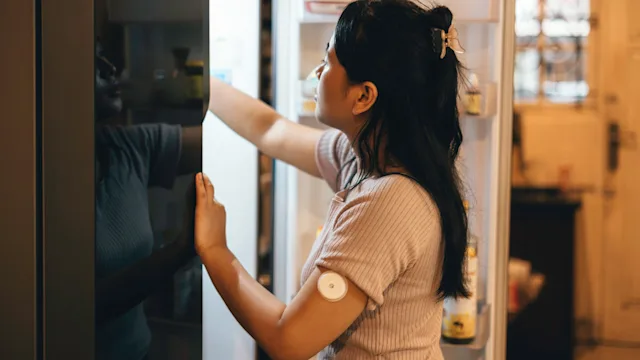
If your blood sugar is still below 70 mg/dL, or your continuous glucose monitor (CGM) doesn't show your blood glucose trending up, repeat the steps again until your blood sugar is back to your target range.
Eat a snack that contains complex carbohydrates and protein. This will keep your blood sugar in range until your next meal.
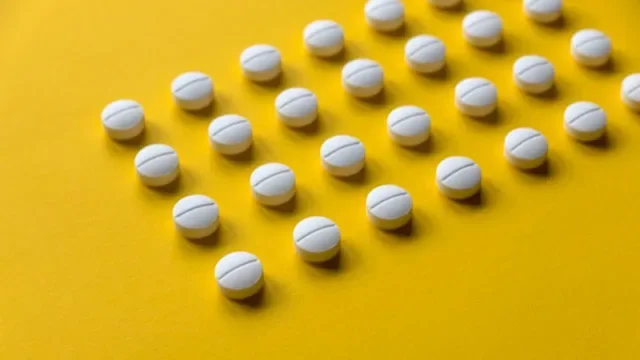
Examples of fast-acting carbohydrates are glucose tablets and glucose gels. There are 15 g of fast-acting carbs in 3 or 4 glucose tablets or 1 tube of glucose gel.
If you don’t have glucose tablets or gel, or if you prefer to use foods and drinks, below are some options.
5 foods and drinks for low blood sugar
The foods and drinks below can help fix low blood sugar fast since they contain at least 15 g of fast-acting carbs.
1. Fruit juice
Liquids raise your blood sugar faster than solid food, which is why fruit juice for hypoglycemia is an excellent option. Fruit juice contains fructose, a natural simple sugar that raises your blood sugar quickly.
Drink 4 oz (½ a cup) of fruit juice when you feel symptoms of low blood sugar. You can try any kind of fruit juice you like best. But avoid options that are low-sugar or use artificial sweeteners, since those don’t contain the sugar you need.
2. Soda
Soda contains a lot of added sugar. For this reason, it’s not usually the best beverage choice. But it’s helpful when you’re experiencing hypoglycemia. Drink 4 oz to 6 oz of soda (about ½ to ¾ cup) to raise your blood sugar quickly.
You can choose any brand of soda that you like best. But don’t choose diet or low-calorie sodas since these don’t contain the right amount of sugar.
3. Honey
Honey contains the simple sugars fructose and glucose, which can raise blood sugar quickly. You only need to take 1 tbsp of honey to get 15 g of fast-acting carbohydrate. This makes honey a great option if your low blood sugar is making you feel nauseous.
Honey packets or sticks are an easy way to bring honey along when you’re on the go. Just make sure that each individual portion contains at least 15 g (1 tbsp) of honey. If you don’t have honey on hand, maple syrup will work as a replacement.
4. Dried fruit
Dried fruits contain more fructose per bite than fresh fruit. Some good options are:
Raisins
Dried cranberries
Dried apricots
Dried dates
But you can try other dried fruits, too. Make sure you check the nutritional information on the label to see how many pieces of fruit you need to get 15 g of carbohydrates (sugar).
5. Gummy candy
Gummy candy is another helpful source of sugar. Most gummy candies contain a lot of added sugar. So, you may not need too many pieces to hit the 15 g mark. You can try any form or brand of gummy candy you like. Just make sure you check the nutrition label to see how many pieces you need to eat.
How can you prevent low blood sugar?
Here are some steps you can take to prevent episodes of hypoglycemia.
Monitor your blood sugar trends
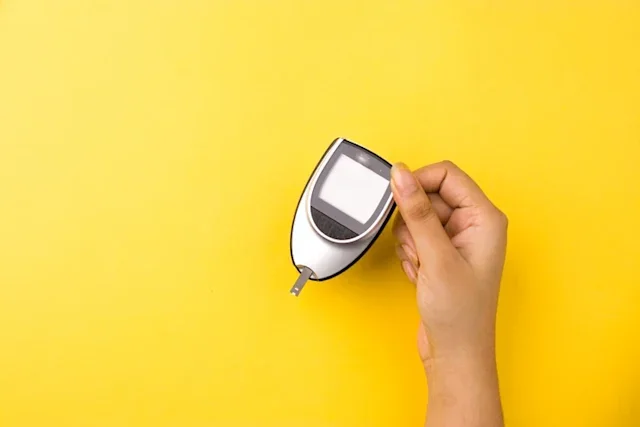
It’s important to regularly monitor your blood sugar using a glucometer or CGM. This will help you identify patterns in your blood sugar levels so that you know when your blood sugar falls below its target range.
Keep track of your medication doses
Many people need to take multiple medications to manage their diabetes. It’s important to keep track of when you take your medications. You can try a tracking app or keeping a log in a notebook.
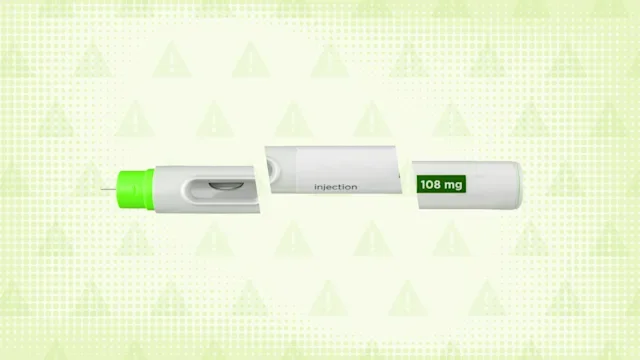
Some types of medications, like sulfonylureas and insulin, are more likely to trigger hypoglycemia. Combining sulfonylureas with medications like glucagon-like peptide-1 (GLP-1) agonists, such as Ozempic, can also increase the chance of developing hypoglycemia.
Keeping track of your medications and your blood sugar can help you and your healthcare team figure out if you need to change your medication doses or combinations. Keeping track can also help you avoid accidentally taking too much of your medications, which can trigger hypoglycemia.
Choose balanced meals
Eat meals and snacks that combine high-fiber carbohydrates, protein, and healthy fats. Fiber and protein help stabilize your blood sugar, while healthy fats help you feel satisfied. Each of these nutrients also provide other important health benefits, too, such as supporting your heart health, gut, and weight.
Pay attention to meal timing and spacing
Having meals and snacks at regular intervals throughout the day can help you avoid episodes of hypoglycemia. It’s important to eat enough at each meal or snack and to not skip meals.
Plan to eat breakfast within about an hour of waking up. Then, try to evenly space your meals throughout the rest of the day. A good rule of thumb is to eat something (a snack or a meal) at least every 3 to 4 hours. Having nutritious snacks on hand when you’re on-the-go can help you avoid going too long without eating.
Consider new exercise plans or illness
Exercise and illness can affect your blood sugar levels. Touch base with your care team in these cases:
You’re starting a new exercise plan, or you notice any big changes in your blood sugar levels during or after exercise.
You notice different patterns in your blood sugar levels when you’re sick.
And if you need to fast for a medical procedure or blood test, talk with your diabetes care team. They can help you adjust your diet so you don’t develop hypoglycemia.
When should you get medical care for low blood sugar?
Hypoglycemia is serious and can be life-threatening. Call 911 and get emergency medical care in these instances:
Your blood sugar won’t stay above 70 mg/dL, despite following three rounds of the 15-15 rule.
You can’t eat or drink.
You’re too weak to act on your own.
You’re confused or have trouble talking or walking.
You passed out.
You also want to make sure your loved ones and caregivers know what to do if you have an episode of hypoglycemia. This will help them act quickly. Make sure they know:
Where you keep emergency food, drink, or glucose tablets/gel and how much to give you if you’re able to eat or drink
Where you keep your glucagon emergency kit and how to use it
To call 911 if your blood sugar is low and you’re unconscious or unable to eat or drink
You may also want to wear a medical alert identification bracelet. This helps other people know what to do if you have an emergency episode while in public.
Frequently asked questions
When your blood sugar is low, you should avoid eating foods that are primarily made up of protein and/or fat. Examples include eggs, meat, and cheese. These foods lack the carbohydrates you need to raise your blood sugar back to a stable level.
You should also avoid high-fiber carbs. These take longer to break down, so they won’t raise blood sugar levels quickly. Instead, stick to low-fiber, fast-acting carbs.
Mild hypoglycemia is when your blood sugar levels are between 55 mg/dL and 70 mg/dL. It typically resolves within about 15 minutes of consuming fast-acting carbohydrates. But you may experience residual symptoms like a headache and brain fog for several hours afterward. It depends on how low your blood sugar actually got and how your unique body reacts.
Severe hypoglycemia (blood sugar levels below 55mg/dL) needs immediate medical attention, and it may take longer to recover from.
When your blood sugar is low, you should avoid eating foods that are primarily made up of protein and/or fat. Examples include eggs, meat, and cheese. These foods lack the carbohydrates you need to raise your blood sugar back to a stable level.
You should also avoid high-fiber carbs. These take longer to break down, so they won’t raise blood sugar levels quickly. Instead, stick to low-fiber, fast-acting carbs.
Mild hypoglycemia is when your blood sugar levels are between 55 mg/dL and 70 mg/dL. It typically resolves within about 15 minutes of consuming fast-acting carbohydrates. But you may experience residual symptoms like a headache and brain fog for several hours afterward. It depends on how low your blood sugar actually got and how your unique body reacts.
Severe hypoglycemia (blood sugar levels below 55mg/dL) needs immediate medical attention, and it may take longer to recover from.
The bottom line
Low blood sugar can be dangerous. It’s important to recognize the symptoms of hypoglycemia and to take action if you feel an episode coming on. To bring your blood sugar back up, eat or drink 15 g of fast-acting carbs like fruit juice, soda, or dried fruit. It’s a good idea to keep fast-acting carbs with you in case you experience low blood sugar.

Why trust our experts?




References
American Diabetes Association. (n.d.). Signs, symptoms, and treatment for hypoglycemia (low blood glucose).
Centers for Disease Control and Prevention. (2024). Treatment of low blood sugar (hypoglycemia).
Nakhleh, A., et al. (2021). Hypoglycemia in diabetes: An update on pathophysiology, treatment, and prevention. World Journal of Diabetes.
Sundborn, G., et al. (2019). Are liquid sugars different from solid sugar in their ability to cause metabolic syndrome? Obesity.
U.S. Department of Agriculture. (2019). Honey.