“When I diagnose type 1 diabetes, I talk to patients about the fact that they don’t make insulin, and that their elevated blood sugars are not their fault,” says Minisha Sood, MD, an endocrinologist in New York City.
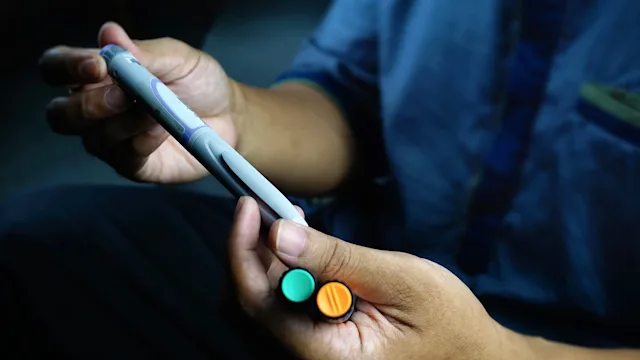
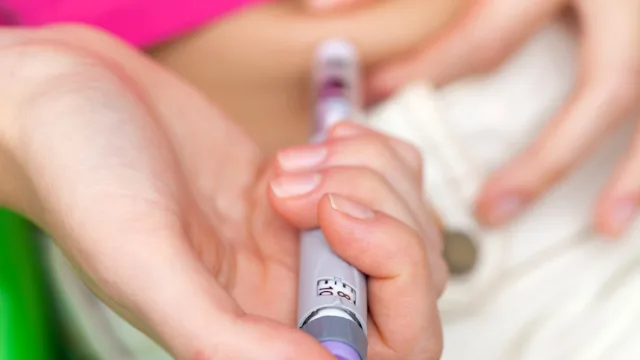
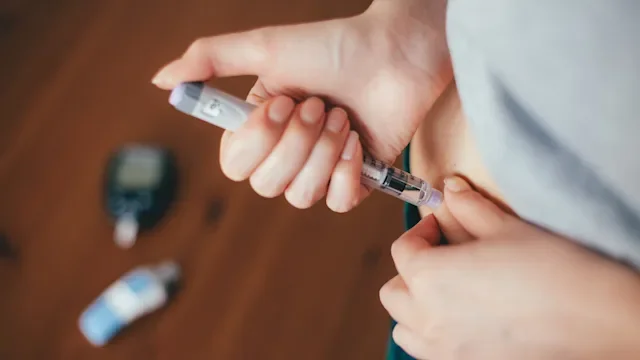
Type 1 diabetes means your pancreas is not producing insulin, which the body needs to convert glucose from your diet into energy for your daily life. Type 1 diabetes must be treated with insulin therapy, and people with type 1 diabetes need to be on insulin lifelong.
Dr. Sood is a board-certified Endocrinologist in private practice in New York City and an assistant professor at Hofstra School of Medicine.
Dr. Chaudhry is an Endocrinologist at NYU Langone Health in New York City.
References
Diabetes Teaching Center at the University of California. (n.d.) Goals of treatment.
Diabetes Teaching Center at the University of California. (n.d.). Insulin basics.
Diabetes Teaching Center at the University of California. (n.d.). Treatment of type 1 diabetes.
Juvenile Diabetes Research Fund. (2011). Artificial pancreas.
Juvenile Diabetes Research Fund. (n.d.). Beta cell replacement.
Juvenile Diabetes Research Fund. (n.d.). Drugs and devices for glucose control.
Juvenile Diabetes Research Fund. (2019). Prevention.
Juvenile Diabetes Research Fund. (n.d.). Restoration.
UpToDate. (2022). Patient education: Diabetes mellitus type 1: insulin treatment (beyond the basics).

Why trust our experts?